
When author Rachel Hochhauser welcomed her second child, her domestic landscape shifted dramatically. Like many growing families navigating the delicate balance of space, privacy, and productivity, Hochhauser suddenly found her existing home office co-opted by the demands of a growing household. The room that had once served as her dedicated workspace was transitioned into a nursery for her newborn daughter, leaving the writer without a quiet sanctuary to focus on her literary craft.
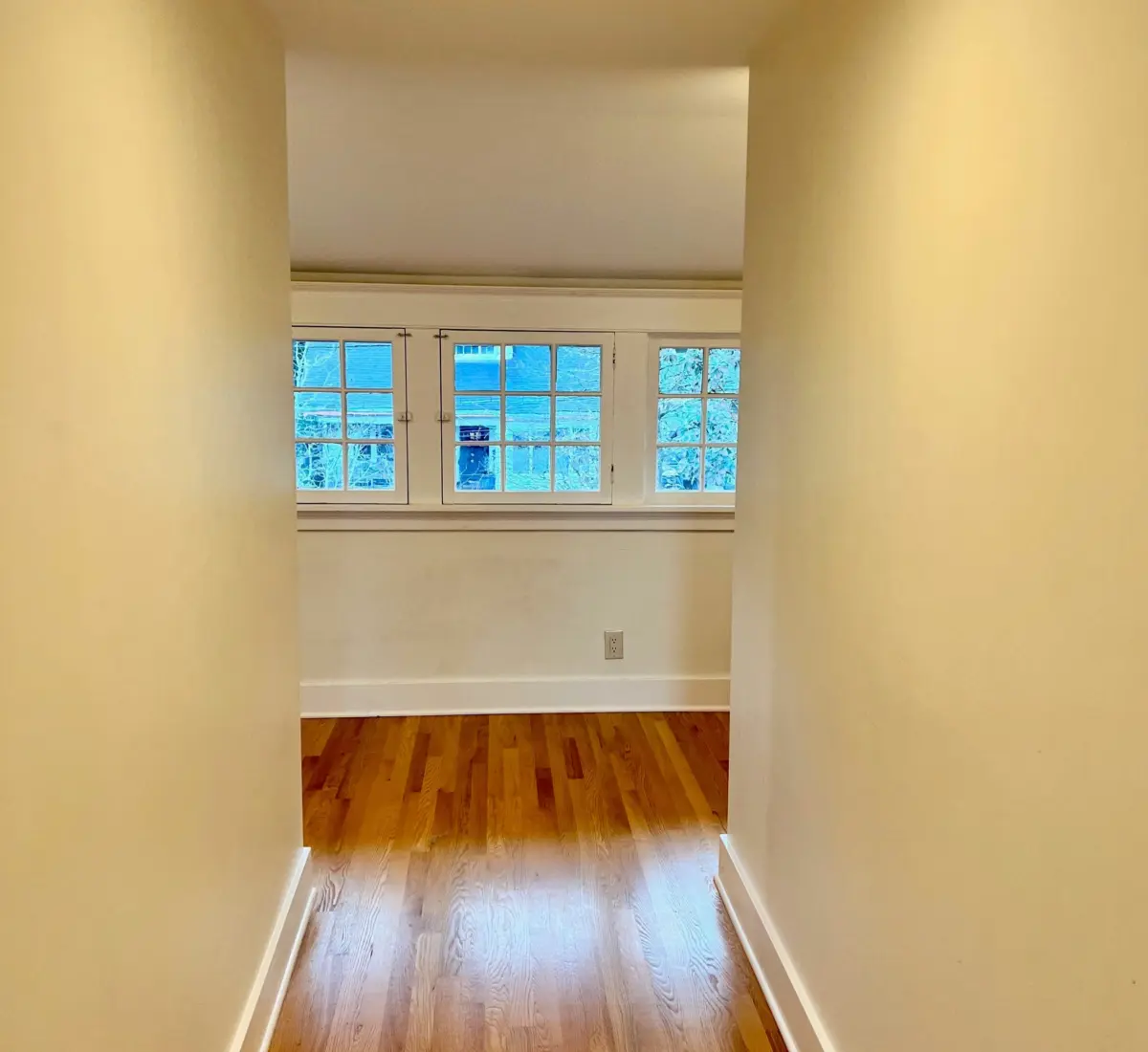
For Hochhauser, the challenge was clear: she needed a dedicated workspace that could accommodate her professional endeavors without disrupting the domestic harmony of her family home. The solution presented itself in an unexpected place—an untouched, awkwardly shaped architectural nook situated at the very end of the upstairs hallway.
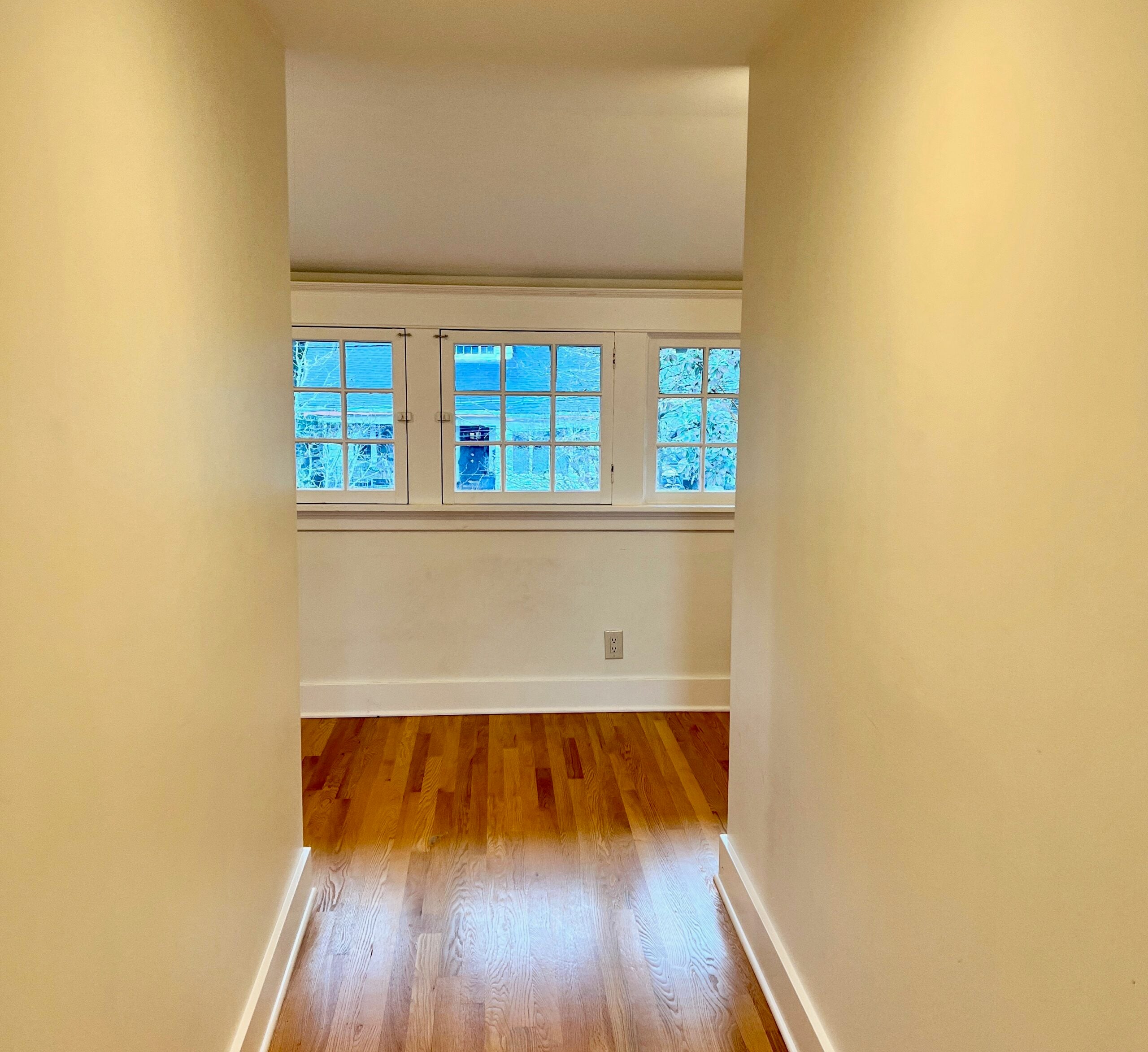
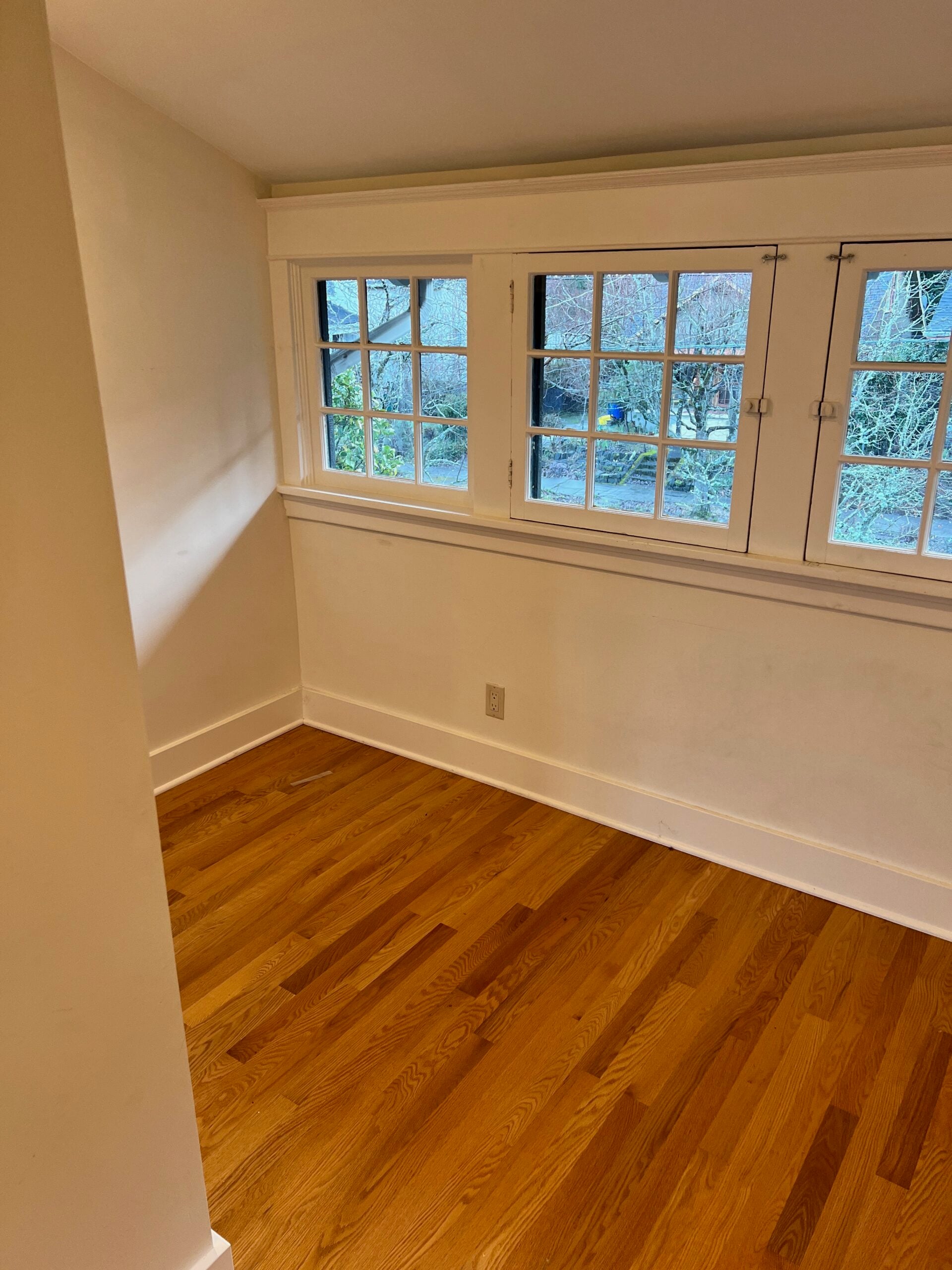
Rather than letting the odd recess remain empty space, Hochhauser and her husband decided to investigate its potential. Measuring the alcove, they realized that despite its unconventional dimensions, the area offered a distinct advantage: a set of pleasant windows that flooded the nook with natural light. Recognizing the promise of the forgotten corner, they embarked on a home improvement project to convert the space into a compact, highly personalized home office.
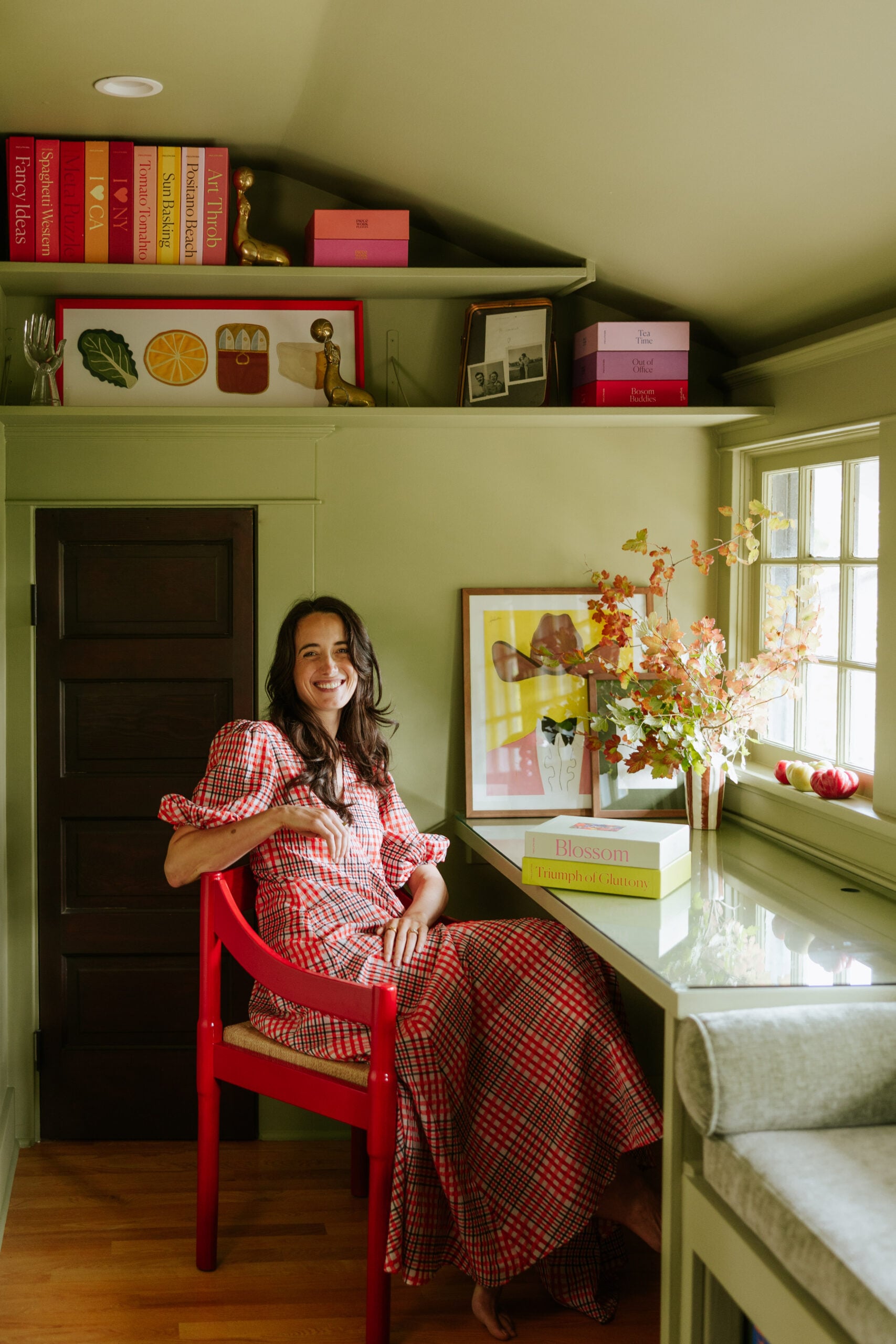
The transformation process served as a deeply creative milestone for the author. Having previously lived in a house characterized by neutral furnishings and classic white walls, Hochhauser envisioned something radically different for her personal retreat. This was the first time she had sat down to deliberately conceptualize the aesthetic of a room from the ground up. By deciding to drench the small space entirely in rich, immersive color, she mentally claimed the territory as her own independent sanctuary amidst the bustling energy of family life.
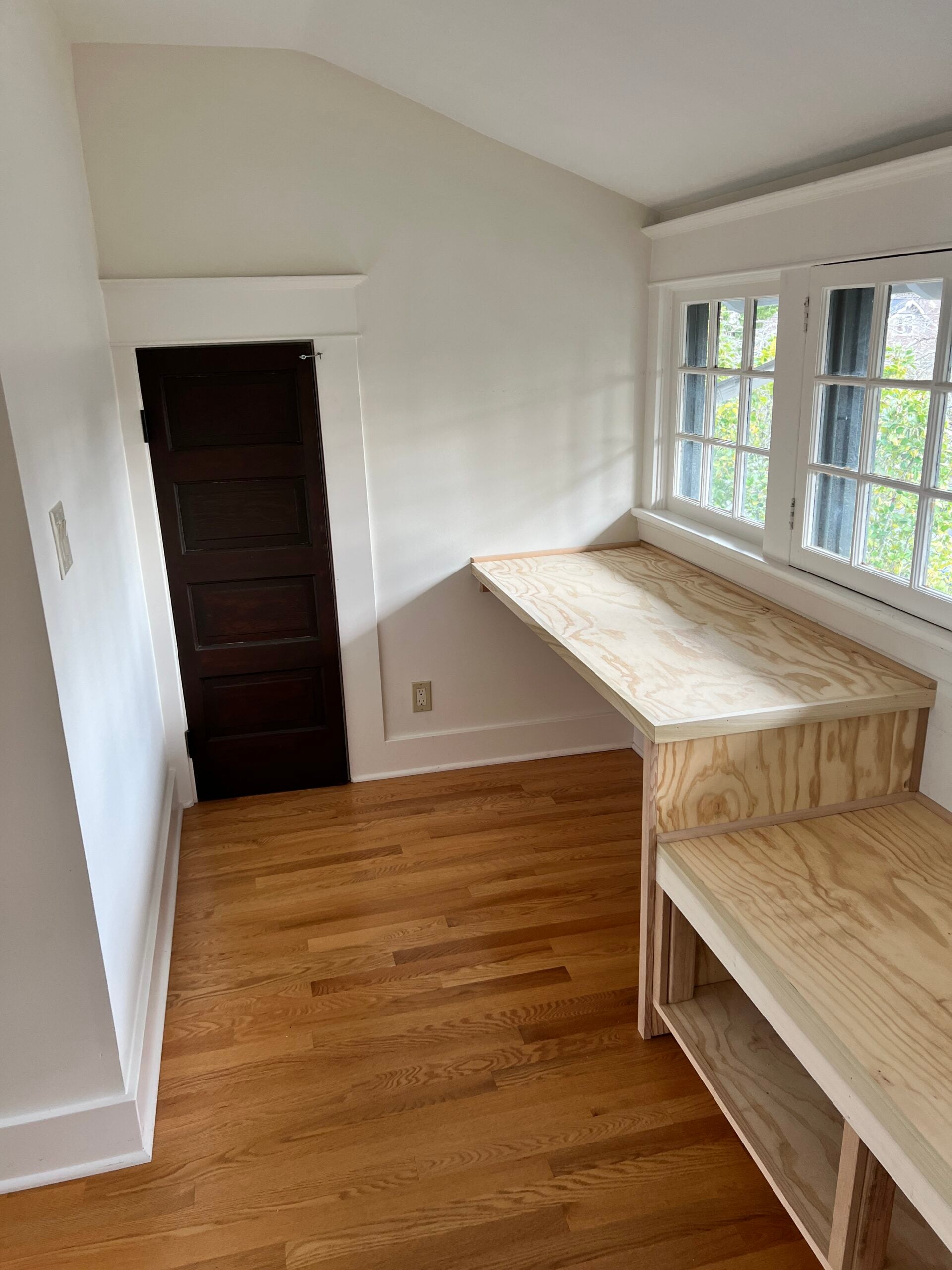
This interior design journey coincided precisely with a pivotal professional chapter. While construction on the built-ins was actively underway, Hochhauser was deep in the writing process for her novel, Lady Tremaine. Working amidst the unfinished carpentry and the physical evolution of the room created a profound emotional connection between her environment and her work. In a poetic convergence of timelines, right as the home office reached completion, the author received her very first physical copies of the book. Consequently, the space became forever intertwined with the genesis and realization of Lady Tremaine.
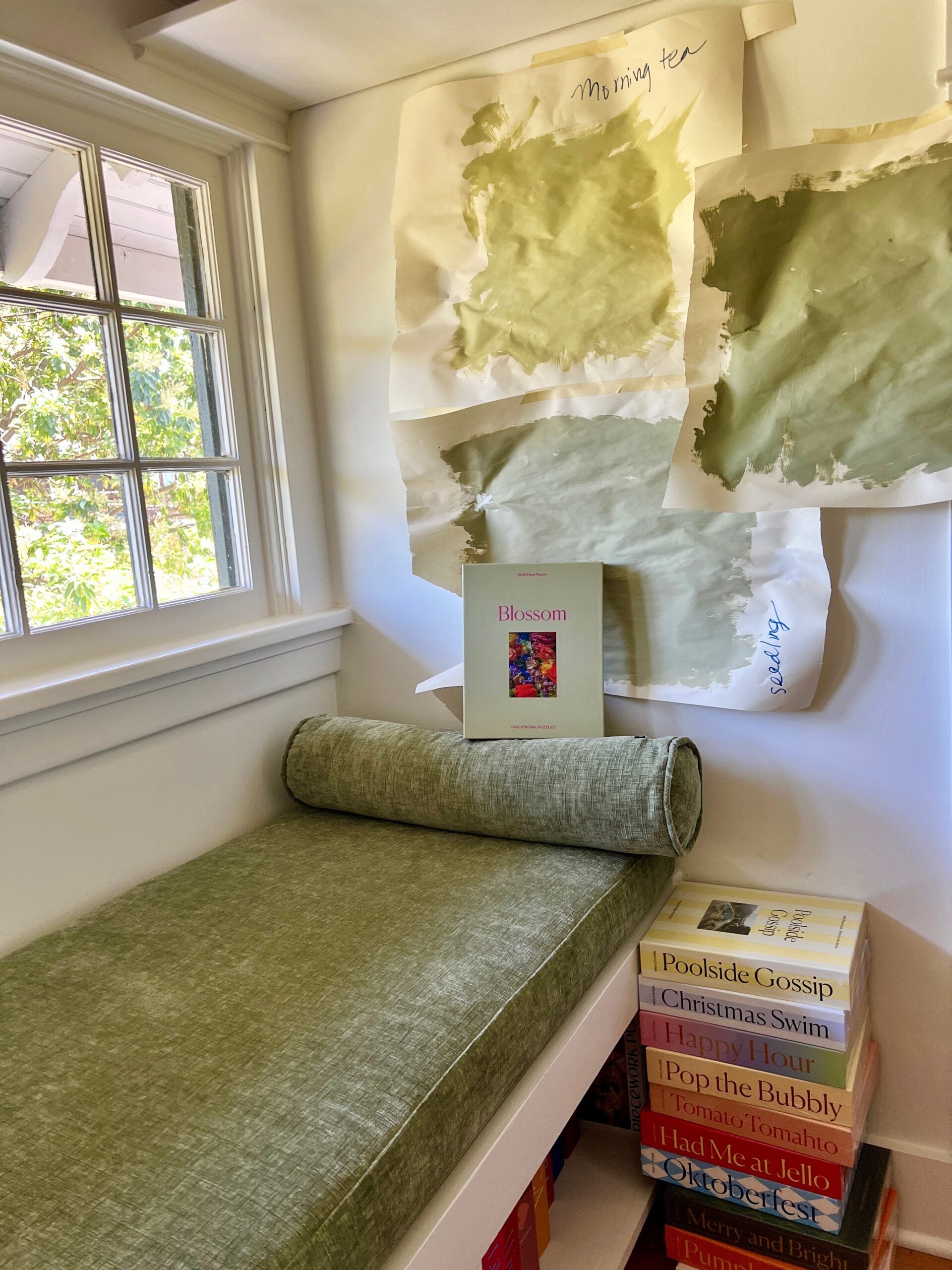
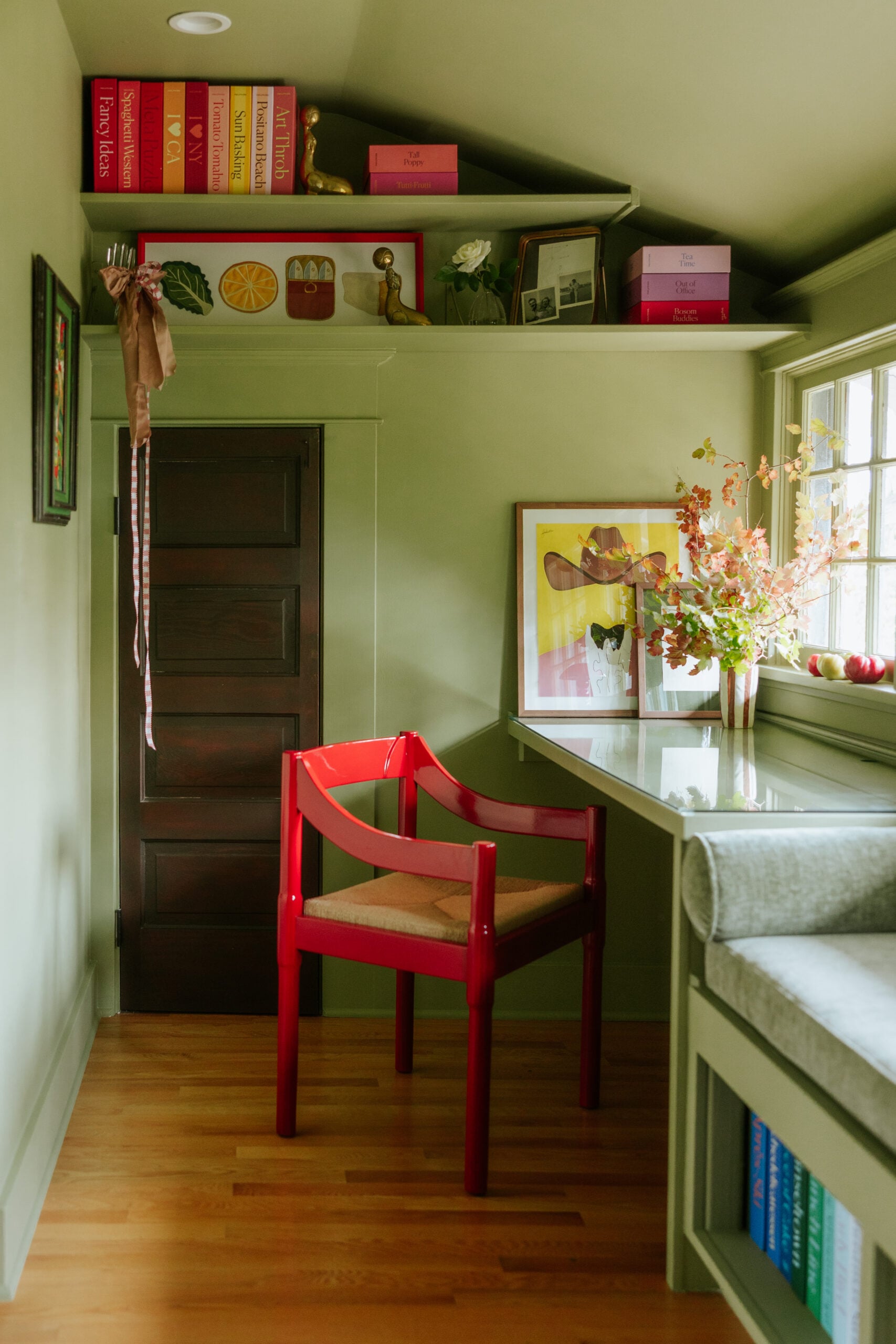
Choosing the defining palette for the room required a thoughtful nod to her other creative pursuits. As the co-founder of the puzzle company Piecework, Hochhauser found herself continually drawn to a specific murky shade of green featured in their puzzle titled Blossom. Seeking to replicate that exact mood in her new office, she brought the puzzle artwork with her to the local paint store, holding it up against various color chips to find a match. After careful consideration, she selected Behr’s "Dried Rosemary," a hue that acts as a chameleon throughout the day, shifting from a pale, milky tone in the morning light to a dark, moody atmosphere by nightfall.
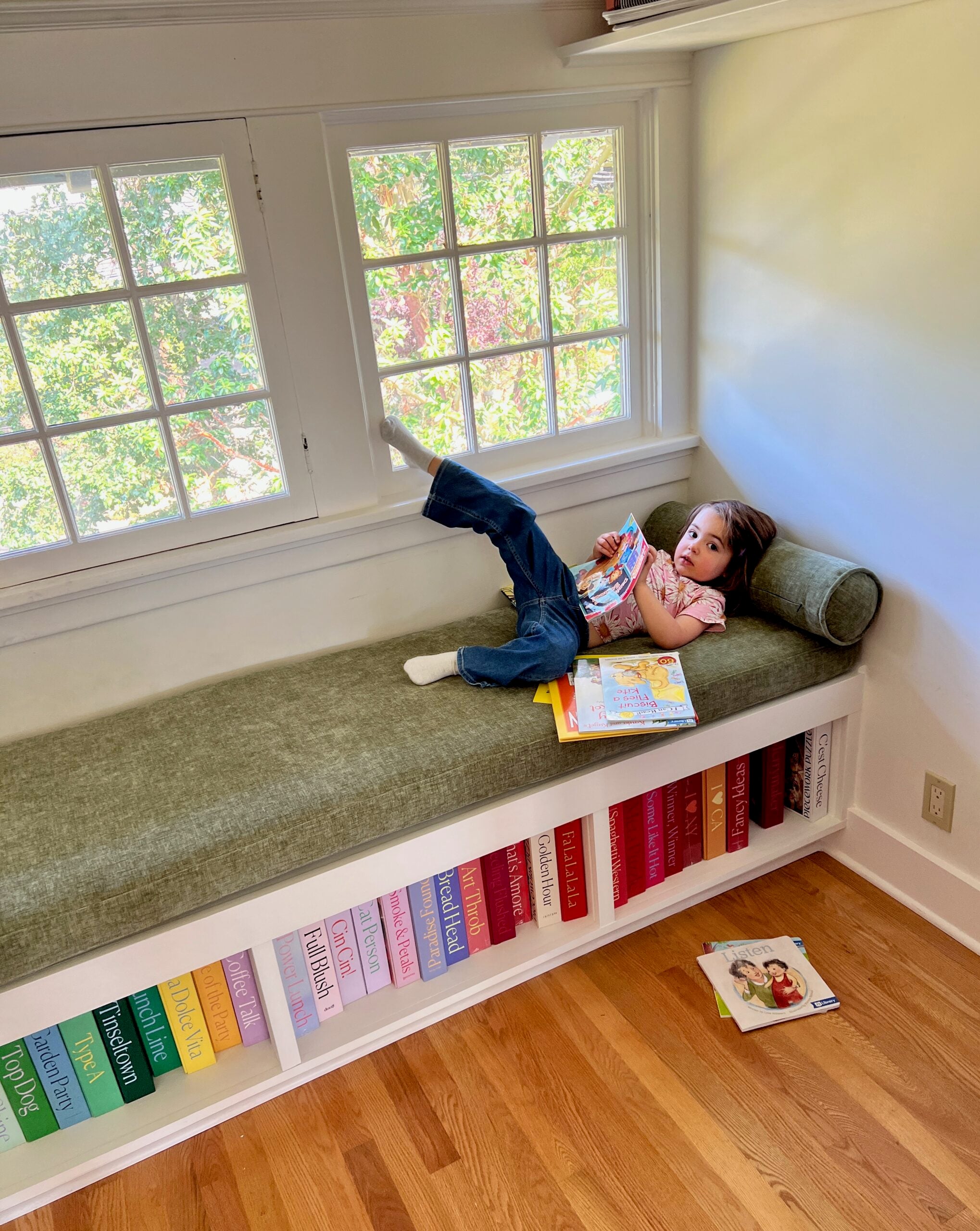
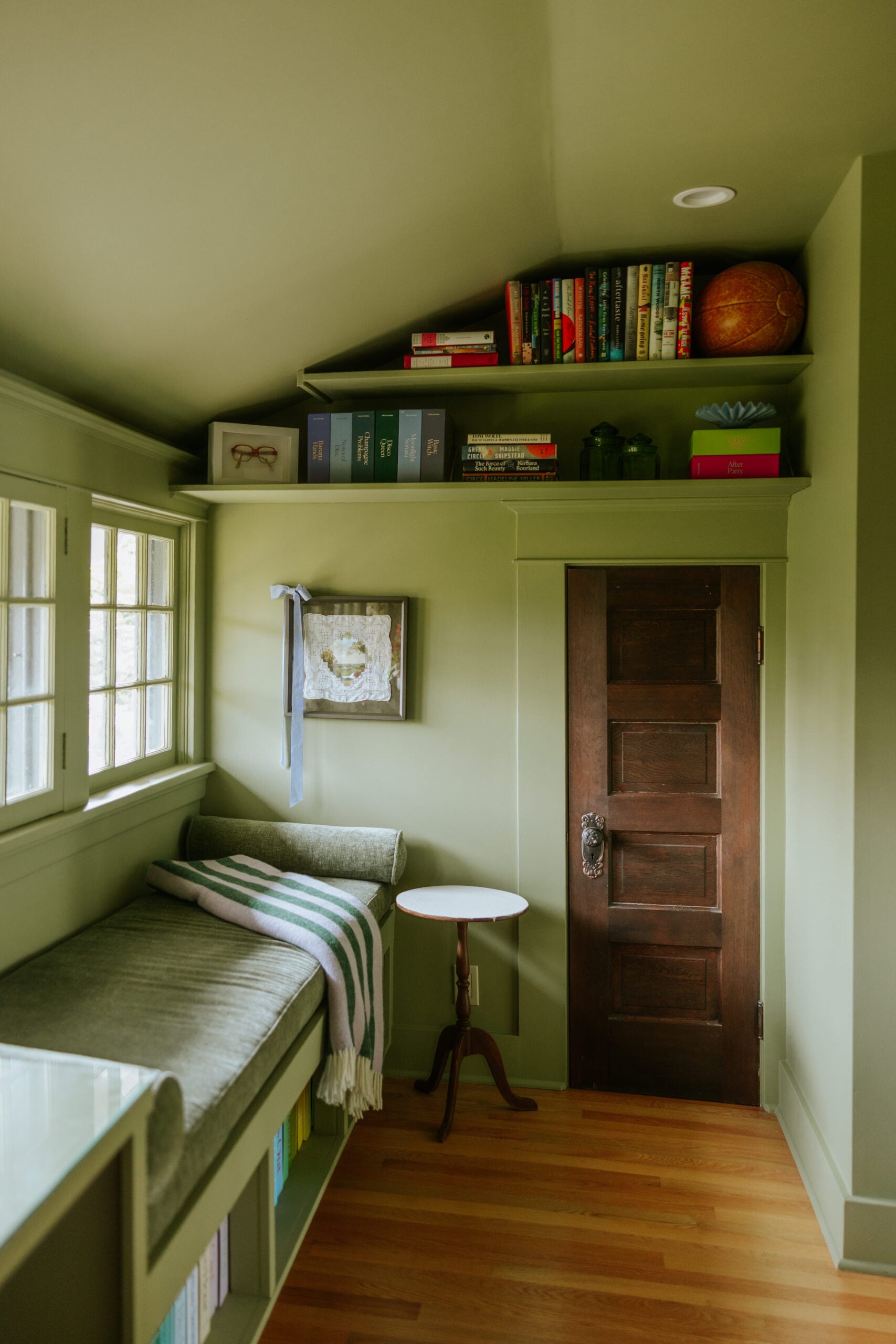
To fulfill a long-held wishlist dream of creating a cozy zone where her children could eventually lounge, the couple also added a custom built-in bench directly beneath the sunny window. For Hochhauser, who had never previously navigated the world of custom upholstery, selecting the right fabric proved to be a daunting task. She initially worried that her final choice was too safe and conservative. However, once the fabric was installed against the newly painted walls, the elements coalesced, creating a calm, tonal harmony that tied the entire nook together.
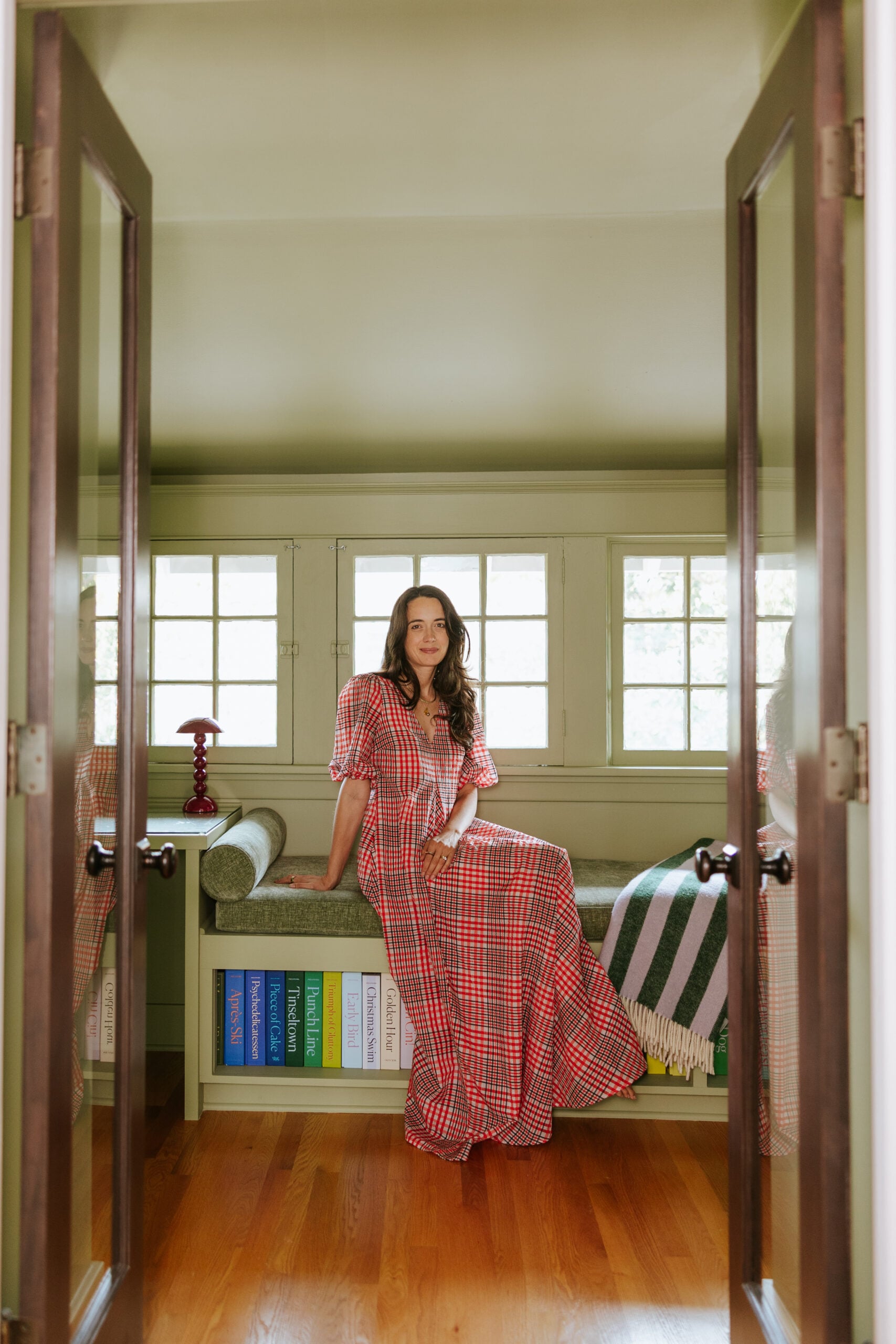
The finished office quickly proved its worth. Surrounded by carefully curated details—such as a Magistretti chair, a cowboy print by artist Daniel Falcón, and a sculptural vase by Isabel Halley—Hochhauser found immense value in having a physical boundary dedicated to her inner life. A side table salvaged from the side of the road just blocks from her house sits comfortably alongside a Maison Deux throw, adding layers of personal history and texture to the compact room.
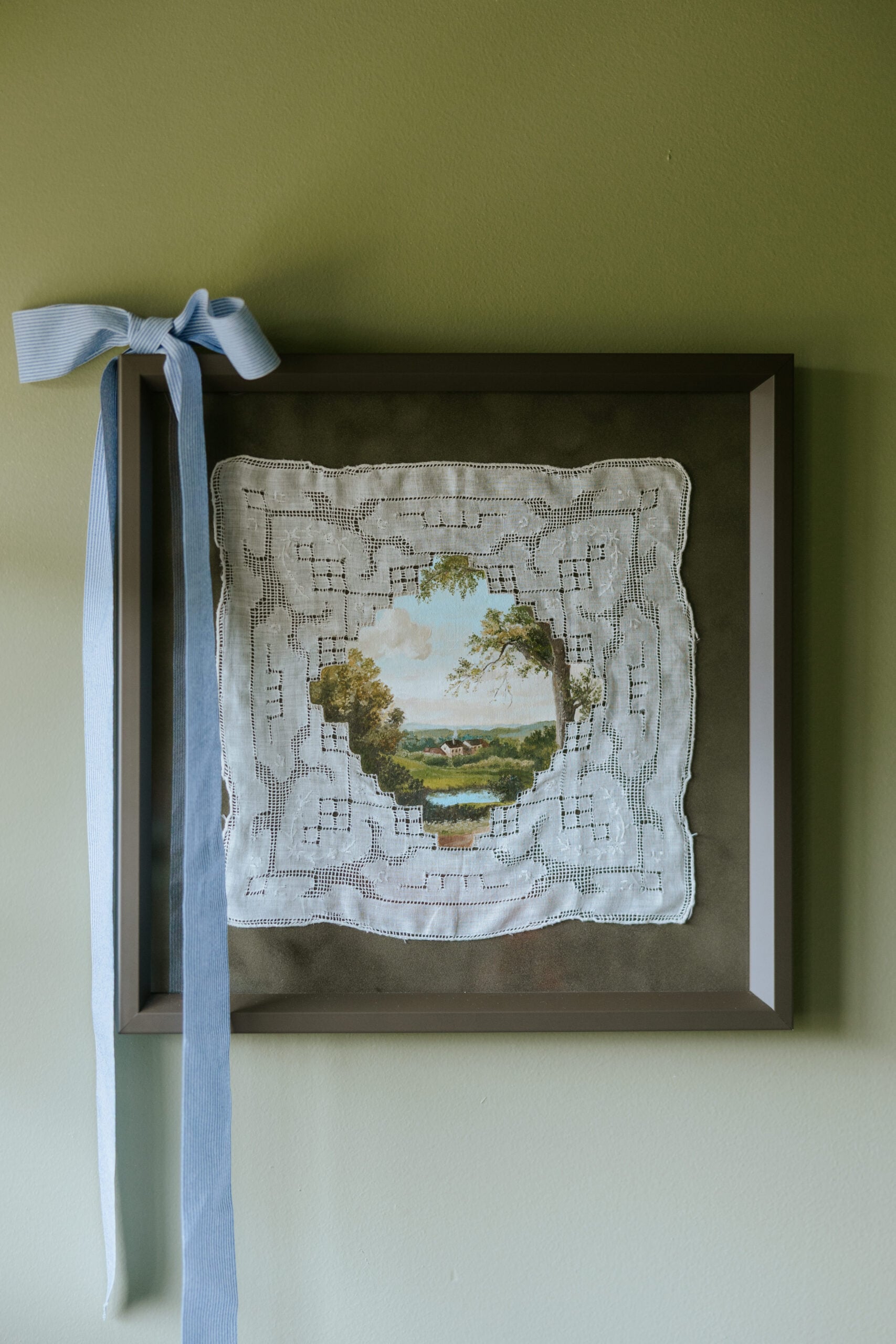
Perhaps most striking is a piece of family artistry that anchors the space. Hochhauser’s sister, an artist who paints on vintage textiles, discovered an antique handkerchief on eBay and painted upon it a pastoral scene inspired by 19th-century English art. After persistent requests, the painting found a permanent home on the author’s office wall.
Reflecting on her writing routine within the newly completed alcove, Hochhauser emphasizes the unique advantages of working under structured time constraints. Confining her writing sessions strictly to childcare hours—when her children are either at school or supervised by a caretaker—has instilled a healthy pressure to maximize her productivity. Rather than waiting passively for an elusive spark of golden inspiration, she has embraced the reality that true creativity often flourishes inside a pressure cooker, sustained simply by the discipline of sitting down and doing the work.
Operating under daily goals focused on time spent rather than rigid word counts, Hochhauser views her progress as a fluid endeavor. Whether a writing session moves her project forward by a quarter inch or yields a sweeping, beautiful leap, her new hallway sanctuary provides the necessary physical and emotional grounding to sustain her creative life through the early stages of motherhood.