
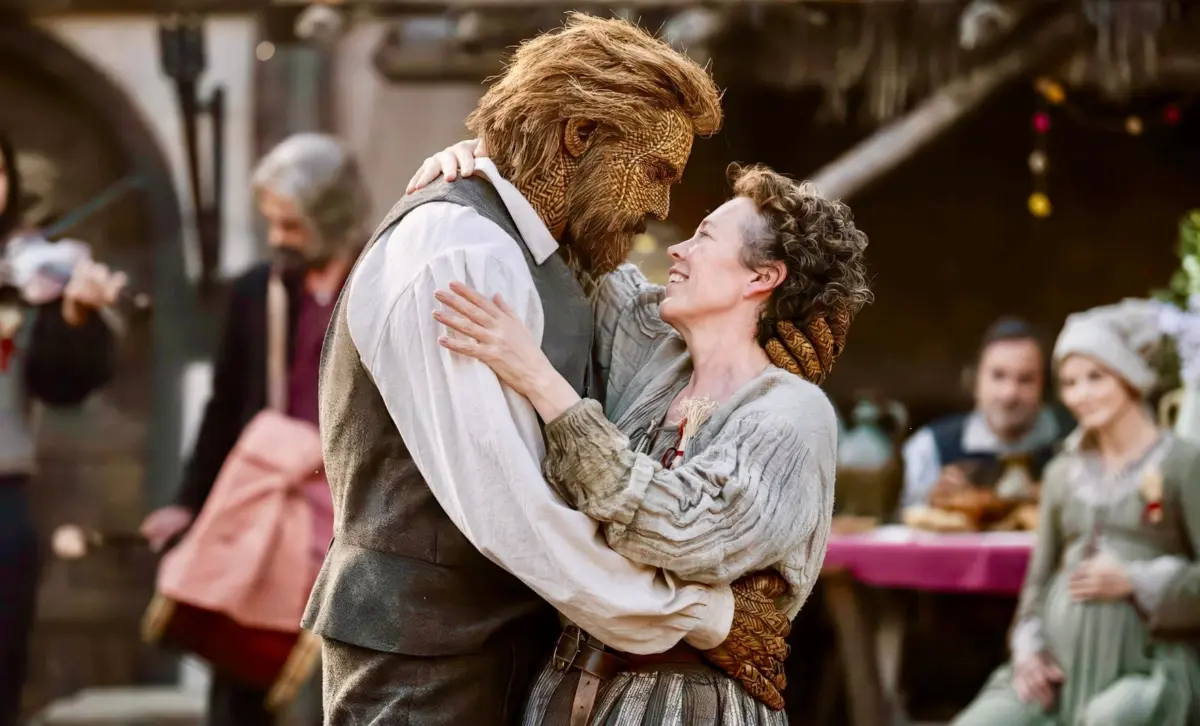
When the official trailer for the romantic fantasy film Wicker first debuted, audiences and critics alike were not entirely sure what to make of its wildly unconventional premise. Yet, in the weeks following its release, the film has captured the cultural zeitgeist, turning into a massive conversational touchstone and drawing widespread acclaim for its unique blend of eccentricity, earnest romance, and sensuality.
Directed with a distinct vision, the film stars Academy Award winner Olivia Colman as an eccentric fisherwoman living a quiet, isolated life by the sea, and Alexander Skarsgård as a man custom-created for her entirely out of wicker. The bizarre yet compelling setup could easily have veered into absurdity in lesser hands, but the execution has struck a profound chord with viewers. Major publications have quickly jumped on the cultural phenomenon, with The Hollywood Reporter notably dubbing the picture “the horniest, most tender film of the year.”
Beyond its whimsical fantasy elements, the movie has sparked broader cultural conversations about representation, aging, and modern relationships, resonating deeply with viewers who see it as a refreshing departure from standard cinematic tropes.
At the heart of much of the praise is the dynamic between the two lead characters, which defies traditional Hollywood casting conventions and romantic narratives in two major ways. First, the film boldly centers on a fifty-something female protagonist who is depicted as a vibrant, fully realized sexual being experiencing incredible, passionate intimacy. For many viewers and critics, this representation feels long overdue in an industry that frequently sidelines or desexualizes women as they age.
Olivia Colman herself has spoken candidly about this aspect of the role in recent press interviews, pointing out the absurdity of cultural assumptions surrounding aging and romance. As Colman noted in a profile with The New York Times, all of her friends still very much have active sex lives, emphasizing her belief that a person does not simply need to sew their private life closed once they reach a certain milestone age. This sentiment mirrors a broader shift in cultural conversations led by cultural commentators and authors who have championed the idea that women of all ages remain complete, desiring sexual beings.
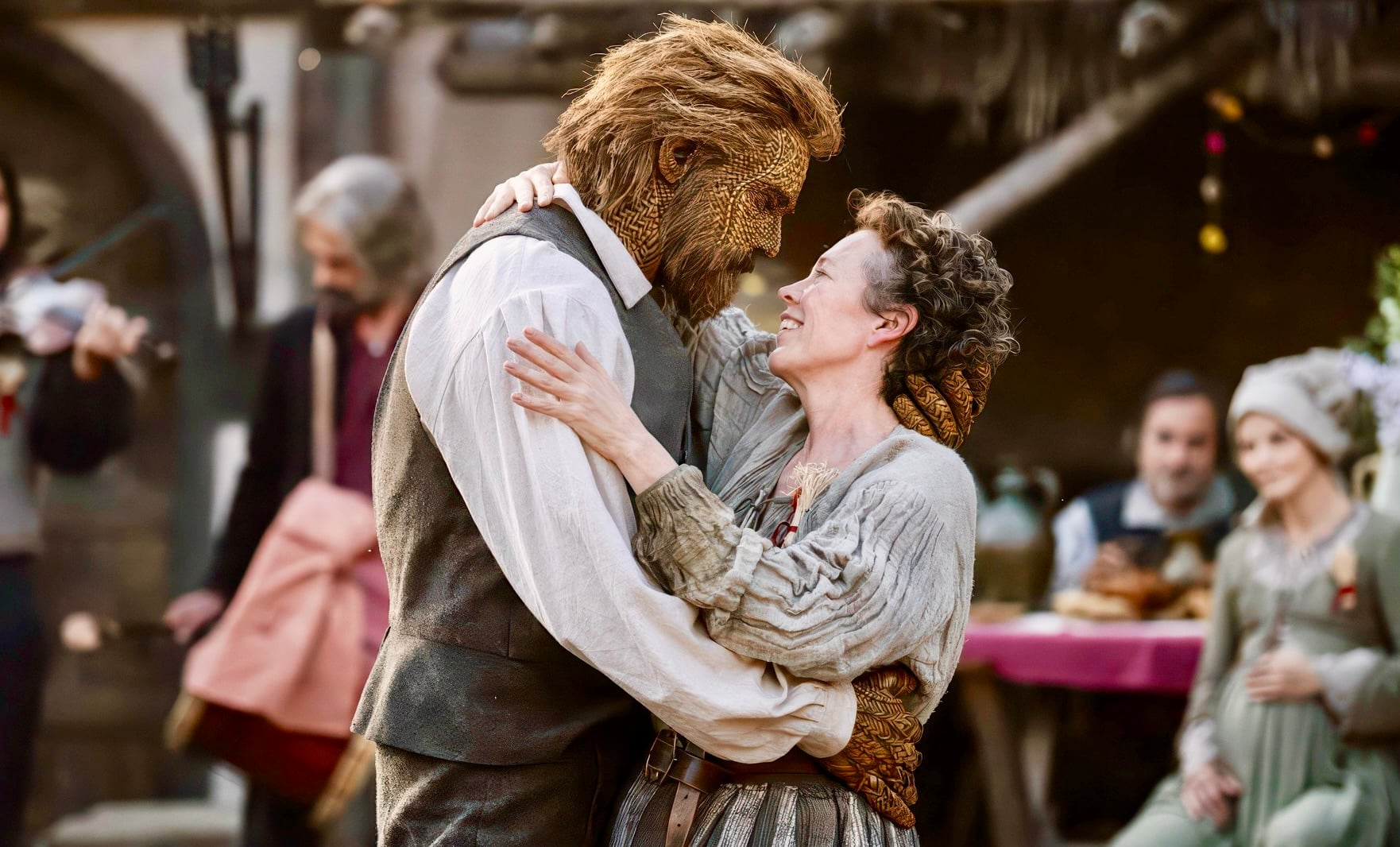
The second major element drawing praise is the portrayal of the male lead, who harbors an unabashed, deep-seated devotion to his partner. In a cinematic landscape historically crowded with cynical depictions of romance or tired marital tropes, Skarsgård’s character stands out for his total dedication to his partner’s well-being and happiness.
Discussing his character’s mindset with The New York Times, Skarsgård highlighted that the man simply wants his partner to thrive, feel joyful, and succeed in every aspect of her life. Crucially, this devotion remains unwavering even away from home. When the character visits the local bar to socialize with other men, he maintains his sincerity and refuses to participate in traditional locker-room banter or tired jokes about being trapped in a burdensome marriage.
This particular character trait has struck a nerve with audiences weary of casual misogyny and the tired cultural trope of men expressing resentment toward their wives. The resistance to these tropes has found a powerful echo across social media as well. Comedian Phoebe Robinson addressed the fatigue surrounding this cultural phenomenon in a widely shared video reel last year, expressing her exhaustion with men constantly complaining about their spouses. In her commentary, Robinson urged people to quit the tired narrative, asserting that wives are amazing and that habitually hating one’s spouse should not be accepted as a genuine personality trait.
The intersection of these themes—authentic midlife sexuality and genuine, unashamed affection between partners—has turned Wicker from an eccentric independent fantasy into a major cultural touchstone, prompting widespread debate, critical essays, and glowing reviews across the media landscape.
The film itself is based on a short story by author Ursula Wills, a piece of source material that has seen a massive surge in renewed interest and readership as fans of the movie seek out the original narrative text. As discussions surrounding the film continue to dominate social media feeds, book clubs, and cultural roundtables, it remains to be seen how deeply its success will influence future romantic narratives in mainstream cinema.