
Across much of the United States, residents living in the shadow of heavy industry have few reliable ways to know when the air they breathe turns dangerous. Over recent decades, federal funding for public air monitoring systems has steadily declined, the total number of operational monitors has fallen, and much of the remaining equipment is aging or positioned far away from major polluters.
The stakes for public health are climbing as compounding environmental crises strain the landscape. Wildfire smoke is reaching a growing number of communities, expanding data centers are introducing localized sources of industrial pollution, and climate-driven heat waves are exacerbating ground-level ozone concentrations. Meanwhile, the political landscape is shifting, with the Trump administration moving to delay and roll back critical federal requirements designed to hold industrial corporations accountable for their chemical emissions.
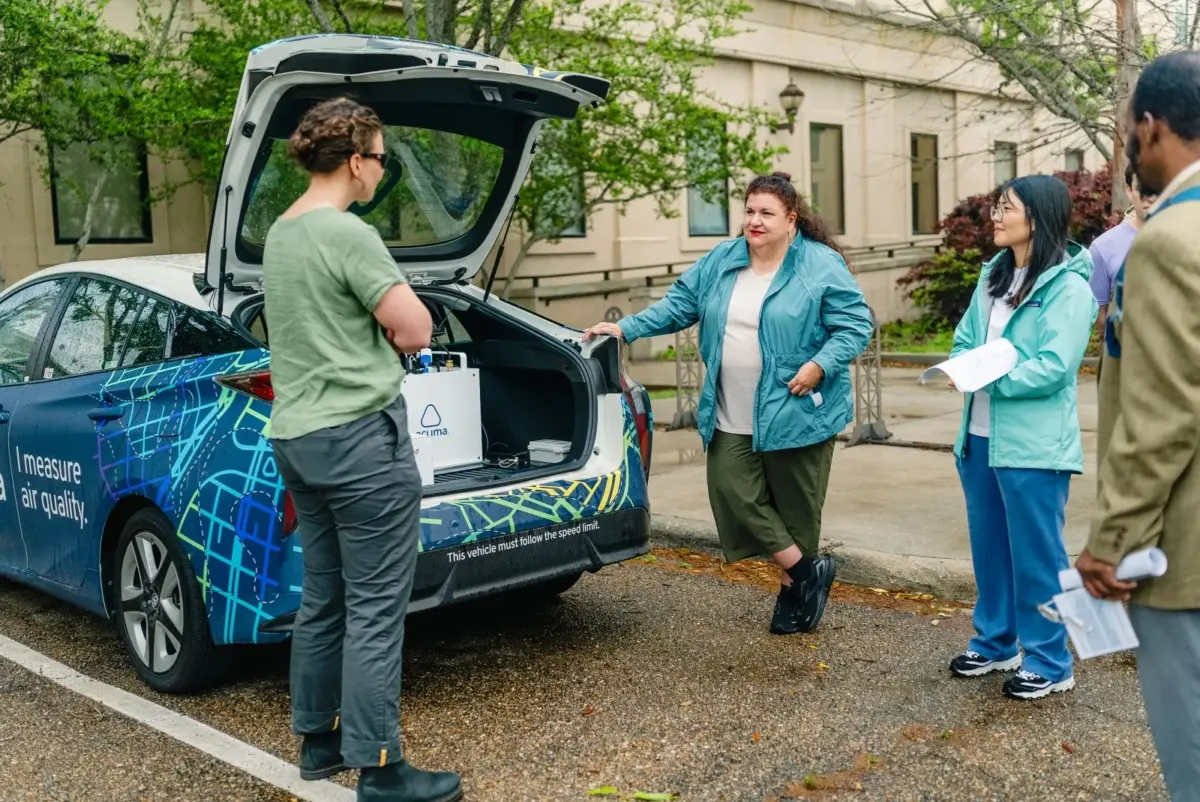
As the formal public monitoring apparatus has weakened, affected communities have increasingly turned to an alternative: low-cost, portable sensors that residents can deploy themselves to track local air quality. But a comprehensive investigation by Floodlight reveals that corporate industry is actively moving to restrict that option as well.
Since 2024, lawmakers in Louisiana, Ohio, and Kentucky have successfully passed strikingly similar bills—heavily backed by chemical and manufacturing trade groups—that legally curb the use of community-collected data in regulatory enforcement actions. These bills share a common legal thread: they explicitly block state regulators from using grassroots air-quality data for enforcement purposes unless the measurements meet strict, costly U.S. Environmental Protection Agency-approved standards. Similar legislative attempts have been introduced in West Virginia, though they have faced greater resistance and have yet to become law.
In case after case, industry proponents have advanced a singular argument, maintaining that community monitoring is simply not reliable enough for regulatory enforcement. Yet when lawmakers in West Virginia introduced a compromise version of a bill explicitly designed to ensure high standards of accuracy, industry lobbyists forcefully resisted it, revealing a deeper aversion to any form of widespread community oversight.
The bill "essentially codifies what we are trying to prevent," an official at chemical giant Chemours wrote in an internal email obtained through public records.
An Early-Warning System in Decline
Thousands of small, often unassuming instruments serve as the nation’s primary early-warning system for dangerous air, quietly detecting chemical pollution that people cannot always see, taste, or smell. Some of these devices sit securely inside weather-resistant shelters the size of garden sheds, while others are mounted directly on rooftops or tucked neatly inside fenced industrial compounds. Together, these public monitors measure a wide array of dangerous pollutants ranging from everyday ozone and carbon monoxide to potent carcinogens such as benzene and vinyl chloride.
This extensive network grew directly out of the landmark 1963 Clean Air Act, transforming the way the nation tracked and understood air pollution. It provided environmental regulators with the empirical data required to identify hazardous conditions and hold polluters legally accountable. In the decades following its creation, visible air pollution fell dramatically across much of the United States.
Today, however, that legacy network is showing its age. Chet Wayland, who led the EPA’s Air Quality Assessment Division for nearly two decades, noted that the system is getting smaller over time and struggling to keep pace with modern industrial demands.
The decline has been especially pronounced among specialized monitors tasked with tracking toxic chemicals known to cause cancer and other severe health outcomes. For instance, the federal monitoring network tracking vinyl chloride—the dangerous carcinogen at the center of the catastrophic 2023 train derailment in East Palestine, Ohio—shrank by more than half between 2004 and 2025. Networks dedicated to measuring chloroprene and benzene experienced similar reductions.
Floodlight’s analysis of the largest industrial sources of air pollution in Kentucky, Louisiana, Ohio, and West Virginia—the primary states where the restrictive monitoring legislation was introduced—revealed a stark disconnect between corporate emissions and public oversight. Researchers compared what facilities reported releasing against what public monitors in those states were actually capable of detecting. For 71 out of the 100 major facilities examined, the primary chemical they released in the highest volume was not measured by a single government monitor anywhere in the state. Highly hazardous substances such as hydrochloric acid, sulfuric acid, and methanol are entirely absent from the routine monitoring reports submitted to the EPA.
Nelson Roque, an assistant professor at Penn State who co-authored a 2025 study on the subject, pointed out that nearly six in ten U.S. counties have no public air monitor at all. These geographic blind spots carry profound environmental justice implications, as Black, Indigenous, and low-income populations consistently bear a disproportionate share of elevated cancer risks from airborne toxics, according to federal demographic analyses.
"We’ve realized the value of other infrastructure, and yet not this one," Roque said. "Last I checked, we all breathe air."
Louisiana: A Monitoring Gap, and the Fight to Keep It
Public air monitors in Louisiana, a major national hub for the oil, gas, and petrochemical industries, are frequently located miles away from major industrial facilities and routinely fail to test for some of the most dangerous chemicals in commerce.
Local community groups have attempted to bridge this persistent monitoring gap independently. A $500,000 grant awarded under the Biden administration’s Inflation Reduction Act was supposed to allow the Louisiana Environmental Action Network (LEAN) to establish dedicated air monitoring networks across 27 communities identified as severe pollution hot spots. However, the grassroots group was only able to successfully install monitors in four communities before the Trump administration abruptly canceled the grant funding.
"It’s like having your legs knocked out from under you," said LEAN executive director Marylee Orr.
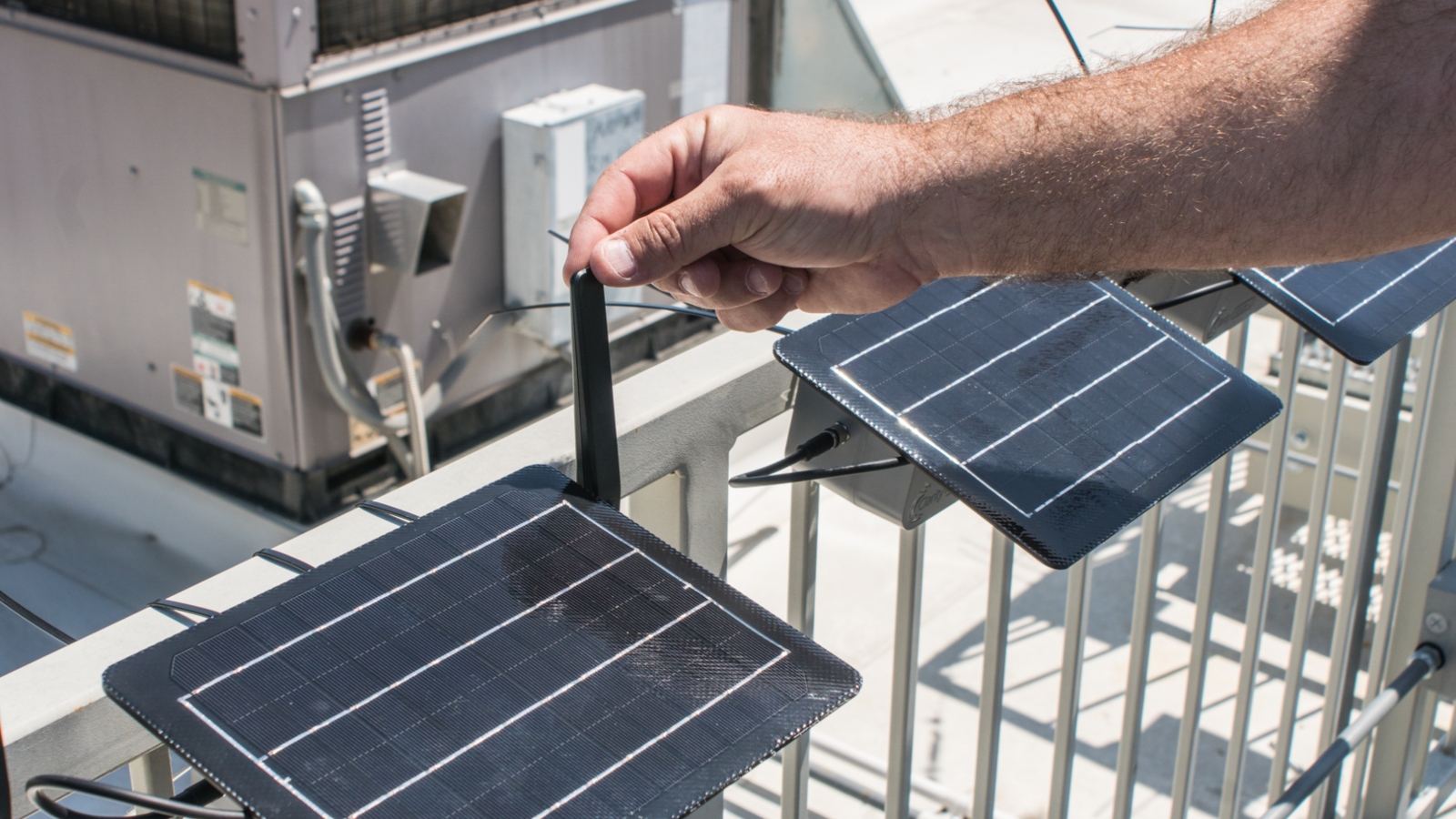
In 2024, Louisiana became the first state in the country to formally restrict the use of community-gathered air monitoring data. The Louisiana Chemistry Association helped draft the Community Air Monitoring Reliability Act, citing the necessity of science-based standards while barring environmental pollution data from being utilized in enforcement or regulatory actions unless captured by EPA-approved equipment that routinely costs tens of thousands of dollars.
David Cresson, president of the Louisiana Chemistry Association, defended the law previously, stating that it ensures data used for enforcement complies with minimum federal standards and does not prevent residents from monitoring air quality for their own personal knowledge.
Simultaneously, powerful national lobbying groups pushed for broad regulatory relief. The American Chemistry Council spent more than $22 million on lobbying in 2024 alone, placing it among the top corporate spenders nationwide. Alongside the American Fuel & Petrochemical Manufacturers, the group requested a blanket two-year exemption from Biden-era regulations intended to slash toxic emissions by nearly 80 percent across roughly 200 chemical manufacturing plants. While a blanket waiver was denied, individual manufacturing facilities applied for and received targeted relief.
To date, the Trump administration’s EPA has granted more than 60 petrochemical facilities exemptions from the rule, and the agency is actively evaluating whether to rescind the regulation entirely. The American Chemistry Council also successfully lobbied against federal rules that would have mandated fenceline monitoring for ethylene oxide at approximately two dozen chemical plants in regions like Louisiana’s industrial corridor.
Kentucky Takes a Page from Louisiana
Persistent chemical odors from Rubbertown, a historic industrial complex housing rubber and synthetic manufacturing plants dating back to World War II, have plagued residents in west Louisville, Kentucky, for generations. In the early 2000s, local authorities and federal regulators launched a comprehensive study that confirmed high levels of toxic pollutants. A corrective plan was enacted, regulations were tightened, and continuous air testing was implemented. More than 15 years later, local regulators announced that toxic air contaminants in Louisville had fallen by nearly 80 percent, with the most hazardous chemicals reduced by 96 percent.
Despite the proven success of expanded monitoring in Louisville, Kentucky lawmakers shifted direction. In March 2025, following the legislative blueprint established in Louisiana, the state passed House Bill 137, restricting how air-monitoring data can be applied in legal enforcement. Lloyd Cress, executive director of the Kentucky Chemical Council, acknowledged the bill’s alignment with Louisiana’s legislation, emphasizing the need for scientifically defensible testing methods. Major industry players, including the American Chemistry Council, the American Petroleum Institute, Dow Chemical, and Chemours, heavily lobbied in support of the measure.
This political push occurred as significant gaps remained in Kentucky’s public monitoring network. Only one of the state’s 25 largest air polluters operates in close proximity to a monitoring station capable of tracking its primary toxic emission, and fewer than a quarter of the state’s counties contain an air monitoring station.
Ohio’s Restrictions Meet with Legal Challenge
Ohio incorporated its new air-related restrictions directly into its state budget bill without a named primary sponsor, effectively halting regulators from acting on community-collected data.
"When we take away the ability for those folks to have a reasonably priced monitor… for their own protection, we’ve just taken any tool they had right out of their hands," said Miranda Leppla, an environmental attorney who filed a lawsuit challenging the rules.
The legal challenge also targets a provision instructing state regulators to dismantle Ohio’s air nuisance rule, which previously permitted citizens to pursue legal remedies against companies whose emissions endangered public health. Among the plaintiffs is Donna Ballinger, a resident of Middletown, Ohio, who lives hundreds of feet from a steel manufacturing plant. Ballinger reports that soot frequently rains down on her property, chemical fumes burn her throat, and she lives in constant fear of developing cancer. Although she installed an air monitor in her yard, the state’s new regulations prevent her from using the data as legal evidence of nuisance conditions.
Business groups defended the measures. Tony Long, general counsel for the Ohio Chamber of Commerce, argued that uncalibrated monitors risk spreading misinformation and that legal guardrails are necessary.
Despite operating more than 90 public monitoring stations—a more robust infrastructure than many neighboring states—none of Ohio’s 25 largest polluters sit within 20 miles of a station measuring their top toxic emissions. For example, the Syensqo Specialty Polymers plant released over 130 tons of volatile organic compounds last year, yet the closest monitoring station is four miles away in West Virginia and does not measure VOCs.
Industry Resistance Stalls West Virginia Efforts
The West Virginia Department of Environmental Protection operates a meager 14 monitoring sites spread across just 12 counties, leaving the remaining 43 counties completely devoid of state monitoring stations. None of the state’s 25 largest air polluters have a public monitor within 25 miles that measures their primary pollutant.
A 2024 bill backed by the West Virginia Manufacturers Association sought to ban community air data from regulatory enforcement and lawsuits. While it passed the state House, it ultimately died in the Senate after industry stakeholders fractured over potential amendments. A compromise version that would have allowed community data if monitors met manufacturer standards was flatly rejected by industry representatives. Internal emails later revealed industry leaders dismissing the compromise as toothless and warning that it codified the exact oversight they sought to prevent. Subsequent legislative efforts in 2025 and 2026 similarly failed to pass.
Evidence from other jurisdictions demonstrates that targeted monitoring can significantly reduce pollution. When the EPA mandated fenceline benzene monitoring for oil refineries in 2018, the number of facilities exceeding federal action levels dropped by half within five years, according to data from the Environmental Integrity Project.
Yet, for millions of Americans living near industrial corridors, the path forward remains obscured. Reonda Victor, a resident living between Baton Rouge and New Orleans in an area characterized by industrial flares and elevated cancer risks, reflects on the personal toll of missing data. After her mother, grandmother, and sister all battled breast cancer, genetic testing showed she carried no hereditary predisposition to the disease. The closest public air monitor to her home tests exclusively for lead, leaving her with unanswered questions about the environment she shares.
"Without information, we don’t know," Victor said.