

Homeowners living in predominantly Hispanic and Black communities across the United States are bearing a disproportionate share of the nation’s skyrocketing home insurance costs, according to a comprehensive new report. The findings highlight a growing financial crisis that leaves communities of color at a severe disadvantage as climate change accelerates the frequency and intensity of billion-dollar weather disasters nationwide.
The report, released in July by the Consumer Federation of America, a prominent nonprofit consumer advocacy organization representing nearly 250 consumer groups, reveals striking financial disparities in property insurance premiums. According to the analysis, homeowners in predominantly Hispanic ZIP codes pay an average of 30 percent higher premiums—amounting to roughly $950 more annually—compared to homeowners living in predominantly white communities. Meanwhile, homeowners in predominantly Black ZIP codes face an average premium increase of 16 percent, or about $500 more each year, for equivalent coverage.
To arrive at these conclusions, researchers analyzed identical insurance policies across various communities. This methodological approach effectively eliminated the possibility that the widening inequities were related to variations among individual homeowners, the physical characteristics of their homes, or the specific coverage options they chose to insure. While the report noted that local risk factors could potentially account for a portion of the observed disparities, a remarkably large gap persisted even after accounting for localized environmental risks.
“We’ve talked a lot about our insurance affordability crisis,” said Sharon Cornelissen, director of housing at the Consumer Federation of America and a co-author of the report. “What we haven’t really talked about is sort of the racially inequitable impacts of that, and that Black and Hispanic homeowners are particularly struggling.”
Over the standard duration of a 30-year mortgage, these compounding inequities accumulate into a substantial financial burden. The report estimates that homeowners in Hispanic communities pay at least $28,500 in additional insurance costs over three decades, while homeowners in Black communities face an extra $15,000. This widening gap points toward a persistent legacy of historical redlining in the home insurance market—a systemic challenge that continues to impede long-term homeownership and amplify financial exposure to environmental risks for communities of color, even if modern discriminatory practices may often be inadvertent.
The historical practice of redlining originated decades ago when government and private entities designated specific urban neighborhoods as “hazardous” for mortgage lending and financial investment, basing these determinations largely on the racial composition of the residents. People residing within these outlined areas were routinely denied home loans and insurance access, directly resulting in depressed property values and significantly lower rates of homeownership. Although official redlining was outlawed in 1968 with the passage of the Fair Housing Act, the practice left an enduring legacy of residential segregation.
This historical footprint continues to manifest in modern disparities spanning health care, education, the criminal justice system, access to nutritious food, and public investment in critical infrastructure. Furthermore, these compounded inequities have left historically marginalized neighborhoods significantly more vulnerable to acute climate impacts, such as the urban heat island effect and extreme weather events.
Insurance industry representatives, however, strongly push back against the characterization that race plays any role in modern rate-setting. Mark Friedlander, a spokesperson for the Insurance Information Institute, an industry trade group, emphasized that insurance premiums are calculated strictly based on underwriting risk rather than race or ethnicity. He maintained that the contemporary system used to establish property insurance rates is thoroughly grounded in actuarial science and subject to heavy regulatory oversight.
“Using race, or any proxy for race, to set insurance rates is illegal in every U.S. jurisdiction, and state insurance regulators review and approve the rating factors insurers use precisely to guard against that,” Friedlander said in a statement provided to Inside Climate News. “Many of the communities cited in reports like this are located in areas with objectively higher catastrophe exposure or higher costs to rebuild and repair after a loss.”
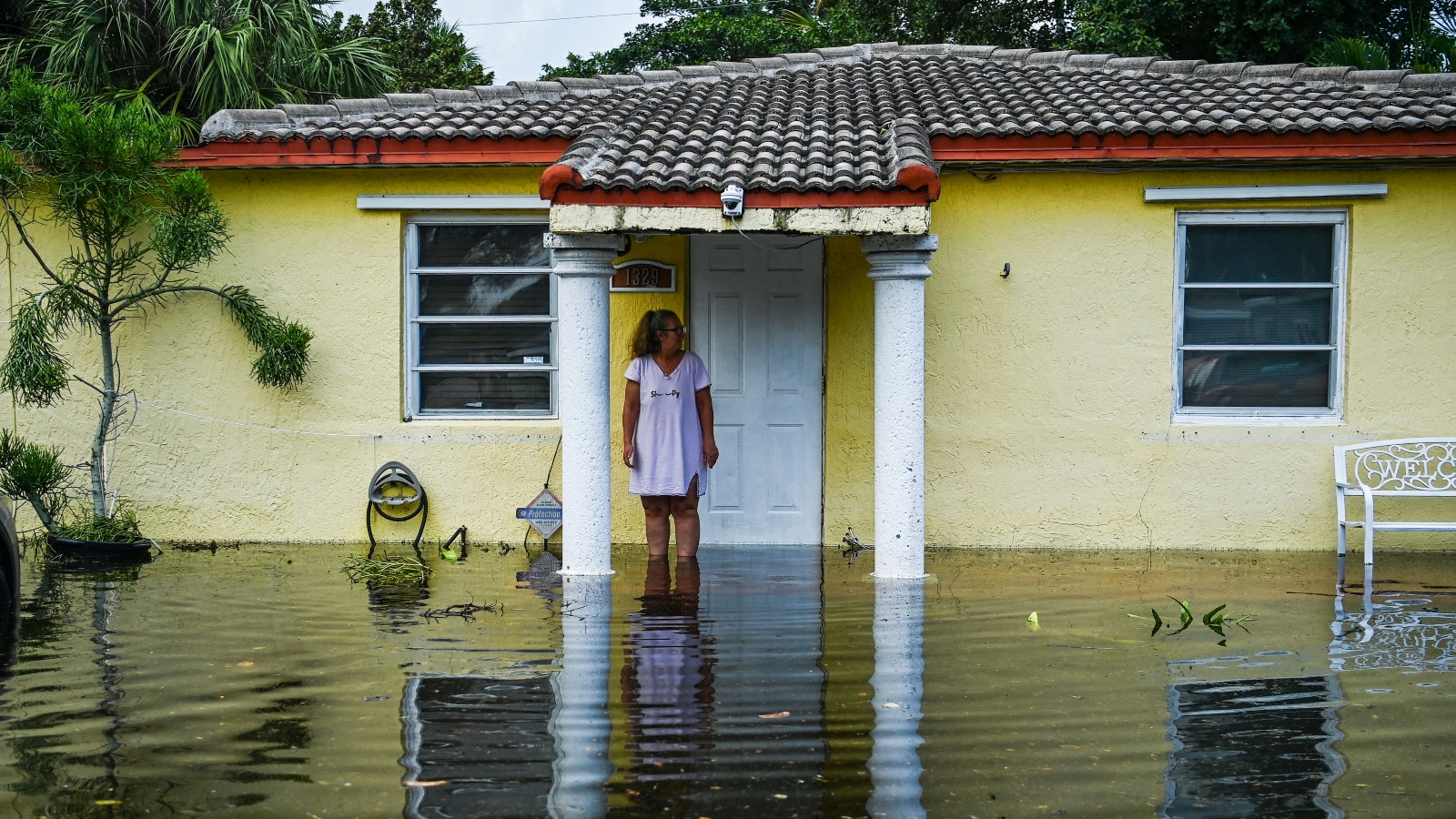
A closer look at the geographical breakdown of the data reveals that insurance cost disparities vary significantly across different states. The Consumer Federation of America report found the most acute home insurance disparity among homeowners in predominantly Hispanic ZIP codes in Florida. In that state, Hispanic homeowners pay an average of 58 percent more—amounting to a staggering $5,014 annually—for the exact same coverage as their counterparts in predominantly white communities.
The gap remains pronounced, though smaller, in several other states analyzed in the report. Predominantly Hispanic ZIP codes in New York face a 20 percent premium markup, averaging $431 more per year. In Washington state, the disparity stands at 18 percent, or $278 annually; in Massachusetts, it reaches 16 percent, or $244; and in Kansas, homeowners experience a 15 percent difference, translating to an extra $633 each year.
The severe financial inequities observed in Florida, where homeowners have already been severely strained by a broader property insurance crisis, represent an immense economic burden. Moira Birss, a senior fellow at the Climate and Community Institute, a progressive think tank, described the figures as deeply troubling. When considering the broader affordability crisis unfolding across the country, Birss noted that the scale of these additional costs is unconscionable.
When examining predominantly Black ZIP codes, the data shows that the widest inequities are concentrated in Michigan, where residents face a 74 percent premium gap, averaging $1,768 more annually. Pennsylvania follows with a 57 percent disparity, or $1,048 more each year. In New Jersey, Black homeowners pay 22 percent more, averaging an additional $332 annually. Massachusetts records a 20 percent gap, or $321 more, while New York rounds out the top states with a 19 percent disparity, representing an average of $417 in extra annual costs.
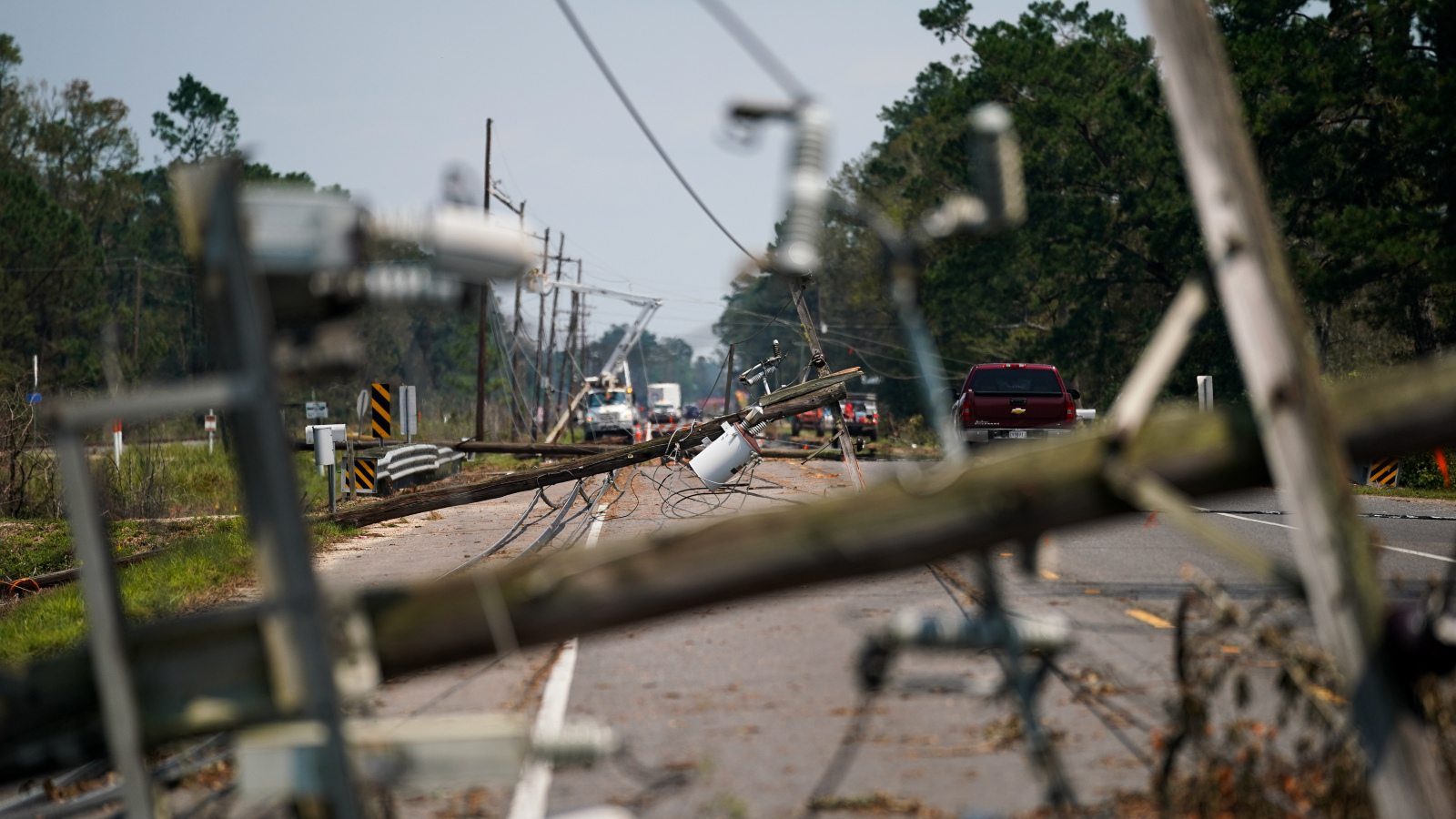
These disparities arrive against the backdrop of a broader national crisis in property insurance affordability. According to the report, which builds on previous research conducted by the Consumer Federation of America, the cost of home insurance for a typical American homeowner jumped by 24 percent between 2021 and 2024 alone. This nationwide surge is largely driven by accelerating climate change. Greenhouse gas emissions, primarily generated by the combustion of fossil fuels, are steadily warming the global climate, altering historical weather patterns, and fueling an increase in catastrophic and extreme weather events, including severe hurricanes, catastrophic wildfires, and torrential inland flooding. In response to these escalating risks, insurance companies across the country have steadily raised rates and tightened coverage criteria.
At the same time, the report notes that insurance companies have historically provided fewer options and more expensive policies in communities of color compared to white neighborhoods. The publication points to historical enforcement actions, such as a major $17.5 million settlement reached in the 1990s over a federal lawsuit. That case alleged that an insurance provider had actively discouraged its agents from selling coverage in Black neighborhoods, systematically labeled Black ZIP codes as undesirable, and utilized profiling methods to deny standard insurance coverage to Black homeowners. In a similar case, the American Family Mutual Insurance Company agreed to pay more than $16 million to settle allegations that it provided inferior policies to Black homeowners or denied them coverage based on race.
In recent years, the mechanisms used by insurers have evolved. Companies have increasingly adopted new proprietary methods for determining individual premium rates and managing claims payments. Some of these modern underwriting tools incorporate artificial intelligence and complex algorithmic modeling, raising fresh concerns among consumer advocates regarding potential algorithmic bias and hidden discrimination.
For instance, prior research conducted by the Consumer Federation of America revealed that homeowners with lower credit scores are penalized with an average price increase of $1,996 annually—representing a staggering 99 percent more for identical insurance coverage. Consumer advocates note that this creates a secondary systemic concern, given that longstanding socioeconomic factors mean residents of color are disproportionately likely to have lower credit scores due to historical financial barriers.
“I’m not saying that they have some secret race factor that they put into their model,” Cornelissen said, addressing the complex nature of modern algorithmic underwriting. “A lot of this bias can kind of creep in if they’re not paying attention to potential unequal impacts. A lot of this could be through AI models or other factors that have a disproportionate impact on Black and Hispanic communities.”
Industry representatives maintain that addressing the root causes of the crisis requires a collaborative focus on physical resilience rather than policy adjustments alone. Friedlander argued that the most effective path toward making home insurance more accessible and affordable is through comprehensive risk reduction initiatives, such as strengthening municipal and residential building codes, modernizing infrastructure, and expanding public funding for climate mitigation projects.
Meanwhile, consumer advocacy groups and policy researchers are calling on state and federal regulators to step up enforcement of fair housing laws, increase market transparency, and demand rigorous accountability from major insurance providers. Without clearer insight into how modern rating algorithms function and why localized disparities persist, advocates argue that the burden of proof remains firmly on the industry.
“Unless the insurance industry wants to give us more information about why this is happening,” Birss said, “it’s pretty hard not to interpret this as pretty serious racial discrimination.”