
While visitors to Lisbon quickly learn to appreciate staples like sardines, cod, and the iconic pastel de nata, the city’s broader restaurant scene offers a much deeper culinary journey. Portuguese cuisine draws heavily on global flavors inherited from centuries of maritime trade, while local restaurateurs enjoy access to world-class fish and seafood, unique regional cheeses, exceptional wines, and fresh produce sourced from organic farms situated just outside the city limits. In a capital experiencing rapid growth, Lisbon’s food scene successfully bridges the gap between old and new. It weaves together trendy wine bars, Michelin-starred establishments, traditional venues, casual eateries, and modern neighborhood spots known as "neo-tascas" that blend elements of all these dining traditions.
The dining directory is updated regularly to ensure it reflects the ever-changing nature of Lisbon’s food culture. Entries feature insider tips from experienced culinary writers and editors, along with a pricing scale ranging from "$" for quick, inexpensive meals where most dishes cost under $10, up to "$$$$" for fine-dining destinations where entrées exceed $30.

The fall season brings fresh additions that capture different facets of a restaurant scene expanding beyond traditional definitions of Portuguese cooking. As the summer rush subsides and the days remain warm enough for sidewalk dining, new establishments have emerged across the city. In the Madragoa neighborhood, Swedish chef Peter Nyström’s restaurant Familjen introduces bold flavors and spices through a sharing menu that diverges from traditional Nordic cooking. Nearby at Largo do Rato, Copo Largo draws inspiration from the classic Portuguese tavern, featuring an evolving chalkboard menu paired with an extensive selection of Portuguese wines. In the historic district near Lisbon Cathedral, former Boi-Cavalo chef Hugo Brito has revived the long-standing venue Alpendre around what he terms "Lisbon food," returning historic city classics to the dining table. Meanwhile, Porto-based chef Vasco Coelho Santos has expanded south with Lamina, focusing his first Lisbon venture on whole-animal cooking, house-made charcuterie, and fire-roasted dishes.
Vida De Tasca
Located in the Alvalade neighborhood, Vida De Tasca channels traditional tavern charm within a space that operated as a classic tasca for over forty years. Chef Leonor Godinho, previously of the sandwich shop Bibs, spent years visiting historic Portuguese eateries before opening her own interpretation. The restaurant maintains tasca traditions through accessible pricing, daily chalkboard specials, and unpretentious snacks such as cod fritters and croquettes. The menu shifts frequently, typically concluding with a traditional doce da casa, a surprise dessert crafted from whatever ingredients are available on hand.

Casa Nepalesa
Chef Tanka Sapkota is widely known for his Italian dining concepts, including Come Prima, Il Mercato, and Forno d’Oro. However, at Casa Nepalesa, originally opened in 2010 and updated in 2021, he honors Lisbon’s growing Nepalese community by serving personal favorites from his home country. The menu features items like cheesy naan alongside Alentejano lamb curry prepared with onions, tomatoes, green peppers, and ginger. A signature offering is bakhra ko maasu ko jhol ra yarchagumba, a goat soup simmered for hours and infused with Yarchagumba, a prized Himalayan fungus.
Versailles
Operating since 1922, Versailles offers an atmosphere of French elegance within an Art Nouveau setting. While the landmark café now serves lunch and dinner, its historic pastry counter remains the primary draw. Patrons visit for perfected croquettes, carved wooden display cases, and traditional Portuguese sweets, meringues, and cakes. The café maintains all-day service, filling the gap during the afternoon hours when many Lisbon kitchens traditionally close.

Lamina
Chef Vasco Coelho Santos brought his culinary vision south to establish Lamina in an airy, French-bistro-inspired space featuring sidewalk seating. The restaurant’s name—"animal" spelled backward—reflects an approach that utilizes less conventional cuts of meat and vegetables, incorporating offal such as chicken hearts and pig ears, alongside bread crafted from spent beer-making grain. Head chef Inês Azevedo manages the kitchen, where a charcoal grill, wood-fired oven, and traditional clay púcaras shape a menu of house charcuterie and fire-cooked plates.
Padaria 110
Situated in a compact storefront in Picoas, Padaria 110 functions as a neighborhood bakery offering whole and half loaves to local residents. The daily selection includes fresh wheat bread, sourdough varieties including a gluten-free option, baguettes, and rotating items like rye and focaccia. The pastry counter features palmiers, honey-and-salt puff pastries, croissants, mango danishes, and plum clafoutis with whipped cream in a space designed primarily for grab-and-go service.

Tati
Following the closure of its previous location near Mercado da Ribeira, Café Tati reopened under a shortened name in a new corner address. Operated by Argentine chef Romina Bertolini, the restaurant and wine bar features a bright dining room centered around a wooden bar. Bertolini utilizes daily market ingredients to build a seasonal menu that highlights items such as traditional beef empanadas.
Dobeco
Located in the residential neighborhood of Arroios, Dobeco provides an all-day menu covering breakfast, brunch, and lunch. Offerings include pulled pork sandwiches, a kimchi tornado omelet, a croissant croque monsieur, and a pastry selection featuring Danish pastries and handmade bolas de Berlim. The establishment has also expanded with a second location in the Santos district.

Santa Joana
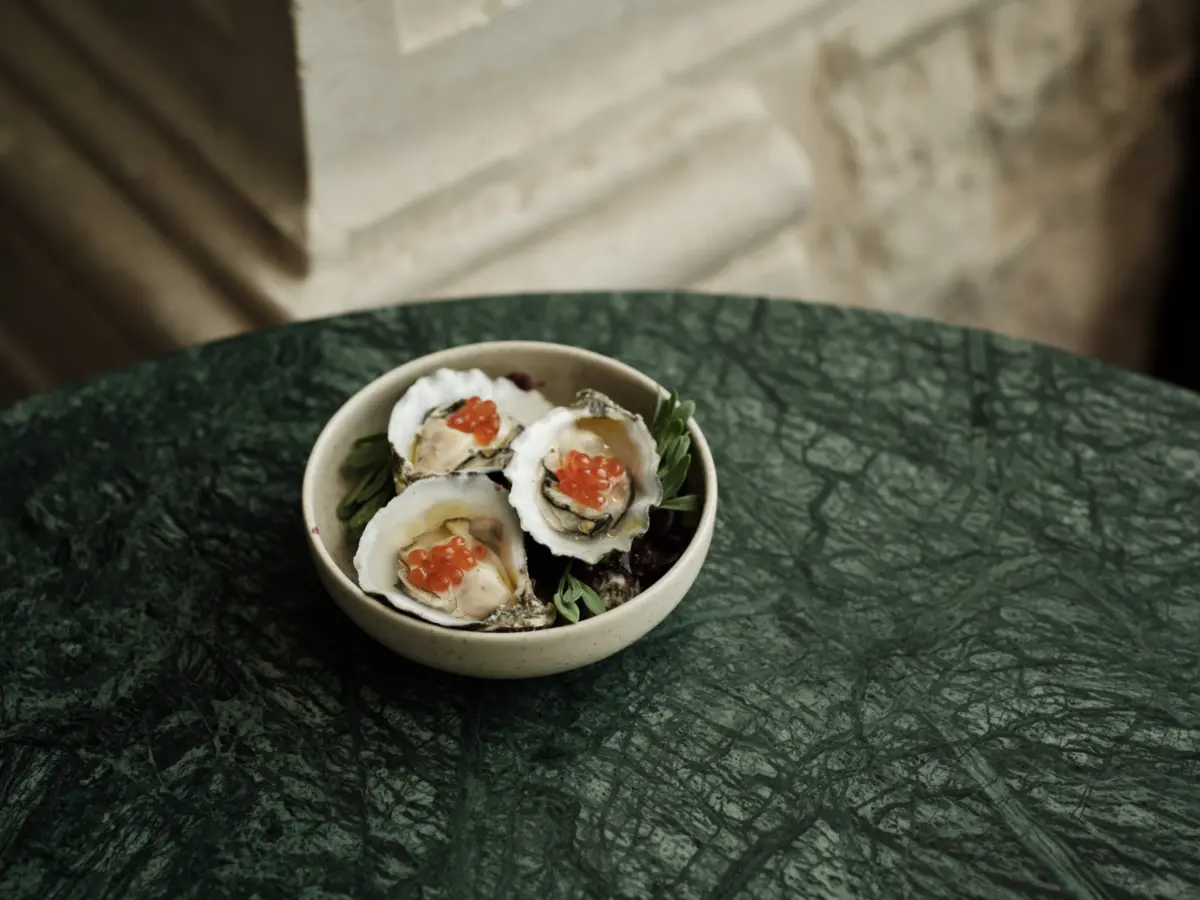
Chef Nuno Mendes serves as culinary director for Santa Joana, located within the Locke de Santa Joana hotel inside a former convent near the Marquês de Pombal square. Mendes applies a modern approach to traditional Portuguese ingredients, offering dishes such as grilled Alentejo pork presa with roasted walnut sauce and confit turnips, alongside pan-roasted turbot with seaweed emulsion. The venue features a raw bar serving local oysters and signature cocktails crafted with regional ingredients.
Henrique Sá Pessoa
After more than a decade at Alma, chef Henrique Sá Pessoa launched a more personal dining project bearing his own name. The interior features gradient blue walls reflecting the Atlantic Ocean, while the menu moves away from formal tasting structures in favor of smaller plates. These dishes offer contemporary reinterpretations of classic Portuguese recipes centered on high-quality local produce.

Tasca Pete
Peter Templeton established Tasca Pete in the Penha de França neighborhood, converting a former tasca into an intimate 18-seat dining room. The weekly menu is handwritten on paper, reflecting the pricing and spirit of historic Portuguese taverns with dishes such as steak tartare, cured snapper with radish, and confit beetroot with chestnut puree. The interior preserves original design elements, including a sign crafted from a vintage coffee advertisement.
JNcQUOI Fish
Building upon the upscale dining philosophy of its parent group, JNcQUOI Fish focuses on Atlantic seafood under the direction of chefs António Bóia and Filipe Carvalho. The menu highlights raw preparations such as tuna tartare with poached egg and sliced fish with ginger and caviar, alongside whole catches grilled to order. The restaurant also houses JNcQUOI Table, an exclusive omakase counter seating up to ten guests.

Pigmeu
Located in Campo de Ourique, Pigmeu operates as a nose-to-tail pork specialty restaurant. Chef Miguel Azevedo Peres and his team incorporate pork across the menu, producing house charcuterie made from meat and skin, pork fat-infused butter, pork-filled bifana sandwiches, and savory puddings within a relaxed tavern atmosphere.
Plano Restaurante
Housed within a 19th-century building in the Graça neighborhood, Plano offers a dual dining experience. While indoor service takes place in an airy minimalist room, the summer months feature outdoor dining in an intimate poolside garden. Chef Vitor Adão utilizes a charcoal grill beneath the estate’s orange trees to prepare a seasonal tasting menu that changes frequently.

Copo Largo
Situated near Largo do Rato, Copo Largo channels the atmosphere of an old-school tavern with an Alentejo-inspired chalkboard menu. Dishes designed for sharing include steamed sea bass rissoles, roasted cuttlefish with vinegar, and shrimp xerém. The beverage program features regional wines stored in a cabinet serving as an on-floor cellar, complemented by interior artwork created by owner and host Filipe Ramalho.
Red Frog Speakeasy
As a pioneer in Portugal’s modern cocktail scene, Red Frog operates a Prohibition-style speakeasy utilizing advanced techniques including centrifuges, rotovaps, and sous-vide equipment. The anniversary menu features drinks combining regional ingredients like Algarve carob with lacto-fermented pineapple and tequila, paired with a concise selection of bar snacks.

Ciclo
Chef José Maria Neves and maître d’ Cláudia Abreu da Silva established Ciclo in the Mouraria neighborhood following international culinary careers. The restaurant centers its philosophy on seasonality and comprehensive ingredient utilization, featuring an eight-course tasting menu that highlights lesser-known cuts and discarded vegetable elements.
Gambrinus
Operating since 1936, Gambrinus remains a Lisbon institution renowned for classic preparations like seafood rice, kidneys in Madeira wine, and tableside crepes suzette. The restaurant retains its 1964 interior design by architect Maurício de Vasconcelos, featuring wood-paneled walls and crystal chandeliers. A prominent front counter serves traditional croquettes, prego sandwiches, and rotating daily specialties such as partridge pie on Mondays and salt cod on Fridays.

Bar Alimentar
Chef João Magalhães Correia collaborates with the team behind Bar Imprensa to operate Bar Alimentar, a gastrobar with Italian influences. The menu emphasizes small, shareable plates featuring fresh seafood, seasonal vegetables, and pasta preparations such as mussels in guazzetto and dried fig ravioli. A curated list of natural wines accompanies the food program.
Tasca Baldracca
Located in Mouraria, Tasca Baldracca represents a modern wave of tascas updating traditional neighborhood dining. The casual environment features sharing plates executed with refined techniques, including beef tartare, gizzard tempura, roast suckling pig, and a house fried chicken dish topped with Caesar dressing and parmesan.

Quattro Teste
Bartenders Alf del Portillo and Marta Premoli operate Quattro Teste, a cocktail bar influenced by their Basque and Italian backgrounds. The venue utilizes technological equipment to craft conceptual drinks, including a refined interpretation of the Basque kalimotxo with lacto-fermented raspberry, along with pesto margaritas and seasonal aperitivos.
O Velho Eurico
Positioned along the route to São Jorge Castle, O Velho Eurico functions as a popular destination for traditional Portuguese fare served on a tree-shaded terrace. Young chef Zé Paulo Rocha leads the daily-changing menu, preparing dishes such as octopus carolino rice, pig head with white beans, and beer caramel bread pudding.

Zunzum Gastrobar
Chef Marlene Vieira operates Zunzum near the Lisbon Cruise Terminal, offering contemporary Portuguese sharing plates within an industrial dining space overlooking the Tagus River. Key dishes include Algarve pink prawns with seaweed and lemon butter, duck magret with oven-baked rice, and charcoal-grilled octopus, alongside a house interpretation of the Porto-style francesinha sandwich.
As Bifanas do Afonso
Specializing in the quintessential Lisbon street food, As Bifanas do Afonso serves fried pork shank sandwiches on crusty bread rolls, enhanced with mustard or piri piri sauce. Operating for over four decades on Rua da Madalena, the compact venue has established a reputation for maintaining traditional preparation methods utilizing pork fat.

Ofício
Located in Chiado, Ofício styles itself as an "atypical tasco," blending the lively atmosphere of a traditional tavern with a contemporary kitchen. Chef Maurício Varella prepares comfort-focused dishes that include rustic chickpea stew alongside charcoal-grilled baby chicken.
Juliana Penteado Pastry
Pastry chef Juliana Penteado operates a patisserie on Calçada da Estrela, combining French pastry techniques with local ingredients and global flavor profiles. Utilizing organic culinary essential oils, the shop produces items such as pineapple choux with kaffir lime, caramel millefeuille with tangerines, and buttery herb-infused cookies.

Alcôa Conventual Sweets
Situated in Chiado, Alcôa features a pastry window displaying confections based on centuries-old recipes developed by Cistercian monks in Alcobaça. The selection includes traditional eggy tarts, queijinhos do céu, ovos do paraíso, and specialty cornucópias formed from sugar, lard, toast, slivered almonds, and egg yolks.
Prado
Located in the downtown Sé district, Prado features a minimalist interior designed by chef António Galapito. The kitchen focuses on micro-seasonal, organic ingredients sourced from Portuguese producers, offering a daily-changing sharing menu accompanied by low-intervention natural wines.

Alpendre
Chef Hugo Brito directs the kitchen at the revived Alpendre near Lisbon Cathedral, focusing on classic city dishes. The handwritten façade menu includes cod fritters, peas with poached eggs, salt cod with crushed roasted potatoes, and traditional flan scented with orange blossom, marking the return of a historic neighborhood venue.
Belcanto
Chef José Avillez operates Belcanto in Chiado, holding two Michelin stars as one of the city’s most prominent fine-dining destinations. The restaurant presents modern Portuguese cuisine à la carte and through tasting menus, featuring dishes inspired by the chef’s childhood memories alongside preparations of suckling pig and hake with cured egg yolk and truffle.

Sálá de João Sá
Chef João Sá manages Sálá in the downtown district, offering a relaxed environment paired with contemporary tasting menus that blend Portuguese culinary heritage with international spices. Offerings include asparagus with matcha and pistachio, eel with caldeirada sauce, and a Goan-inspired spider crab curry with harissa.
Familjen
Swedish chef Peter Nyström operates Familjen in Madragoa, offering a sharing menu characterized by bold flavors and spice profiles. The concise menu focuses on product contrasts and includes a recurring beef tartare served with horseradish cream, suya butter, and homemade roti.

Ryoshi
Chef Lucas Azevedo directs Ryoshi, focusing on a traditional approach to Japanese cuisine. The menu features items such as onigiri chazuke, horse mackerel tartare with fried tofu, chicken wing gyoza, and a veal tongue katsu sando.
Parra Wine Bistro
Created by Artur Emashev, Parra functions as a neighborhood wine bistro featuring a daily-changing menu of modern bistronomy dishes. Set in a green marble-accented space, the establishment emphasizes natural wines by the glass paired with items like blood sausage toast and fresh shellfish.

Lupita
Duda Ferreira operates Lupita, producing naturally leavened Neapolitan-style pizzas within the city. The menu features creative toppings such as anchovies with caramelized onion, zucchini with burrata, and a modernized pineapple pizza topped with pickled red onion, bacon, and pineapple.
Barbela C.P.M.
Chef Leandro Carreira directs Barbela Companhia de Peixe e Marisco, focusing on seafood preparation through aging and fermentation techniques designed to alter texture and deepen flavor profiles. The menu is divided between raw and cooked courses, while the venue also houses a cocktail bar led by bartender Lula Mascella.

Jorge D’Amália
Operating in Ajuda, Jorge D’Amália is a small tasca managed by Dona Maria José and her husband. The venue specializes in the traditional bitoque—a fried steak served with fries, a fried egg, and a garlicky pan sauce—alongside tavern staples like pica-pau and braised chicken gizzards.
Canalha
Chef João Rodrigues operates Canalha as a neighborhood restaurant featuring a marble counter, leather seating, and a menu centered on Iberian charcuterie, fresh seafood, and traditional dishes like bitoque and leite creme.

Nunes Real Marisqueira
Miguel and Vanda Nunes operate Nunes Real Marisqueira, serving coastal Portuguese seafood within an Art Deco-designed interior featuring stylized sea creatures and lobster-red mosaic glass. Offerings include stuffed spider-crab shells, percebes, and clams prepared with white wine, garlic, and cilantro.
Feitoria
Located in Belém, the Michelin-starred Feitoria is led by chef André Cruz, who utilizes high-level techniques to showcase ingredients sourced from small Portuguese producers. Set against views of the Tagus River, the restaurant offers dishes such as cod with potato and mushroom, a coastal seafood stew, and traditional Alentejo sericaia with herb ice cream.