
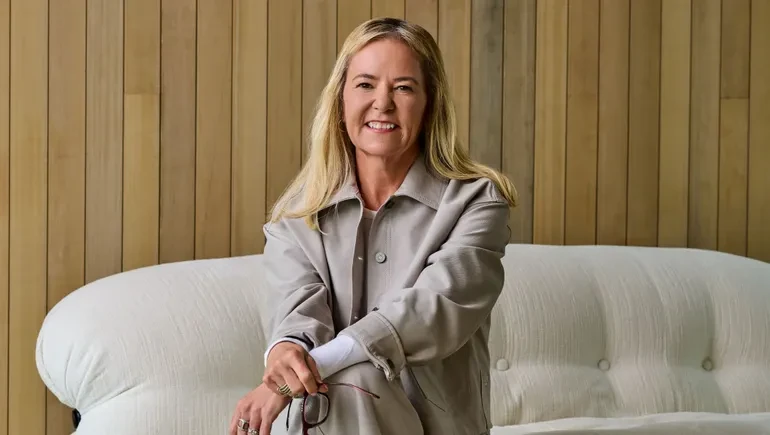
Thursday marks exactly one month since Heidi O’Neill officially stepped into her role as the chief executive officer of Lululemon, bringing an end to an extended period of anticipation that began when her appointment was first announced back in April. Observers, investors, and retail industry analysts have spent the intervening weeks closely watching for the veteran executive’s opening maneuvers as she takes the helm of the premium athletic apparel giant.
On Wednesday, the company finally pulled back the curtain on its first definitive strategic strike aimed at rescuing a slowing Lululemon business from its recent downward trajectory. The core of this announcement centers on a comprehensive and evolved leadership structure designed to sharpen the company’s focus on product innovation, elevate the distinct brand experience that consumers expect, and drive crucial operational improvements across all channels.
"Lululemon is a rare, extraordinary brand, but we have work to do to build a stronger and more competitive company," O’Neill said in a statement released by the company. "We are establishing a deeply experienced leadership team that will work in a more coordinated manner, aligned around the strategy and execution that delivers the most impact for our guests, our communities, and our business. That starts with putting product, design, and innovation at the center of how we operate, with the focus and accountability to create a stronger pipeline of differentiated product to raise the bar for our guests across every touchpoint, in stores and online."
This sweeping reorganization comes at a critical juncture for the athleisure pioneer. Lululemon has struggled for many months with product lines that have failed to fully resonate with shoppers, leading to a noticeable slowdown in sales and widespread discussions regarding the brand’s creative direction. By overhauling the executive framework, O’Neill is signaling a decisive break from the operational friction that has weighed down the company’s recent performance.
A blend of fresh talent and familiar leadership faces will populate Lululemon’s newly configured C-suite. Notably, Chief Financial Officer Meghan Frank and Chief Commercial Officer André Maestrini—who successfully guided the company through a turbulent interim period as co-CEOs following the departure of former chief executive Calvin McDonald in January—will remain firmly in their current positions. Furthermore, Frank’s responsibilities will temporarily expand to include the oversight of key brand and technology functions until permanent leaders are officially named for those specific departments.
Other key members of the executive team will also maintain their current posts. Shannon Higginson continues to serve as the company’s chief legal and compliance officer, while Susan Gelinas remains deeply embedded in her role as the chief people and culture officer, guiding talent development and corporate culture during this period of significant internal transformation.
A central pillar of the newly established corporate structure is the elevation of design to the very center of the enterprise. This vital area will fall under the direct purview of Lululemon’s new product chief and president. The incoming executive, who previously spent a little over a year serving as the CEO of Athleta, shares a deep professional lineage with O’Neill as a long-term veteran of athletic footwear and apparel titan Nike. In her new capacity at Lululemon, she will take comprehensive oversight of the company’s merchandising and design teams, alongside critical growth categories including footwear, product innovation, and advanced materials science.
"This new structure is designed to enable greater focus and speed from product vision through execution while raising the bar for product excellence, technical innovation, and differentiated value for guests," the company stated in its official press release detailing the leadership shifts.
This directive represents an urgent and essential operational shift for Lululemon. For much of the past year, the athleisure titan has faced mounting criticism and declining momentum due to product lines that did not hit the mark with discerning consumers, highlighting a critical need for revitalized creative vision and streamlined execution.
Complementing the design-focused leadership changes, the company has also named a new chief operating officer. In this role, the executive will take charge of global sourcing, production, commercialization, the go-to-market strategy, fulfillment operations, and various other supply chain functions. Bringing extensive industry experience gained across major retail heavyweights like Walmart and Sam’s Club, alongside a formative 15-year tenure holding diverse leadership roles at Adidas, the new COO will face the primary task of strengthening product quality, ensuring seamless execution across the entire business ecosystem, and dramatically improving speed-to-market.
Despite the sweeping nature of Wednesday’s announcements, several vital positions within the corporate hierarchy remain vacant and are yet to be filled. These include three prominent roles on the senior leadership team, as well as a chief strategy officer position that will report directly to CFO Meghan Frank.
Among the critical vacancies yet to be permanently filled is the role of chief brand officer. Once appointed, this executive will assume control over all brand marketing initiatives, creative direction, community engagement strategies, and the physical in-store consumer experience. Additionally, the corporate communications chief will now be elevated to a position within the senior leadership team, taking charge of all global communications functions to ensure cohesive messaging. Finally, the company’s next chief technology officer will step into a pivotal role responsible for overseeing product and supply chain technology infrastructure, which will heavily encompass modern priorities such as robust cybersecurity frameworks and the strategic, enterprise-wide integration of artificial intelligence tools.