

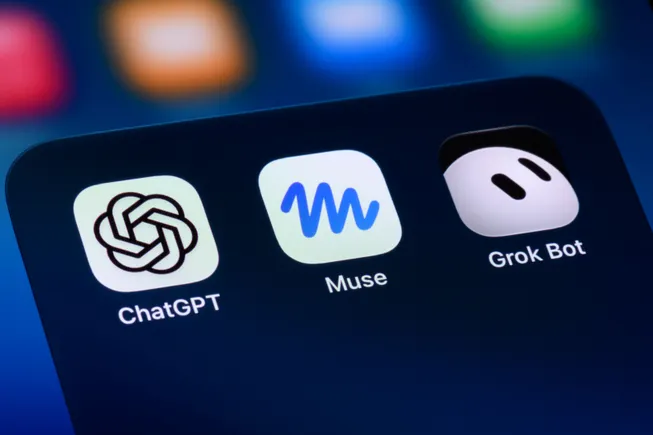
Tech giant Meta is continuing to broaden the reach of its artificial intelligence ecosystem by rolling out its Muse AI agent to small businesses. The move comes shortly after the company initially introduced the personal version of the tool to everyday users in the United States and Canada last month.
While the consumer-facing version of Muse was designed to assist individuals with daily administrative and lifestyle tasks—ranging from filling out complex forms and sending emails to booking travel arrangements and converting culinary recipes into organized grocery lists—the newly announced enterprise iteration is tailored to help small business owners manage their everyday operational workloads. According to a company blog post published on September 8, the business-focused tool is built to integrate smoothly with the existing services and software platforms that smaller enterprises already rely on to run their daily operations.
To address common security and oversight concerns among business owners, Meta has built specific administrative safeguards into the platform. Small businesses utilizing the agent can mandate human approval checkpoints before Muse is permitted to execute financial transactions, make purchases, or publish information publicly on behalf of the company.
Furthermore, as the AI agent begins to transact directly on behalf of small businesses, Meta has outlined specific privacy and financial security protocols. A company spokesperson explained via email that when Muse conducts transactions, it utilizes single-use card numbers specifically generated for new merchants. The system is designed so that it does not collect or retain underlying password or payment credentials, nor does it share virtual machine data with Meta’s broader advertising systems.
Despite these security assurances, the rollout of the Muse platform has already encountered significant friction within the broader retail and technology landscape. As artificial intelligence agents become increasingly autonomous and capable of navigating the web on behalf of users, tensions between AI developers and major e-commerce platforms have intensified.
Just last week, retail giant Amazon formally requested that Meta remove its e-commerce website entirely from the Muse platform. According to Amazon, the company did not grant consent to be integrated into or made accessible via the Muse shopping and transaction ecosystem.
This friction highlights an ongoing, broader legal and strategic battle over autonomous shopping agents and platform access. Amazon’s resistance to Meta’s Muse follows a similar high-profile dispute involving AI startup Perplexity. Last year, Amazon took legal action against Perplexity after the company’s AI agent utilized Amazon’s platform to autonomously execute purchases for consumers.

That legal confrontation remains ongoing in federal court, with both companies actively battling over the boundaries of automated web navigation and platform terms of service. However, the litigation recently saw a notable development when a U.S. appeals court overturned a temporary injunction that had previously prohibited Perplexity from making purchases on Amazon’s platform, signaling complex legal questions ahead regarding AI agents operating across third-party websites.
As Meta pushes forward with bringing Muse to the small business sector, the broader tech and retail industries are closely watching how these conflicts between AI platforms and major e-commerce gatekeepers will evolve, setting the stage for ongoing debates over digital consent, automated commerce, and platform control.