
For millions of workers who spent years mastering the rhythm of remote employment, the transition back to corporate offices has introduced an unexpected daily challenge: figuring out what to eat for lunch. While the corporate mandate for four-day in-office weeks has revitalized downtown centers and restored face-to-face collaboration, it has also dealt a sharp blow to personal budgets. Faced with the daunting task of morning meal preparation, many returning workers find themselves buying lunch every day—a habit that is quickly burning a hole in their wallets.
This widespread culinary dilemma is the focus of Dear Bon Appétit, an advice column that pairs readers with hand-picked recipes and seasoned guidance. Recently, a commuter who identified as "Back to Office" wrote into the column for help. After years of working from home, the reader admitted to feeling entirely overwhelmed by the logistics of packing a midday meal, resulting in daily restaurant purchases that have proven unsustainable. Seeking low-fuss, low-effort, and high-protein solutions that can be prepared in advance, the commuter highlighted a modern struggle shared by countless professionals making the trek back to their cubicles.
In response, food writers and culinary experts are validating these feelings of overwhelm, noting that the morning rush can indeed make packing a lunch feel like an insurmountable hurdle. While previous eras of office life might have encouraged spending weekends simmering large pots of artisanal soup, freezing portions in glass jars, and toting them to work, the reality of modern commuting often calls for a more pragmatic approach. Today’s return-to-office culture requires finding a sensible middle ground between expensive daily takeout and overly ambitious meal-prep projects. This approach relies on strategic advance preparation, smart utilization of store-bought convenience items, and a healthy dose of culinary realism.
The Rise of Convenient Pantry Staples and Stash Solutions
For days when even basic assembly feels like too much work, experts suggest leaning on reliable pantry staples. Canned soup, once perhaps overlooked by culinary purists, has emerged as a surprisingly viable desk-side hero for the office kitchenette. Modern canned options boast impressive shelf lives, meaning a few cans can remain tucked away in a desk drawer until a hectic morning leaves an employee without time to pack.
While slow-simmered recipes like lemony red lentil soup or chipotle-cocoa chili were once weekend staples for dedicated home cooks, the current climate favors convenience without sacrificing substance. Keeping a supply of hearty, protein-rich canned soups—such as organic lentil vegetable varieties—on hand ensures that unexpected schedule disruptions do not automatically result in costly restaurant bills or skipped meals. It is a humble strategy, but one that acknowledges the practical realities of a demanding work week.
Elevated Spreads: The Versatility of So-Called Salads
Moving beyond emergency pantry items, the middle ground of office lunch preparation often begins with classic mixed spreads. Traditional favorites like egg salad and chicken salad, alongside plant-based alternatives centered on chickpeas, serve as heavy hitters for the midday meal because they can be easily prepared in large batches over the weekend. On the morning of the workday, or even the night before, the process requires little more than mere assembly.

Transforming these mixtures into a complete lunch can take several forms. Packing a container with sturdy lettuce cups, such as Little Gems, or pairing the spreads with seedy crackers offers a light yet satisfying option. Alternatively, spooning the mixture between slices of multi-grain bread with crisp romaine or iceberg lettuce—and perhaps a slice of cheddar or pepper Jack cheese—creates a classic, portable sandwich.
Simplicity remains the key to revitalizing old favorites. A basic egg salad, for instance, requires little more than mayonnaise and a touch of mustard, but can be elevated significantly with the addition of scallions, where the whites provide sharp onion flavor and the greens act like fresh herbs, alongside a dash of hot sauce for unexpected zip. For those seeking even faster preparation, pre-boiled eggs remove the initial cooking barrier entirely.
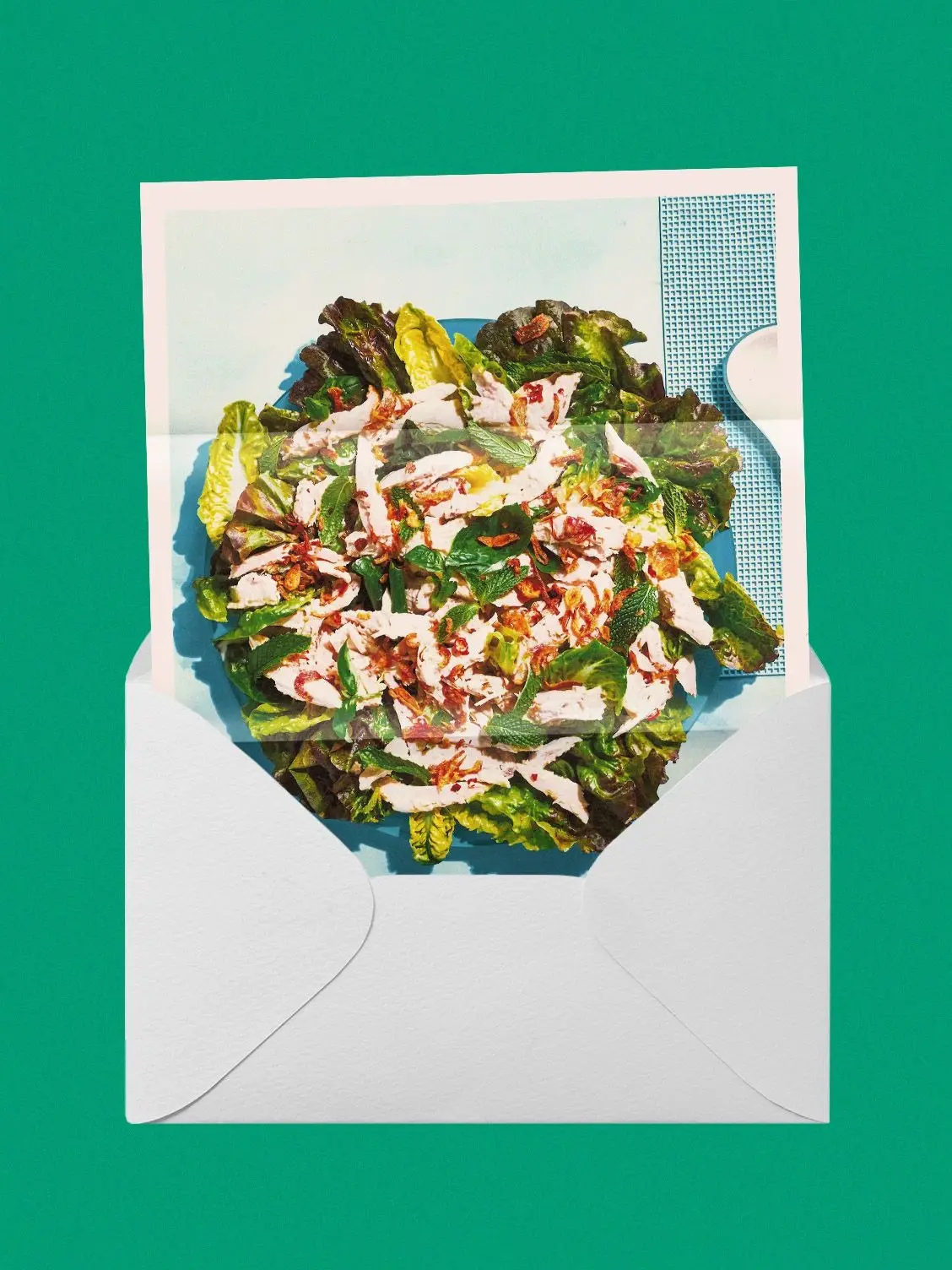
Chicken salad recipes, ranging from red curry variations to bright, herbaceous interpretations featuring Vietnamese-style dipping sauces, benefit enormously from the ubiquity of store-bought rotisserie birds. With grocery stores increasingly offering pre-shredded chicken to save time, assembling these protein-packed salads requires minimal effort. Texture can be easily enhanced by topping the dishes with store-bought fried onions for an added crunch.
Similarly, smashed chickpea salads offer a flexible, plant-based template that bends to whatever ingredients happen to be lingering in the refrigerator. Starting with a standard can of beans, a satisfying lunch can be quickly built using mayonnaise, pepperoncini, capers, and minced celery and onion, creating a hearty and nutritious alternative to traditional meat-based spreads.
Assembling Fresh Salads Without the Soggy Result
For workers who crave the vibrant energy of a midday meal reminiscent of popular salad chains, assembling a large, textured salad can provide a genuine psychological boost during a busy workday. The key to successful office salad preparation lies in achieving a rainbow of textures—crispy, crunchy, chewy, juicy, and fibrous—without succumbing to the dreaded fate of a soggy lunch.
The secret weapon for commuter salads is component storage. Recipes like a green goddess harvest salad, which features roasted tofu, sweet potatoes, ruffly kale, and a powerfully herby dressing, thrive when the various elements are stored in separate containers throughout the week. On the morning of the workday, the commuter can act as their own salad bar attendant, combining the ingredients just before eating to maintain optimal freshness.

Wholesome options like super seedy kale salads offer another reliable path forward. These nutrient-dense dishes easily welcome a protein topper—such as leftover chicken, salmon, or beans—though they are substantial enough to stand on their own. Salads anchored by inventive dressings, such as those made with almond butter, consistently receive high praise from commuters for their ability to remain delicious and satisfying days after initial preparation.
Similarly, spiced lentil and carrot salads draw inspiration from Mediterranean and French culinary traditions, utilizing shredded carrots and nubby lentils that actually improve over time. As these ingredients sit in the refrigerator, they absorb the bright flavors of an apple cider vinaigrette, becoming increasingly flavorful. Finishing the dish with a dollop of Greek yogurt or shards of feta cheese just before consumption rounds out a balanced, protein-rich meal that requires virtually no morning-of cooking.
Reimagining Dinner Leftovers
Perhaps the most practical, if less glamorous, approach to office lunch preparation involves the intelligent recycling of dinner leftovers. While some households embrace yesterday’s dinner with enthusiasm, others view the prospect with reluctance. For those who fall into the latter category, the secret lies in transformation rather than repetition.
Leftover meals do not need to be consumed in their original format. For instance, roasted cauliflower salad with feta and dates can easily find new life tucked inside a pita pocket with a smear of Greek yogurt or store-bought hummus. Spicy minced meat dishes like Pad Kra Pao can be tossed with instant noodles and topped with fresh cucumber slices for a completely different flavor experience. Even glazed salmon dishes can be repurposed: by mashing the leftover fish with mayonnaise and a splash of rice vinegar, it transforms into a savory spread that pairs wonderfully with crackers and crunchy raw vegetables.
As professionals continue to navigate the ongoing shift back to four-day in-office schedules, the search for sustainable, affordable, and satisfying midday meals remains an evolving journey. By blending strategic advance preparation with smart convenience products and creative leftover makeovers, returning commuters can reclaim control of their lunch hours and protect their finances from the daily takeout drain.