
As the frequency and intensity of extreme weather events continue to escalate globally, communities find themselves increasingly vulnerable not only to physical devastation, but also to a secondary crisis: the rapid proliferation of misinformation. When severe storms, floods, heatwaves, and wildfires strike, the breakdown of standard communication channels creates an informational vacuum. Telecom lines go down, local infrastructure fails, and anxious residents turn to digital platforms for real-time updates. In this chaotic environment, rumors swirl unchecked on social media, amplifying public panic and bringing people’s deepest fears and frustrations to the surface.
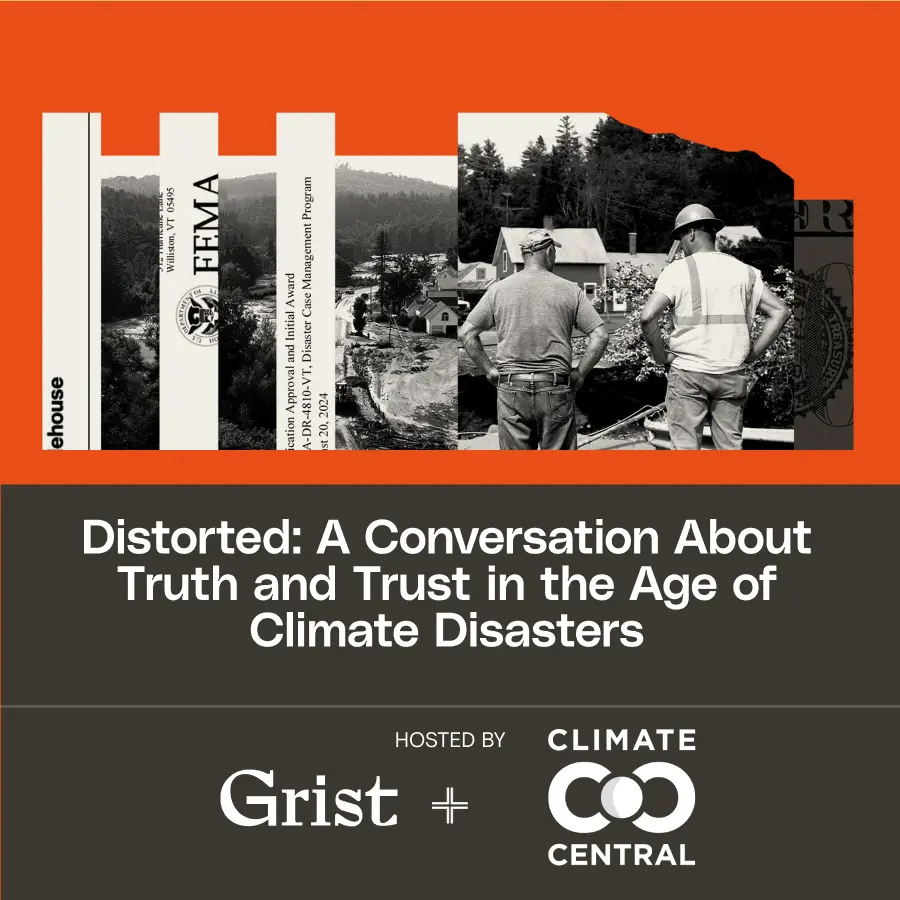
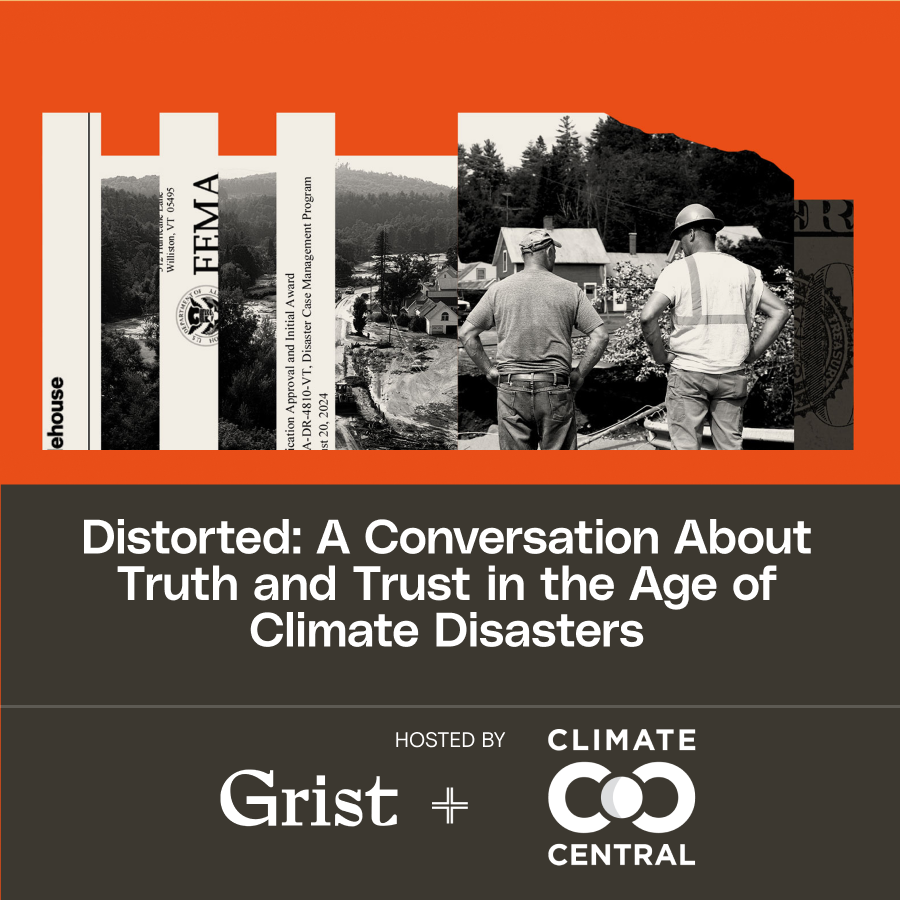
Recognizing the urgent need to address how information flows during climate-related crises, Grist and Climate Central have announced a collaborative virtual conversation. The upcoming event will bring together a panel of experienced meteorologists, professional journalists, and specialized researchers to examine how society can communicate more accurately, thoughtfully, and responsibly before, during, and after extreme weather events occur.
The virtual panel is designed to tackle the multifaceted challenges of disaster communication head-on. Organizers plan to address questions from the public while providing practical tips for everyday conversations. Whether these discussions take place publicly or privately, online through social networks, or offline in local neighborhoods, the event aims to equip attendees with the tools necessary to counter false narratives and share reliable, science-based information when it matters most.
The event is scheduled to take place virtually on October 28 at 1 p.m. Eastern Time. Individuals interested in participating can secure their spot by registering online through the official Climate Central Zoom webinar registration portal.
The intersection of extreme weather and digital misinformation has become a pressing area of study for researchers and media professionals alike. In the chaotic aftermath of a natural disaster, accurate information is quite literally a lifeline. Emergency responders, utility workers, and local government officials rely on clear channels to direct resources and save lives. However, malicious actors, automated bots, and well-meaning citizens alike can inadvertently share unverified reports, outdated footage, or conspiracy theories. These falsehoods can hinder emergency response efforts, misallocate scarce resources, and erode public trust in authoritative scientific and journalistic institutions.
Meteorologists and weather forecasters often find themselves on the front lines of this battle. Beyond tracking atmospheric conditions and predicting storm paths, modern meteorologists must navigate how their forecasts are interpreted, shared, and sometimes distorted across various digital platforms. Similarly, journalists face mounting pressure to report breaking news rapidly while maintaining rigorous fact-checking standards in fast-moving, high-stress scenarios. Researchers studying information ecosystems continue to analyze how fear and anger drive the viral spread of inaccurate weather narratives, seeking ways to build greater societal resilience against manipulation.
By convening experts from meteorology, journalism, and research, the upcoming conversation hosted by Grist and Climate Central will provide a comprehensive look at how information moves through communities under stress. Attendees will gain valuable insights into the psychological factors that make people susceptible to misinformation during crises, as well as best practices for verifying sources before hitting the share button.
This virtual event forms part of a broader ongoing dialogue regarding climate resilience, public communication, and the infrastructure needed to support communities facing an uncertain environmental future. As extreme weather events test the limits of physical infrastructure, they simultaneously test the strength of our shared informational reality. Ensuring that accurate, thoughtful, and compassionate communication prevails before, during, and after a storm is an essential component of comprehensive climate adaptation.