
For restaurateurs opening a new concept, the standard playbook often leans toward maximum accommodation. Particularly in regions known for a welcoming, gentle demeanor, the instinct is to bend over backward to please every diner who walks through the door. But as independent dining operators grapple with tight margins, tiny kitchens, and a rising tide of customization culture, a growing number of chefs and owners are deciding they have had enough.
Across the country, restaurants specializing in distinct regional cuisines are standing their ground against relentless requests for menu modifications, substitutions, and de-spicification. By implementing firm boundaries and clarifying that altering foundational ingredients strips a dish of its cultural identity, these establishments are choosing culinary integrity over universal appeasement—and finding that, for the most part, diners are willing to respect the line.
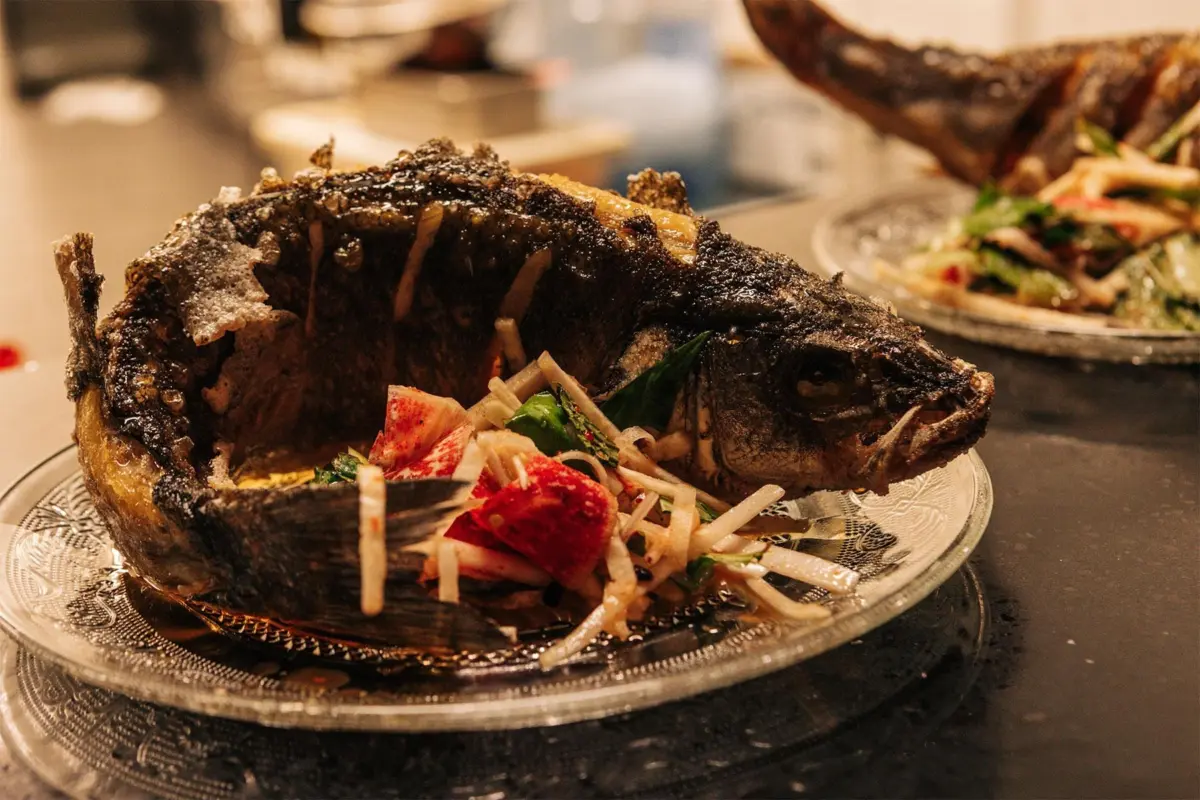
When Chanita Chayaluk set out to open Taan, her restaurant and wine bar in Chicago, her primary ambition was clear: she wanted to showcase Thai food in a different light. Reflecting on the local culinary landscape, she points out that the first wave of Thai immigration to Chicago occurred in the 1970s, leaving behind a persistent impression that the city’s Thai food should still taste like it belongs to that era. To counter this, she launched Taan with a sophisticated menu featuring items like miang, a traditional Northern Thai dish prepared with fermented tea leaves, and a whole, deep-fried fish smothered in a rich fish-sauce caramel.
Yet, operating a new restaurant in Chicago quickly brought to light a distinct local hurdle. According to Chayaluk, the enduring spirit of "Midwest nice" means that operators constantly feel pressured to overaccommodate and appease the masses. During the early days of service at Taan, guests made frequent requests for substitutions and dietary modifications.
These adjustments quickly began to take a toll. Chayaluk notes that the endless stream of tweaks would slow down kitchen operations and service speed, negatively impacting not just the back-of-house staff, but the overall guest experience. Operating with a small kitchen and a lean staff made it difficult to keep up with the bespoke demands. At times, the atmosphere felt less like an independent culinary destination and more like a mass-market fast-casual assembly line. The breaking point arrived when a diner placed an order for green curry mussels, but requested the dish "without the mussels."
Faced with the erosion of her kitchen’s workflow and the dilution of her culinary vision, Chayaluk implemented a strict substitution policy at Taan. She took to Instagram to spell out the reality of the restaurant’s cuisine, explaining that foundational ingredients like fish sauce and shrimp paste are the very fabric that defines their food and therefore could not be removed from dishes that inherently include them.
This tension is part of a broader, mounting clash within the modern dining industry. A decade or so ago, asking for menu substitutions was widely frowned upon and frequently derided as bad manners. In recent years, however, operators report that substitution culture has bubbled back up in full force, driven by a convergence of cultural and economic factors.
A major catalyst has been the rise of fast-casual "slop bowl" spots, which have successfully primed customers to expect an extraordinarily detailed level of customization with every order. Compounding this shift is the influence of philosophies like the one popularized by Unreasonable Hospitality, which pushed an intensified version of the "customer is always right" mentality.
Furthermore, the rise of food influencers entering the restaurant review space has transformed everyday dining into potential content, making any friction—including a restaurant’s refusal to honor a specific dietary preference—ripe for an immediate, viral takedown. Couple all of those pressures with the brutal economic reality that keeping an independent restaurant afloat is harder than ever, and it is easy to see why many operators have simply given in to specific requests or altered their menus entirely, contributing to what some observers have dubbed the great de-spicification of menus nationwide.
Amid this landscape, Taan is far from alone. In New York City, Ha’s Snack Bar proudly announces in its Instagram bio that everything on its menu contains fish sauce, signaling its refusal to pander to modification requests.
A similar dynamic unfolded at Lom Wong in Phoenix, Arizona, where chef and co-owner Alex Martin and chef Yotaka “Sunny” Martin saw an immediate spike in substitution and modification requests after receiving a wave of national attention. Last year, Sunny Martin was recognized by the James Beard Awards, and in August, the restaurant earned a prestigious Michelin Bib Gourmand.
According to Alex Martin, the accolades brought a flood of new guests who were more inclined to pick things apart. Diners began asking the kitchen to modify dishes or expressing confusion over the restaurant’s service style, questioning why dishes were not being coursed out in a traditional European fashion.
Alex Martin points to a prevailing European distinction of what an award-winning restaurant is supposed to look like, noting that people frequently equated that recognition with a white-tablecloth establishment. Their response to the public was direct: that is not who Lom Wong has ever been, and it is never what the restaurant will become.
To reset expectations, Lom Wong followed Taan’s lead and took to social media. The restaurant explicitly stated that it would not make substitutions simply to make a dish more familiar to Western palates, and clarified that certain characteristics—such as beef containing gristle or fish arriving whole—are fully intentional choices rooted in culinary tradition.
Alex Martin emphasizes the role of his co-founder and partner, calling Sunny their guiding light of cultural context. When considering whether to alter a dish, the guiding question is always whether the change compromises the dish’s fundamental integrity. While Lom Wong is willing to accommodate certain reasonable tweaks—such as serving a mango salad with the shrimp on the side—they draw a firm line against removing essential components like beef or shrimp paste from recipes that necessitate them.
At Taan, Chayaluk takes a similarly thoughtful yet firm approach. Rather than dismantling the integrity of her signature dishes, she ensures there is always a reliable vegan and gluten-free option available—currently a fried rice dish—that serves as a catchall for guests who cannot consume other items on the menu. She takes care to make that specific dish genuinely good and substantial, ensuring it functions as a complete meal rather than an afterthought or a hollow appetizer.
For the teams at both Taan and Lom Wong, upholding these boundaries is just as much about protecting their staff’s peace and mental well-being as it is about maintaining quality control for the diners. While implementing these policies has inevitably generated some backlash, setting clear expectations at the start of the meal—and preemptively through social media announcements—has largely been met with understanding from the public.
The strategy relies on transparency and a polite redirection. As Alex Martin explains, the way they articulate the policy to guests is by kindly acknowledging that while they respect every diner’s personal preferences, those preferences ultimately belong to the individual. Instead of altering a deeply considered recipe, the staff gently steers guests toward other items on the menu that already align with what they are looking for.