
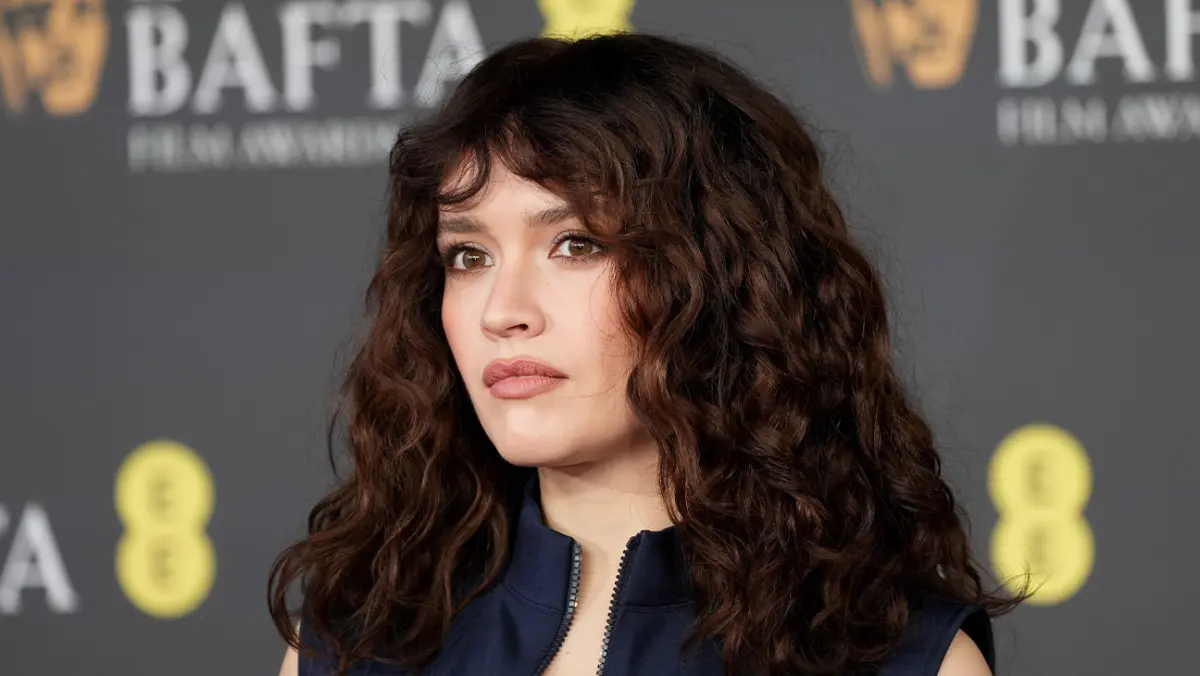
Olivia Cooke is speaking candidly about the darker side of online fame and the specific reasons that led her to take an extended break from social media. The acclaimed actress, who brings complexity to the screen as the controversial Queen Alicent Hightower in HBO’s blockbuster Game of Thrones prequel series House of the Dragon, recently opened up about navigating the intense, deeply passionate, and sometimes toxic corners of modern internet culture.
In a recent conversation with GQ, Cooke discussed the hyper-engaged fanbase that surrounds the fantasy epic. While passionate viewers are a hallmark of high-profile television franchises, the discourse often extends far beyond the events depicted in Westeros. Fans frequently parse every scene, theorize endlessly about character motivations, and at times direct intense scrutiny toward the actors themselves, as well as their professional relationships with directors and crew members.
According to Cooke, however, some of these online interpretations quickly spiral out of control, bearing little to no resemblance to what was actually filmed or intended for the screen. It is this detachment from reality, coupled with darker behavioral trends within online spaces, that ultimately prompted the actress to distance herself from digital platforms entirely.
"I think some of those interpretations just catch fire, and they become something that bears no resemblance to what was shown on the screen at the time," Cooke shared during her interview. She did not mince words regarding the hostile elements sometimes present in these digital communities, pointing directly to underlying prejudices that poison fan interactions. "There’s a lot of ugliness to that fandom as well. It’s steeped in misogyny. There’s a lot of racism. I try to let it take up minimal mental real estate."
The relentless nature of this commentary eventually reached a threshold where it was no longer sustainable or mentally healthy for the performer. The constant influx of polarized opinions, wild speculation, and vitriol created an environment that felt increasingly draining rather than rewarding. This realization played a significant part in her decision to deactivate her social media accounts ahead of the highly anticipated third-season premiere of House of the Dragon.
Stepping back, Cooke realized that the daily habit of scrolling had become a detriment to her well-being. "I was just like, I’m on this too much. It’s not nourishing," she admitted.
For the British actress, the experience highlights a much broader and more troubling shift in how the entertainment industry and public perception operate today. She reflected on the modern pressures placed on performers, noting that the entire framework of contemporary celebrity culture has expanded far beyond the traditional boundaries of acting and storytelling.
"I think the celebri-fied nature of being an actor has now snowballed into this monster," Cooke said, offering a critique of the constant push for digital engagement, personal branding, and online curation. "And I just think we need to get off this train and realise that we make these TV shows and films, yes, for escapism, but also because it’s artful and it’s creative and it’s not for followers or for a brand deal or to get free shit. Even though that is nice sometimes."
Cooke’s candid remarks place her among a growing chorus of performers within the expansive Game of Thrones television universe who have felt compelled to speak out about the psychological toll of digital fame and heavy social media exposure. The pressure cooker of internet fandom is particularly pronounced for stars of multi-season, high-budget fantasy series, where viewership numbers routinely reach into the millions and global audiences invest deeply in fictional political and personal rivalries.
Among those who have previously shared similar struggles is actress Sophie Turner, who famously portrayed Sansa Stark throughout the entirety of the original Game of Thrones run. Turner was thrust into the international spotlight at a remarkably young age, beginning her tenure on the landmark HBO series when she was just 14 years old.
Reflecting on her formative years in the public eye during an interview with Flaunt, Turner noted that social media platforms began gaining massive cultural traction precisely as her career was taking off. That timing meant she experienced a brief window of relative privacy before being forced to adapt to a digital landscape that continuously monitored her every move, professional project, and personal milestone.
"I think social media was just really becoming a big thing after I started on Game of Thrones, so I got a couple of years of peace and quiet and then I had to adjust," Turner explained. The transition, however, proved immensely difficult and left lasting scars on her psychological well-being. "It had such a profound impact on my mental health, like more than I could tell you. It almost destroyed me on numerous occasions."
The parallel experiences of Cooke and Turner underscore a recurring challenge for actors working on massive franchise television. While stepping into legendary fantasy worlds brings unprecedented global visibility and career opportunities, it frequently comes bundled with the modern hazard of unchecked online toxicity. By choosing to step away from social media, Cooke is prioritizing her mental health and refocusing her energy entirely on the creative craft of acting rather than the relentless demands of digital curation.