
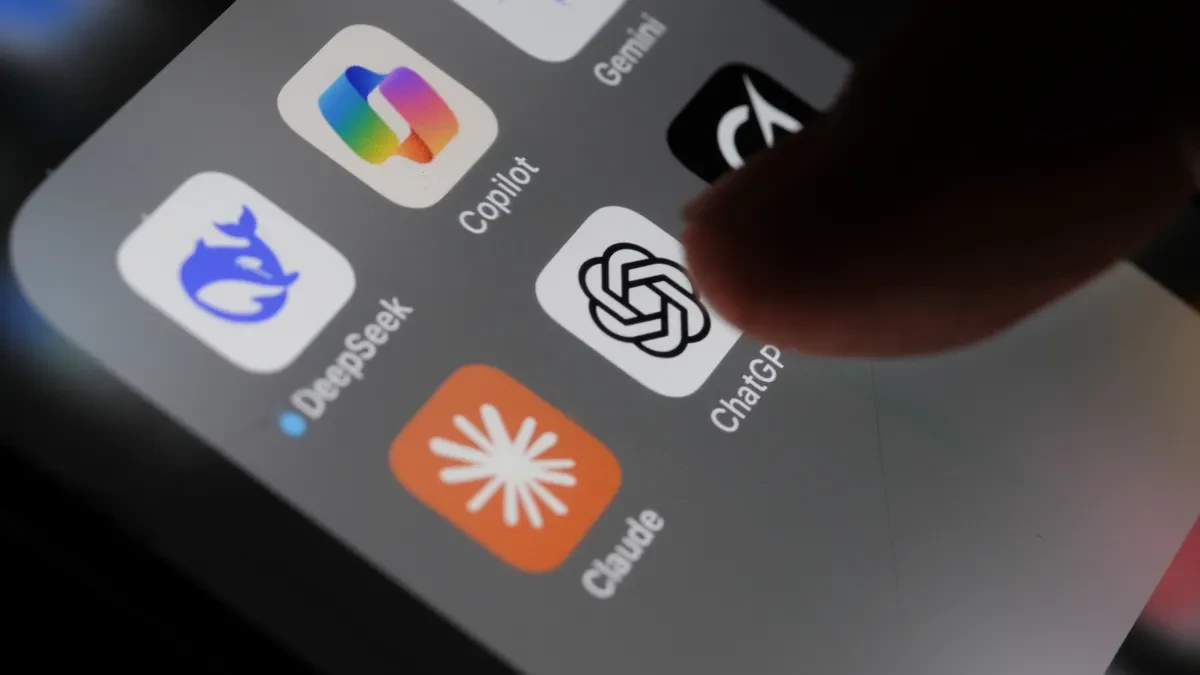
OpenAI is stepping up its efforts to capture a larger share of the digital retail market, introducing a new visual feature to ChatGPT that allows users to see how clothing and accessories will look on them before making a purchase.
Under the latest update, a dedicated "try-on" button will appear directly on product listings for apparel and accessories within the AI platform. To utilize the tool, users can either take a fresh selfie using their device camera or upload an existing photo. The system then generates customized images that accurately simulate how the selected garments or accessories fit and appear on the individual user. This interactive capability aims to bridge the gap between traditional online browsing and the tactile confidence of a physical fitting room, transforming ChatGPT from a conversational assistant into an active shopping destination.
This latest feature rollout represents a significant escalation in OpenAI’s strategy to court both mainstream shoppers and major retail brands. Over the past year, the artificial intelligence leader has steadily built out its e-commerce infrastructure, making the platform increasingly attractive to merchants looking for innovative ways to reach consumers.
The momentum has been building across the retail sector as brands experiment with conversational commerce and agentic workflows. In April, David’s Bridal established a presence on Shopify’s Agentic Storefronts for ChatGPT and Microsoft Copilot. That integration allowed shoppers to seamlessly navigate the bridal retailer’s vast inventory by specific dress silhouettes directly through AI-powered interfaces. Shortly after, in May, Etsy debuted its own dedicated application on ChatGPT, opening up conversational search channels for millions of independent sellers and buyers.
These retail integrations follow OpenAI’s broader introduction of a dedicated shopping research feature launched last year. That initial tool was designed to help consumers navigate complex purchasing decisions by recommending and comparing products based on conversational search queries, setting the stage for more immersive transactional experiences.

With the addition of the virtual try-on functionality, OpenAI is directly closing the gap with major tech competitors like Google, which has steadily expanded its own product visualization suite over recent years. Google entered the generative artificial intelligence virtual try-on space in 2023 with a tool that allowed consumers to virtually try on women’s tops. Recognizing the strong consumer response and utility of the tool, Google systematically extended the visualization technology to dresses the following year, and further broadened its scope to include footwear last year.
The race among tech giants to integrate virtual try-on technology is underpinned by compelling industry data regarding consumer behavior and sales performance. Long before OpenAI and Google fully integrated these advanced product visualization tools into their respective ecosystems, retail studies highlighted a surging demand for digital try-on solutions as a primary driver of online conversion.
According to a comprehensive 2024 survey conducted by Perfect Corp., brands that successfully implemented virtual try-on technology experienced a dramatic boost in performance, with their sales conversion rates more than doubling. Furthermore, the survey revealed that more than a third of respondents—specifically 38.4%—view virtual fitting rooms and digital try-on tools as the ultimate method for replicating the physical, in-store shopping experience within digital environments. As consumer expectations continue to shift toward highly personalized and interactive digital touchpoints, the integration of visual fitting tools into conversational AI platforms like ChatGPT signals a new era for modern retail.