
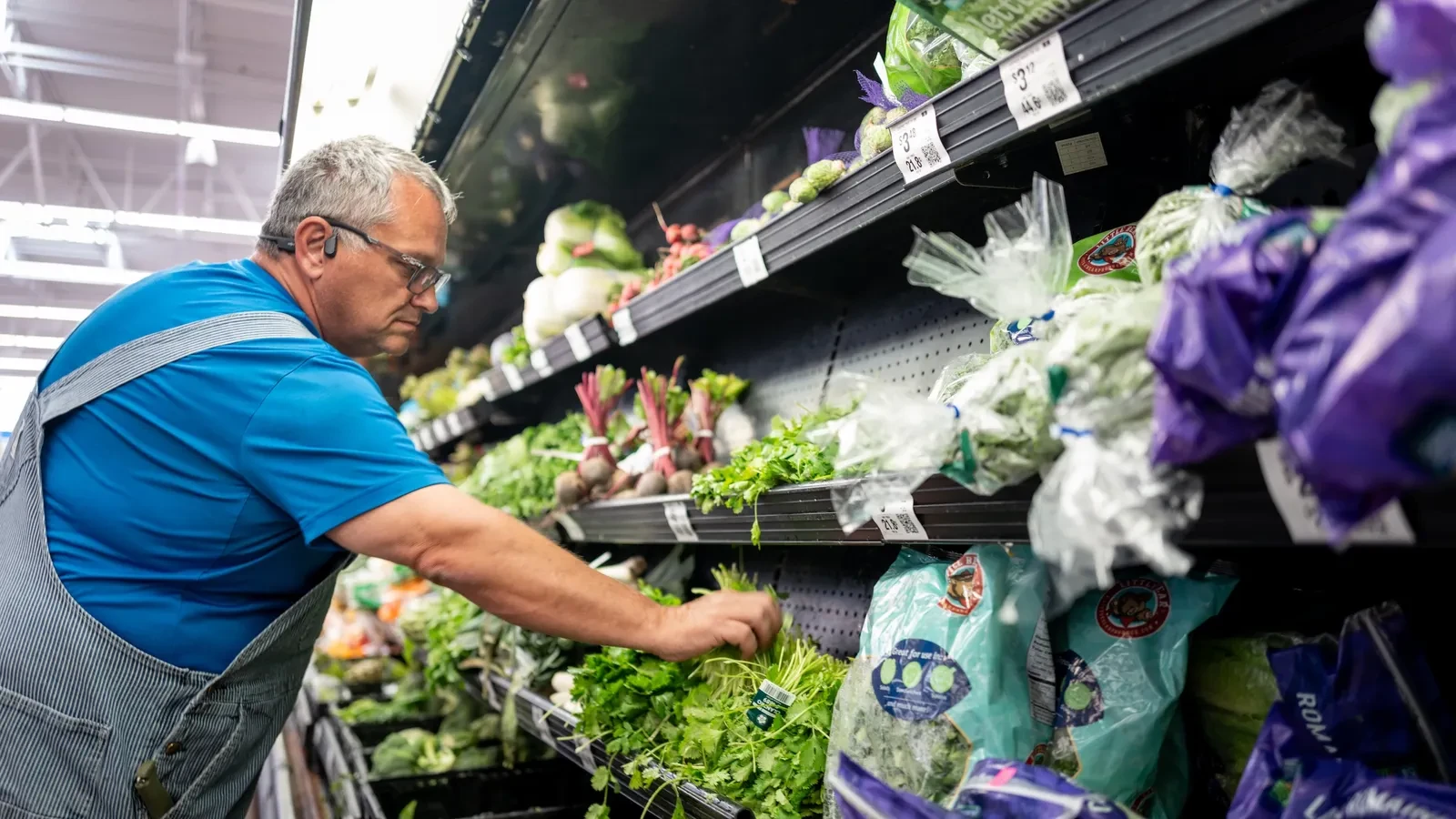
Consumer expectations for future inflation rose for the second consecutive month in October, climbing to their highest level since May, according to survey data released Friday by the University of Michigan. The persistent upward drift in consumer sentiment reflects mounting anxiety over the cost of living, driven by a combination of aggressive trade tariffs and energy market shocks that continue to reverberate through the broader American economy.
According to the newly published findings, consumer expectations for inflation 12 months from now ticked up to 4.7% this month, edging slightly higher from 4.6% in September. This continuous upward movement highlights a growing unease among households who are increasingly feeling the squeeze of elevated prices at grocery stores, gas stations, and retail counters across the country.
Joanne Hsu, director of the University of Michigan’s Surveys of Consumers, noted that the current figures stand in stark contrast to the economic landscape earlier in the year. She pointed out that the current 12-month outlook substantially exceeds the 3.4% reading recorded in February—just before the outbreak of the Iran conflict—and outpaces every recorded reading throughout the entirety of the previous year, 2024.
Long-run inflation expectations also experienced an upward revision this month, climbing by 0.1 percentage point to reach 3.5%, up from 3.4% the previous month. This longer-term metric remains well above the 2.8% to 3.2% range that characterized consumer expectations throughout 2024, signaling that Americans are increasingly preparing for a prolonged period of elevated price pressures rather than a temporary spike.
"Inflation expectations over both time horizons increased for the second straight month to their highest readings since May," Hsu stated.

Rising Pressures Fuel Economic and Political Concerns
The persistent price pressures affecting American households are largely attributed to a convergence of domestic and international macroeconomic forces. Analysts point to the implementation of the highest U.S. tariffs since the 1930s, which have increased the cost of imported goods and raw materials for manufacturers, alongside a war-induced surge in global fuel prices. Together, these factors have systematically eroded consumer perceptions of affordability and fostered a widespread expectation that inflation will remain stubborn.
Federal Reserve officials monitor consumer inflation expectations with intense scrutiny, operating under the economic theory that such psychological sentiments can quickly become self-fulfilling prophecies. When households and businesses genuinely expect prices to rise, workers demand higher wages and companies routinely increase prices to protect profit margins, thereby locking in an inflationary cycle.
In addition to the University of Michigan’s findings, similar economic indicators published last month by the Conference Board and the Federal Reserve Bank of New York have consistently shown that households across various demographics anticipate worsening price pressures in the near term.

The risk of these psychological shifts was underscored by Federal Reserve Governor Christopher Waller during a speech delivered on Thursday. Addressing the policy-setting Federal Open Market Committee, Waller expressed deep concern regarding the trajectory of consumer psychology in the wake of prolonged economic turbulence.
"I am concerned that the recent acceleration in inflation — after what soon will be five and a half years of it above the FOMC’s 2% target — will lead consumers, investors and price-setting businesses to revise up their expectations for future inflation," Waller said.
Economic Strain Shapes the Political Landscape
As the macroeconomy grapples with persistent inflation and shifting consumer expectations, these financial anxieties have emerged as a dominant theme on the political stage, heavily influencing public sentiment ahead of the upcoming November 3 midterm elections.
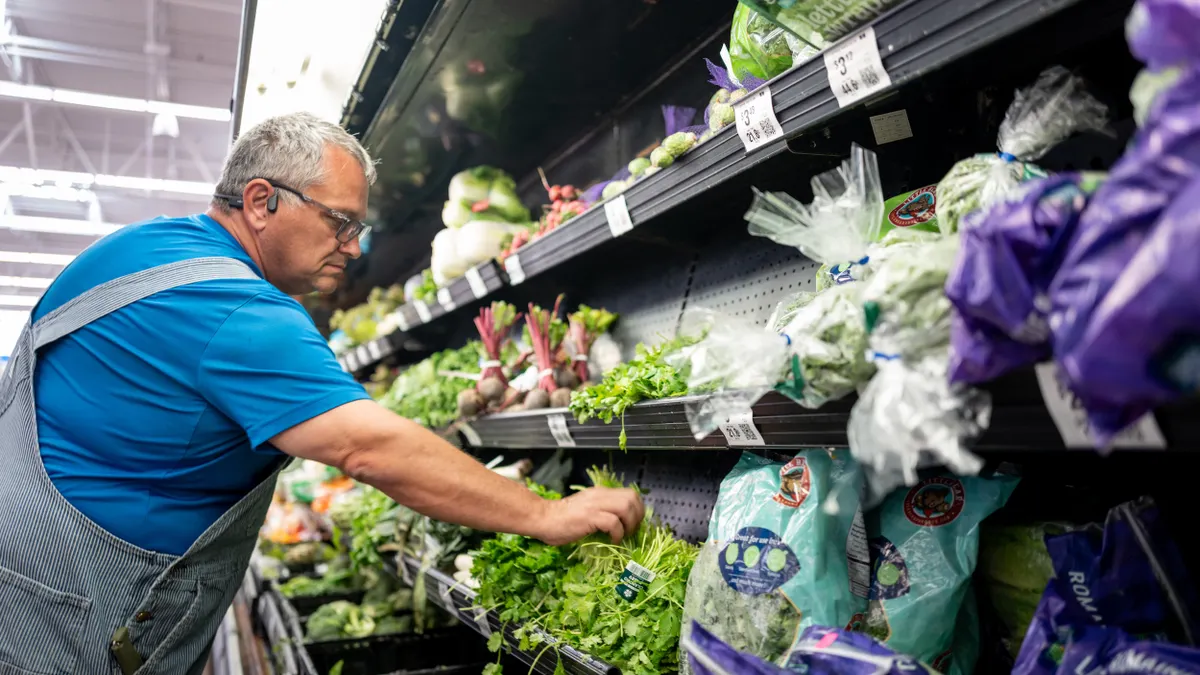
Recent surveys and public opinion polls indicate that economic concerns have completely overshadowed other policy debates, with voters across the political spectrum laser-focused on their personal balance sheets. According to recent findings, both Republicans and Democrats overwhelmingly rank the rising cost of living as their absolute primary concern.
Furthermore, public frustration over economic conditions has translated into direct political headwinds for the administration. Data from a Reuters/Ipsos poll released Friday revealed that 78% of Americans directly blame President Donald Trump’s administration and its policy decisions for price gains that are consistently outpacing wage growth, leaving many families feeling that their purchasing power is slipping away despite broader economic growth metrics.