
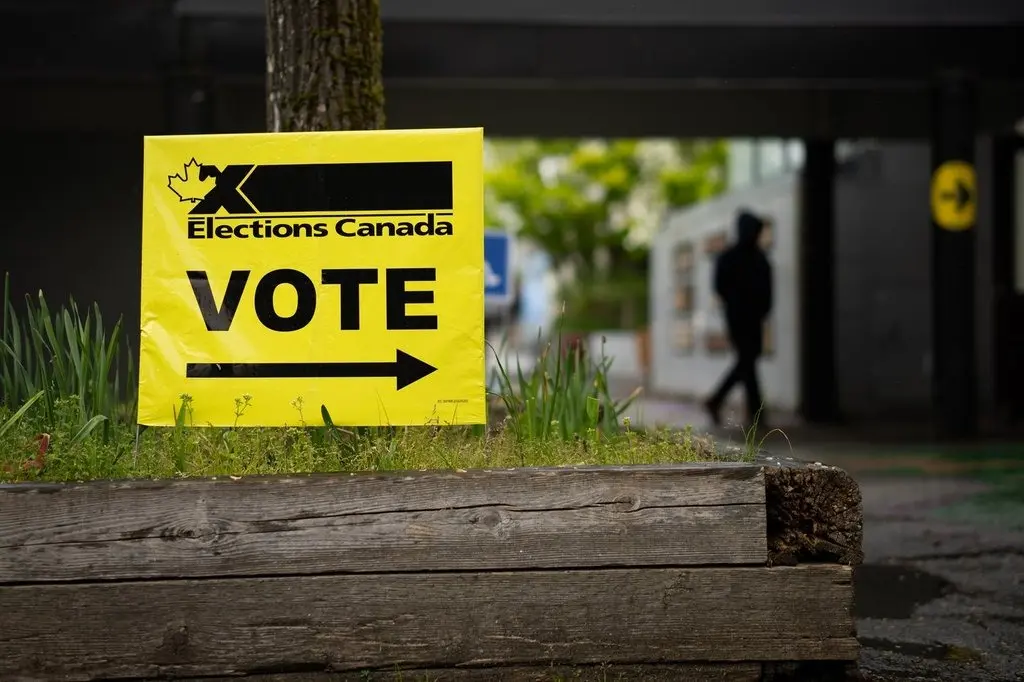
Prime Minister Mark Carney has officially announced six federal by-elections to be held on December 7, initiating a rapid campaign period across three provinces just weeks before the winter holiday season. The upcoming votes will fill half a dozen vacancies in the House of Commons that were created following a wave of recent departures by members of Parliament representing multiple political parties.
The announcement, released on Sunday, November 1, 2026, sets in motion a short and intense five-week campaign window. Political parties and candidates will have until early December to establish local operations, canvass neighborhoods, and present their platforms to electors. The six vacant seats stem from a variety of circumstances over recent months, including parliamentarians stepping down to run in Quebec provincial politics, health-related resignations following automobile accidents, returns to professional legal careers, and formal political retirements.
The scheduled by-elections cover a broad geographic and demographic cross-section of Canada, taking place in urban centers, suburban ridings, regional municipalities, and rural Prairie communities. Two of the open seats are located in Ontario, in the ridings of Brantford-Brant South and Scarborough North. Three of the ridings are in Quebec, comprising Rosemont-La Petite-Patrie, Saint-Hyacinthe-Bagot-Acton, and Laurier-Sainte-Marie. The sixth contest will take place in Saskatchewan, in the eastern Prairie riding of Yorkton-Melville. Because the seats were previously divided among the Liberals, Conservatives, New Democratic Party, and Bloc Québécois, the upcoming by-elections will provide a broad test of party organization and voter sentiment across diverse political landscapes.

In Southwestern Ontario, one of the most closely watched contests will take place in the riding of Brantford-Brant South. The seat became vacant following the resignation of Conservative MP Larry Brock. Brock chose to step away from federal political office in order to return to his former professional career in public prosecution at the Crown prosecutor’s office. His departure left an open seat for the Conservatives, who have moved to defend their representation in the area.
However, the nomination process to select Brock’s replacement in Brantford-Brant South has generated local debate and political tension within the Conservative Party. Following his decision to resign, Brock publicly endorsed local pastor Dave Carroll as his preferred choice to carry the Conservative banner in the riding. Despite the endorsement from the outgoing parliamentarian, the Conservative Party ultimately selected Kevin Davis, the former mayor of Brantford, as its official candidate.
The selection of Davis over Carroll drew notable criticism from some local party members and supporters. In response to the nomination outcome, Carroll announced that he intends to contest the Brantford-Brant South by-election as an independent candidate. The presence of an independent conservative candidate on the ballot alongside the official Conservative nominee introduces an unpredictable element to the contest, raising the potential for a split vote among right-leaning electors in the riding. Meanwhile, the Liberal Party has nominated Joy O’Donnell, a certified financial planner, to represent its banner. The three-way dynamic presents local voters with a choice between a former municipal mayor, an independent local pastor, and a financial professional.
Also in Ontario, voters in the Greater Toronto Area riding of Scarborough North will head to the polls on December 7 to elect a new member of Parliament. The seat in Scarborough North became vacant after Liberal MP Shaun Chen announced his resignation from the House of Commons. Chen’s decision to step down from parliamentary office was prompted by ongoing health concerns that followed a serious car crash in October 2025. The lingering physical effects of the collision ultimately led Chen to end his parliamentary service, leaving the Toronto-area constituency open.

Chen’s departure leaves Scarborough North without an incumbent as political parties prepare for the December vote. The riding has served as an important urban seat, and the upcoming campaign will test local party infrastructure in the Greater Toronto Area during a compressed, late-fall campaign timeline.
Moving into Quebec, three separate federal ridings will hold by-elections on the same day, largely driven by recent political movements between federal and provincial levels of government. Two of the three Quebec vacancies occurred when sitting federal members of Parliament resigned their seats in Ottawa to seek election to the Quebec National Assembly during the 2026 Quebec provincial election.
In Montreal, the riding of Rosemont-La Petite-Patrie became open following the resignation of long-time New Democratic Party MP Alexandre Boulerice. Boulerice had served for years as a prominent federal voice for the NDP in Quebec, maintaining a strong electoral presence for the party in Montreal. However, he resigned his federal seat to transition into provincial politics, running as a candidate for Québec solidaire in the 2026 provincial election. Boulerice won his provincial race, securing a seat in the National Assembly and leaving his long-held federal constituency open for a new representative.
A similar political transition took place in the riding of Saint-Hyacinthe-Bagot-Acton. The constituency was previously represented by Bloc Québécois MP Simon-Pierre Savard-Tremblay. Like Boulerice, Savard-Tremblay chose to step down from federal Parliament to enter the provincial political arena. He ran as a candidate for the Parti Québécois in the 2026 Quebec provincial election and achieved victory in his campaign. His election to the provincial legislature created a vacancy in Saint-Hyacinthe-Bagot-Acton, triggering the need for the upcoming federal by-election call.

The third Quebec seat set to vote on December 7 is Laurier-Sainte-Marie, situated in central Montreal. The riding became vacant in August 2026 following the resignation of high-profile Liberal MP Steven Guilbeault. Guilbeault, who previously served in cabinet as Minister of Environment and Climate Change, officially stepped down from his parliamentary duties late in the summer, creating a significant vacancy in a key Montreal constituency.
The race to succeed Guilbeault in Laurier-Sainte-Marie features a high-profile slate of candidates fielded by the major political parties. The Liberal Party officially confirmed on Sunday through a news release that former Desjardins CEO Guy Cormier will serve as its candidate. Cormier brings executive experience from Canada’s largest credit union