
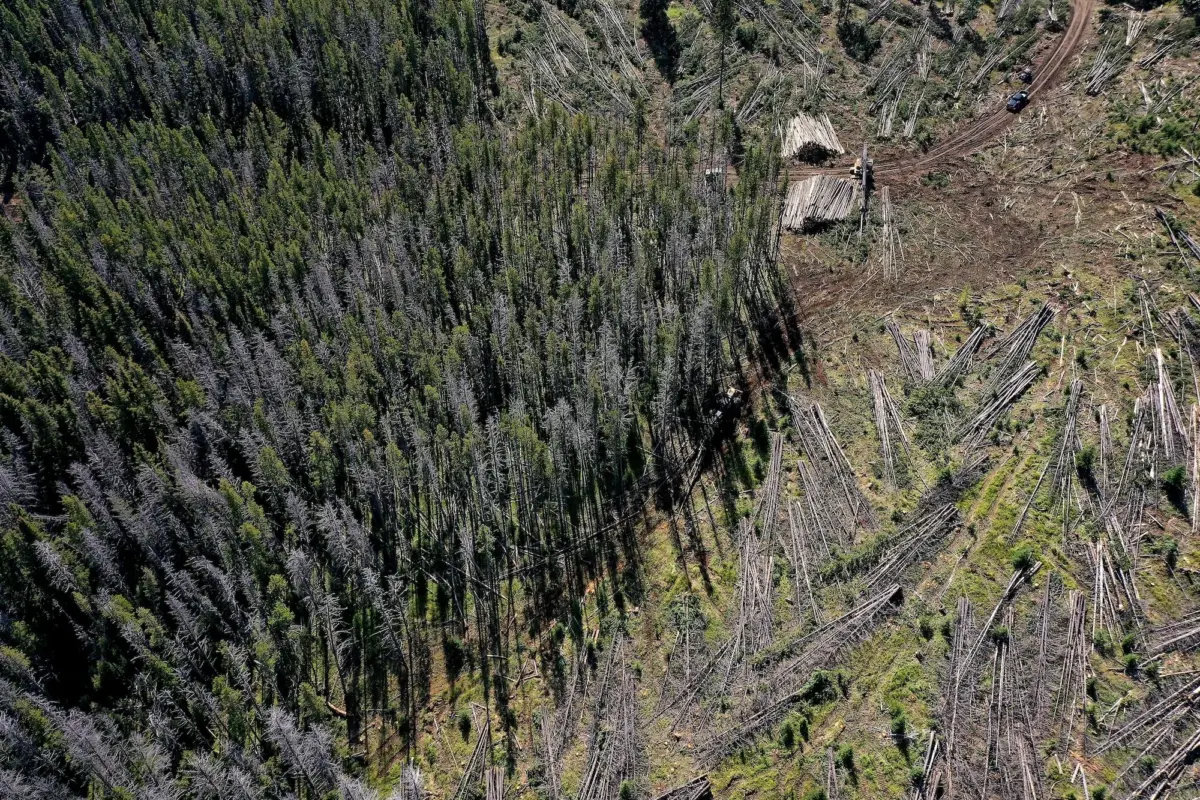
For millions of Americans seeking a thrilling escape into the wilderness, the nation’s national forests offer an expansive playground. Whether they are navigating dirt trails on all-terrain vehicles, carving through winding snowmobile tracks, or taking four-wheel-drive trucks off-roading, outdoor enthusiasts rely heavily on the vast network of roads and paths crisscrossing public lands. Under current federal guidelines, the United States Forest Service approaches these varied forms of recreation through a strict and predictable lens, summarized by a straightforward policy: trails are closed unless explicitly designated open.
Unless a route is formally marked and designated as open to off-highway vehicles, such as side-by-sides and dirt bikes, it is legally restricted to nonmotorized recreation. Most national forests operate under exhaustive travel management plans. These comprehensive documents outline precisely when a trail, two-track, or service road is available for quiet pursuits like mountain biking, horseback riding, and hiking, and when it is permitted for motorized use. These strict regulatory guidelines were established under a foundational Forest Service policy known as the travel management rule, bringing order and ecological protection to millions of acres.
Now, however, the federal government is moving to invert that paradigm. In late August, the Forest Service announced its formal intention to revise the travel management rule, shifting the foundational framework so that trails and service roads would be considered open unless explicitly designated as closed. Under the proposed revisions, forest managers would be expected to prioritize motorized access across service roads, backcountry trails, and even remote backcountry airfields.
The U.S. Department of Agriculture, the parent agency of the Forest Service, defended the regulatory pivot by asserting that the move will increase recreational access and simplify regulatory requirements for visitors. But the proposal has met swift and fierce opposition from a broad coalition of sportsmen, backcountry horsemen, conservation organizations, and nonmotorized recreation groups. Critics warn that opening up all Forest Service trails to motorized access by default could unleash devastating ecological consequences on the fragile habitats and wildlife populations that depend on these public lands. Furthermore, scientists note that healthy, intact forest ecosystems play an indispensable role in sequestering carbon and mitigating the impacts of a warming global climate.
Hillary Eisen, the federal policy director for Wild Montana, a prominent public lands advocacy organization, emphasized that a wide array of stakeholders—ranging from everyday recreationists and ranchers holding federal grazing leases to operators within the timber industry—rely heavily on the predictability and clarity provided by traditional travel management plans. Eisen described the Forest Service’s formal announcement to revise the rule as vague, poorly written, and difficult to follow. Without strict and unambiguous guidelines in place, she fears that motorized users could end up proliferating across sensitive landscapes.
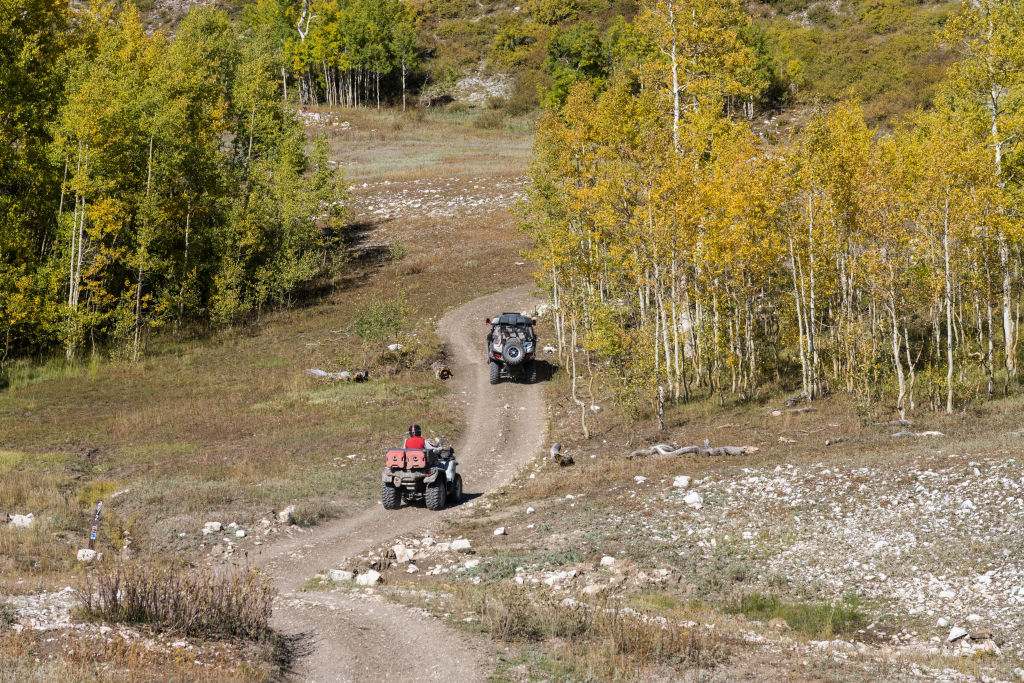
Any feature on the landscape that could potentially be interpreted as a trail or a road would suddenly become legally open to every conceivable type of use unless explicitly closed, Eisen explained. In practical terms, she noted, that could mean that if an enthusiast can physically maneuver a side-by-side vehicle onto a remote path, they are free to ride it.
The real-world ecological toll of unregulated or excessive motorized vehicle use is already a matter of documented record for many conservationists and watershed managers. Chris Edgington, a watershed project manager with Montana Trout Unlimited, witnessed firsthand the severe environmental degradation caused by off-highway vehicle traffic along the Middle Fork of the Judith River, which winds through the picturesque Little Belt Mountains of central Montana.
Prior to 2023, a six-mile stretch of the river featured more than 80 vehicle entrances and 27 shallow crossing spots where cars, trucks, and side-by-sides routinely forded the water. As these heavy machines cut directly across the river, they triggered severe bank erosion and caused a massive influx of fine sediment. This silt coats the stones along the riverbed, suffocating aquatic insect life and smothering the gravel beds that fish need for successful spawning. By 2020, the accumulation of sediment runoff had grown so severe that it was choking out nearly all the aquatic life in the stream.
The fish population plummeted to an estimated level of less than 10 percent of what biologists would normally expect in a river of that specific size and character, Edgington noted. The riverbed had become unnaturally widened and shallow, creating abnormal riffles and leaving the waterway entirely incapable of managing its natural sediment load.
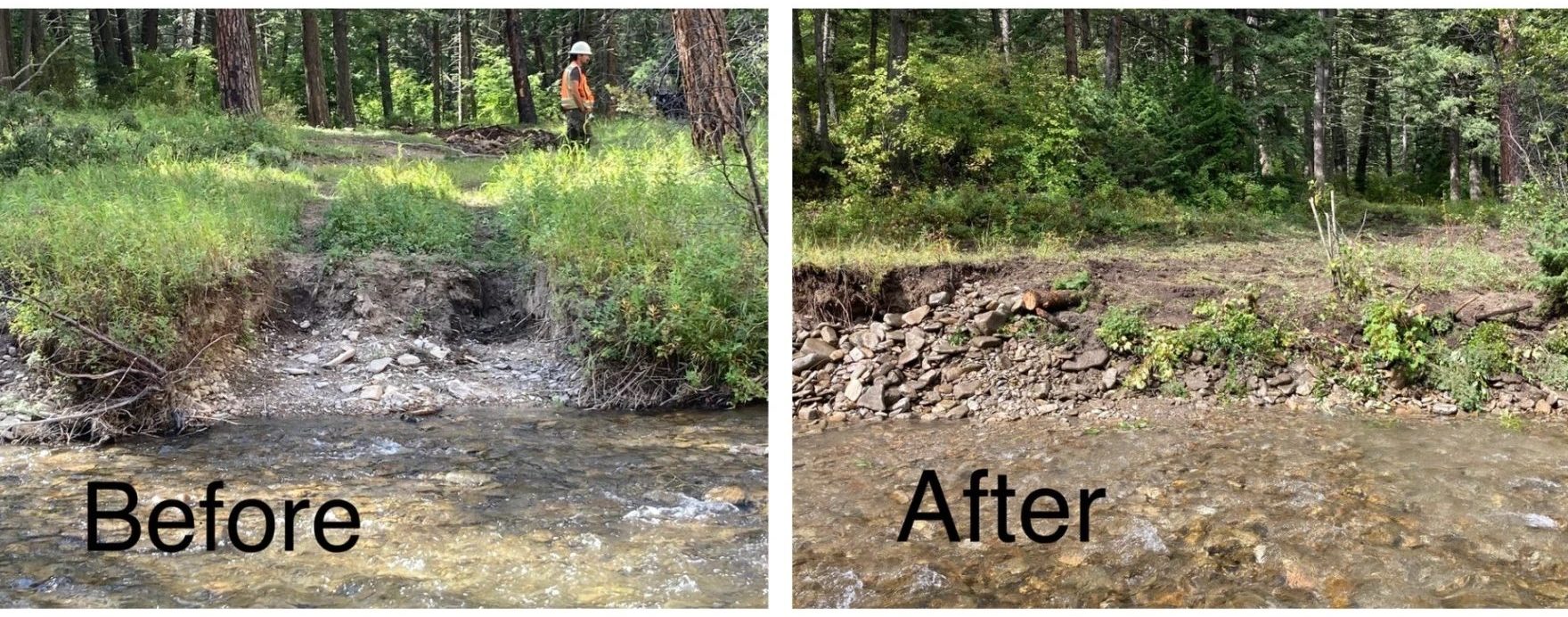
Faced with this ecological crisis, Edgington spearheaded a collaborative effort, bringing together a diverse coalition that included the off-highway vehicle community, the Great Falls Trail Bike Riders Association, local environmental groups, and various federal and local government agencies. Together, the coalition successfully rebuilt 1,000 feet of damaged riverbank, reduced the number of individual stream crossings by an astonishing 80 percent, and constructed a newly routed section of the off-highway vehicle and jeep trail. This compromise allowed the area to remain open for motorized recreation while sparing the fragile river corridor from further destruction. The project has proven to be a resounding success.
Fish populations are clearly rebounding, Edgington reported, explaining that the targeted removal of excess sediment and the restoration of natural river morphology are successfully bringing back water quality and reviving fish populations within that remarkable backcountry setting.
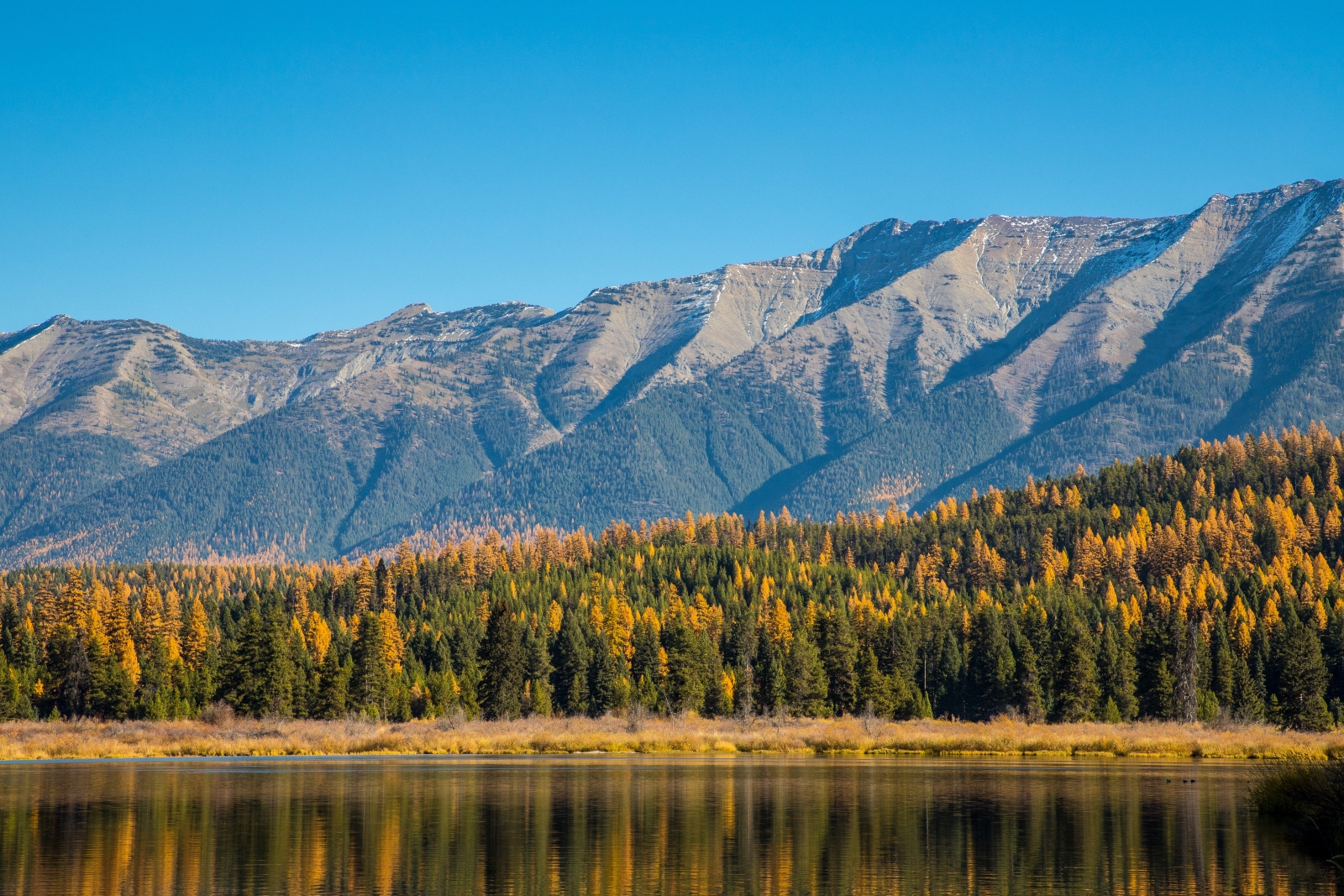
Crucially, the vehicles that previously crossed the river were not violating any rules at the time; the Forest Service had officially designated that specific area as open for motorized recreation. However, the sheer volume of stream crossings severely degraded the health of the aquatic ecosystem and threatened native species living in the watershed, including the vulnerable cutthroat trout. Edgington expressed support for appropriate machine use in appropriate areas of the national forest, but emphasized that some ecosystems are simply too delicate to withstand the physical impact of heavy motorized equipment.
The travel management plan developed by the Helena-Lewis and Clark National Forest ultimately acknowledged the severe impact on the river and recognized the urgent necessity of rerouting the road away from the river corridor. Because portions of the Middle Fork are federally protected as a Wilderness Study Area and an Inventoried Roadless Area, Edgington said it made sound conservation sense to invest significant time and financial resources into the restoration project, knowing those protections would help ensure the long-term viability of the work.
Nevertheless, Edgington warns that a full repeal or fundamental weakening of the travel management rule would create exponentially more problems than it purports to solve. A regulatory shift of this magnitude, he cautioned, could deal a devastating blow to aquatic health and undermine ongoing watershed restoration initiatives like the one on the Middle Fork Judith River. Whether it involves off-highway vehicles tearing through sensitive riverbeds or dirt bikes operating on traditional horse trails, upending these rules will inevitably generate deep conflict, confusion, and animosity among different user groups who share the forests.
The federal rule-making process is methodical and lengthy. The Forest Service opened a public comment period on the proposed plan to revise the rule, marking the initial step in a protracted administrative procedure.
These proposed revisions to travel management do not exist in a vacuum; they represent just one piece of a sweeping wave of potential policy adjustments across the 193 million acres of public land managed by the Forest Service, which includes over 19 million acres in Montana alone. Last month, shortly before the travel management revision was unveiled, Agriculture Secretary Brooke Rollins announced that the USDA was moving forward with plans to rescind the 2001 roadless rule. That landmark conservation policy has long prevented commercial logging and new road construction across 45 million acres of pristine national forest land.
Extensive scientific research conducted by the Forest Service and academic institutions has repeatedly demonstrated that unpaved roads fragment critical wildlife habitats, introduce invasive and noxious weeds, and significantly increase the frequency of human-caused wildfires. During the initial public comment period for previous rollbacks, public opposition was overwhelming, with analysis showing that 99 percent of respondents opposed removing established roadless protections.
The expedited timelines and short public comment windows associated with these federal proposals have sparked considerable public pushback. Responding to mounting pressure, the Forest Service announced an extension of 15 days for the public comment period concerning the roadless rule, allowing public input through early October to give interested citizens and experts additional time to review the complex regulatory documents and supporting scientific materials.
Advocates for public lands preservation, such as Wild Montana’s Hillary Eisen, argue that both the roadless rule and the travel management rule are vital to upholding the foundational purpose for which America’s public lands were established by Congress. The core intent behind these public lands is to support current generations while ensuring they remain preserved and healthy for the benefit of future generations, balancing sustained economic yields with rigorous conservation, Eisen noted. The regulations connecting to public lands all tie back to that principle in one form or another.
While the roadless rule specifically guarantees that large tracts of intact habitat remain untouched to protect clean water and wildlife populations, the travel management rule touches the daily lives of far more citizens every time they visit a national forest. Whenever a visitor travels anywhere on national forest land outside of designated wilderness areas, the travel management rule shapes their experience, Eisen said, emphasizing that those experiences and protections are carefully planned rather than accidental.
Conversely, proponents of the proposed regulatory changes argue that shifting the standard so that trails are open unless designated closed will foster greater recreational opportunities and improve clarity for forest visitors. Kerry White, who directs the Bozeman-based nonprofit Citizens for Balanced Use—an organization that actively advocates for expanded motorized access on public lands—argues that traditional rules can overly restrict access.
Without an adequate network of roads and trails, everyday people cannot properly experience the woods, said White, who served in the Montana state legislature from 2013 to 2021. Because these are public lands, elderly citizens and individuals with physical disabilities require some form of motorized transportation to access and enjoy the outdoors.
White contends that the proposed changes will streamline access and eliminate confusion for visitors utilizing ATVs, electric bicycles, and other motorized conveyances. By making everything open unless officially posted as closed, he suggested, the regulatory burden shifts appropriately to the Forest Service to exercise due diligence, ensuring that closed trails are properly marked with physical signs that are consistently maintained and kept in place.
Furthermore, White dismissed concerns that the regulatory changes would lead to severe environmental degradation or commercial exploitation, asserting that stringent federal environmental laws and regulations would still govern any major projects proposed for those areas.
Critics, however, view these changes as part of an alarming pattern under the current administration, noting that the travel management revisions are unfolding alongside rollbacks of other bedrock environmental safeguards, including significant modifications to the Endangered Species Act and the National Environmental Policy Act. This administration does not appear to value the core principles upon which our public land system was founded, Eisen said, suggesting the focus has shifted toward short-term commercial extraction and potential privatization.
For conservationists like Edgington, the accumulation of proposed rule changes is deeply troubling. Many of these foundational rules were originally crafted to establish a thoughtful, sustainable balance of forest uses, he observed. While acknowledging that there may be specific areas where regulations can be improved, he cautioned that a wholesale dismantling of these frameworks would inflict catastrophic and irreparable harm on fish and wildlife resources.
Reflecting on his years of painstaking restoration work to protect some of Montana’s most treasured trout fisheries, Edgington reiterated a stark reality about natural resources in the American West. Cold, clean water is a strictly finite resource, he concluded, and we have an obligation to do whatever is necessary to protect it. Without enduring policies like the roadless and travel management rules safeguarding these investments of public funds and conservation labor, future restoration efforts face an uncertain and precarious future.