
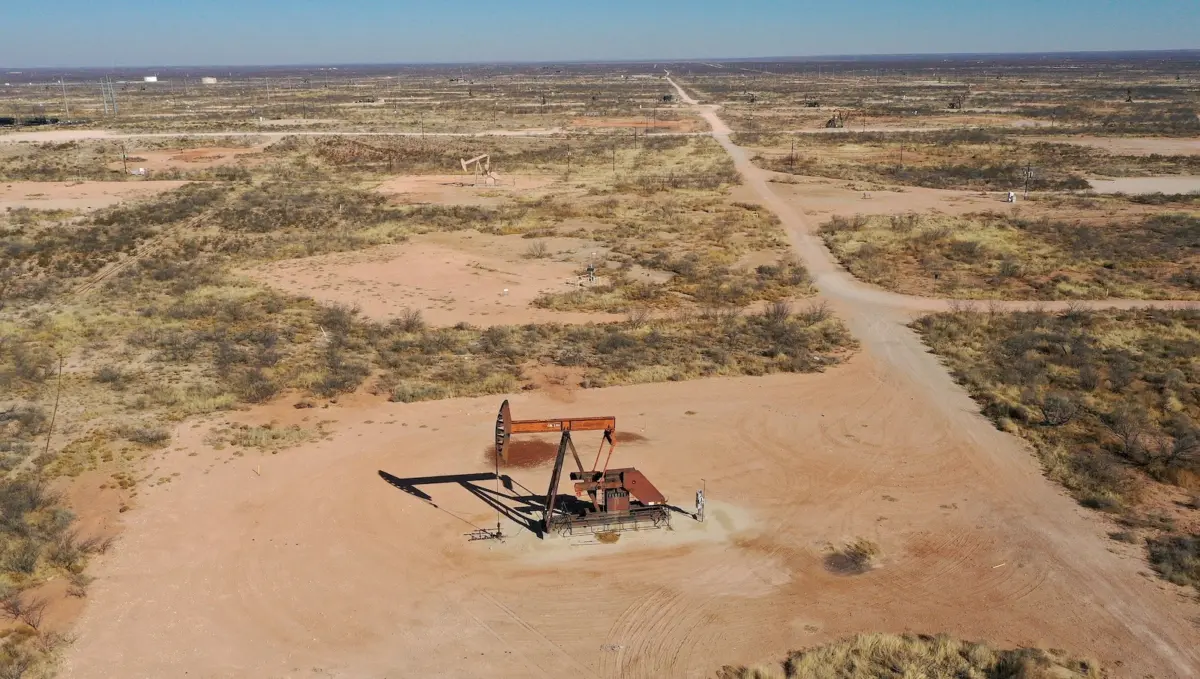
President Donald Trump announced on Tuesday that his administration is moving to dismantle key federal restrictions on methane, marking a major step in his broader effort to roll back Biden-era environmental policies and promote domestic fossil fuel production.
Speaking at a campaign rally in Lubbock, Texas, where he was campaigning for Ken Paxton’s bid for the Senate, the president formally unveiled the long-awaited Environmental Protection Agency proposal. The new rule scales back stringent monitoring and emission-control requirements targeting methane leaks from oil and gas operations across the United States.
"Tonight I’m officially terminating Biden’s expensive and unnecessary methane regulations to save consumers and energy producers $45 billion in costs, unlock vast quantities of Texas natural gas, and produce 210 million barrels of oil," Trump told the crowd.
The announcement followed months of preparation by the EPA, which has maintained that the previous administration’s regulations posed a monumental threat to the economy and placed an undue burden on the domestic energy sector. The EPA’s latest action is part of a series of sweeping reversals of environmental rules enacted under former President Joe Biden, policies that critics warn will accelerate global warming and push the planet toward unprecedented temperatures.
Last month, the EPA repealed a rule that limited carbon emissions from power plants, a move widely expected to extend the operational lifespan of coal-fired facilities. Environmental organizations argue that weakening restrictions on methane will also degrade air quality and worsen pollution in communities situated near oil and gas extraction sites nationwide.
"Any proposed rollback to the federal methane rule is a slap in the face to families who are exposed to oil and gas pollution where they live, work, and play," said Celerah Hewes, a campaign manager at Moms Clean Air Force. Hewes recently joined other environmental activists in protesting outside an industry conference in New Mexico, where EPA head Lee Zeldin outlined the agency’s upcoming regulatory changes.
Methane, a potent greenhouse gas emitted by oil and gas operations, landfills, and cattle farms, is also the primary component of natural gas used for residential heating. While methane accounts for roughly 12 percent of annual U.S. greenhouse gas emissions, its short-term warming impact is profound, trapping heat about 80 times more effectively than carbon dioxide over a 20-year period.
"Cutting methane emissions from the oil and gas industry is the fastest way to fight climate change," said Tsion Amare, a policy expert at the Environmental Defense Fund. "This rule could severely set back the advances we’ve made over the years."
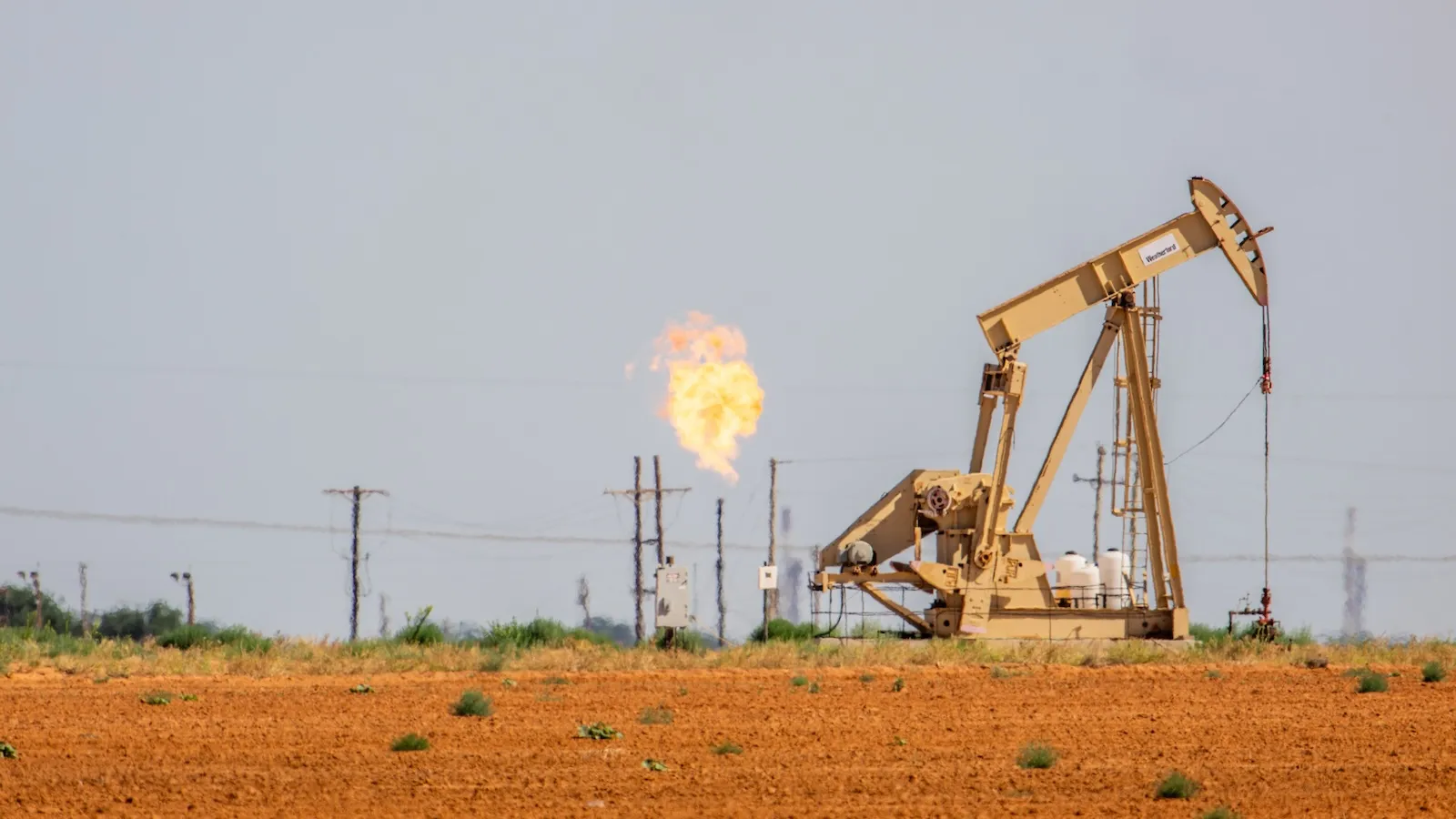
The methane rule finalized at the end of 2023 under the Clean Air Act represented one of the Biden administration’s most ambitious regulatory efforts to reform the fossil fuel industry. It mandated that operators continuously monitor overall emissions, routinely inspect wells and pipelines for leaks, and upgrade infrastructure to prevent gas from escaping. Furthermore, the regulation required companies to phase out or sharply reduce the routine practice of flaring, in which excess methane is burned off rather than captured for commercial use.
Amare noted that these limits were among the strongest in the world, positioning the United States as a global leader in curbing short-lived climate pollutants. At the time of implementation, the EPA estimated the rule would prevent 58 million tons of methane emissions over 15 years and capture 400 billion cubic feet of natural gas annually—enough to heat nearly 8 million American homes each winter.
Beginning in March 2025, however, the Trump administration’s EPA signaled a shift by pausing enforcement of the methane rule and initiating formal rescission proceedings. The newly proposed rule completely dismantles the Biden administration’s Super Emitter Program, which utilized satellite imagery and remote-sensing technologies to detect major leaks and mandate timely repairs. It also rolls back limits on routine flaring, relaxes standards for specific well categories, and grants operators an extended 30-day window to repair identified leaks.
These regulatory rollbacks align directly with President Trump’s "energy dominance" agenda, a central theme of his second term. In a recent proclamation designating October as "National Energy Dominance Month," the administration highlighted its efforts to open millions of acres for oil, gas, and coal leasing, approve thousands of new drilling permits, preserve more than 100 coal-fired power plants, and withdraw from international climate agreements.
"The Trump EPA is committed to fixing this so the U.S. can reach its full energy potential," Zeldin said in a statement discussing the Biden-era regulations earlier this month.
The revised rules are expected to provide substantial financial relief to operators of low-producing "stripper" wells by exempting them from rigorous oversight. Although these marginal wells account for only about 5 percent of total U.S. oil and gas production, they are responsible for more than half of the industry’s methane emissions. According to investigative reporting by ProPublica, industry lobbyists have secured unprecedented influence during the current administration, with prominent oil executives—such as stripper-well company owner Jeffery Hildebrand—serving as major donors to Trump’s political campaigns.
"Under crooked Joe Biden, Democrats crushed the small oil and gas operators," Trump asserted during his speech in Lubbock. "They’re great operators too."
Energy and legal experts challenge the narrative that stripper wells are predominantly managed by independent mom-and-pop businesses lacking the financial resources to comply with federal standards. Darin Schroeder, methane legal and regulatory director at the Clean Air Task Force, pointed out that more than half of these low-producing wells are owned by large corporations operating over a thousand wells each. Hilcorp Energy Company, founded by Hildebrand, reportedly owns nearly 19,000 marginal wells, while Diversified Energy controls more than 50,000.
"Just because they’re a marginal producer doesn’t mean they’re a marginal polluter," Schroeder said.
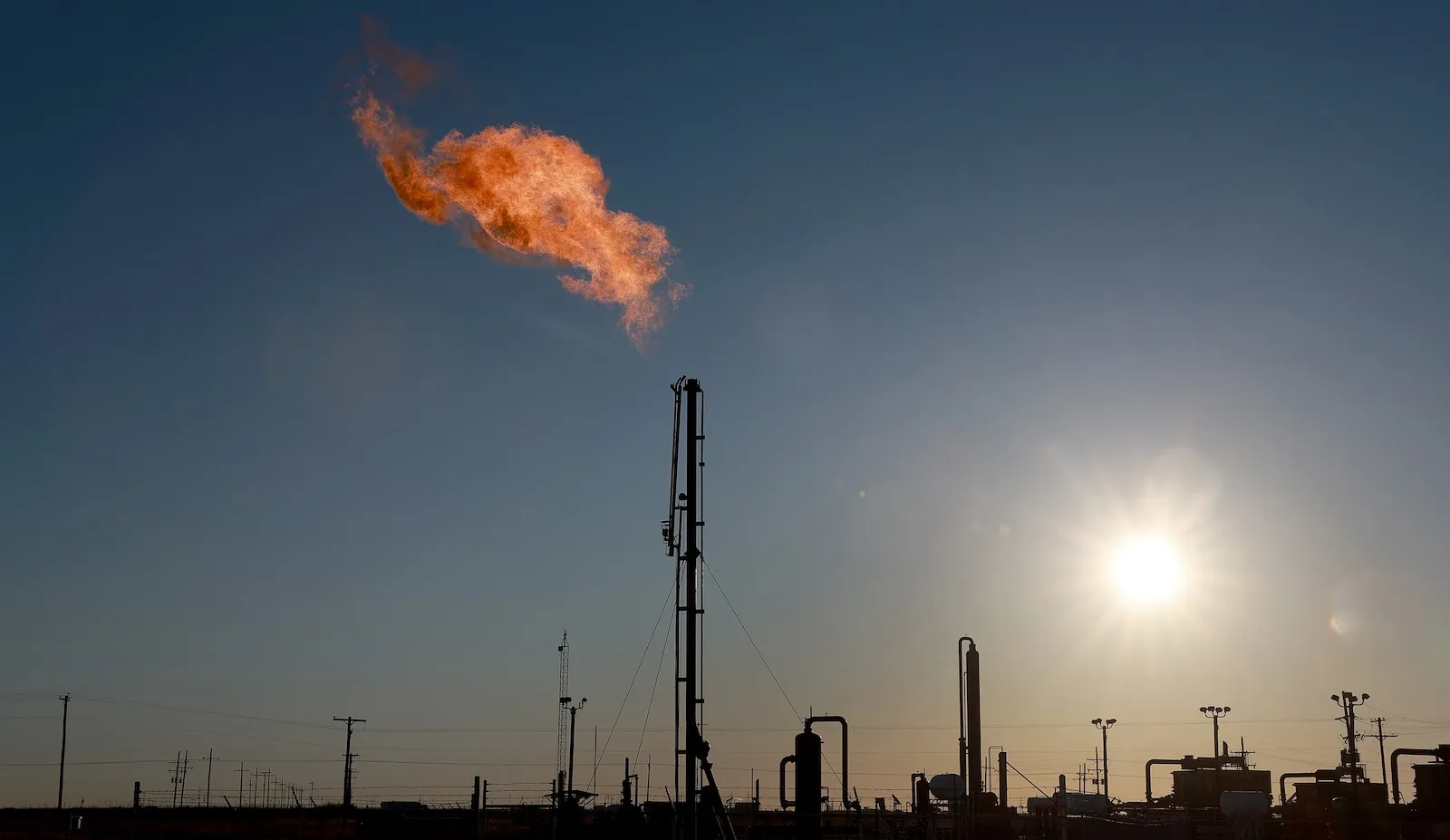
Because stripper wells represent the majority of industry emissions, granting them regulatory relief will have severe climate consequences, Schroeder added. Rapidly reducing methane emissions is widely viewed as a critical strategy for mitigating near-term warming and buying time to address carbon dioxide accumulations.
Beyond its climate impacts, the production of oil and gas releases secondary pollutants that pose immediate public health risks to neighboring communities. Volatile organic compounds and benzene, a known carcinogen, are emitted alongside methane and contribute to the formation of ground-level ozone, which damages lung tissue and exacerbates respiratory conditions like asthma.
Nearly one in ten Americans resides in a county containing more than 1,000 stripper wells, with Texas bearing a disproportionate share of the impact. Amare, an energy and environmental policy specialist based in Dallas, noted that Texas contains more oil and gas infrastructure than any other state, including an estimated 136,000 stripper wells. Public health hazards associated with these operations frequently impact communities of color living in proximity to extraction sites, such as the Eagle Ford shale region.
While the Biden administration relied on state-level implementation of its federal standards, Texas repeatedly postponed the adoption of required compliance plans. Without federal oversight, experts like Amare warn that Texas—responsible for approximately 19 percent of total U.S. methane emissions—is unlikely to curb its output independently.
Conversely, states like Colorado and New Mexico maintain rigorous state-level methane regulations, and others, such as Pennsylvania, have proceeded with plans aligned with the previous federal framework. Analysts suggest these states are unlikely to lower their standards in response to federal rollbacks.
Furthermore, economic incentives exist for capturing rather than venting or flaring natural gas. An analysis by the Environmental Defense Fund calculated that New Mexico has saved roughly $125 million annually by capturing gas that would otherwise be lost. The nonprofit also estimates that the national industry has lost approximately $7 billion worth of natural gas since federal enforcement of the methane rule was suspended last year.
"All of this waste of gas is something that definitely needs to be discussed more," Amare said.