
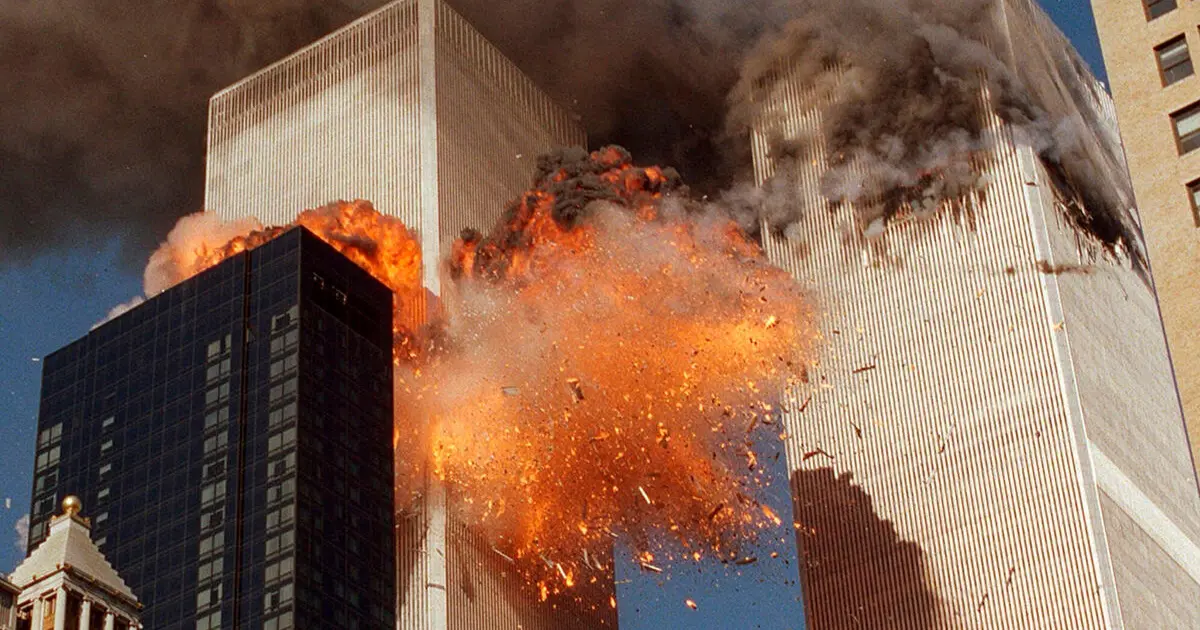
Memories of the tragic events of September 11, 2001, remain deeply etched in the collective consciousness, but for Professor Liyakat Takim, those recollections are tied to a profound personal and professional milestone. On that fateful morning, he had just relocated to Denver from the University of Miami to teach his very first class, appropriately titled Introduction to Islam.
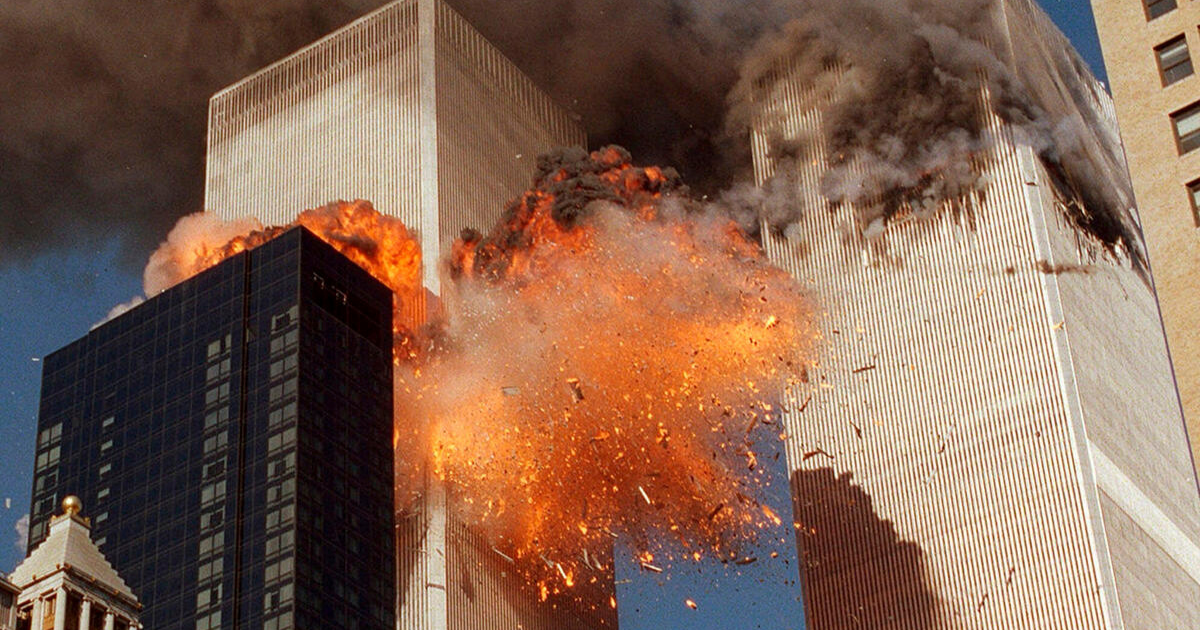
When he turned on the television in his new surroundings, he was confronted with the harrowing scenes of devastation unfolding in New York City. Like millions around the globe, he felt an immediate and crushing wave of pain and sorrow for his fellow human beings. But as the hours ticked by, his immediate reality shifted. At work, he suddenly became a much sought-after figure. Colleagues, friends, and bewildered students gravitated toward him, desperately trying to make sense of an incomprehensible tragedy and seeking context from someone who taught and studied the faith invoked by the attackers.
As a Muslim, the emotional toll was uniquely complex. Takim felt a profound sense of grief, quickly accompanied by a stinging realization: his religion had been hijacked and abused by individuals who falsely claimed to be acting on God’s behalf. It raised agonizing, fundamental questions that would shape his reflections for years to come. What kind of God would condone the taking of innocent lives? Did God truly put human beings on Earth to destroy one another in the divine name, or was humanity intended to cultivate a society rooted in justice, compassion, and equality?
Driven by a need for spiritual grounding and intellectual clarity, Takim turned to the Qur’an to see what his holy scripture had to say about the harrowing events of 9/11. Far from finding justification for violence, he found immense comfort and unequivocal condemnation of terrorism within its verses. The scripture passage that repeatedly came to his mind was from Chapter Al-Ma’idah (The Table Spread), which explicitly states: “One who kills an innocent soul has killed the whole of humanity, one who saves an innocent soul has saved the whole of humanity” (5:32). For Takim, the message of the Qur’an stood in stark, absolute opposition to the vile acts perpetrated that day.
Further reflection on the scripture revealed a powerful overarching theme: that ultimately, only one identity unites all of humankind—our shared humanity. Addressing all people regardless of background, the Qur’an notes: “O human beings, we have created you from one male and female and made you into different tribes and nations so that you may know each other. Indeed, the most honourable of you in the eyes of God is the one who is most morally upright” (49:13). This teaching reinforced his understanding that the rigid, exclusionary identities that divide and differentiate human societies are ultimately humanly constructed, rather than divinely mandated.
As he pondered the theological question of God’s presence amid the ruins on 9/11, Takim came to recognize that the divine was present everywhere in the dust and devastation—not as an author of the violence, but as a silent reminder of the destructive forces latent within human nature itself. These are the very forces to which individuals can succumb while remaining trapped in the dangerous self-deception that they are acting righteously in the name of a merciful God.
Yet, alongside the devastation, there were profound glimmers of light. Takim recalls being deeply comforted by the widespread acts of kindness and generosity demonstrated by non-Muslims who immediately recognized that neither Islam nor everyday Muslims bore any responsibility for the barbaric acts. In many instances, neighbors and strangers stepped forward to protect local mosques and Muslim communities from anticipated backlashes or targeted attacks.
In those difficult, tense days, an extraordinary sense of human connectedness began to emerge. Takim perceived a divine presence in the genuine bonds and relationships forged in the immediate aftermath of the tragedy. It became clear to him that it sometimes takes a crisis of catastrophic proportions to awaken humanity to its true potential—to compel people to reach past differences, offer comfort, and allow shared compassion to govern daily conduct.
This realization prompted a deeper, more challenging question: Had modern society grown so indifferent to one another that a tragedy of this magnitude was somehow required to remind humanity that life only acquires true meaning when we love, protect, and care for those around us?
As communities mark the anniversary of 9/11, Takim emphasizes that individuals must continually confront morally difficult questions regarding how they treat one another. While the terrorists had entirely abandoned their intrinsic, God-given human values to resort to such horrific violence, conscientious human beings must not respond in kind. They must avoid committing vile acts or engaging in collective demonization under the guise of upholding rights or seeking justice, regardless of faith, culture, or background.
An eternal God, Takim observes, speaks eternally. The divine communicates through diverse channels—through messengers, the wonders of nature, sacred scriptures, and the quiet promptings of the inner conscience. Humanity hears and sees these signals, but the persistent question remains whether people truly pay heed. There is always a constant danger that religious fanatics, operating under the banner of faith, will insist that God can be found exclusively within the rigid confines of their own specific beliefs and practices. No morally conscious person, particularly within the Islamic faith, can afford to lay claim to an exclusive monopoly on truth while simultaneously engendering hatred and the demonization of fellow human beings.
Ultimately, Takim argues, shared religious affiliation is not a prerequisite for peaceful coexistence. Instead, what is required is a collective commitment to affirming and acting upon universal, divinely bestowed moral values to build a just and equitable society.
Professor Liyakat Takim serves as the Sharjah Chair in Global Islam at McMaster University in Hamilton.