

Nineteen years after spending nearly a month living the idyllic backpacker dream on the remote Thai island of Ko Lipe, a seasoned traveler has returned only to find a landscape drastically altered by unsustainable tourism and rapid, concrete-heavy development.
Back in 2006, Ko Lipe was an elite off-the-beaten-path destination. Accessible only by a strenuous journey where visitors often wondered if they were catching the absolute last boat of the season, the island operated on a rhythm far removed from modern mainstream tourism. Electricity was limited to just a few hours a day, basic bamboo-and-thatch bungalows right on the sand cost around two dollars a night, and the daily itinerary was delightfully uncomplicated. Travelers spent their days lounging on pristine beaches, reading, snorkeling, drinking local beer at the single beach bar, rotating their meals among a tiny handful of local restaurants, and heading to bed early.
It was a place where days easily morphed into weeks, capturing the essence of the classic Southeast Asian travel fantasy. For years, the defining memories of that initial trip—making lifelong friends, getting to know local residents, and learning conversational Thai—remained the undisputed highlight of a lifetime of global exploration.
Yet, for nearly two decades, that powerful nostalgia kept the traveler away. The fear of chasing travel ghosts—trying to recreate a magical era defined by people and circumstances that could never be replicated—loomed large. Beyond that, the dread of witnessing firsthand the rampant development that plagues so much of Thailand’s tourism infrastructure made a return visit feel like a risky proposition.
Thailand’s island tourism has historically leaned heavily toward unsustainable growth. From Phuket to Ko Phi Phi, the prevailing development model has often been characterized by relentless construction and a disregard for environmental limits. Wanting to shield Ko Lipe from that reality, the traveler kept away—until a recent journey down the Indian Ocean coast of Thailand toward Malaysia forced a logistical convergence.
With plans taking shape for a Southeast Asian itinerary and a need for a lively New Year’s Eve destination that offered a straightforward ferry connection to Langkawi, returning to Ko Lipe became the most practical choice. Despite lingering reservations, the trip went forward.
The reality upon arrival proved sobering. Ko Lipe has fully embraced the development trajectory of places like Ko Phi Phi, transforming into an overdeveloped hub struggling under the weight of excessive tourism.
The physical landscape has changed irrevocably. Most of the island’s historic dirt footpaths have been paved over with concrete to accommodate a growing fleet of cars and construction trucks. Lush swaths of palm trees have been cleared to make way for high-end resorts featuring swimming pools—a heavy infrastructural demand on an island completely lacking a natural freshwater supply. Meanwhile, construction cranes and building projects continue unabated across the terrain.
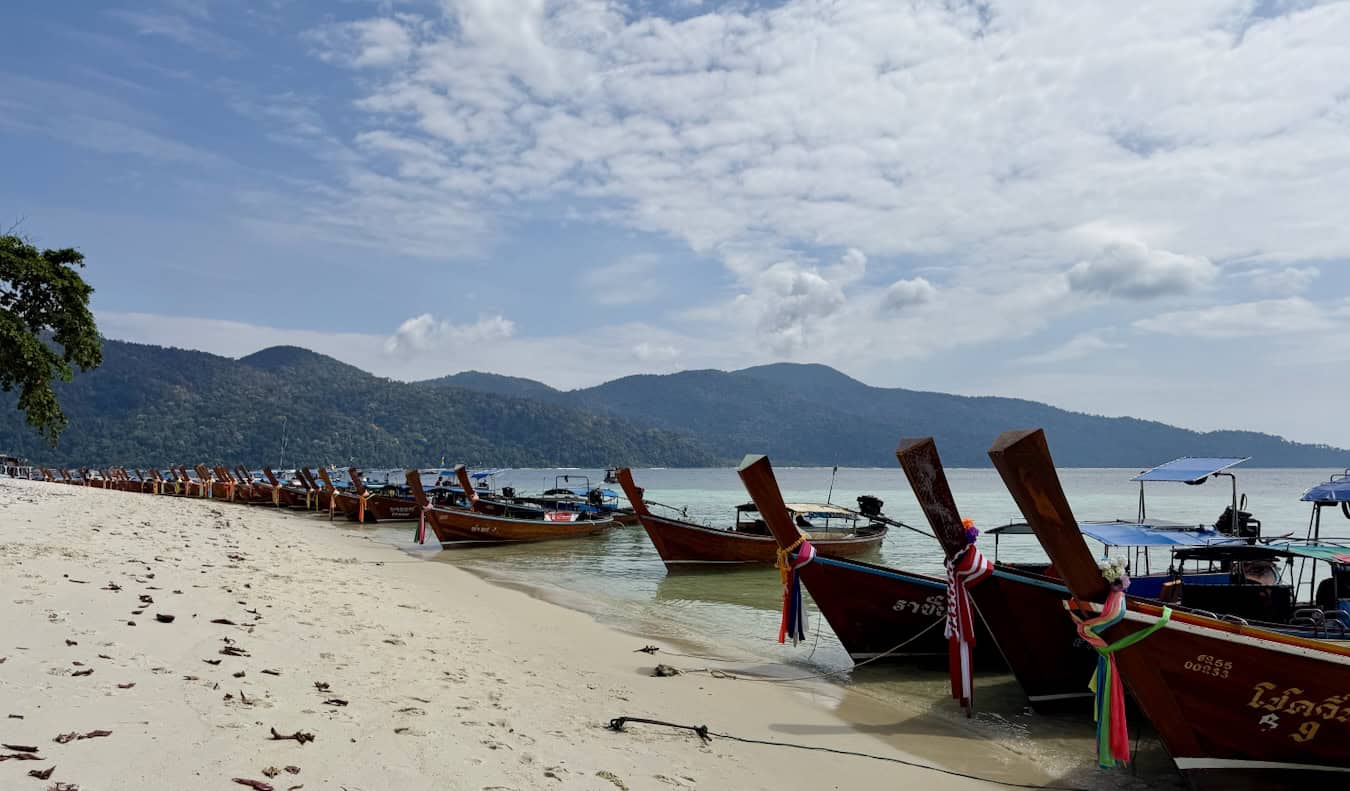
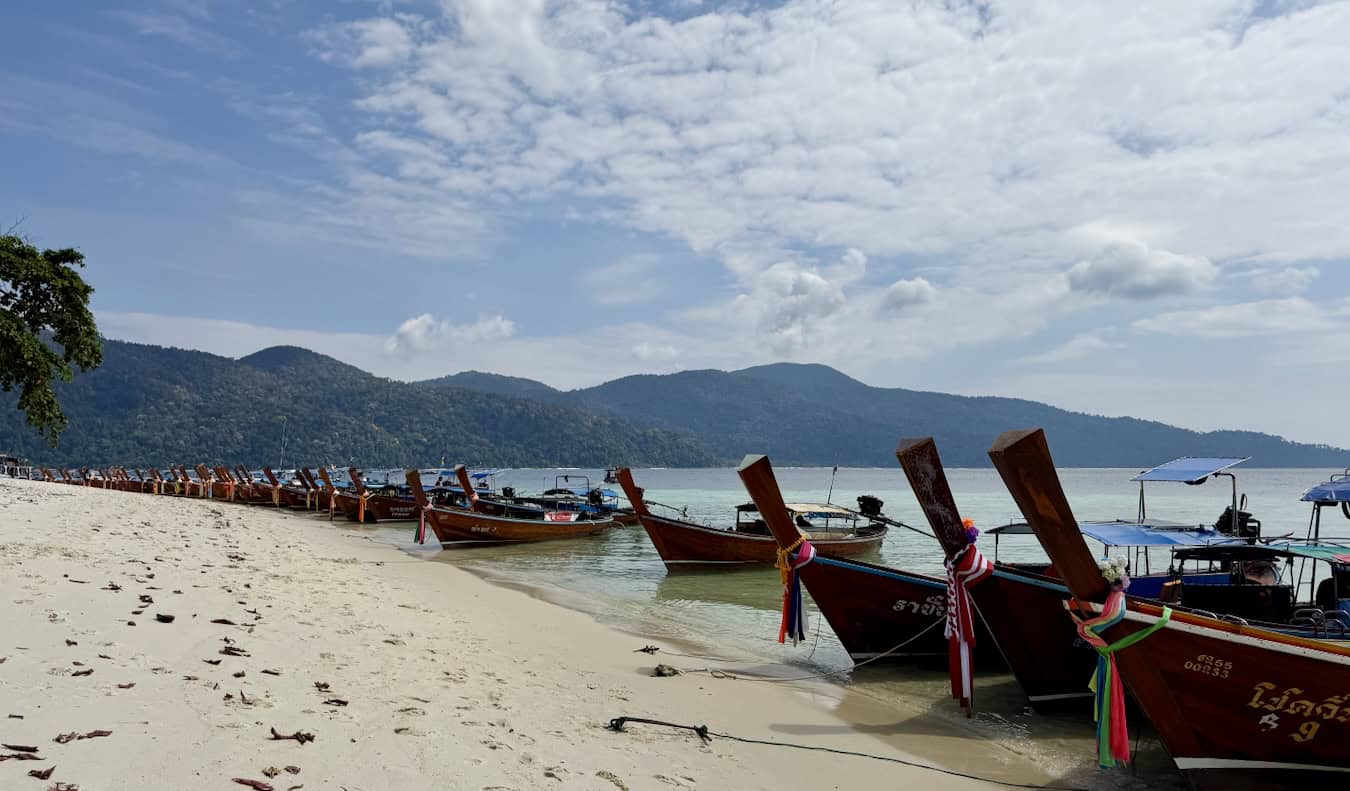
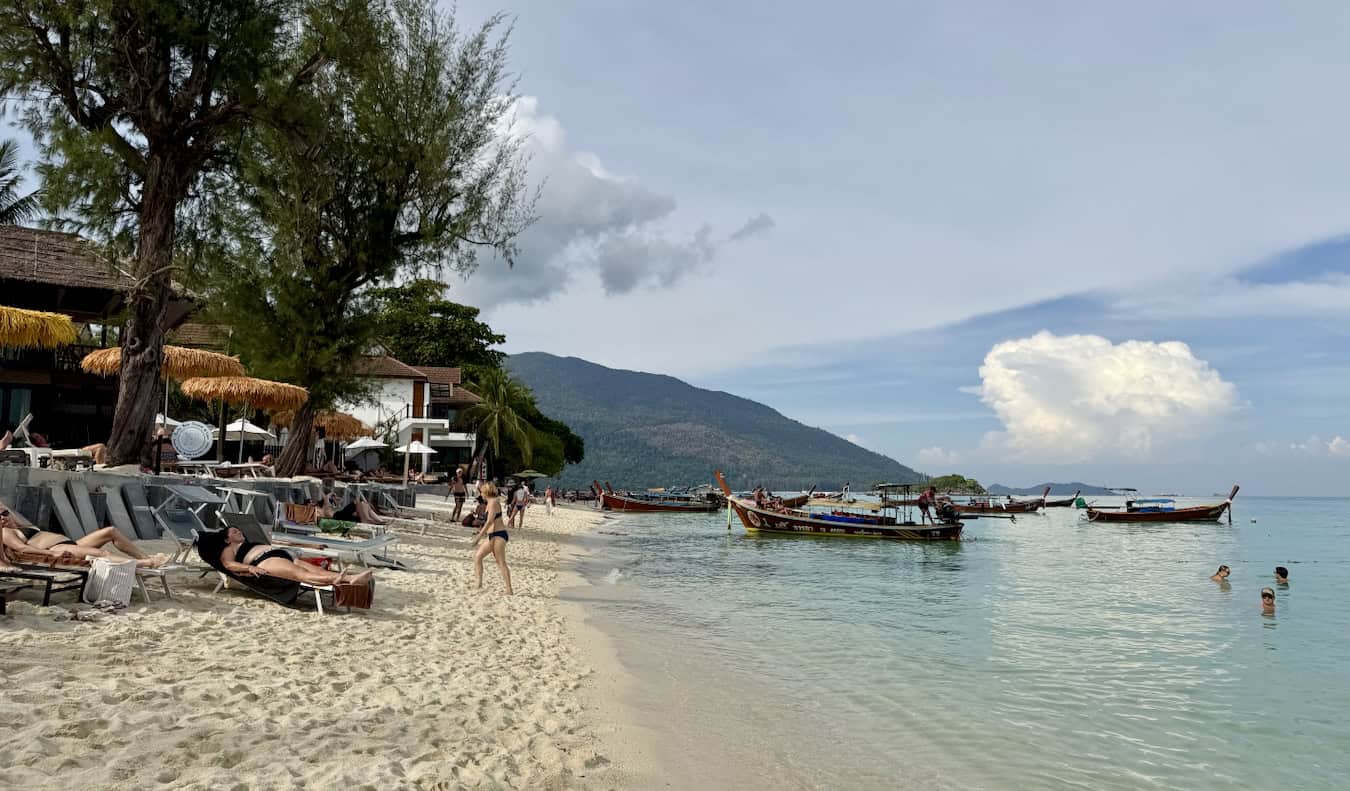
The marine environment has borne a heavy cost as well. The surrounding coral reefs are experiencing widespread die-offs, choked by the constant churn of boat traffic, dropped anchors, coastal pollution, and overfishing. The beaches, once framed by untouched nature, are now lined wall-to-wall with longtail boats. Their exhaust spills directly into the shallow waters, leaving a visible oily film across the shallows where visitors swim, and the local dining scene has shifted toward generic Western menus rather than authentic Thai cuisine.
The economic and social shifts have been equally stark. The island’s tourism boom has priced out many long-term local residents, who were compelled to sell their land to mainland developers. Consequently, much of the modern workforce is brought in from the mainland, seeing very little of the financial windfall generated by the tourism surge. Ko Lipe now stands as yet another cautionary tale of resource exploitation and rapid commercialization in rural Thailand.
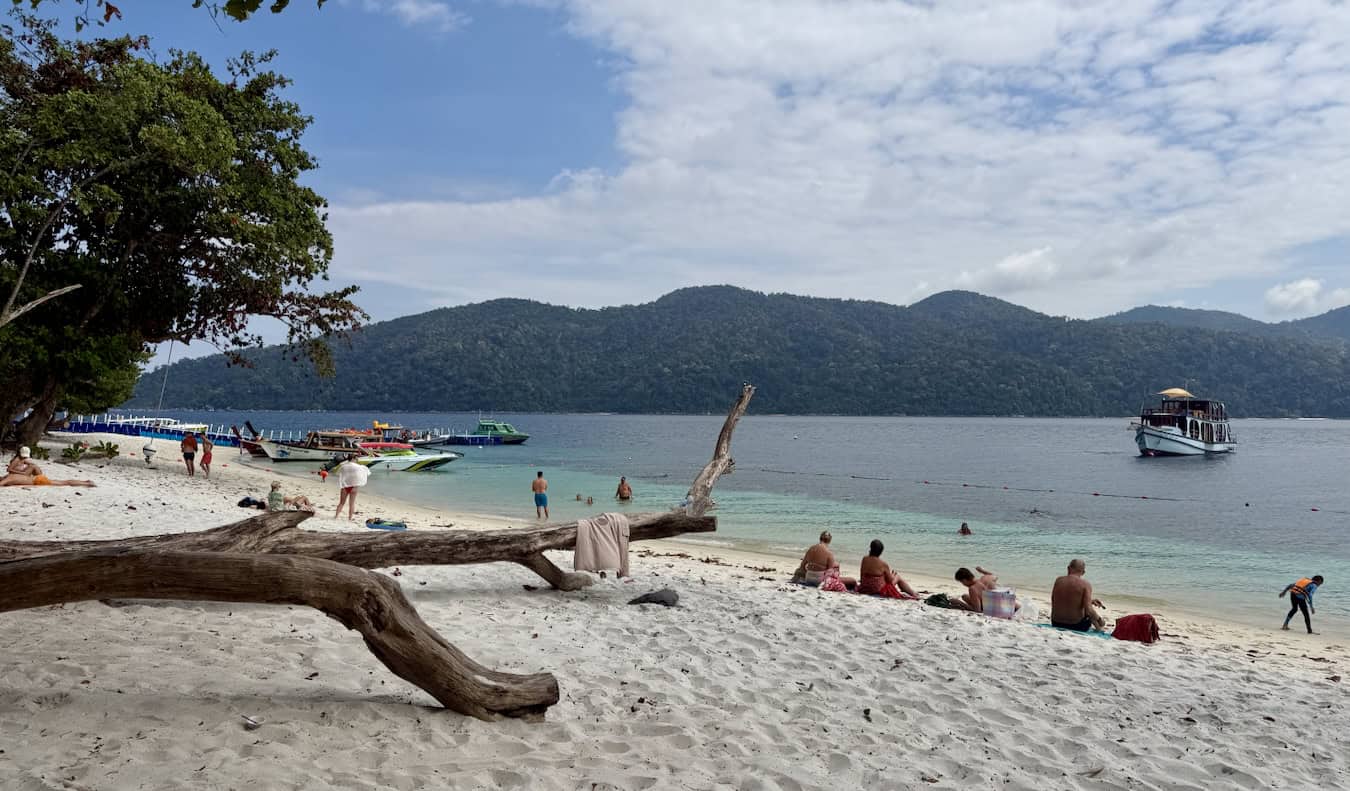
Despite these alarming environmental and social changes, it remains easy to understand why first-time visitors continue to fall under the island’s spell. The surrounding natural geography remains postcard-perfect in many ways. The Andaman Sea water retains its striking azure hue, the sand is remarkably fine and white, and because the island sits within the boundaries of a protected marine national park, organized boat excursions frequently transport travelers to stunning, secluded neighboring isles.
When measured against the immense development density found in major hubs like Phuket, Krabi, or Ko Phi Phi, Ko Lipe can still feel relatively compact to a newcomer taking their first steps onto the sand. Yet, the broader conclusion remains difficult to ignore: the island has surpassed its ecological carrying capacity, raising serious questions about whether travelers should continue visiting at all.
Healthy economic growth is not inherently negative, but the model currently dictating the fate of places like Ko Lipe is fundamentally unmanageable. Pouring more tourists into an ecosystem already buckling under its own weight only accelerates the degradation of its limited resources. Realistically, local residents cannot be expected to remain economically stagnant simply to preserve an idealized fantasy for foreign visitors. However, the current path of uncontrolled exploitation is ultimately destructive for everyone involved.
Fortunately, Thailand’s southern waters offer numerous alternative destinations that have benefited from more careful management and sustainable planning. Islands such as Ko Lanta, Ko Jum, and Ko Mook provide travelers with authentic coastal experiences without exacting the same devastating toll on local infrastructure and the environment.
Walking away from a place that holds such deep personal history is difficult, but responsible travel demands accountability. When tourism reaches a tipping point, recognizing that enough is enough becomes an ethical imperative for global citizens.
Consumer awareness has successfully shifted industry standards across the travel sector in the past. Public pressure and conscious consumer choices largely diminished the demand for elephant riding across Thailand, spurred the explosive growth of eco-lodges, and forced conversations about overtourism into the mainstream consciousness. Whether similar collective pressure can alter Ko Lipe’s trajectory remains uncertain, but withholding support ensures that individual travelers at least stop contributing to the ongoing crisis.