
Balancing international travel with professional commitments has long been one of the defining challenges of the modern mobile workforce. For digital nomads and location-independent professionals, the daily routine frequently devolves into a stressful search for a reliable workspace. Finding an environment that offers both a quiet, ergonomic setup and high-speed internet without hours of wandering through unfamiliar neighborhoods is a universal struggle. Navigating uncomfortable seating, subpar coffee shop Wi-Fi, and hosts who exaggerate their internet speeds has been a persistent frustration for remote workers navigating life on the road.
Historically, working remotely meant hunching over small, unstable tables in hostel common rooms or engaging in frustrating disputes with property owners who promised lightning-fast connectivity, only for the network to buckle under the strain of basic tasks like loading emails. These inadequate setups often forced workers to compromise either their productivity or their desire to explore new destinations, turning what should have been an exciting lifestyle into an exhausting logistical puzzle.
However, as remote work expanded dramatically in the post-pandemic era, a new sector of the hospitality and real estate market has emerged to address these exact pain points. A wave of specialized coliving spaces has established itself globally, blending the dedicated infrastructure of a professional coworking space with the vibrant social atmosphere of a boutique hostel, while omitting the basic dorm-style amenities of traditional budget accommodations. These properties are specifically tailored for digital nomads seeking a comfortable, fully equipped base where they can maintain high productivity during the day and easily connect with fellow travelers during off-hours, mitigating the isolation that frequently accompanies solo remote work.
Among the various platforms facilitating this lifestyle, Outsite has grown into one of the largest and most prominent global networks for remote professionals. Offering curated properties across multiple continents, the platform represents a significant shift in how location-independent workers approach long-term travel and housing.
What is Outsite?
Founded in 2015, Outsite operates as a global network of integrated coliving and coworking spaces engineered specifically for remote employees, location-independent entrepreneurs, and digital nomads. The enterprise originated from a single residential property in Santa Cruz, California, which was established to accommodate individuals who wanted to combine surfing with remote employment. In the years since its inception, the network has expanded to encompass more than 5,000 members and approximately 50 distinct locations worldwide.
The platform operates on a flexible booking model open to the general public, though individuals who opt for formal membership gain access to enhanced perks, priority booking, and reduced rates. Membership tiers include an annual subscription priced at $199 and a lifetime membership option available for $499. Among the primary benefits included in these memberships are access to exclusive, members-only locations, a complimentary week of stay in newly launched destinations, deep discounts during flash sales, substantial price reductions for extended stays, invitations to exclusive networking mixers, access to internal job and sublet boards, and various lifestyle perks.
Utilizing the platform involves browsing the main website, filtering properties by desired geographic destination or environmental ambiance—such as beachfront properties, urban settings, or mountain retreats—and securing a private room for the intended duration of stay.
How Does Outsite Work?
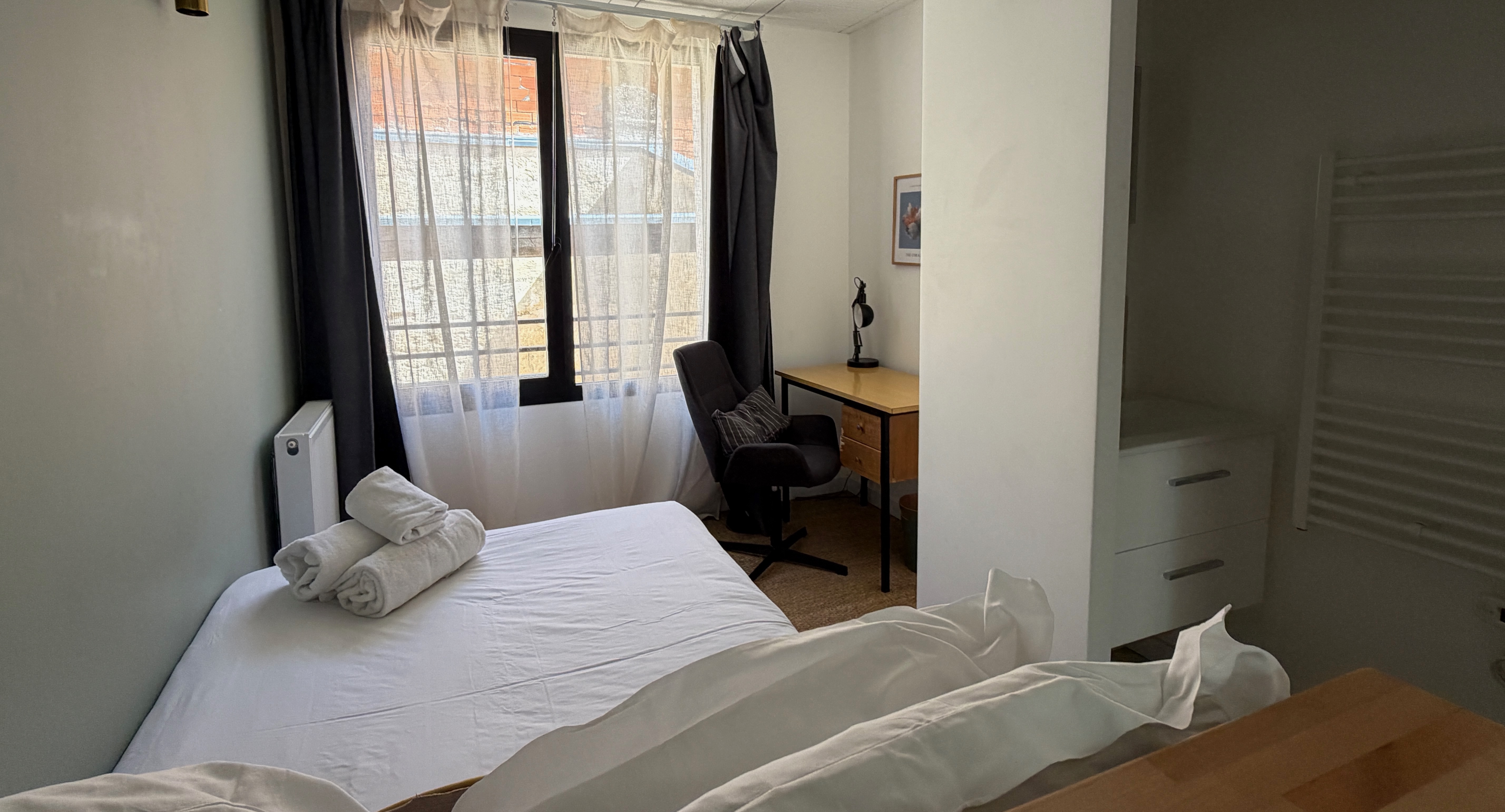
In practice, Outsite functions as a hybrid between a boutique hotel and a professional coworking office. When guests secure a reservation, they are booking a private bedroom. The majority of these rooms feature private en-suite bathrooms, though select budget-conscious options offer semi-private arrangements where a bathroom is shared with a single other guest.
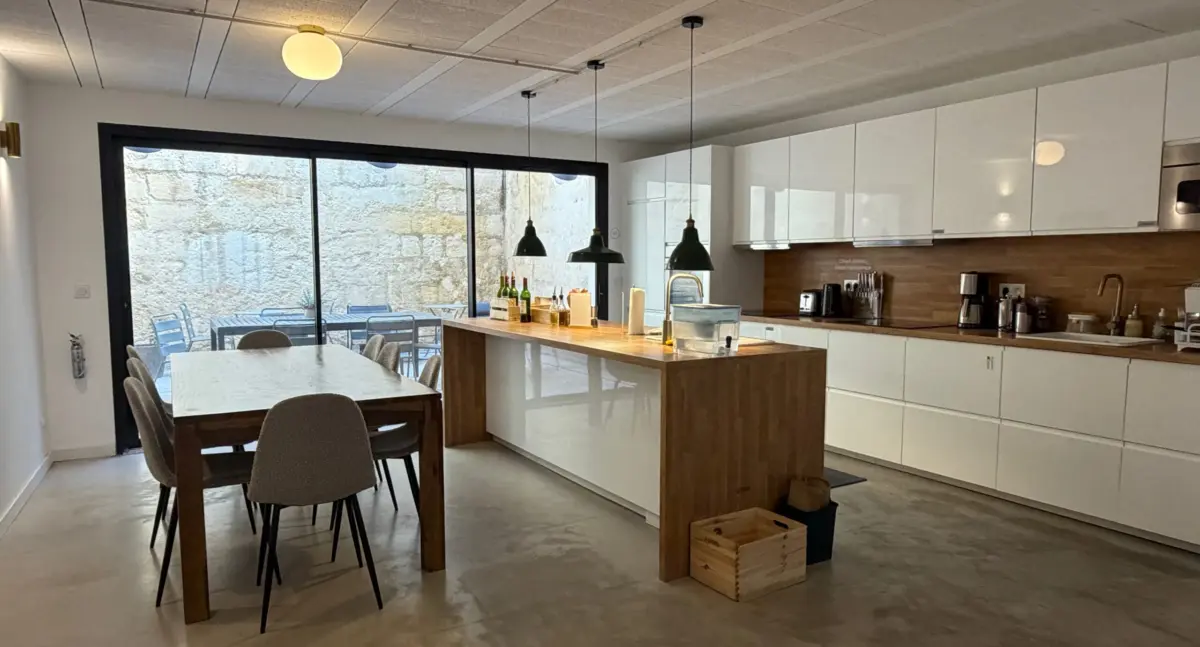
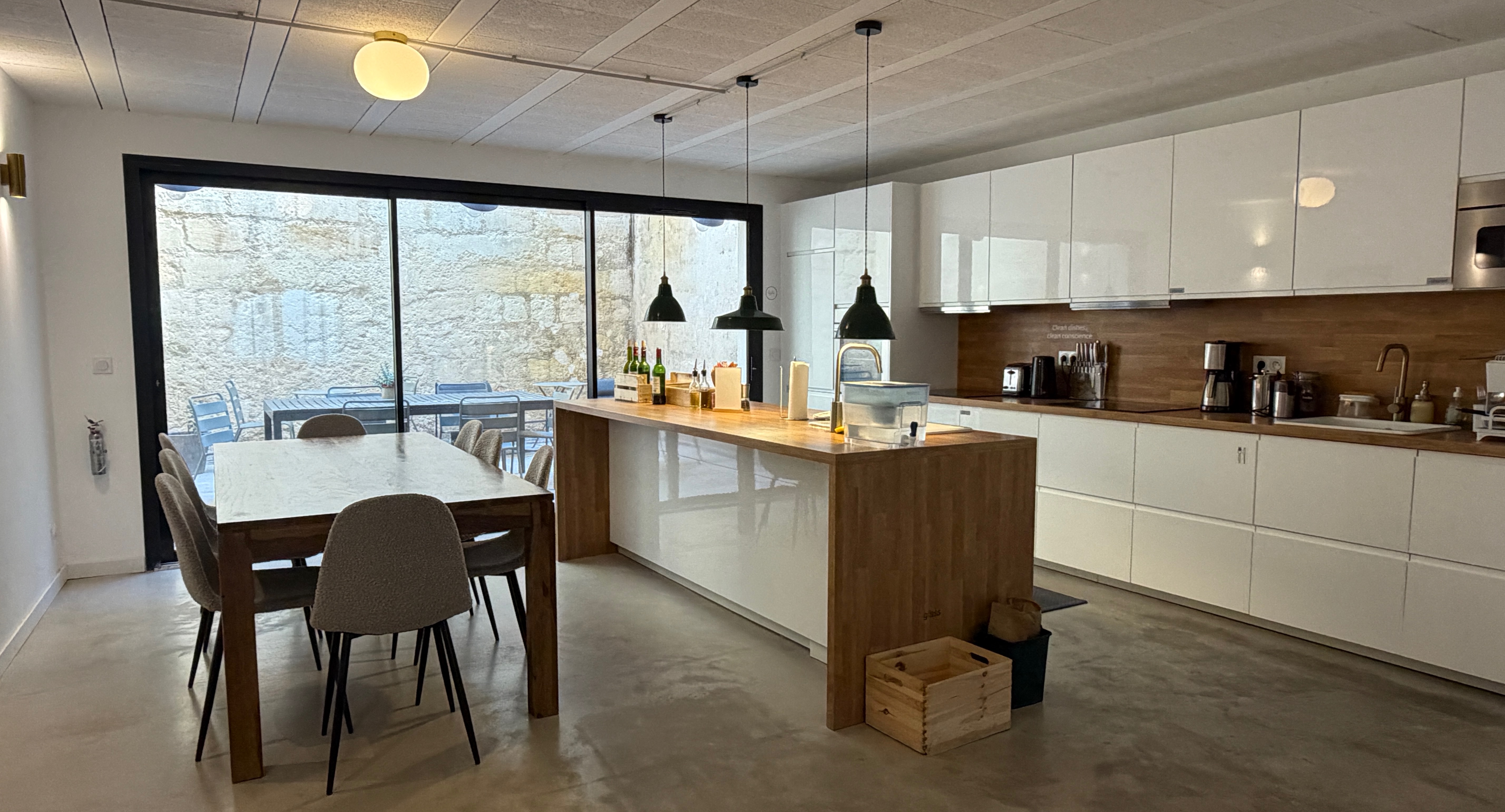
Every property within the network features expansive, professionally designed communal areas. Guests share access to fully equipped chef-grade kitchens that are rarely found in standard short-term apartment rentals, alongside spacious living rooms, outdoor patios, and, depending on the specific geography, rooftop terraces or swimming pools.
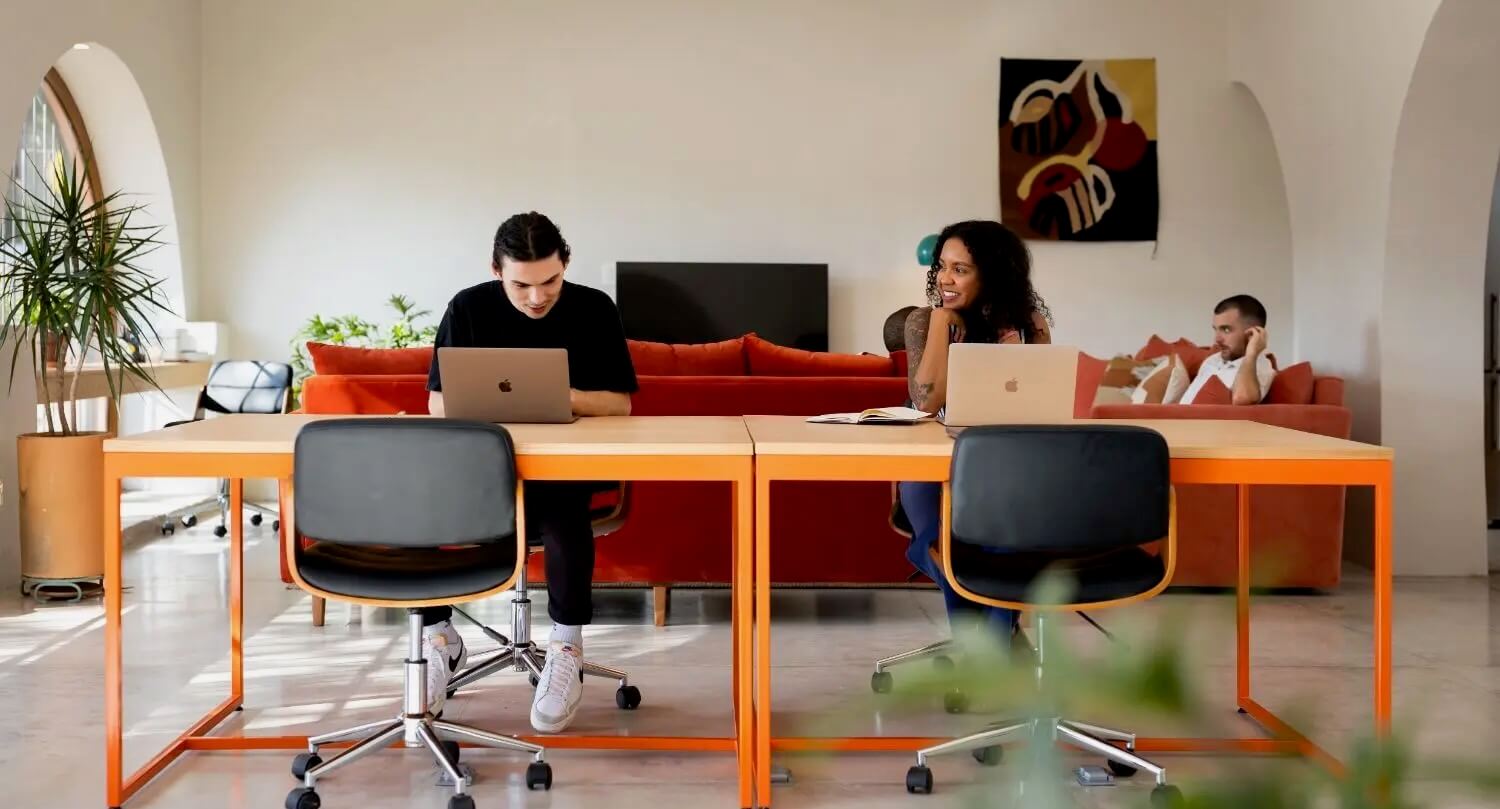
Crucially, every location incorporates a dedicated workspace built directly into the facility. These areas are outfitted with ergonomic seating, abundant electrical outlets, external monitors available for connection, and enterprise-grade, high-speed Wi-Fi. This layout allows residents to transition from their morning routine to a professional desk setup within minutes, fostering an environment optimized for deep focus.
Beyond physical infrastructure, the network places a strong emphasis on community curation. Each property employs a dedicated community manager. Prior to arrival, incoming guests are integrated into a localized messaging group where the manager coordinates regular events, such as family-style communal dinners, weekend excursions, local food and culture crawls, and wellness activities like morning yoga sessions. These structured opportunities provide residents with consistent avenues for social engagement. Furthermore, community managers serve as local guides, offering insider recommendations for neighborhood dining, cultural attractions, and logistical assistance throughout the duration of a stay.
Evaluating the Experience: Insights from Bordeaux
A closer examination of the operational model reveals both the distinct advantages and the practical considerations associated with this style of accommodation. Recent stays at properties within the network—such as the house in Bordeaux, France—highlight the standard of interior design and property management maintained by the organization.
Properties typically feature contemporary furnishings, dedicated work zones, shared laundry facilities, and auxiliary wellness amenities like small fitness rooms. Private quarters generally include functional desk space, quality bedding, and modern bathrooms equipped with high-pressure fixtures.
Shared kitchen spaces benefit from daily professional cleaning services and generous counter space, encouraging communal cooking and socializing among residents. Complimentary coffee and tea are standard amenities across the board. The overarching interior design philosophy prioritizes natural light, indoor foliage, and regionally sourced art, creating an atmosphere that diverges sharply from the sterile environment of traditional corporate hotels or standard budget rentals.
Nevertheless, the primary appeal for many long-term travelers remains the social dimension. Because remote work is inherently solitary—often confined to isolated hotel rooms or anonymous coffee shops—meeting peers can present a significant hurdle. In a coliving environment, residents are surrounded by other professionals who understand the realities of maintaining a career while on the move. Unlike traditional backpackers focused entirely on leisure sightseeing, guests at these properties are balancing active employment schedules, leading to a shared routine and mutual understanding. With typical stays lasting two weeks or longer, residents have ample time to build genuine rapport, supported by the programming organized by the on-site community manager.
Practical Considerations for Prospective Travelers
Despite the structural advantages, travelers must weigh certain practical limitations before booking. Properties within the network are not positioned as budget accommodations. Individuals accustomed to low-cost hostel dormitories will find the pricing model significantly higher, as guests are paying a premium for private rooms, guaranteed workspace infrastructure, and curated community management. However, when evaluating the cumulative expense of renting a standard apartment independently while simultaneously purchasing a monthly subscription to an external coworking space, the total expenditure often aligns comparably.
Additionally, high demand means that popular properties in major global hubs book out months in advance. Securing accommodations in sought-after destinations during peak seasons requires substantial advance planning, reducing the possibility of spontaneous travel modifications.
Frequently Asked Questions
Membership is not a strict prerequisite for securing a reservation, as non-members are permitted to book stays across the network. However, for individuals planning extended travel periods, the annual membership fee is frequently offset by the nightly rate discounts provided to members.
While there is no formal upper age limit, guests must meet the legal age requirement to book, typically set at 18 or 21 depending on local regulations. The demographic profile of guests predominantly consists of working professionals in their late twenties, thirties, and forties, skewing older and more career-oriented than traditional backpacker hostels.
Minimum stay requirements vary by property. Most locations enforce a two-night minimum, accommodating weekend travelers and short visits. Conversely, specific properties situated in major metropolitan areas subject to strict municipal housing regulations may mandate minimum stays of 30 days or longer.
Due to the shared nature of the residential spaces, communal kitchens, and living areas, pets are generally prohibited across the network to ensure the comfort of all residents and prevent potential allergen issues.
Ultimately, modern coliving networks illustrate how the infrastructure supporting location-independent professionals continues to evolve. By merging the privacy of residential housing with the productivity of corporate offices and the social framework of community living, these platforms offer an alternative model for professionals seeking to sustain their careers while exploring the world.