
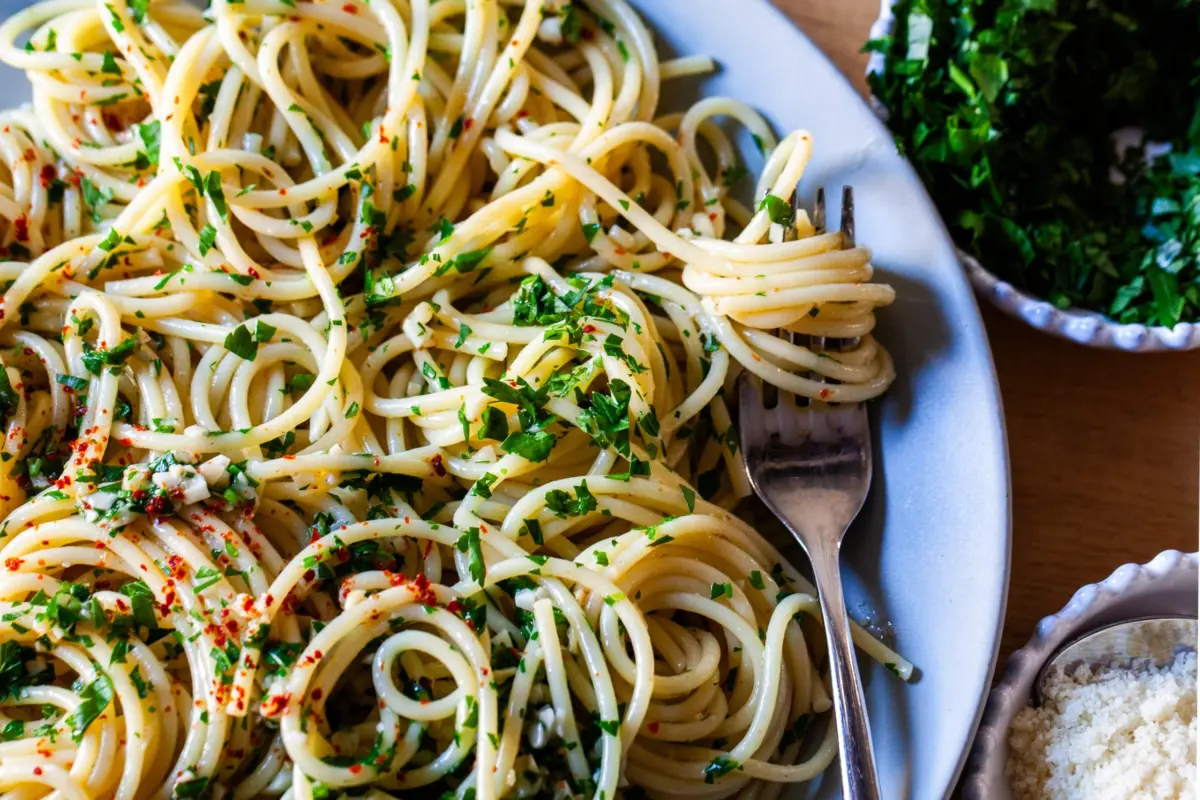
As the dog days of summer reach their peak, home cooks across the country are facing a familiar seasonal dilemma. It is a moment defined by a dwindling supply of both available ingredients and the physical energy required to orchestrate a complex meal. Anyone who has ever looked around a sparsely stocked kitchen, calculated their remaining patience, and ultimately decided to simply boil a pot of spaghetti, toss it with garlicky olive oil, and call it dinner is not alone. This universal culinary retreat has a long and storied history, proving that when the temperature rises and energy reserves hit rock bottom, simplicity reigns supreme.

There is, of course, an actual, official name for this minimalist masterpiece: aglio e olio. Hailing from the historic city of Naples, Italy, the dish has earned legions of devoted fans among exhausted home cooks far and wide. Its enduring appeal lies in a remarkably short list of pantry-staple ingredients that most people already have on hand, paired with a disproportionately high amount of flavor and joy yielded from them. Yet, despite its reliability, many cooks admit to forgetting that it exists for months at a time, only to rediscover it during moments of seasonal fatigue.
There is truly no time like the height of summer—or those challenging days spent navigating the quirks of an ill-equipped vacation rental house kitchen—to remind people of a fundamental culinary truth. It simply does not matter how many sophisticated or complex techniques a cook knows; nothing has the power to rouse people from their post-beach slumbers or draw them away from their screens quite like the aromatic wizardry of garlic sizzling in olive oil. The unmistakable, savory scent drifting down a hallway or through a vacation home invariably prompts the same universally intrigued reaction: an eager, head-turning inquiry of what smells so good.

For seasoned home cooks, aglio e olio serves as the ultimate back-pocket recipe. Over the years, it has proven its versatility by being eaten simply as-is alongside a crisp salad, paired with whatever fresh produce looked appealing at the local farmers market that week, or tossed with a scattering of diced roasted vegetables that had been lingering in the crisper drawer on their absolute last legs. For those looking to add a bit more heft to the plate, the dish accommodates proteins effortlessly, welcoming a topping of lemony grilled shrimp or seared chicken thighs with open arms. When a household rediscovers the dish after a long hiatus, the collective reaction is always one of pure enthusiasm, welcoming the classic back into the regular meal rotation with open arms.
The beauty of the dish is that August is a time for working less hard, both inside and outside of the kitchen, and a foolproof pasta dish aligns perfectly with that seasonal ethos. Achieving the best possible version of aglio e olio, however, relies on a few subtle but essential techniques that elevate the humble ingredients from basic to brilliant.

Spaghetti Aglio e Olio
The process begins at the stove, where a pot of well-salted water is brought to a rolling boil for the spaghetti. The pasta should be cooked until it is roughly one to two minutes shy of being fully done. Crucially, before draining the pasta, the cook must set aside one cup of the starchy cooking water, reserving it for later integration.
Rather than heating the oil and garlic first—a common mistake that can lead to scorched, bitter bits—the method starts cold. In an empty pan, the olive oil, sliced or minced garlic, and red pepper flakes are combined before the heat is turned to medium. This gradual warm-up prevents the garlic from cooking too fast and ensures its flavor infuses the oil gently. The mixture is then cooked while stirring continuously until the garlic just begins to take on a warm, golden color.

At this stage, the drained pasta is added directly to the pan along with about half of the reserved pasta water. The mixture is heated together while being stirred vigorously. This vigorous agitation allows the starchy pasta water and the garlic-infused oil to emulsify, creating a rich, glossy coating that clings evenly to every strand of spaghetti. If the sauce begins to tighten up too much, the remaining reserved pasta water is added gradually to keep the texture loose and fluid.
To finish the dish, a handful of fresh parsley and any desired additional seasonings are tossed in. The pasta is best served immediately, finished with an extra drizzle of fresh olive oil right on top. While purists often debate the inclusion of cheese, adding Parmesan on top may not be strictly traditional, but in the spirit of low-stress summer cooking, the prevailing philosophy remains clear: your house, your rules.