
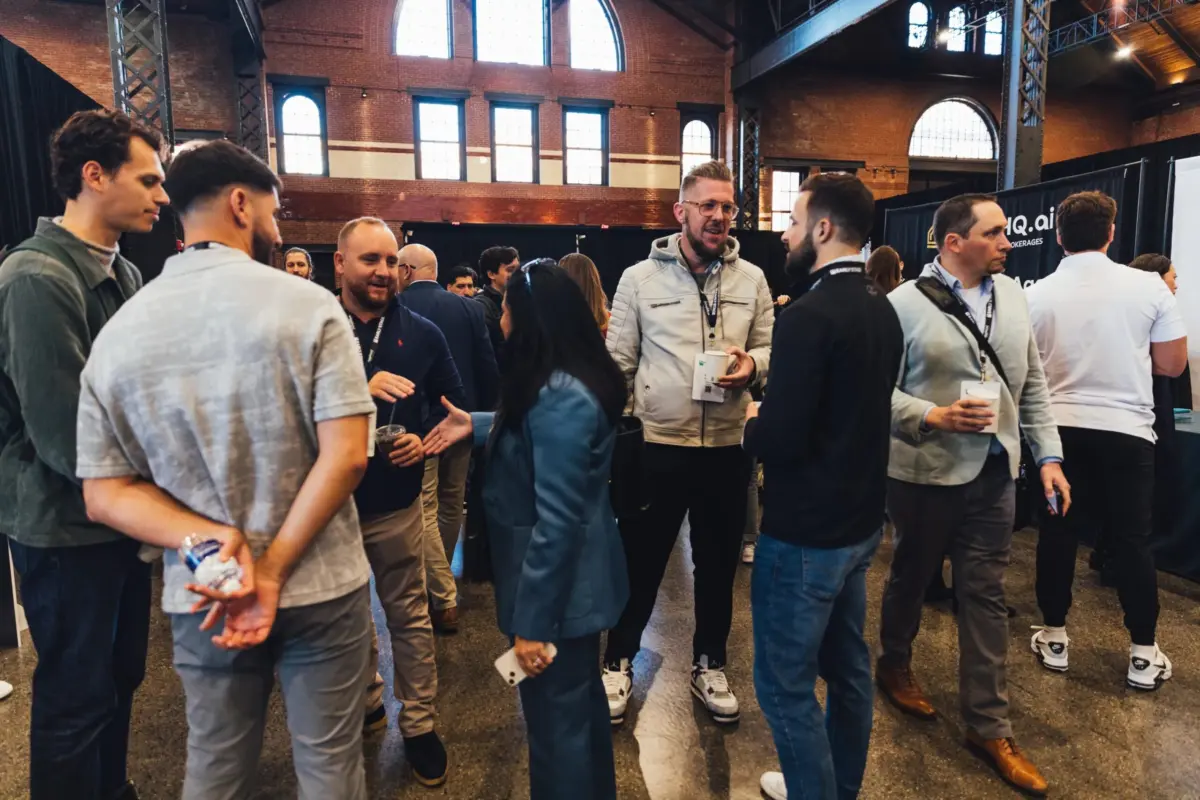
The intersection of early-stage ambition and seasoned investor insight takes center stage in Boston as the TechCrunch Founder Summit 2026 opens its doors at the historic SoWa Power Station. Bringing together a diverse ecosystem of founders, venture capitalists, and industry leaders, the one-day immersive event is carefully calibrated to move beyond high-level keynote inspiration and dive straight into the practical mechanics of building, scaling, and sustaining high-growth enterprises in a shifting economic climate.
While great founder sessions often spark immediate epiphanies, conference organizers have structured this year’s agenda around the philosophy that the real transformation frequently happens in the nuanced conversations just moments after a panel ends. Designed to accommodate multiple learning styles throughout the day, the summit features a multi-tiered format that blends tactical operational workshops, deep-dive roundtables, live pitch critiques, and intentional networking sessions.
Attendees navigating the venue will find themselves moving through a meticulously designed ecosystem that addresses every phase of the startup lifecycle, from the initial hurdles of securing early capital to the complex strategic decisions required when enterprise momentum finally catches fire.
All-day founder bootcamp
Start with the Build Stage: practical lessons for building what comes next
The opening phase of the summit is anchored by the Build Stage, a specialized track dedicated entirely to the foundational decisions founders must make while actively shaping, testing, and expanding their business models. Rather than focusing on abstract theories, these sessions dissect the granular mechanics behind company creation, covering critical pillars such as market distribution, capital acquisition, organizational design, and compelling narrative development.
Opening the day’s discussions, Hunter Worland of NEA addresses a fundamental truth that many early-stage operators learn the hard way: superior technology alone is no longer enough to guarantee market dominance. Worland explores how strategic distribution can evolve into a startup’s definitive competitive advantage, cutting through the noise of crowded markets to reach end users effectively.

Shifting the lens toward financial realities, Kristen Craft of Fidelity Private Shares delivers a comprehensive, real-time assessment of prevailing fundraising trends. Craft’s insights provide founders with a clearer understanding of how the broader capital allocation environment is shifting, offering actionable guidance on how startup leaders should calibrate their strategies when approaching their next financing milestone.
The Build Stage also tackles the human element of early-stage growth, offering tactical advice on constructing high-performing teams and refining the core story that must be communicated to investors, prospective customers, and top-tier talent alike. Addressing a deceptively simple yet critical benchmark, Dave Balter of True Ventures and Edisyl challenges founders to evaluate whether their pitch fundamentally earns them the right to a follow-up conversation.
The collective utility of the Build Stage lies in its immediate applicability, delivering lessons that founders can take straight from the conference room back to their respective headquarters.
Use the Impact Stage to think about what happens after something starts working
If the Build Stage is designed to ignite initial momentum, the Impact Stage is built for the complex challenges that emerge once a company’s engine begins to fire successfully. This track invites founders to temporarily step away from day-to-day operations and confront macro-level decisions surrounding product-market fit, enterprise scaling, organizational leadership, and long-term defensibility.
Steve Fredette, president, co-founder, and director of Toast, brings an invaluable perspective drawn from the trenches of building one of Boston’s most celebrated technological success stories. Fredette’s experiences offer a blueprint for navigating the immense operational pressures of scaling a major enterprise from local roots to widespread prominence.
Delving into the psychological and strategic friction points of growth, Rudina Seseri, founder and managing partner of Glasswing Ventures, examines the delicate tension that every successful founder eventually confronts. Seseri discusses how to identify the precise moments to accelerate expansion versus when exercising restraint or hitting the brakes may actually safeguard the long-term health of the business.

Further exploring the prerequisites of sustainable growth, Kent Bennett of Bessemer Venture Partners zeroes in on the rigorous evaluation of product-market fit prior to scaling. Bennett helps founders develop a more critical eye regarding the market signals they receive, ensuring that early traction genuinely justifies the significant capital and operational expenditures required for the next growth phase.
Rounding out the stage perspectives, Chase Garbarino, CEO and co-founder of HqO, delivers the Boston Founder Playbook, offering strategic insights on building deeply ambitious companies outside traditional coastal tech hubs like Silicon Valley. The Impact Stage ultimately provides a much-needed sanctuary for leaders to lift their heads from the tactical weeds and evaluate whether they are scaling the right objectives, through the right methods, at the optimal time.
Go deeper in the roundtables
While main-stage presentations offer broad perspective, the summit’s intimate roundtable discussions provide the specialized environment necessary to tackle hyper-specific operational hurdles. These breakout sessions focus directly on targeted problems that founders are actively navigating, ranging from breaking into notoriously difficult industry verticals to establishing enterprise trust and forging strategic customer relationships.
Chirag Shah of Define Ventures leads a focused discussion on the unique obstacles startups face when their very first target vertical happens to be among the most complex and heavily regulated markets to enter.
On the technical frontier, a specialized session led by Shishir Tewari of Procore Technologies shifts the artificial intelligence dialogue away from generalized industry hype and toward the gritty, practical engineering challenges of mitigating data hallucinations through enhanced enterprise context.
Expanding on enterprise sales dynamics, Merve Kitapci of ADIN.AI breaks down the exact playbook required to secure major global customers even before a startup reaches its Series A funding milestone. Meanwhile, Andy Tang of Draper Associates prompts founders to consider an entirely different paradigm: how to build and market a company when operating in a category that does not yet have an established name.

Addressing organizational evolution, Linden Tibbets of IFTTT explores how ongoing advancements in artificial intelligence are fundamentally altering foundational assumptions regarding lean team sizes, overall productivity, and the true operational capacity of a small enterprise.
The primary advantage of these roundtables is active participation. Rather than passively absorbing information, attendees can voice their unique challenges, benchmark experiences with peers facing identical roadblocks, and depart with solutions tailored to their exact business realities.
Watch the startup pitch advice get tested live
The Founder Summit also provides a transparent, high-stakes laboratory where theoretical pitching advice is subjected to real-world scrutiny. During the live "So You Think You Can Pitch?" session, brave founders step forward to pitch their ventures directly in front of an expert panel of investors, including Dave Balter, Chirag Shah, and Simran Suri of Maveron.
This interactive segment transforms abstract presentation strategies into a live masterclass, demonstrating precisely what commands an investor’s undivided attention, where a narrative risks losing momentum, and which difficult inquiries inevitably arise under pressure. For any entrepreneur currently preparing for an upcoming fundraise, enterprise sales cycle, or recruitment push, observing these unscripted investor reactions offers unparalleled educational value.
Spark meaningful connections with Braindate networking
Recognizing that organic collaboration remains one of the most powerful catalysts for entrepreneurial success, the Networking Lounge powered by Braindate offers attendees a structured yet flexible mechanism for intentional connection throughout the day.
Participants can schedule dedicated one-on-one dialogues, join collaborative small-group discussions, or seek out peers working through the exact same operational bottlenecks. Whether it is pairing a session on product-market fit with a direct conversation alongside another founder tackling identical scaling pains, or translating insights from the pitch competition into shared preparation strategies for an upcoming fundraise, Braindate successfully bridges the gap between passive content consumption and active community engagement.

Keep it going at the closing reception
The comprehensive day of learning and networking concludes with a celebratory closing reception presented by Fidelity Private Shares. This final gathering provides attendees with the unstructured space needed to continue promising dialogues without the pressure of rushing to the next scheduled keynote.
Organizers emphasize that some of the most enduring and commercially valuable relationships forged at industry events naturally occur after the formal programming winds down, once participants have shared a common room, debated complex questions, and built mutual rapport throughout the day.
One day, several ways to learn
The Founder Summit is deliberately designed to resist a one-size-fits-all conference model. By integrating the tactical foundations of the Build Stage, the strategic leadership perspective of the Impact Stage, the granular problem-solving of roundtables, the real-time feedback of the pitch competition, the intentional networking of Braindate, and the relaxed environment of the closing reception, the event delivers a multifaceted learning experience tailored to the realities of modern entrepreneurship.
Bring a partner and cover more ground
The TechCrunch Founder Summit 2026 takes place on November 4 at the SoWa Power Station in Boston. Registration is currently open, with standard passes granting full access to all breakout sessions, interactive roundtables, Braindate networking hubs, the Expo Hall, and comprehensive post-event session materials.
To help startups maximize their conference experience, organizers are currently offering a special promotional incentive: purchasing a single pass grants a second pass entirely free of charge. This allows founding teams to divide and conquer the packed agenda, bringing along a co-founder, strategic partner, or key team member to ensure no valuable insight is missed. Passes and group bundle discounts are available now for founders looking to connect with the broader regional and national innovation community in Boston.