
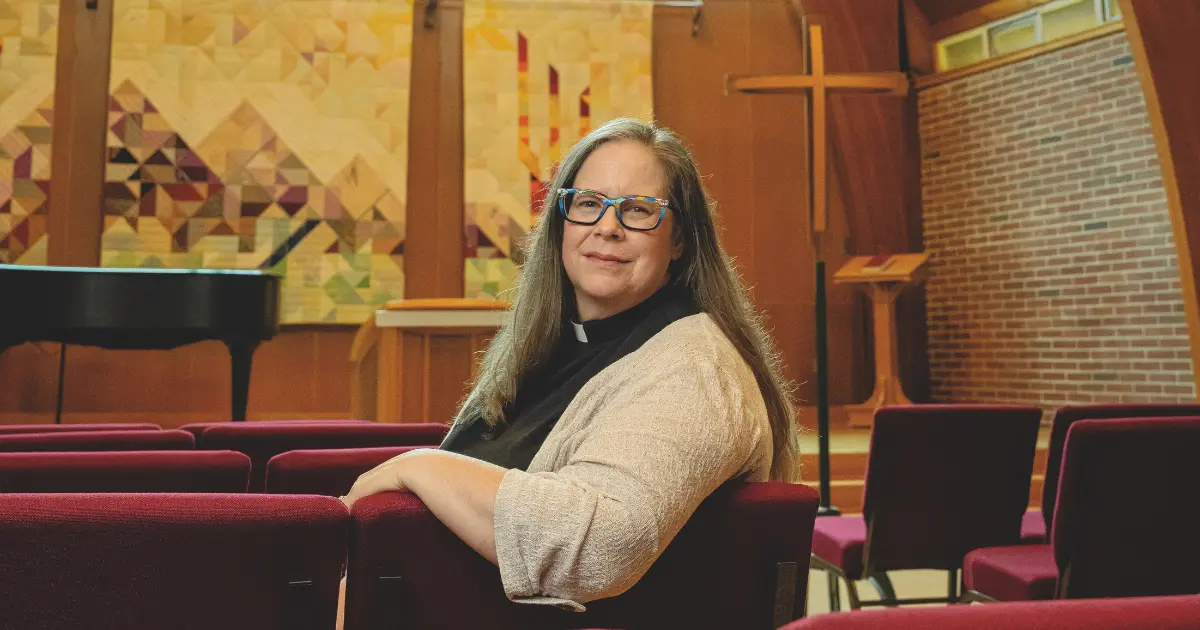
As religious institutions navigate an era of shifting demographics and declining traditional membership numbers, church leaders are increasingly looking backward to find a path forward. According to Rev. Heather McCance, president of the Atlantic School of Theology, the contemporary model of institutional church administration bears little resemblance to the earliest days of Christianity.
Reflecting on the historical evolution of faith communities, McCance notes that during the time of Jesus and the early apostles, followers of the faith did not operate with the sprawling infrastructure, complex hierarchies, or rigid institutional frameworks that characterize many modern denominations. Instead, the Apostle Paul simply empowered local believers, training ordinary members of the community to do whatever was necessary to lead, nurture, and sustain their congregations.
Today, as congregations grapple with shrinking rolls and constrained resources, McCance observes that many churches are naturally reverting to that foundational, apostolic way of being. Rather than viewing these structural contractions as a terminal decline, she sees a purposeful evolution toward a more decentralized, ecumenical, and community-driven model of faith.
Crucially, McCance emphasizes that the individuals who remain actively involved in church life today are there out of a profound and deliberate personal commitment. This high level of intentionality among modern parishioners, she suggests, represents a tremendous and often overlooked strength for congregations striving to redefine their purpose in the twenty-first century.
To help contemporary faith communities navigate this period of profound transition and address the persistent leadership gap, McCance has outlined ten strategic principles designed to empower remaining members, distribute responsibilities equitably, and ensure long-term sustainability without relying on outdated models of operation.
The first principle focuses heavily on shifting internal perspectives by encouraging congregations to reframe their collective mindset. McCance urges church communities to view themselves through an apostolic lens, asking how they can meaningfully respond to the unique needs of today’s society rather than clinging exclusively to the traditional ways of doing things that may no longer serve their neighborhoods.
Building upon this adjusted mindset, the second principle emphasizes the critical importance of leaning into shared leadership. By actively identifying and nurturing the distinct spiritual gifts of each individual within a congregation, churches can ensure that the heavy responsibilities of ministry and administration are never carried by a single person alone. Sharing the tasks of ministry ensures that everybody is adequately cared for and that the burden of community life is distributed fairly among the membership.
However, sharing responsibilities successfully requires adequate preparation, leading to McCance’s third recommendation: equipping the ministry team to succeed. McCance points out that churches have historically excelled at asking volunteers to step up and take on various tasks, but they have frequently fallen short when it comes to providing the necessary training to perform those roles effectively. She advises congregations to seek out relevant educational resources and leadership development programs to build confidence and competence among their teams.
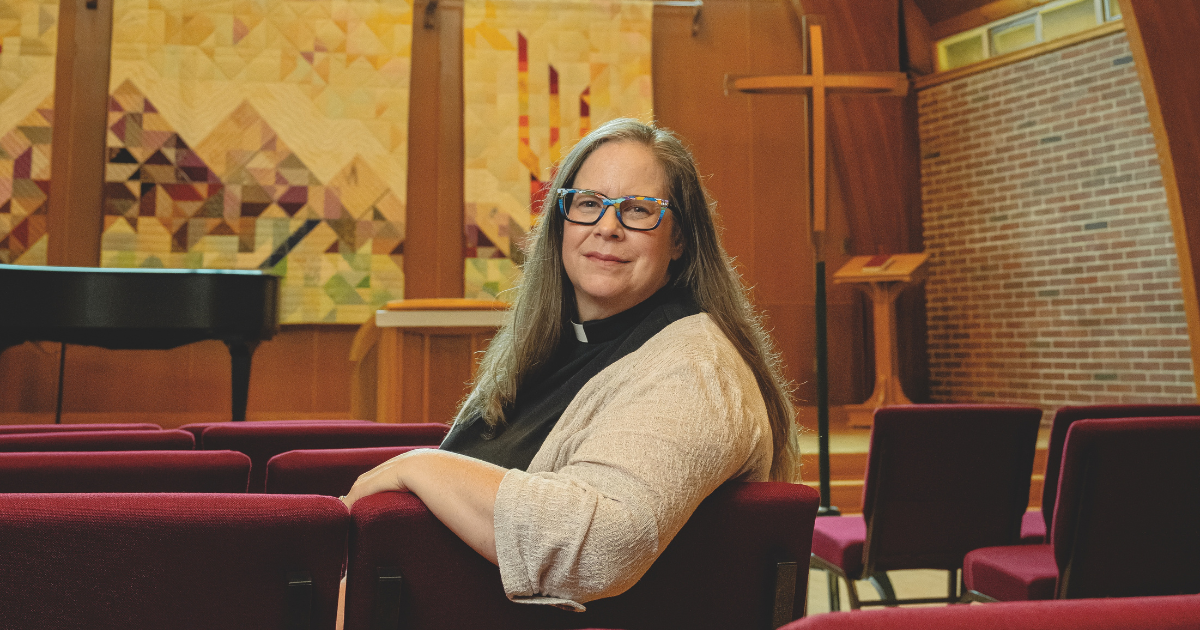
Complementing practical training is the fourth principle, which calls for the creation of ongoing spiritual study programs. Intentional spiritual development tailored for the entire congregation serves as a powerful bonding agent, strengthening the social fabric of the community as members engage in mutual renewal and learning together.
In an environment marked by rapid social and cultural shifts, McCance’s fifth principle underscores the necessity of being pragmatic. Adapting to changing circumstances is essential for organizational survival, requiring congregations to embrace innovative ideas and unfamiliar approaches, even when doing so feels uncomfortable or challenges long-held institutional habits. In her view, faith communities should take heart, believing that contemporary ministry holds exciting potential for new expressions of faithfulness.
Pragmatism naturally dovetails with the sixth principle, which advises leaders to carefully target their energies and recognize that scaling back is not a sign of failure. McCance stresses that being realistic about organizational capacity is vital for survival. Successful modern churches understand when it is time to gracefully scale back programs and offerings to match the actual time, energy, and capacity of their active members, preventing widespread burnout.
To expand their reach and pool resources, the seventh principle encourages congregations to actively seek out local partnerships. By beginning conversations with neighboring groups centered on mutual resource-sharing—asking fundamental questions about what each entity possesses—churches can discover fruitful opportunities to share physical buildings, administrative resources, or leadership personnel.
Recognizing the human cost of intensive volunteer work, the eighth principle emphasizes the need to create a deliberate plan for turnover. When individual leaders or volunteers inevitably need to step back to rest, having structured pathways for others to step in ensures continuity. McCance notes the theological and practical reality that human beings are not called by God to burn themselves out in the service of the church.
To prevent short-lived initiatives from collapsing, the ninth principle calls for proactive succession planning. A persistent lack of intentional succession planning often results in ministries that manage to survive for a few years before ultimately falling apart. McCance urges congregations to continually identify, mentor, and cultivate new generations of leadership to ensure long-term viability.
Finally, the tenth principle reminds leaders and congregations that they do not need to try to do everything alone. Robust support networks are readily available, whether through formal regional church councils, broader ecumenical organizations, or the wider secular community in which the church operates.
Despite the undeniable challenges facing contemporary religious institutions, McCance remains fundamentally hopeful about the future of organized faith. Small churches, she maintains, will consistently find creative and faithful ways to live out their calling and remain true to who God is calling them to be in a changing world.