
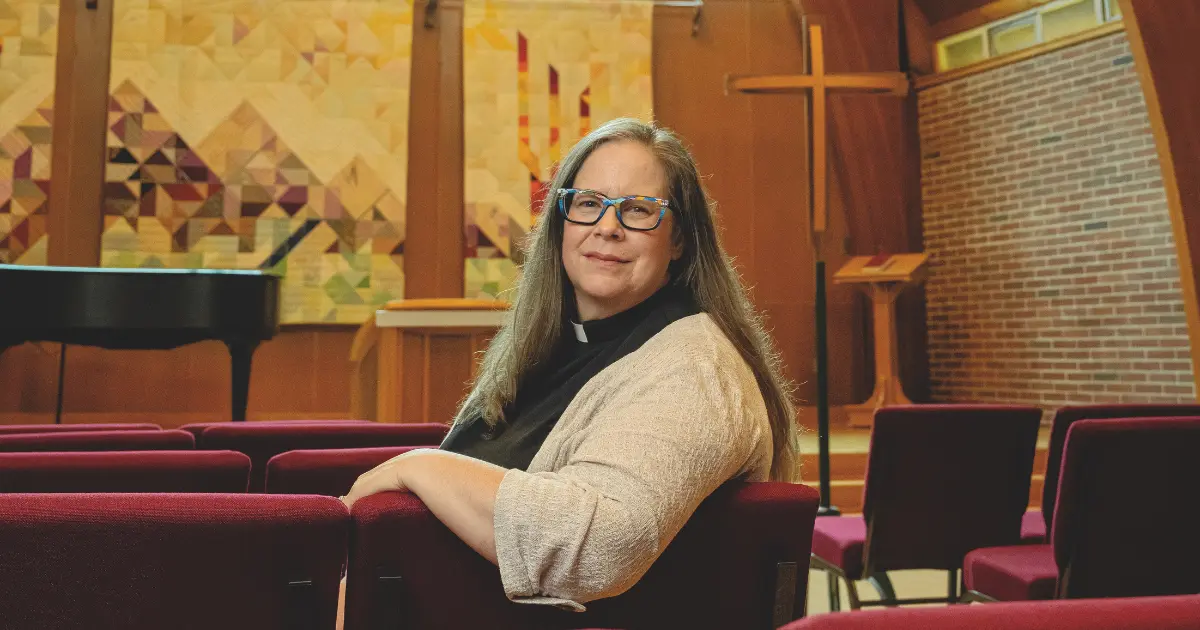
As religious institutions navigate an era of declining membership and shifting cultural landscapes, faith leaders are increasingly looking backward to find a path forward. According to Rev. Heather McCance, president of the Atlantic School of Theology, the contemporary model of institutional church operations bears little resemblance to the earliest days of Christianity.
In the time of Jesus and the early apostles, formal ecclesiastical infrastructure as it is known today simply did not exist. Instead, the Apostle Paul relied on a decentralized approach, traveling through various regions and training local individuals to take on the responsibilities required to lead and sustain their own communities. Today, as many modern congregations grapple with shrinking rosters and mounting administrative pressures, McCance observes a profound structural reversion to that original apostolic way of being.
Rather than viewing these institutional contractions solely as a crisis of survival, McCance identifies a hidden resilience within contemporary congregations. The individuals who remain actively involved in church life today do so out of a deep, intentional desire to participate. According to McCance, this high level of personal commitment among the remaining faithful can serve as a massive structural strength for communities willing to rethink traditional paradigms.
This dynamic forms the core of a broader conversation happening across Canadian religious communities regarding sustainability, shared labor, and the necessity of structural evolution. In an insightful analysis originally published in Broadview magazine, McCance outlined ten strategic principles designed to help congregations navigate leadership gaps, prevent burnout, and foster long-term vitality without relying on unsustainable, centralized models.
At the foundational level, McCance emphasizes that congregations must first reframe their overall mindset. By viewing their local church through an apostolic lens, communities can begin to ask how they can directly respond to the pressing spiritual and social needs of the modern day, rather than reflexively clinging to traditional, resource-heavy ways of doing things. This shift in perspective opens the door to more flexible, ecumenical, and community-oriented expressions of faith.
A critical component of this reframing involves moving away from the historical expectation that a single religious professional should bear the administrative and spiritual weight of an entire organization. Instead, McCance advocates for leaning heavily into shared leadership. By identifying the unique gifts, talents, and capacities of each individual within a congregation, communities can distribute responsibilities so that no single person is left carrying the burdens of the church alone. Sharing in the practical and spiritual tasks of ministry ensures that everyone is actively cared for and valued.
However, distributing leadership responsibilities effectively requires intentional preparation. McCance points out a common pitfall among religious organizations: churches are often exceptionally good at asking volunteers to step up and take on tasks, but they frequently fail to provide the necessary training or institutional backing for them to succeed. To bridge this gap, she encourages communities to actively source relevant educational materials, leadership programs, and external resources that empower members to lead with confidence.
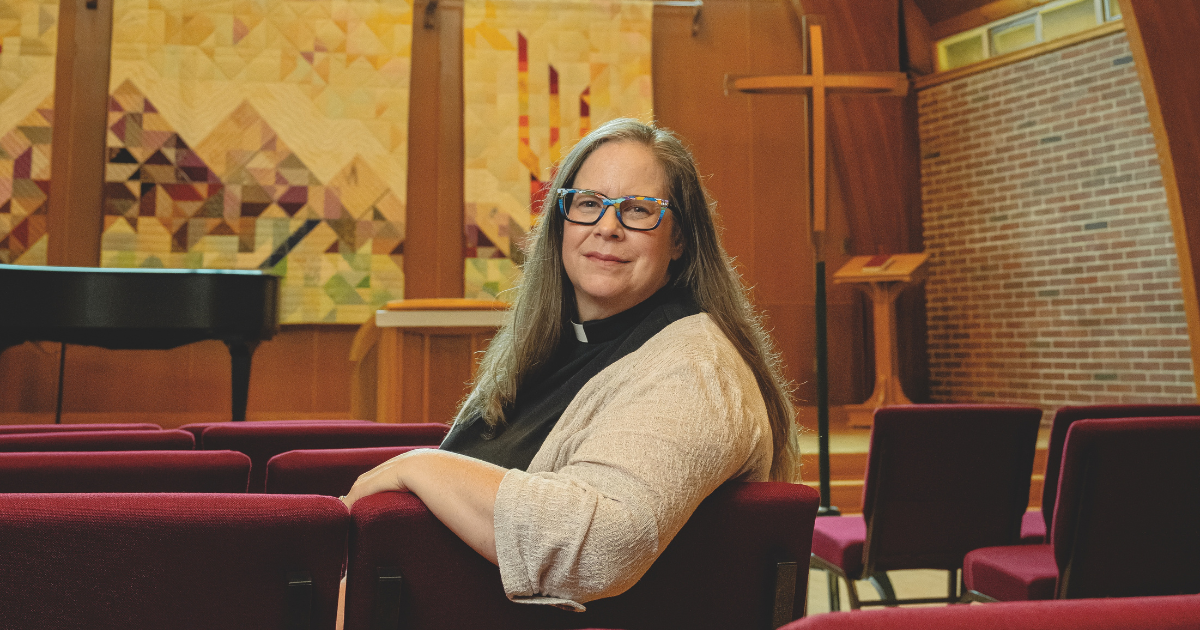
Alongside practical training, ongoing spiritual study plays a vital role in sustaining these decentralized networks. Continuous spiritual development designed for the entire congregation serves as a powerful bonding agent, strengthening the social fabric of the community. When members engage in regular spiritual renewal together, the collective resilience of the group increases, fostering a deeper sense of shared purpose.
Adapting to changing external circumstances is ultimately a matter of pragmatic survival for many small and mid-sized religious communities. McCance urges congregations to embrace new ideas and experimental approaches, even when doing so feels uncomfortable or departs from long-standing habits. She expresses a profound sense of optimism about this transition, noting that faith communities should trust that modern expressions of ministry hold deep value and relevance.
Part of being pragmatic involves targeted energy management. McCance stresses that recognizing limitations and acknowledging practical realities is not a sign of failure. It is entirely acceptable for a community to do less. Successful contemporary churches recognize the precise moments when they need to scale back their offerings, committees, and programs to match the actual, sustainable capacity of their active members, thereby preventing chronic exhaustion.
In addition to managing internal capacities, modern churches are increasingly finding strength through local partnerships. By asking fundamental questions about resource sharing—such as evaluating what assets one community holds versus what another might provide—congregations can unlock new avenues for collaboration. This approach can manifest as shared physical church buildings, pooled administrative resources, or collaborative leadership initiatives that bridge denominational divides.
Operational sustainability also requires deliberate planning for human transitions. Because volunteer and part-time leadership is susceptible to fatigue, McCance notes that a healthy community must create clear plans for turnover. When one leader or volunteer needs to step back to rest, a succession strategy ensures that another can seamlessly step in, honoring the principle that ministry should not lead to burnout.
Without proactive succession planning, grassroots religious initiatives often experience a brief window of vitality before collapsing under the weight of their own momentum. McCance urges congregations to continuously cultivate leadership at every level of the community, ensuring that institutional knowledge and spiritual stewardship are passed down smoothly through the generations.
Finally, McCance emphasizes that struggling or transitioning communities do not need to operate in isolation. A wide array of support systems remains available, ranging from regional church councils and ecumenical networks to broader community coalitions. Reaching out for external guidance can provide vital perspective and relief during times of structural change.
Despite the very real challenges facing traditional religious institutions across North America, McCance remains fundamentally hopeful about the future of smaller faith communities. Small churches, she maintains, will always find a way to adapt and remain faithful to the distinct calling placed upon them, proving that the earliest models of decentralized, community-led faith remain profoundly relevant in the modern era.