
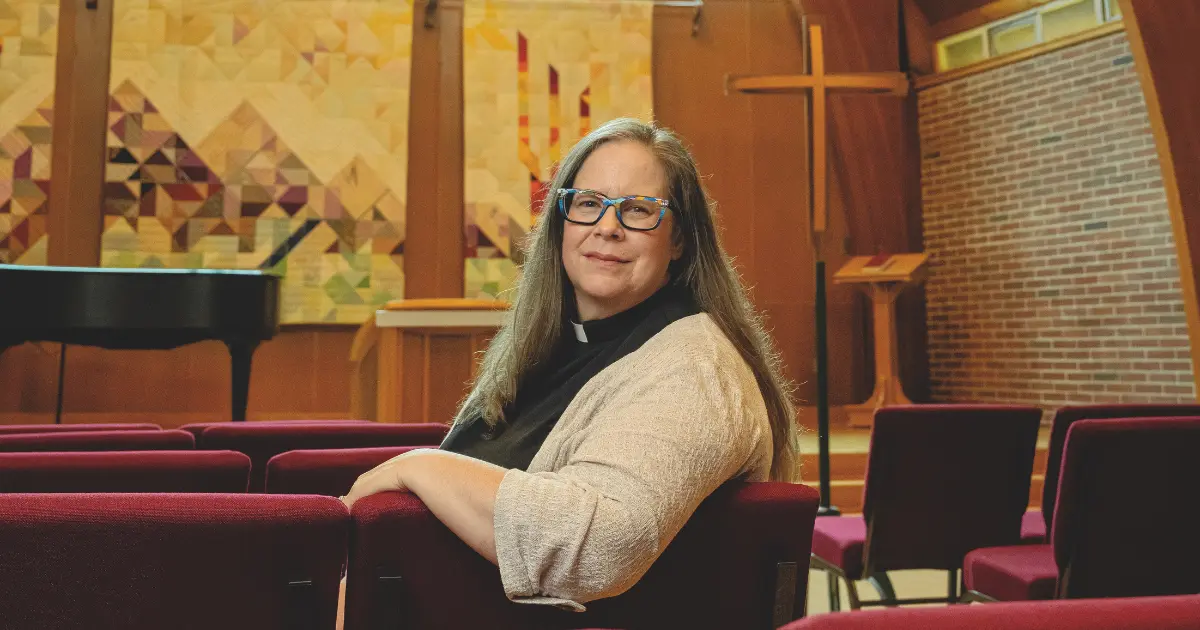
As traditional models of institutional religion face unprecedented shifts across North America, faith communities are being forced to reimagine what it means to gather, lead, and sustain themselves in the twenty-first century. According to the Rev. Heather McCance, president of the Atlantic School of Theology, the contemporary landscape of organized religion bears little resemblance to the earliest days of Christianity.
Reflecting on the historical origins of the faith, McCance notes that during the time of Jesus and the early apostles, formal ecclesiastical infrastructure as it is known today simply did not exist. Instead, figures like the Apostle Paul relied on a decentralized approach, traveling to different regions and training local individuals to take charge of their own communities, address immediate practical needs, and lead communal worship.
Today, as many modern congregations grapple with declining membership numbers, shrinking financial reserves, and a persistent shortage of traditional clergy, McCance observes a striking parallel. Churches are increasingly reverting to that original apostolic model of being. Rather than relying on rigid, top-down hierarchies, modern faith communities are becoming more decentralized, collaborative, and ecumenical in nature.
While these structural shifts are often born out of necessity rather than design, McCance suggests they harbor a hidden strength. The individuals who remain actively involved in church life today do so out of a deep, intentional desire to participate. Unlike previous generations where church attendance was often a rigid social expectation, today’s active congregants are deeply invested, creating a foundation of genuine commitment that can be leveraged to revitalize struggling institutions.
To navigate this transitional era and overcome the leadership gaps facing modern congregations, McCance has outlined a comprehensive framework for transformation. Rather than attempting to preserve unsustainable traditions, she encourages faith communities to fundamentally reframe their mindset. By viewing their congregations through an apostolic lens, church members can begin to ask how their community can actively respond to today’s distinct needs, rather than rigidly adhering to the traditional ways of doing things.
A central pillar of this modern apostolic approach involves leaning into shared leadership. Historically, many congregations have placed the entirety of their administrative, spiritual, and operational burdens onto a single ordained minister or a very small, overburdened group of volunteers. McCance emphasizes the importance of identifying and utilizing each individual’s unique gifts, ensuring that no single person carries the responsibilities of the church alone. By distributing the tasks of ministry equitably, communities can ensure that everyone is spiritually and emotionally cared for.
However, distributing labor effectively requires intentional preparation. McCance points out a common pitfall among religious organizations: churches are frequently exceptional at asking people to step up and take on tasks, but remarkably deficient in providing the necessary training to execute those roles successfully. To bridge this gap, congregations must actively seek out relevant resources, educational workshops, and leadership development programs to equip their teams for success.
Alongside operational training, intentional spiritual development plays a critical role in sustaining a healthy congregation. McCance advocates for creating ongoing opportunities for spiritual study that engage the entire community. When a congregation participates in shared spiritual renewal, it strengthens communal bonds and builds resilience, allowing members to navigate institutional challenges together rather than in isolation.
Navigating this era of transformation also demands a high degree of pragmatism. Adapting to rapidly changing circumstances is no longer optional for survival; it is an absolute necessity. McCance urges congregations to embrace innovative ideas and fresh approaches, even when doing so feels uncomfortable or departs from long-standing customs. In her view, faith communities should look forward with optimism, believing that new expressions of ministry are just as valued as traditional ones.
Part of this pragmatic approach involves targeting energies realistically. McCance stresses that acknowledging limitations and scaling back operations is not a sign of failure. Successful contemporary churches recognize the precise capacity of their members and know when to gracefully reduce the number of offerings, committees, and programs they attempt to run. Understanding that being realistic preserves the well-being of the congregation is vital to long-term sustainability.
Furthermore, congregations are increasingly finding strength through local partnerships rather than attempting to maintain isolated operations. By looking outward and asking collaborative questions—such as evaluating mutual assets and deficits—churches can pool their strengths. This cooperative mindset can translate into sharing physical buildings, pooling financial and administrative resources, or jointly employing leadership personnel to serve multiple communities.
Operational sustainability also requires proactive planning for human limitations. McCance notes that spiritual burnout is a significant risk when leadership roles are concentrated among a few dedicated individuals, reminding congregations that burnout is contrary to the spiritual call of community life. Creating intentional plans for turnover ensures that when one person inevitably needs a step back or a prolonged break, another trained member can seamlessly step in to cover their responsibilities.
Similarly, long-term survival depends heavily on deliberate succession planning. Without a clear strategy for leadership continuity, even the most vibrant church initiatives often experience a brief period of success before ultimately collapsing within a decade. McCance urges congregations to make the cultivation of new leadership an ongoing, institutional priority rather than an afterthought addressed only in moments of crisis.
Finally, McCance emphasizes that modern churches do not need to operate in a vacuum. A wide network of support is readily available, extending far beyond the immediate walls of the sanctuary. Whether seeking guidance from regional administrative bodies, participating in ecumenical alliances, or collaborating with broader community organizations, local churches can find external allies to help them shoulder the load.
Despite the profound demographic and cultural challenges facing organized religion in the twenty-first century, McCance remains fundamentally hopeful about the future of religious life. Small churches, she asserts, will always find a way to remain faithful to the distinct calling and identity that God has placed upon them, adapting their structures to meet the changing realities of the world around them.