
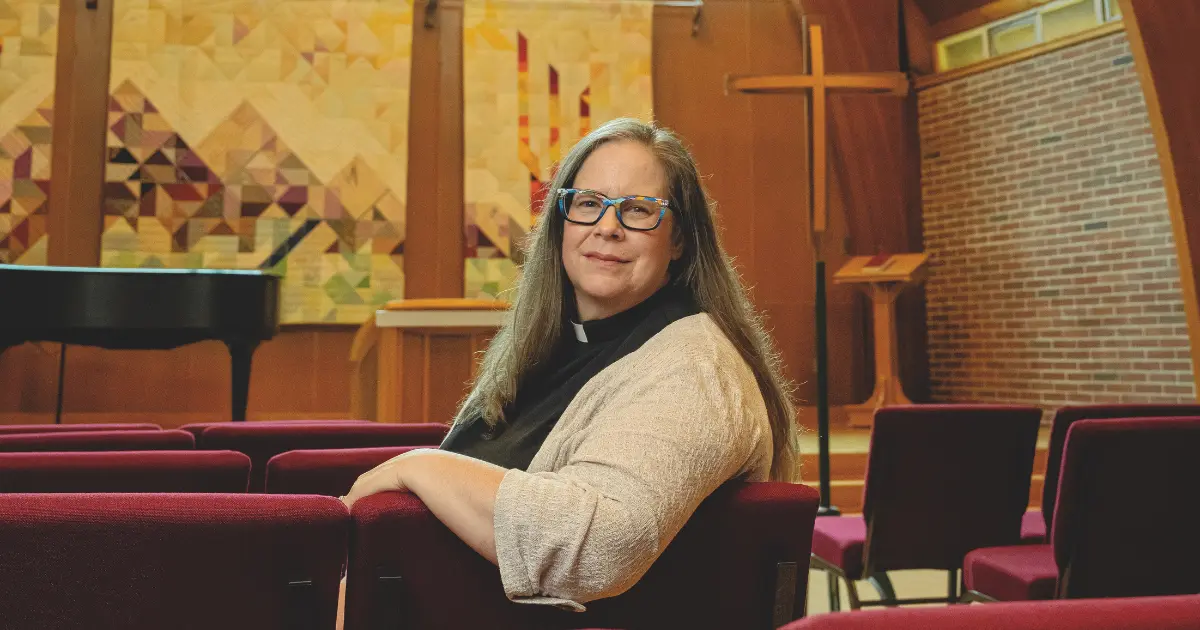
As traditional models of institutional religion face unprecedented shifts across North America, faith communities are being forced to rethink what it means to gather, lead, and sustain a congregation. According to the Rev. Heather McCance, president of the Atlantic School of Theology, the contemporary struggles facing modern parishes are sparking a surprising and historic return to the earliest days of Christianity.
Reflecting on the historical evolution of worship, McCance points out that the way structured church is practiced today bears little resemblance to the earliest gatherings documented in the New Testament. In the time of Jesus and the early apostles, formal institutional infrastructure, heavily endowed properties, and professionalized clergy were virtually non-existent. Instead, the Apostle Paul simply traveled and trained local believers to do whatever was necessary to lead, nurture, and sustain their own communities.
Today, as institutional membership numbers decline and traditional financial and human resources become scarcer, McCance observes that modern churches are organically reverting to that foundational, apostolic way of being. Rather than viewing these systemic shifts purely as a decline, she identifies a growing movement toward more decentralized and ecumenical structures as an opportunity for profound renewal.
One of the greatest silver linings in this era of transition, McCance notes, is the profound dedication found among remaining churchgoers. The individuals who continue to be actively involved in local congregations today do so out of a deep, intentional desire to be there. That unwavering commitment, she emphasizes, can serve as a massive organizational and spiritual strength for communities willing to adapt to a changing landscape.
For congregations grappling with shrinking volunteer pools, leadership burnout, and changing demographics, navigating this transition requires a fundamental shift in perspective. Drawing on pastoral insights and observations from modern ministry, McCance outlines a series of strategic and philosophical approaches designed to help contemporary faith communities bridge the leadership gap without falling into the trap of exhaustion.
At the heart of this transition is a necessary evolution in mindset. Modern congregations are encouraged to stop measuring their worth by traditional metrics of success—such as large weekly attendance numbers or maintaining sprawling legacy buildings—and instead begin thinking of themselves as apostolic communities. By asking how they can directly respond to the immediate, pressing needs of today’s world rather than stubbornly clinging to historical routines, churches can unlock new pathways for relevance and vitality.
Central to this new apostolic mindset is the embrace of shared leadership. For generations, many congregations have relied heavily on a single ordained minister or a small, overburdened handful of lay leaders to carry the entire operational and spiritual weight of the parish. McCance stresses that contemporary churches must actively identify the unique gifts and talents possessed by every individual in the pews. By distributing responsibilities equitably, communities can ensure that no single person is forced to shoulder the heavy burdens of the church alone. Sharing the practical tasks of ministry ensures that everyone is cared for and that the burden is lightened for all involved.
However, simply delegating tasks is not enough; leadership teams must also be properly equipped to succeed. Churches have historically excelled at asking volunteers to step up and take on roles, but they have frequently fallen short when it comes to providing the necessary training and mentorship for those roles. To combat this, McCance advises congregations to actively seek out relevant educational resources, leadership development programs, and regional training opportunities that empower members to lead with confidence and competence.
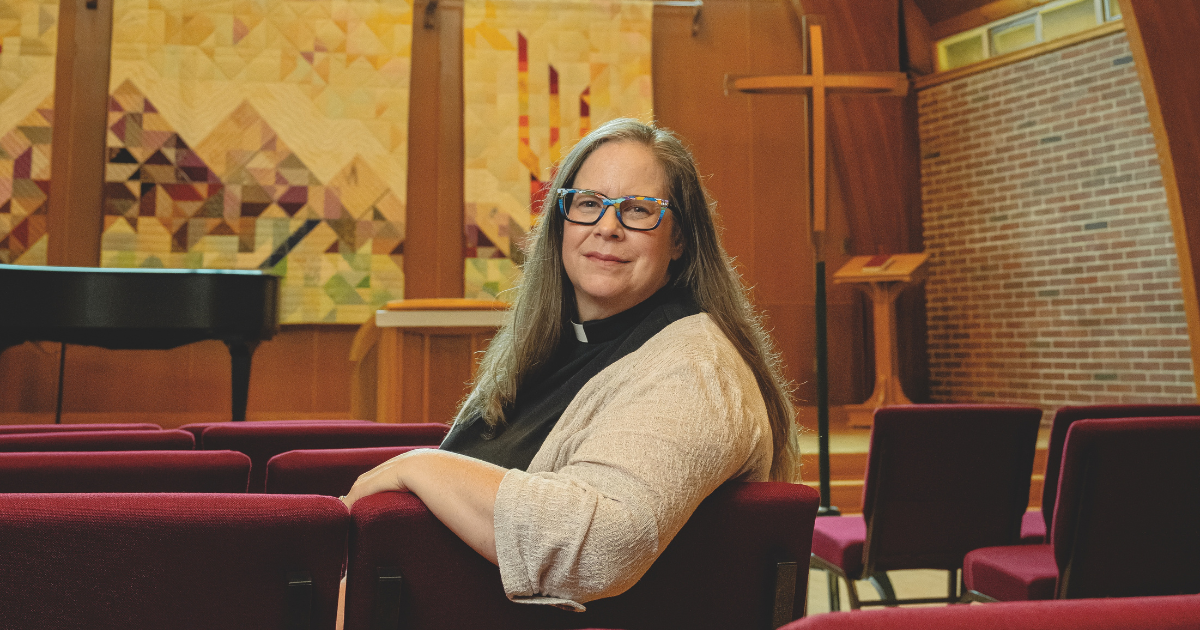
Alongside administrative and operational preparation, the cultivation of ongoing spiritual study remains a vital anchor for struggling communities. Fostering continuous spiritual development for the entire congregation acts as a powerful bonding agent, strengthening the social and spiritual fabric of the community. When a group engages in regular spiritual renewal together, their collective resilience deepens, providing a steady foundation for whatever challenges lie ahead.
Adopting this decentralized model also requires a healthy dose of pragmatism. Adapting to shifting cultural and financial circumstances is no longer just an option for modern parishes; it is a fundamental requirement for survival. McCance encourages church members to embrace bold new ideas and unconventional approaches, even when doing so feels uncomfortable or unfamiliar. In moments of transition, she suggests that communities can find comfort in the belief that new expressions of faith are meaningful and vital.
This pragmatic approach extends directly to how congregations allocate their time, energy, and resources. Recognizing that scaling back is not a sign of failure is a crucial hurdle for many historical institutions. McCance notes that being realistic is an essential part of faithful stewardship. It is entirely acceptable for a community to do less when capacity is limited. Successful contemporary churches recognize the wisdom in scaling back legacy offerings, committees, and programs to match the actual, sustainable capacity of their current membership base.
When internal capacity falls short, congregations are increasingly turning outward to find local partnerships. Building bridges with neighboring faith groups or community organizations begins with a simple, honest inventory of assets: assessing what one group has to offer and comparing it with the needs and resources of another. This spirit of cooperation can manifest in practical ways, such as sharing physical church buildings, pooling administrative resources, or jointly supporting shared leadership personnel.
Sustaining this momentum over the long term also requires deliberate planning around human rhythms and organizational succession. McCance notes that burnout is a persistent hazard in modern ministry, reminding congregations that spiritual calling does not require individuals to sacrifice their well-being. Creating clear plans for temporary turnover ensures that when a dedicated leader or volunteer inevitably needs to step back and take a well-deserved break, another capable person is ready and able to step in seamlessly.
Similarly, long-term succession planning is critical to prevent the sudden collapse of vital ministries. A lack of intentional leadership succession often results in grassroots programs that manage to survive for five or ten years before ultimately falling apart due to a lack of continuity. McCance urges congregations to view the cultivation of new leaders as a continuous, daily practice rather than an afterthought triggered by a crisis.
Finally, modern churches are reminded that they do not need to navigate these turbulent waters in isolation. A vast network of support remains available for communities willing to reach out, whether that assistance comes from regional church councils, broader ecumenical organizations, or wider civic communities.
Despite the profound challenges facing institutional religion in the twenty-first century, McCance maintains an outlook rooted in hope. Small churches, she insists, will always find a resilient path forward to remain faithful to the distinct calling placed upon them, proving that the heart of community and ministry extends far beyond traditional walls.