
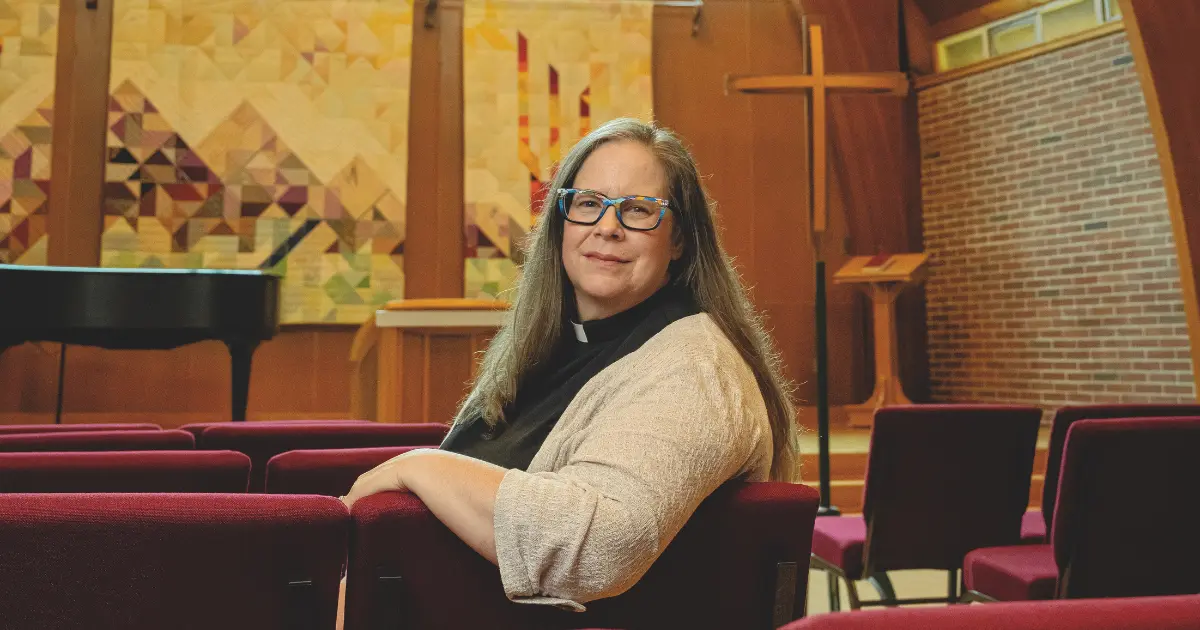
As traditional attendance patterns shift and institutional resources face mounting pressure across North America, faith communities are being forced to reimagine what it means to gather, lead, and sustain a congregation. According to Rev. Heather McCance, president of the Atlantic School of Theology, the contemporary struggle with leadership shortages and declining membership numbers is prompting a profound return to the earliest days of Christianity.
Reflecting on the historical evolution of religious gatherings, McCance notes that the modern concept of a heavily institutionalized church bears little resemblance to the realities of Jesus’s time. In the first century, religious communities did not rely on sprawling administrative complexes, professionalized multi-staff payrolls, or rigid corporate structures. Instead, the Apostle Paul simply traveled throughout the Mediterranean, empowering and training local believers to take on whatever responsibilities were necessary to lead, nurture, and sustain their communities from the ground up.
Today, as mainline and independent churches alike grapple with declining membership numbers and dwindling financial reserves, McCance sees congregations organically reverting to that foundational, apostolic way of being. Rather than viewing these systemic changes solely as a crisis of survival, she identifies a growing trend toward decentralization and ecumenical cooperation. Furthermore, this contraction is filtering out casual attendees, leaving behind a dedicated core of participants.
"The people who are still involved in churches really do want to be there," McCance observes, pointing out that this profound level of personal commitment can serve as a massive structural and spiritual strength for communities willing to adapt.
To help congregations navigate this transitional era and overcome persistent leadership gaps without burning out their remaining members, McCance has outlined a comprehensive strategic framework. Moving away from the traditional, top-down models of church administration, her approach emphasizes flexibility, community-wide involvement, and realistic expectations for modern faith organizations.
Rethinking Mindsets and Sharing the Load
The first crucial step in bridging the leadership gap involves a fundamental reframing of how congregations view their identity and purpose. McCance encourages church members to stop mourning the loss of traditional operating procedures and instead think of their communities as apostolic outposts. By asking how the church can genuinely respond to the unique needs of today’s society rather than clinging to historical comforts, congregations can unlock new pathways for meaningful engagement.
Central to this new mindset is the embrace of shared leadership. For generations, many smaller churches have operated under an unsustainable model where a single clergy member or a tiny handful of dedicated volunteers carry the entire administrative, pastoral, and operational weight of the organization. McCance stresses that leadership must be distributed across the congregation by actively identifying and utilizing the unique gifts of every individual.
"Share in the tasks of ministry, so everybody is cared for," she explains, emphasizing that nobody should ever have to shoulder the responsibilities of the church entirely on their own.
However, simply assigning tasks to willing volunteers is rarely enough to guarantee success. McCance points out a common pitfall where churches are exceptionally proficient at asking members to step up, yet fail to provide them with the foundational training required to succeed in those roles. To correct this, congregations must actively source relevant leadership programs, educational resources, and mentorship opportunities that empower participants to handle their new responsibilities with confidence and competence.
Fostering Spiritual Growth and Pragmatic Adaptation
In tandem with structural changes, McCance emphasizes the vital importance of creating ongoing spiritual study and development programs for the entire congregation. Far from being an optional or secondary activity, regular shared spiritual education serves as a powerful bonding agent that strengthens the collective fabric of the community. When members engage in theological learning and reflection together, they experience a mutual renewal that fortifies the entire body against external pressures.
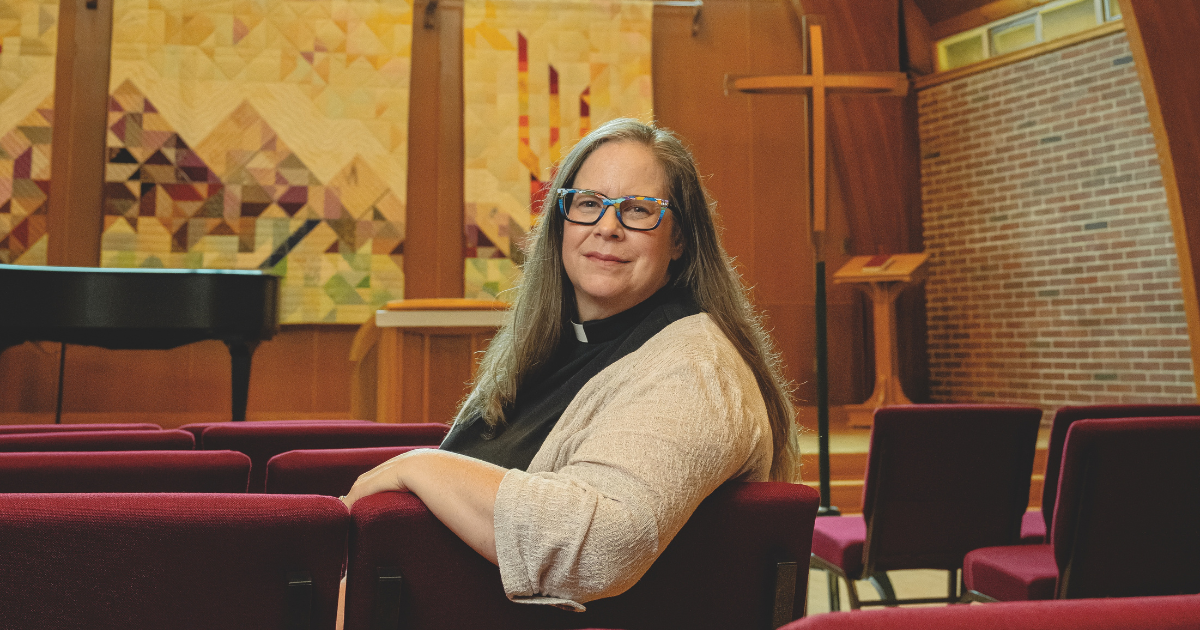
This internal strengthening must be paired with a deeply pragmatic approach to external circumstances. Adapting to changing demographics, financial realities, and cultural shifts is no longer optional for survival; it is an absolute necessity. McCance encourages faith communities to embrace innovative ideas and unfamiliar approaches, even when doing so feels uncomfortable or challenges long-held institutional habits.
"God is excited for what we are able to do now," she notes, framing adaptation not as a defeat, but as an active participation in a continually unfolding spiritual journey.
Part of being pragmatic involves targeting institutional energies where they can make the greatest impact and recognizing that scaling back is not synonymous with failure. Successful contemporary churches understand their own limitations and know precisely when to pare down offerings, committees, and community programs based strictly on the current capacity of their members. Understanding that being realistic is a sign of health rather than decline allows congregations to preserve their energy for the ministries that matter most.
Building Partnerships and Planning for the Future
As institutional isolation becomes increasingly unsustainable, McCance urges churches to look outward and forge strong local partnerships. Collaboration often begins with a simple, honest inventory question: "What do we have, and what do you have?" By pooling their assets, congregations can share physical church buildings, administrative resources, and pastoral leadership across denominational or organizational lines, stretching their limited capacities much further.
To prevent the exhaustion and burnout that so frequently plague volunteer-run organizations, McCance stresses the need to build deliberate plans for regular turnover. When one leader or volunteer inevitably needs to step back to rest or tend to personal matters, a healthy church should have pre-arranged systems in place allowing another member to seamlessly step in.
"God doesn’t call us to burn ourselves out," she reminds congregations, underscoring that rest and sustainability are fundamentally spiritual values.
Closely tied to turnover management is the necessity of long-term succession planning. A persistent lack of intentional succession planning means that innovative ministries often flame out after a brief five- or ten-year window because they were entirely dependent on a single charismatic founder or temporary leader. McCance urges congregations to make the cultivation of new leadership a continuous, institutional habit rather than an afterthought addressed only when a crisis hits.
Finally, McCance emphasizes that congregations should never attempt to navigate these complex structural transitions in total isolation. A wide array of support systems remains readily available to struggling faith communities, ranging from regional church councils and ecumenical alliances to broader civic and community organizations.
Despite the very real challenges facing modern religious institutions, McCance maintains an enduring sense of hope for the future. As traditional models continue to recede, she remains confident that smaller, more agile communities will consistently discover creative ways to remain faithful to their spiritual callings in a rapidly changing world.