
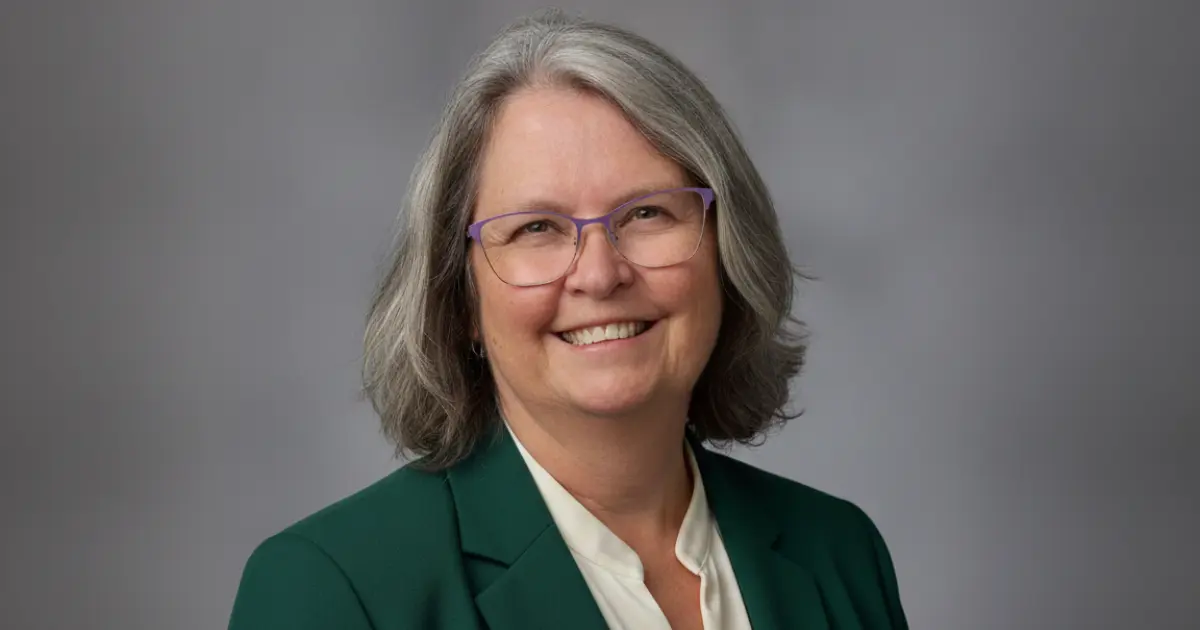
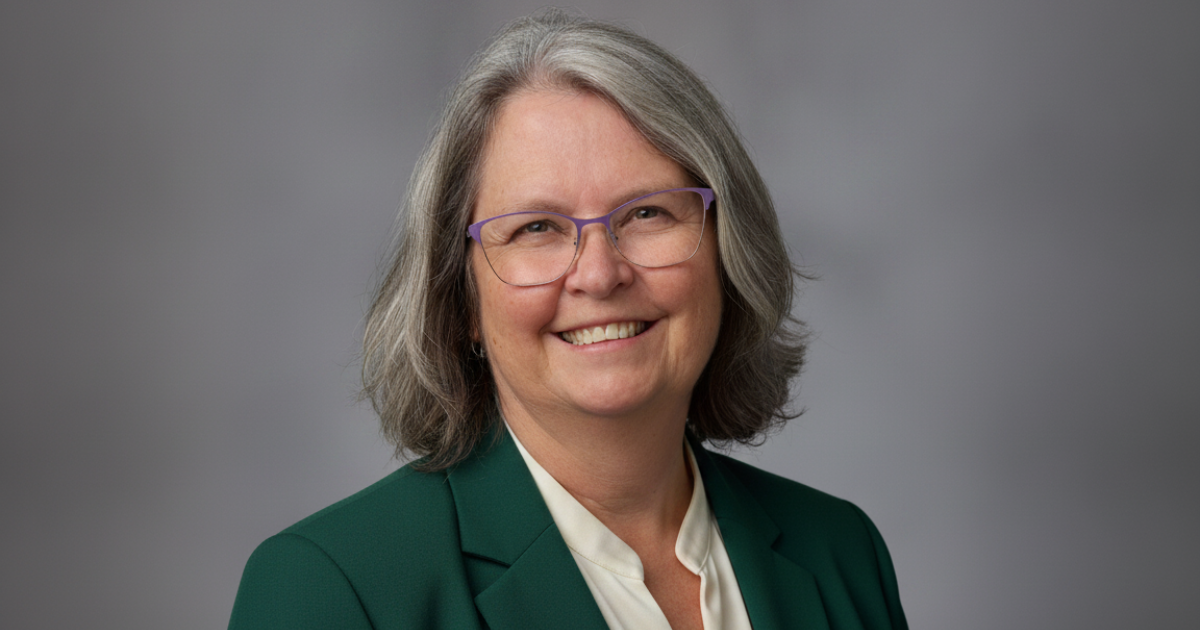
On September 1, the Canadian landscape of ecumenical leadership entered a new chapter as the Reverend Janet Anstead officially stepped into her role as the general secretary of the Canadian Council of Churches (CCC). Representing the vast majority of Canadian Christians, the CCC stands as the nation’s largest ecumenical body, bringing together a diverse array of denominations to foster unity, shared dialogue, and collective action. Anstead assumes this pivotal national leadership position following the departure of Peter Noteboom, a pastor from the Christian Reformed Church in North America who guided the council through nine years of dynamic development and organizational leadership.
Anstead brings a uniquely multifaceted background to the general secretariat. Alongside her current service as a minister for the Christian Church (Disciples of Christ), she possesses professional roots in the legal sector, having practiced family law during the 1990s. This combination of pastoral experience and legal training equips her with a comprehensive framework for navigating institutional governance, complex interpersonal dynamics, and systemic social issues as she takes the helm of Canada’s foremost inter-church organization.
Shortly after settling into her demanding new position, Anstead sat down for an in-depth conversation with James Adair, a recent intern for Broadview, to discuss her whirlwind introduction to the role, her vision for the future of Canadian Christianity, and the ongoing mission of the council in a changing cultural landscape.
A Whirlwind Introduction to National Ecumenical Leadership
Reflecting on her initial weeks in office, Anstead paints a picture of a schedule that has been nothing short of relentless. The transition from local and regional ministry to the national stage has demanded immediate immersion in high-level ecumenical gatherings and organizational milestones.
"Crazy. I was in Vancouver last weekend, and then I went to Project Ploughshares. They had their 50th anniversary gala on Monday night, September 21, in Waterloo, Ont., and yesterday we had an executive meeting," Anstead shares, recounting the brisk pace of her opening days. "It has been nonstop."
The momentum has extended beyond domestic travel and organizational governance. Anstead notes that her early weeks have included direct engagement with global church structures, underscoring the international scope of the council’s affiliations.
"I was meeting with representatives from many of the commissions of the World Council of Churches, focusing on reconciliation, justice, and unity," she explains. Despite the breathless pace, she expresses deep gratitude for the nature of the work and the reception she has received from colleagues and community members alike. "It’s been wonderful, but it’s been hectic. It’s been a very steep learning curve, and people have been very gracious with me."
Navigating Diminished Canadian Christianity
The landscape of Canadian religious life has experienced significant shifts in recent decades, marked by declining institutional attendance and a generally diminished public footprint for traditional Christianity. Addressing this reality, Adair asked Anstead to evaluate the contemporary relevance and role of the Canadian Council of Churches amid these broader cultural transformations.
Anstead acknowledges the challenges posed by declining participation, yet she maintains that the council holds a vital, practical function for denominations navigating this era of contraction. Rather than viewing smaller congregations and denominations as isolated entities struggling against the tide, she emphasizes the collaborative potential that the council facilitates.
"With diminishing attendance, the CCC can do many things. It can help some of the smaller denominations by creating this space in which we are interacting and sharing resources, sharing ideas, sharing experiences," Anstead observes.
Beyond serving as a bridge for institutional leadership and administrative sharing, Anstead emphasizes that the influence of the ecumenical movement must resonate deeply with everyday churchgoers—those sitting in the pews week after week. She stresses the importance of translating high-level theological and social commitments into tangible, accessible resources that local congregations can readily utilize.
As a prime example, she points to recent initiatives that bridge national advocacy with local devotion, highlighting the Prayer Walk for Peace held on September 21. Such programs, she notes, provide a clear, accessible set of resources designed to engage communities regardless of whether they are situated in a sprawling urban centre or a small rural community.
Vision for the Future: Reconciliation, Climate Change, and an Alternative Narrative
Looking toward the horizon of her tenure and beyond, Anstead is pressed to consider what ultimate milestones she hopes to achieve before eventually stepping down from the position. When Adair playfully inquires whether she has set her sights on world peace, Anstead responds with characteristic candor, acknowledging both the gravity of the ambition and the necessity of keeping a clear direction.
"Well, would world peace be too much to ask for?" she remarks, prompting Adair to agree that it is beneficial to know precisely where one is heading.
Elaborating on concrete objectives, Anstead places a strong emphasis on sustained social engagement and moral responsibility. She highlights the council’s ongoing dedication to reconciliation—a central and urgent priority within the Canadian context—as well as the necessity for unified, cross-denominational action on environmental stewardship.
"I would like to see some more action on our ongoing reconciliation focus. I would also like to see joint action on climate change," Anstead states. Connecting her professional duties to her personal life and hopes for future generations, she adds, "As somebody who has a granddaughter, I would like to think that we can leave this world better than it seems to be heading right now."
Furthermore, Anstead articulates a desire to reshape how the broader Christian church presents itself within modern secular society. She advocates for a fundamental shift in perception and responsibility—one that encourages the church, understood in its broadest ecumenical sense, to step forward with a compelling counter-cultural message.
"I would like to see a new vision for Christianity, a new responsibility for the Christian Church—and I mean that in its largest sense—that is actually providing an alternative narrative to what our society seems to be saying to us today," she explains.
While this vision calls for a refreshed public posture, Anstead is quick to clarify that the substance of the message is not novel or invented for the modern age. Instead, it is rooted in the foundational traditions of the faith.
"It’s the narrative we’ve always carried because it’s the narrative of the gospel," she notes. "But it would mean being a coherent voice for justice, for peace."
Mobilizing Communities Through Times of Transformation
Achieving lofty goals such as global peace and systemic social transformation requires more than structural declarations from institutional leaders. When questioned about the methodology required for the council to help realize such monumental aspirations, Anstead insists that true impact depends on grassroots engagement across the entire community of faith.
"The only way we’re ever going to achieve world peace is by mobilizing everybody, not just the leadership," she asserts.
Acknowledging the ambient anxiety and profound difficulties that characterize the current global and social climate, Anstead suggests that periods of acute challenge are not necessarily indicative of failure, but rather of deep structural and spiritual metamorphosis. She draws comfort and strategic perspective from the enduring historical witness of the Christian tradition, framing contemporary turmoil as part of a larger historical cycle of renewal.
"We look around, and things seem to be pretty dire right now," Anstead reflects. "But I think what we know from the gospel narrative that we’ve carried with us for centuries is that times of transformation can be painful, and we are in a time of transformation right now."
Offering a message of encouragement to believers and communities navigating uncertainty, Anstead points back to the core tenets of hope and resilience that have sustained religious communities through past eras of crisis. She advises individuals to look beyond immediate anxieties and actively seek out glimmers of grace in their daily routines.
"I would encourage people to look for the signs of hope that they find in their lives," Anstead concludes. "Listen to that narrative of hope, the narrative of transformation, and ultimately the narrative of love. That’s how we’re going to get out."