
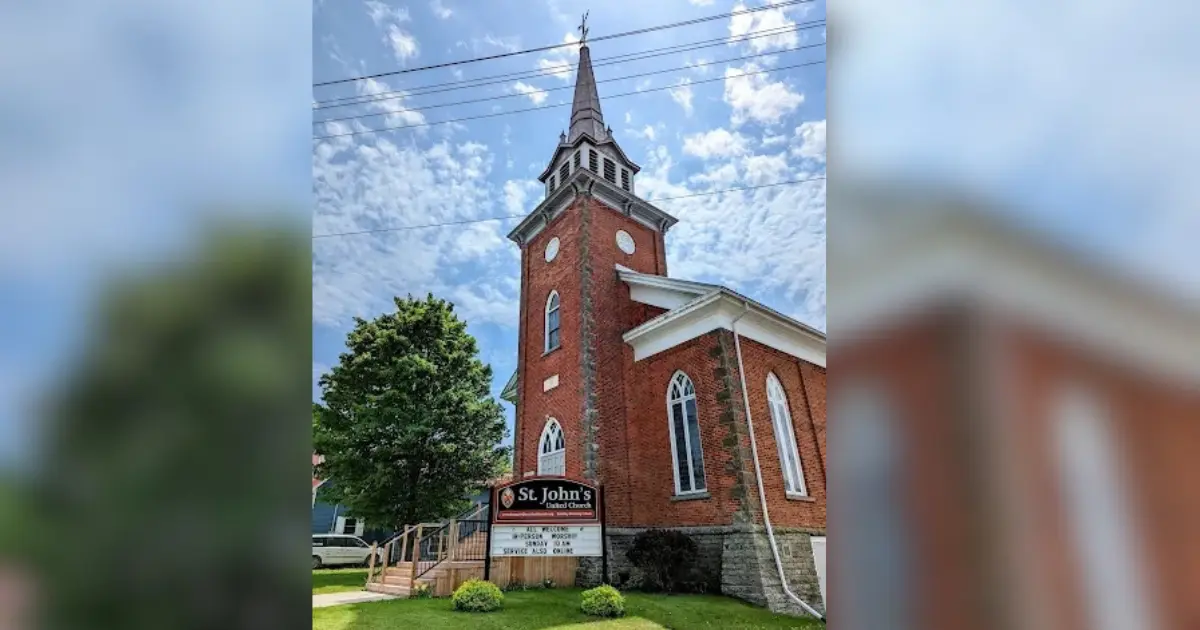
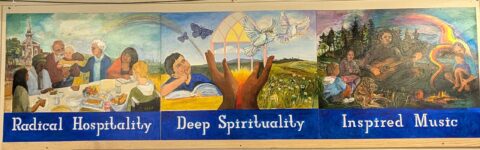
Far more than a decorative addition to the church’s interior, the mural was conceived as a visual roadmap to help the congregation imagine its next chapter—a thoughtful, deliberate process that unfolded during the unprecedented challenges of the COVID-19 pandemic.
When in-person gatherings were suspended and traditional church life was abruptly put on hold, St. John’s refused to let the physical distance fracture its community. Instead, leadership formed a dedicated visioning committee to reach out to the church’s approximately 220 congregants. Through a series of in-depth phone interviews, the committee sought to listen deeply to the membership. They asked foundational questions about what the church could become, the specific kinds of hands-on work members wanted to undertake, and what values mattered most to them regarding community outreach and overall atmosphere.
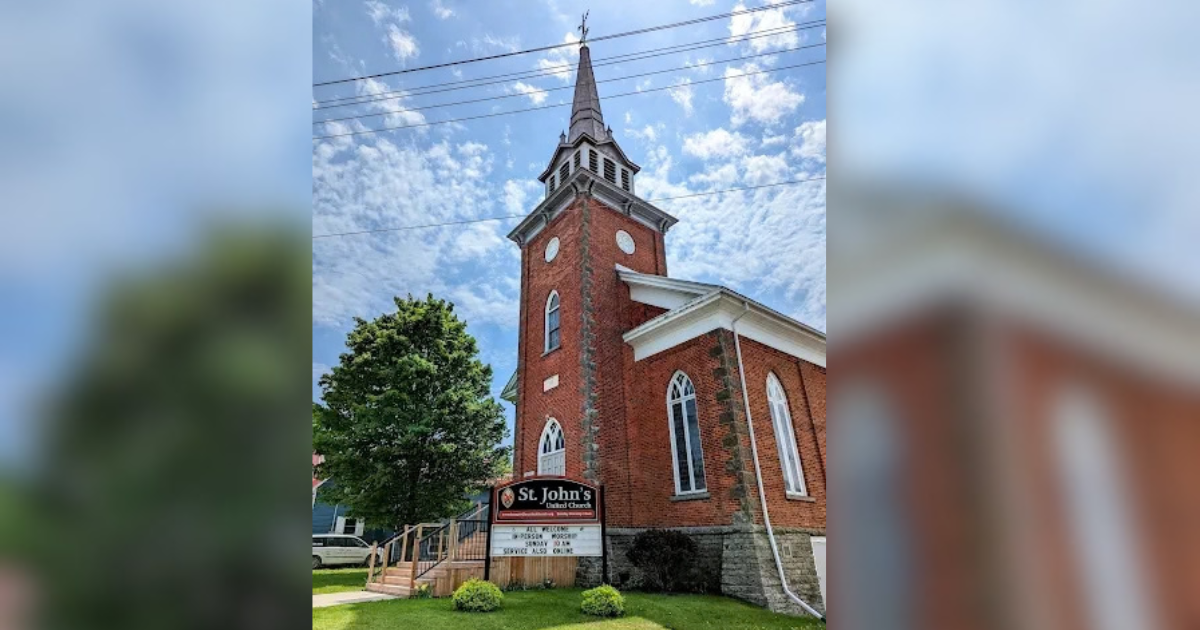
Synthesizing the rich feedback gathered from these conversations, the church forged a bold new vision statement centred on three core pillars: radical hospitality, deep spirituality, and inspired music.
The inclusive exercise breathed new life into the congregation, transforming a period of isolation into an opportunity for collective reinvention. People quickly became energized about what was possible, discovering a renewed sense of ownership in the church’s identity and future. As Helen MacGregor, the administrator at St. John’s, observes, congregants genuinely “got quite energized about what was possible.” Gow echoes this sentiment, noting that throughout the process, “there was this feeling that they were in charge of the design of whatever this church is going to be.”
Translating this newly minted vision from philosophy into daily practice required practical structural changes, leading the congregation to collectively design and implement a unique system of “faith circles.” Under this model, each household within the community was assigned to one of seven distinct groups. These circles rotate responsibility for the myriad duties required to sustain Sunday worship services, ranging from scripture readings and greeting parishioners to the preparation of food and beverages.
By distributing these operational tasks more widely, participation has transformed from a top-down administrative chore into something organic and deeply integrated into the life of the church. MacGregor notes that this grassroots involvement has had a powerful ripple effect across the entire community. Now, whenever St. John’s plans additional events, special services, or expanded community outreach initiatives—including its popular and regular friendship lunches and community cafés—she finds that congregants are remarkably eager to step forward and take the initiative. Rather than scrambling for assistance, the church now regularly maintains robust rosters of between 10 and 20 dedicated volunteers for individual events.
This shift toward shared leadership has redefined the relationship between the institution and its members, empowering everyday people to shape the spiritual and social character of their faith home. It is a model of active participation that places spiritual discernment directly in the hands of the community.
“They’re in charge of defining who we are, how we will be and listening to where we feel we’re being called by God,” says MacGregor.