
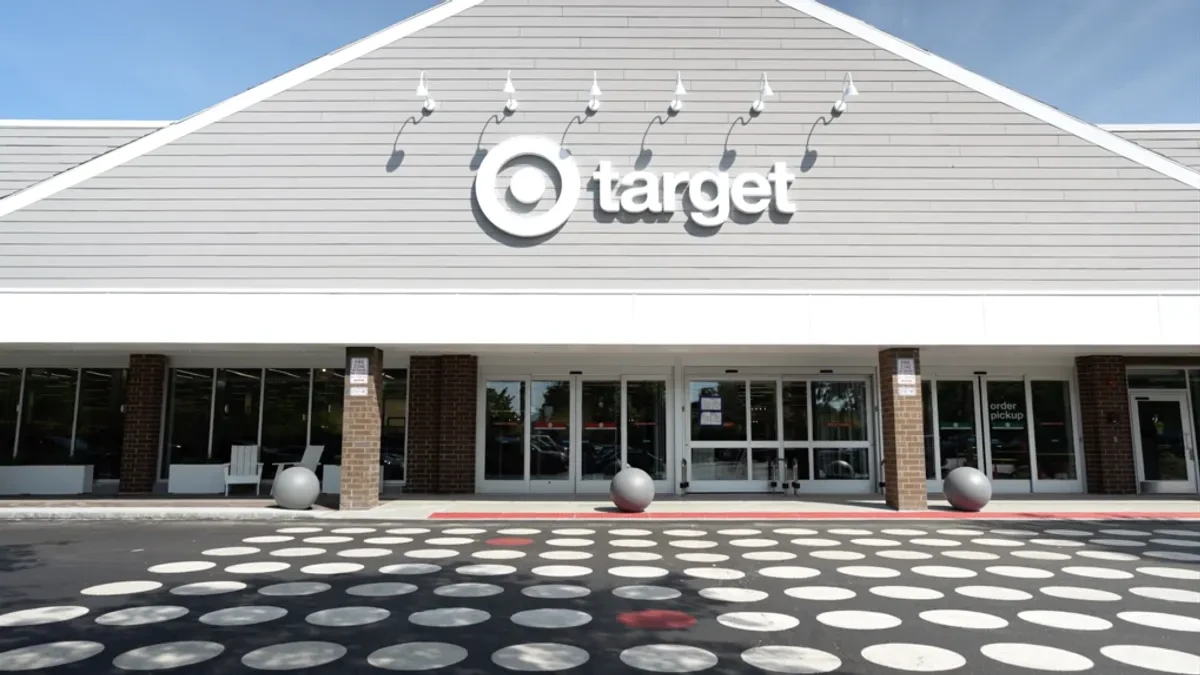
As Target continues to press forward with its comprehensive corporate turnaround effort, the mass-market retail giant is increasingly turning its attention inward, deploying advanced technology to arm its in-store employees with new digital capabilities designed to fundamentally improve the overall shopping experience.
In an announcement detailing the latest phase of its operational evolution, the company revealed that it has significantly upgraded its internal store operations application, known as myDay. The revamped platform now features a newly customizable home screen functionality and is slated to incorporate access to sophisticated, AI-backed insights in the near future. This digital overhaul is the direct result of extensive feedback collected from frontline employees and team leaders across 50 pilot stores, where operational workflows, daily pain points, and administrative bottlenecks were closely examined to identify areas ripe for improvement.
According to a company post released on Wednesday, the upgraded myDay application is engineered to more accurately assess real-time inventory needs, track team member availability, and refine sales forecasting. By intelligently grouping similar tasks together and dynamically prioritizing employee to-do lists based on immediate urgency and operational value, the software aims to minimize friction on the sales floor and keep inventory flowing smoothly.
At the heart of the application’s user interface is the newly launched myDay Leader View. This personalized home screen function highlights critical store updates, operational resources, and performance metrics that team leaders can tailor specifically to their unique daily responsibilities and departmental focuses. For instance, store managers and department leads have the flexibility to pin specific metrics directly to their primary display, ranging from real-time shelf-stocking rates to granular fulfillment data concerning digital pickup orders, ensuring that leadership can maintain a laser-like focus on their primary operational priorities throughout the shift.
Alongside the customizable dashboard, Target has also integrated a specialized function into the app known as Scan to Divert. Developed specifically to streamline the often labor-intensive inventory stocking process, this feature empowers store employees to quickly make data-informed decisions regarding newly scanned merchandise. By evaluating current consumer demand and backroom space availability in real time, the application helps staff determine whether newly arrived products should be immediately taken out to stock store shelves or securely held in the backroom storage area until inventory levels necessitate replenishment.
The introduction of the Scan to Divert function has already yielded measurable financial and operational benefits for the nationwide retailer. According to data shared by Target, the feature has successfully contributed $25 million in operational value—savings and efficiencies that the company intends to reinvest directly back into enhancing the guest experience and optimizing core store operations.
Looking ahead, Target plans to roll out a wave of additional updates to the myDay platform. Upcoming iterations of the app will introduce advanced capabilities such as the ability to assign out discrete tasks among team members, share detailed shift-handoff notes between departing and arriving teams, and integrate powerful AI-enabled insights to further optimize daily workflows.

This technological push forms a cornerstone of Target’s broader corporate revitalization strategy. Under the leadership of CEO Michael Fiddelke, the retail corporation has been investing heavily in modernizing the physical store experience, placing a strategic emphasis on technological innovation, inventory management, and the enhancement of digital fulfillment capabilities across its extensive brick-and-mortar footprint.
Maintaining optimal in-stock positions has emerged as a primary focus for Target’s executive leadership team over recent quarters, as the company strives to balance consumer demand with efficient supply chain execution. Company executives have repeatedly emphasized that product availability is a vital differentiator in retaining customer loyalty, particularly during high-volume shopping seasons.
Addressing analysts and investors during the company’s second-quarter earnings call in August, Chief Operating Officer Lisa Roath highlighted the tangible progress the retailer has made in addressing historical inventory challenges.
Reflecting specifically on the back-to-school shopping season, Roath pointed to product availability as a major operational triumph for the organization. She noted that one area of improvement the executive team is particularly proud of is the company’s robust in-stock position during a period of notoriously high consumer demand.

As Roath explained to analysts, back-to-school is a critical time of year when parents and guardians enter a store expecting to find every single item listed on their children’s school supply checklists. Through improved inventory tracking and operational execution, Target was able to deliver meaningful, measurable improvements in product availability across all of the top items featured on those essential lists, setting a strong operational benchmark as the retailer continues to execute its multi-year turnaround plan.