
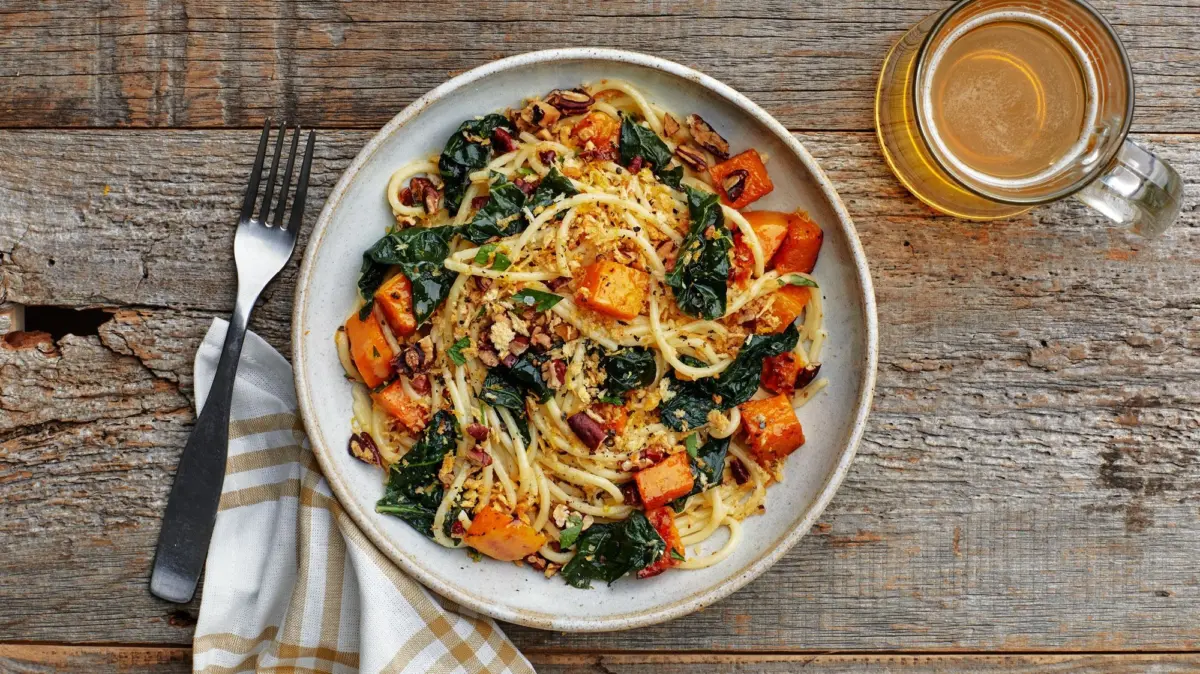
While commercial culture often heralds the official arrival of autumn with the ubiquitous, highly publicized pumpkin spice latte, culinary professionals and home cooks alike know that a far more versatile and understated seasonal favorite truly defines autumn cooking: the butternut squash. Subtly sweet, remarkably easy to find in local markets and grocery stores alike, and possessing a culinary range that stretches effortlessly from savory soups and rich pastas to vibrant salads and sweet breakfast muffins, this seasonal staple anchors cold-weather menus.
Unlike its decorative and frequently flavorless cousin, the standard field pumpkin, the butternut squash offers a reliable density of sweet, vibrant orange flesh that lends itself to a staggering array of preparations. For the busiest home cooks seeking the easiest possible preparation, simply roasting pre-chopped, store-bought cubed squash until it achieves deeply browned edges and a tender interior remains a reliable weeknight strategy. Meanwhile, puréed squash—including convenient canned varieties—proves exceptionally useful when whipped into velvety soups and complex sauces. The natural sweetness of the gourd provides a sturdy foundation that plays remarkably well with a diverse cast of flavor partners, including earthy sage, nutty brown butter, fiery chiles, creamy coconut, bitter hearty greens, and an abundance of sharp, salty cheeses.
To help home cooks navigate the autumn harvest, culinary experts have compiled essential techniques, flavor profiles, and purchasing strategies designed to unlock the full potential of this remarkable winter squash.
Understanding the Best Culinary Techniques
While the absolute best method for cooking any ingredient remains subjective and deeply tied to the specific dish being prepared, roasting stands out as undeniably one of the easiest ways to cook butternut squash while simultaneously amplifying its natural, earthy sweetness. The standard approach to this foundational technique involves peeling and seeding a fresh squash, cutting the flesh into uniform one-and-a-half-inch pieces, and tossing the cubes thoroughly with a generous amount of extra-virgin olive oil, kosher salt, and freshly cracked black pepper.
Spreading the pieces in a single layer on a baking sheet and roasting them in a very hot oven set to 450 degrees Fahrenheit for approximately thirty-five to forty-five minutes yields optimal results. The process is complete when the exterior of the squash develops a deep, caramelized brown crust while the interior becomes completely tender and easily pierced with a fork. Beyond this classic cube-and-roast method, cooks also frequently roast whole butternut squash, simmer large chunks in broth for puréed soups, or shred the raw flesh with a box grater to significantly decrease cooking times for quick-cooking hashes and sautés.
Navigating the Peeling Dilemma
A common point of contention among home cooks involves whether it is strictly necessary to peel a butternut squash before cooking it. The short answer is no; butternut squash skin is entirely edible. However, depending on the specific age and maturity of the individual squash, the exterior skin can sometimes be unpleasantly papery, tough, or leathery. For this reason, many culinary traditionalists and everyday home cooks routinely opt to peel the thick skin away before introducing the vegetable to heat.
Conversely, if a cook genuinely enjoys the texture of the skin, or if the entire vegetable is destined to be thoroughly blitzed in a high-powered blender for a smooth soup, leaving the skin intact is a perfectly acceptable and time-saving choice. Furthermore, when roasting butternut squash whole or cut simply in half, keeping the skin on acts as a natural protective vessel, allowing the flesh to steam in its own juices before the tender interior is easily scooped out with a spoon for use in various recipes.
Exploring Raw Applications
Many home cooks assume that winter squash must undergo a lengthy thermal transformation before it becomes palatable, but butternut squash is remarkably delicious when consumed completely raw. In its uncooked state, the flesh is sweet, surprisingly juicy, and offers a crisp, satisfying crunch that rivals many traditional salad vegetables.
To utilize this characteristic, cooks can shave the raw flesh into paper-thin ribbons or cut it into fine matchsticks using a sharp chef’s knife or mandoline. Tossing these ribbons with a punchy, acidic vinaigrette creates a vibrant, textured dish, brilliantly exemplified in specialized preparations like the Raw Butternut Squash Ribbon Salad, which highlights the unexpected versatility of the gourd outside of hot soups and heavy casseroles.
Pairing Flavors and Enhancing Profiles
The true culinary magic of butternut squash lies in its impressive range. While it possesses a distinct natural sweetness, its flavor profile is mild enough to effortlessly handle both warm spices and rich, deeply savory elements without getting lost in the mix.
The gourd pairs exceptionally well with classic cold-weather flavor agents, including rich brown butter, aromatic sage, fragrant maple syrup, warming nutmeg, tropical coconut, spicy chile peppers, mineral-rich hearty greens, and sharp, salty cheeses such as aged Parmesan and tangy goat cheese. Whether incorporated into a cozy bowl of pasta or star-spangled side dishes, these pairings elevate the humble vegetable into the star of the autumn dining table.
Selecting and Storing for Maximum Longevity
The journey to a successful butternut squash dish begins long before the vegetable hits the cutting board; it starts in the produce aisle. When shopping for a whole squash, consumers should look for specimens that feel remarkably heavy for their physical size, indicating a high moisture content and dense flesh. Additionally, the skin should be hard, matte, and entirely free of soft bruises, punctures, or mold.
An insider tip for maximizing usable food involves examining the shape of the vegetable: a squash featuring a thick, solid neck and a smaller bulbous bottom will naturally possess a much smaller internal seed cavity, resulting in a higher yield of usable flesh.
Once brought home, proper storage is essential for maintaining freshness. A whole butternut squash should be stored in a cool, dark, and dry place, such as a pantry or root cellar, where it can easily keep for a month or even longer without deteriorating. In contrast, any squash that has already been peeled, seeded, or cut into cubes requires much more attentive care. These prepped pieces should be tightly covered in plastic wrap or placed in an airtight container and kept in the refrigerator, where they will remain fresh and safe for culinary use for up to five days.