

Over the last few years, the wellness landscape has undergone a significant shift. While green juices and high-intensity Pilates classes once dominated social media feeds, the focus has increasingly moved toward personalized nutrition, nervous system regulation, and targeted recovery. Enthusiasts are learning to adjust their diets to what their bodies actually require, prioritizing deep rest and muscle recovery tools like PEMF mats, lowering cortisol levels, and selecting workouts based on individual needs rather than fleeting trends.
Yet, navigating the modern wellness space means constantly filtering out the noise of the latest viral craze. Right now, no single product occupies more digital real estate than electrolytes. Once relegated to sick-day remedies bought by parents or specialized powders consumed by endurance athletes, rehydration drinks have experienced a major cultural glow-up. Today, lifestyle influencers and everyday consumers alike can be seen sipping brightly colored electrolyte concoctions on their morning commutes, at their desks, and during low-impact workouts.

To separate marketing hype from genuine physiological need and to evaluate the most popular options currently on the market, wellness reporters and industry experts have spent months examining the surge in daily electrolyte consumption. Understanding whether these products belong in a daily routine requires looking past the aesthetic packaging and examining the science of hydration itself.
To determine whether daily supplementation is truly necessary, it is helpful to look at what electrolytes actually are and how they function within the human body. Vicky Pennington, a registered dietitian with over 30 years of experience and the nutrition expert for Boots UK, explains that electrolytes are essential minerals found in food and bodily fluids. These include sodium, potassium, chloride, calcium, and magnesium, all of which are vital for normal physiological function.
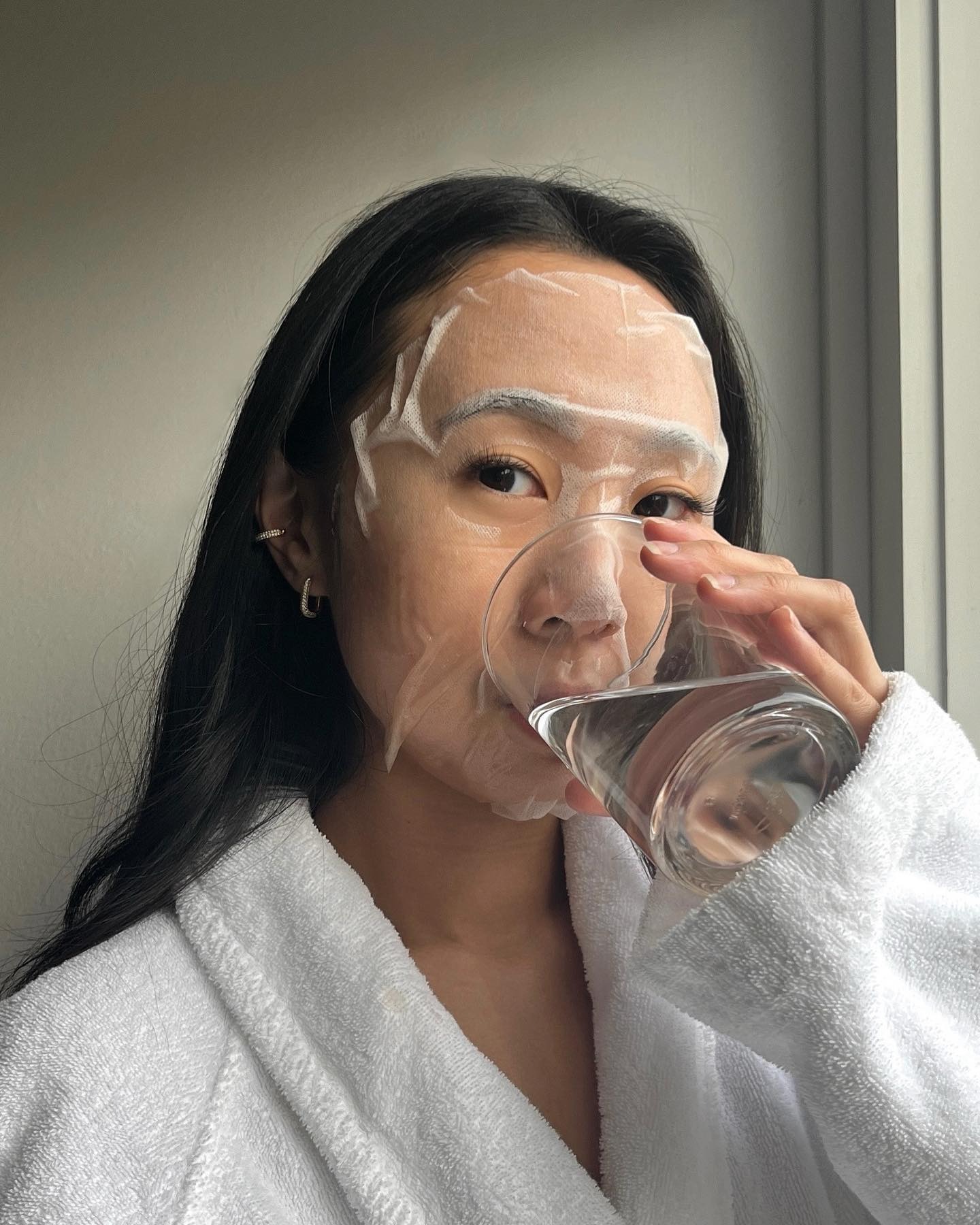
When these minerals dissolve in bodily fluids, they carry an electric charge. This charge plays a critical role in regulating the delicate balance of fluids inside and outside of cells, managing muscle contractions, facilitating the transport of vital nutrients inward, clearing cellular waste outward, and conducting the electrical impulses necessary for the nervous system and heart to operate.
The human body is remarkably efficient at maintaining these mineral balances independently. According to nutrition experts, a standard, balanced diet provides an adequate supply of electrolytes for the average person under normal conditions. However, circumstances change when physical activity, environmental factors, or health conditions cause the body to lose fluids at an accelerated rate.
"Electrolytes are essential for normal bodily function, and we should get enough through a balanced diet," Pennington notes. "However, when we do certain activities that cause us to lose more fluid than normal, you may want to take an electrolyte product to help maintain balance."
This fluid loss can happen for several reasons, ranging from intense exercise and high summer temperatures to illness or chronic under-hydration. When the body loses water through sweat, respiration, or digestion, essential minerals are depleted alongside it. Alexa Abdelaziz, research and development nutritional science manager at Unilever, points out that simply replacing lost fluids with plain water is not always sufficient to restore proper hydration.
"When we lose fluids, whether through exercise, in the heat, illness, or simply not drinking enough, electrolytes are lost through this," Abdelaziz explains. "Replacing water alone isn’t always enough to restore proper hydration, because electrolytes help the body actually retain and use that fluid effectively."
Despite the pervasive narrative on social media suggesting that everyone needs a brightly colored packet of mineral powder in their water bottle every single morning, experts emphasize that daily supplementation is largely unnecessary for those leading moderate lifestyles. Because the body naturally regulates its own internal environment, supplemental electrolytes are primarily designed to correct an active imbalance rather than serve as a mandatory daily beverage.
Furthermore, integrating electrolytes into a daily routine without a specific need is not entirely without risk. While adverse effects are rare for healthy individuals consuming moderate amounts, over-supplementation can pose issues for specific populations.
Elissa Corrigan, founder of the female-focused supplement brand Elle Sera, warns that indiscriminate daily consumption can lead to unintended consequences. "It’s probably not suited to everyone," Corrigan says. "For example, anyone with kidney issues or on dialysis should be cautious, since sodium intake needs to be carefully managed when the kidneys are already under strain."
Corrigan also highlights a growing trend among consumers who exceed recommended guidelines, noting instances where individuals consume two or three heavily fortified drinks a day. This habit can drive sodium intake to surprisingly high levels, which carries its own health concerns. In the realm of mineral supplementation, the philosophy that more is automatically better does not hold true.
For those who experience heavy physical exertion, frequent travel, or fluid loss from illness, thoughtfully chosen electrolyte products can serve as a useful tool. The market now offers an extensive array of formulations designed to meet various preferences and functional goals, ranging from basic mineral replenishment to blends infused with vitamins, immune support, and skincare ingredients.
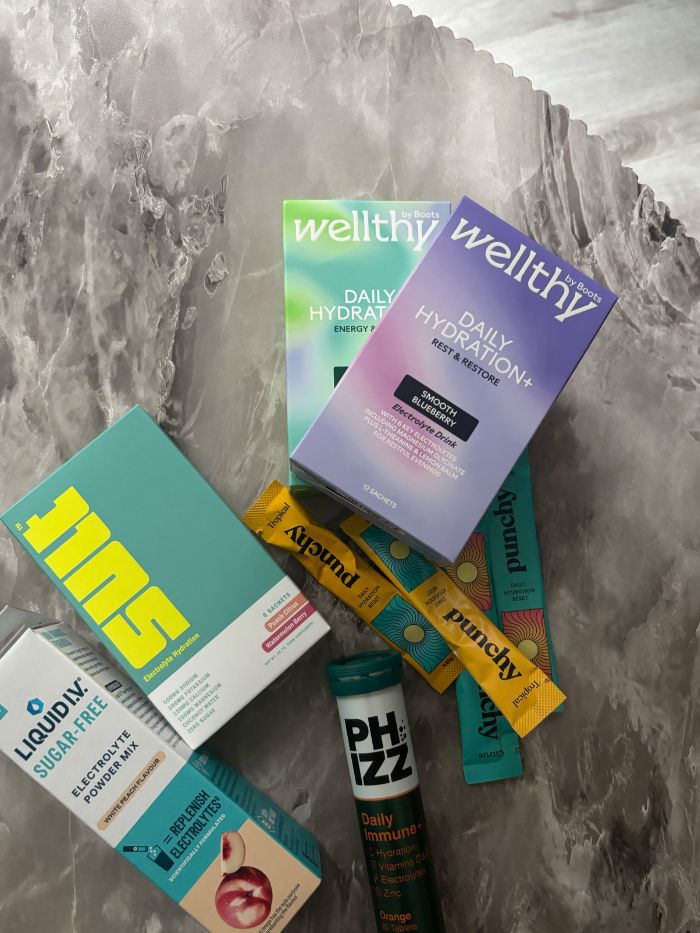
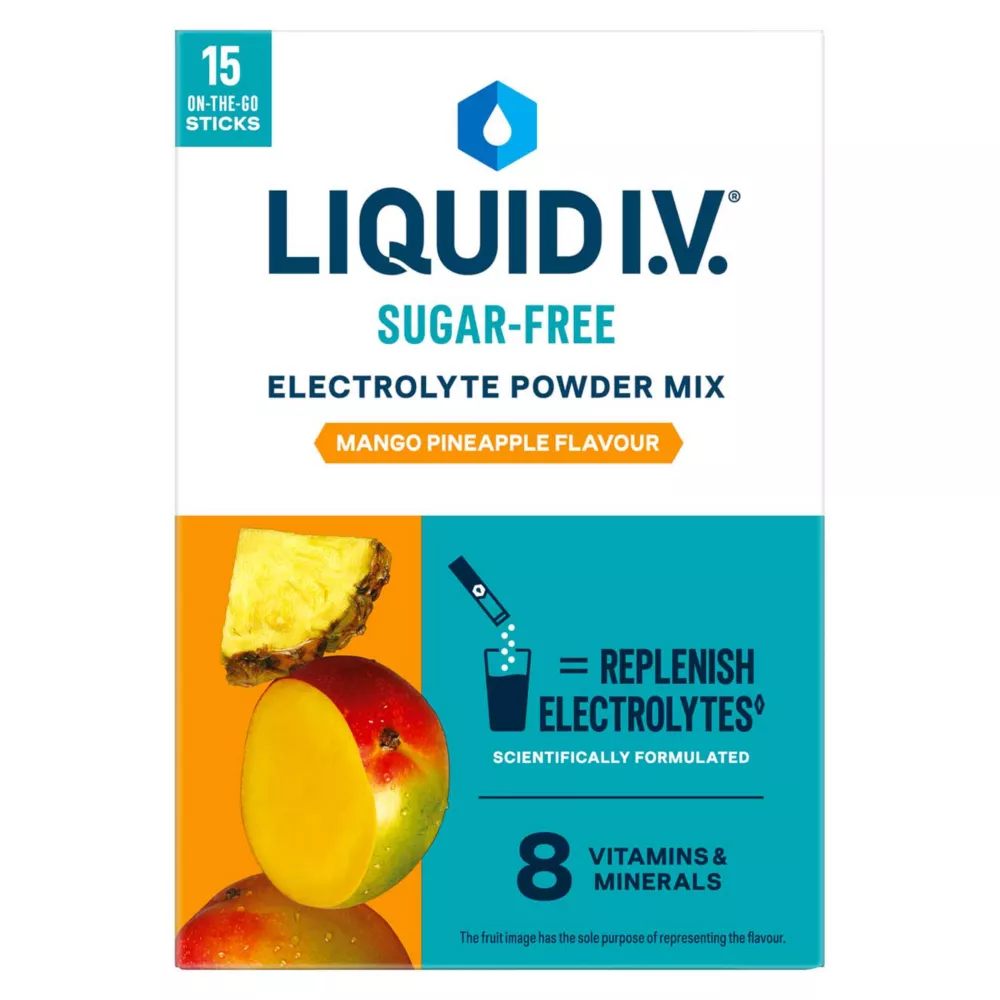
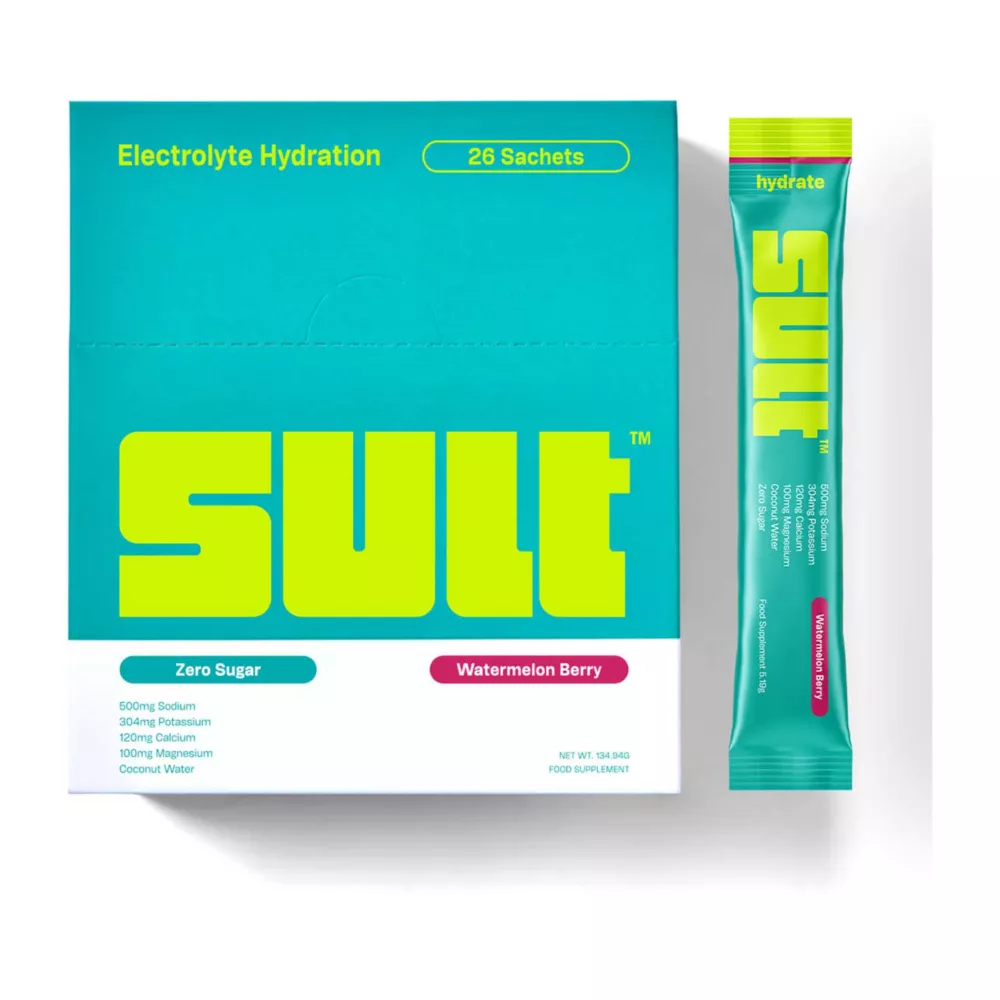
Among the standout products evaluated by testers are those offering targeted benefits without excess sugar. Liquid I.V. Sugar-Free Mango Pineapple Electrolyte Powder has emerged as a top overall favorite, praised for its flavor profile and inclusion of essential B-complex vitamins alongside standard electrolytes like sodium, potassium, calcium, and magnesium. Similarly, brands like Sult have gained traction by offering zero-sugar, plant-based formulations featuring a comprehensive blend of minerals packaged in sleek, travel-friendly sachets.
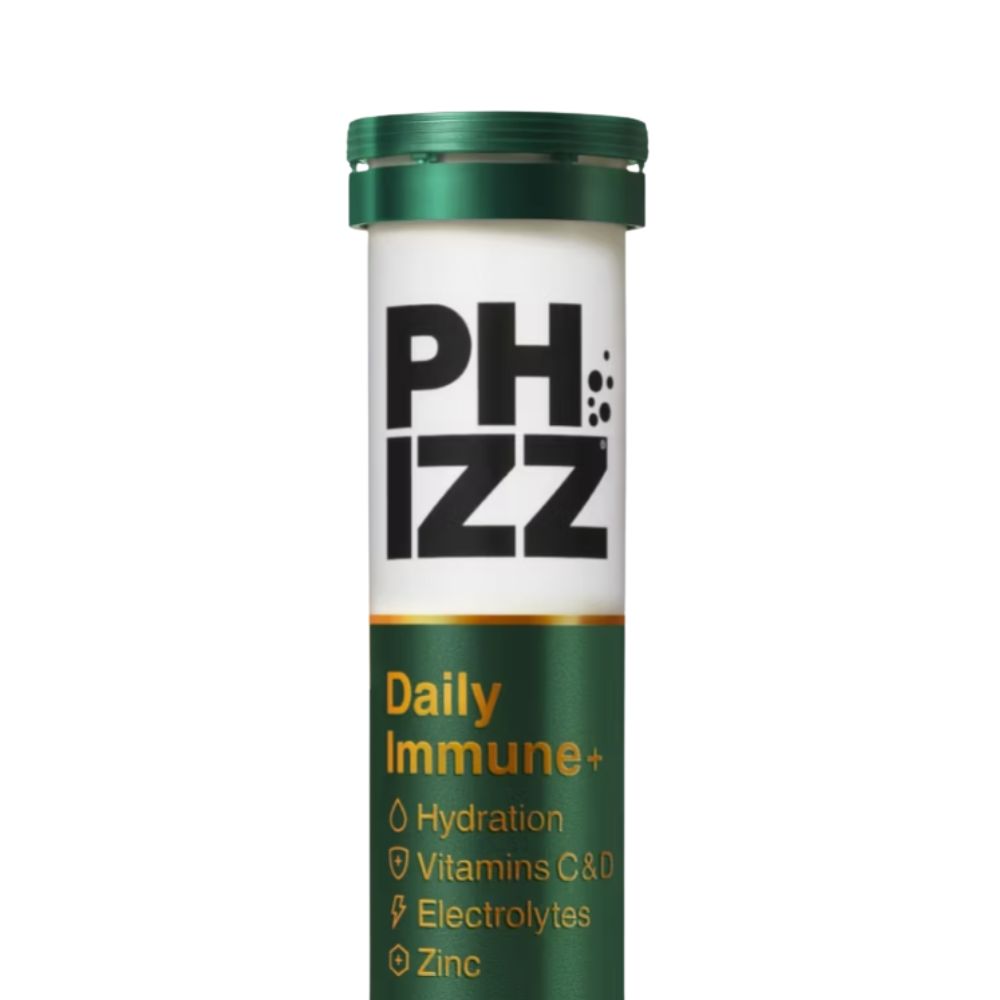
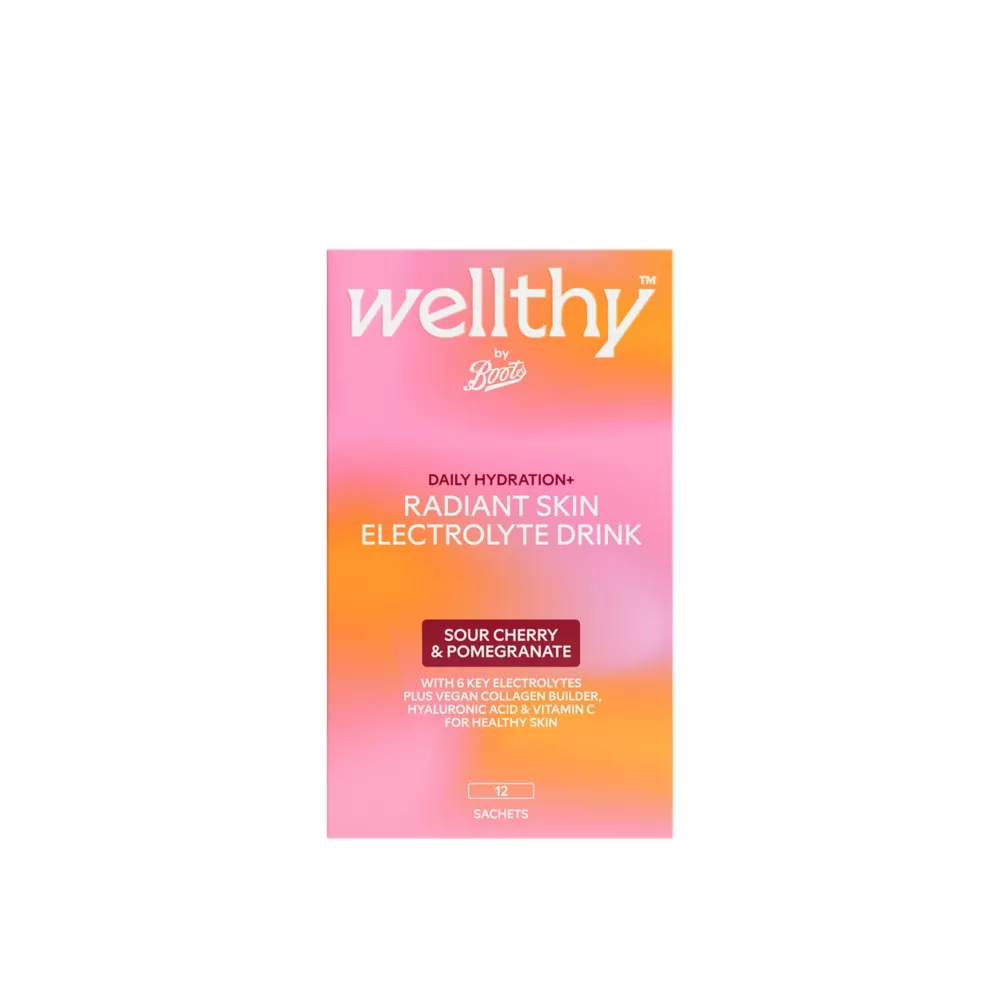
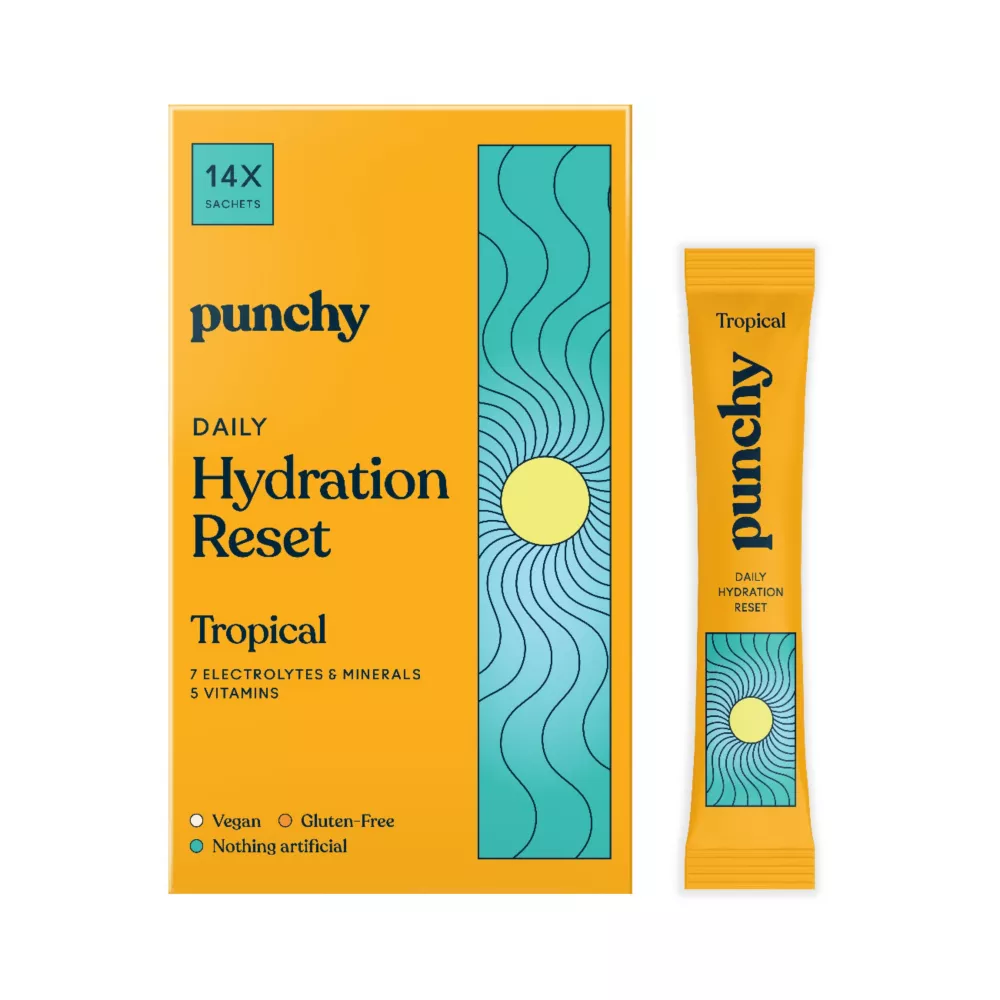
Other manufacturers have expanded the traditional electrolyte category by combining mineral hydration with functional health benefits. Phizz Daily Immune+ incorporates antioxidants, vitamins C and D, iron, and zinc into an effervescent tablet designed for recovery during periods of illness. Meanwhile, retail chemist lines such as Wellthy by Boots have introduced specialized variants, including formulations tailored for evening relaxation with magnesium glycinate and lemon balm, as well as options featuring vegan collagen builders, biotin, and hyaluronic acid for individuals seeking skincare support alongside daily hydration. Portable options like Punchy Electrolytes Daily Hydration Reset Tropical provide additional convenience for gym-goers seeking a quick mix of minerals and immunity vitamins on the move.
Ultimately, while the modern market offers innovative ways to enhance hydration, nutritionists and industry insiders agree that these products should be viewed as targeted functional supplements rather than essential daily staples for everyone. Consulting a healthcare professional remains the best approach for individuals considering adding new supplements to their wellness regimen, ensuring that hydration habits genuinely align with the body’s actual needs.