
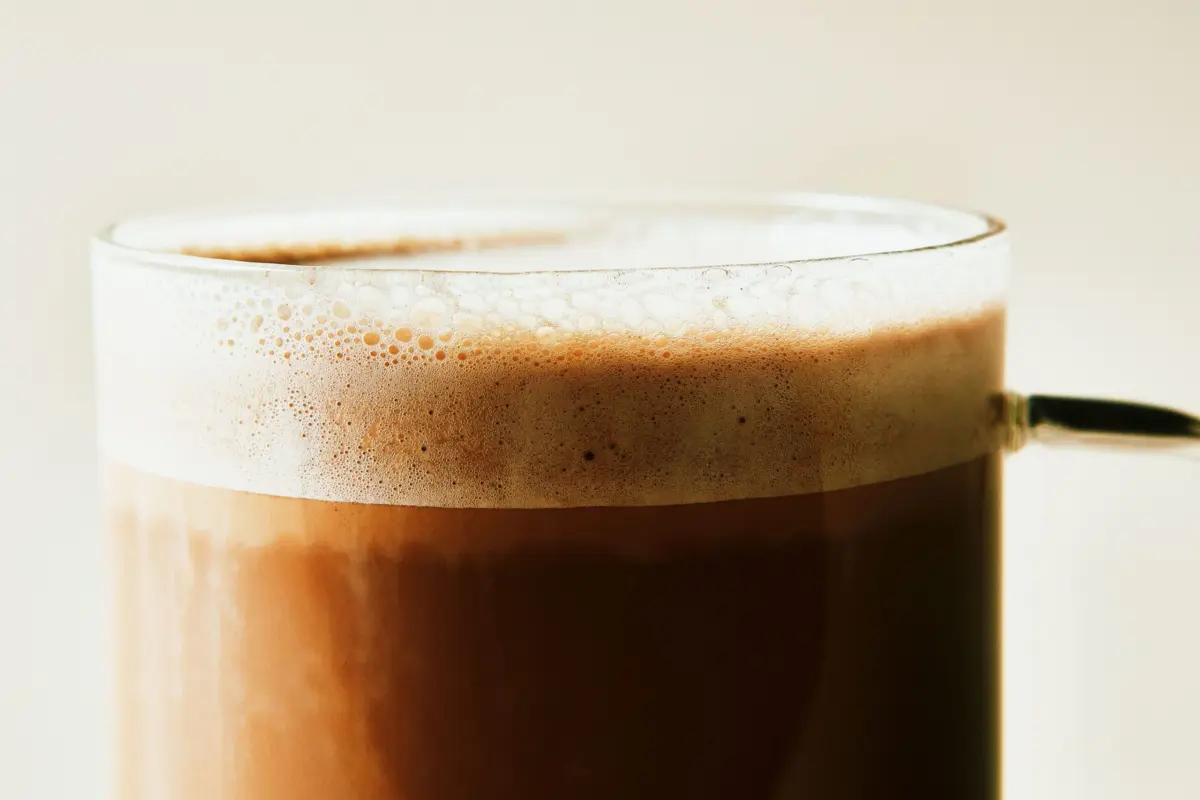
A truly exceptional instant hot chocolate mix should effortlessly bridge the gap between convenience and craftsmanship. It ought to deliver everything one might expect from a homemade pot of hot chocolate—a deep, resonant chocolate flavor and a rich, creamy consistency—with absolute ease. There is no need for chopping blocks of solid chocolate or closely monitoring a double boiler; it is a process defined simply by adding hot water or milk, giving it a stir, and sipping. Yet, despite their straightforward preparation, commercial cocoa mixes vary wildly across the board. Some lean heavily into a milky and sweet profile, others march into dark territory verging on bitterness, and a select few approach the thick, velvety texture of authentic drinking chocolate rather than the nostalgic, watery beverage many remember sipping at a budget ski lodge at the age of ten.
To navigate this crowded landscape and identify the absolute best options available to consumers, a panel of experts recently sampled 15 different supermarket and specialty varieties. The lineup included prominent household names and high-end producers alike, such as Swiss Miss, Starbucks, Ghirardelli, Guittard, Dandelion Chocolate, Jacques Torres, and Valrhona. Each contender was prepared strictly according to its package directions and subsequently evaluated on three core metrics: chocolate flavor, sweetness level, and overall texture. Ultimately, the favorites emerged to cater to three distinct consumer cravings: Starbucks Classic for a dependable, quintessential hot cocoa; Guittard for a richer, more luxurious everyday sip; and Dandelion Chocolate’s house mix for a complex, splurge-worthy flavor profile that treats cacao more like a fine wine or fruit.
The Best Classic Hot Chocolate: Starbucks
For many consumers, the ideal cup of hot cocoa is inextricably linked to memory. The Starbucks Classic Hot Cocoa successfully scratched this nostalgia center for the tasting panel, evoking the exact sensory profile of the hot chocolate remembered from neighborhood ice rinks or after spending an entire snow day sledding down steep neighborhood hills.

Tasters immediately recognized the offering as the definitive benchmark for classic cocoa, a sentiment echoed by senior cooking editor Kelsey Jane Youngman. Even when prepared simply with hot water—though the panel generally recommends using dairy or a preferred non-dairy alternative for an even richer mouthfeel—the Starbucks instant mix delivered a thoroughly satisfying milk-chocolate flavor paired with a surprisingly silky texture. While it may not have boasted the most complex flavor profile among the contenders, its meticulously balanced sweetness and universally familiar chocolate character made it an effortless favorite for everyday enjoyment.
The Upgrade: Guittard
For those seeking an experience that steps beyond the familiar boundaries of standard milk chocolate, the market offers more robust alternatives. Guittard’s Grand Cacao Drinking Chocolate represents the ideal middle ground, delivering a richer and decidedly more chocolate-forward punch than mass-market competitors when a slightly more indulgent treat is in order.
Given that Guittard already produces some of the culinary world’s most respected chocolate chips and serves as the Bon Appétit Test Kitchen’s go-to cocoa powder, expectations heading into the evaluation were exceptionally high. The brand’s drinking chocolate did not disappoint, offering a deep, resonant chocolate flavor accompanied by a flawlessly smooth texture. While several other premium contenders in the tasting leaned far too aggressively into bitterness, Guittard struck an ideal bittersweet balance, featuring just enough sweetness to maintain approachability, as noted by food director Chris Morocco.

The Splurge: Dandelion Chocolate
At the pinnacle of the specialty market sits Dandelion Chocolate’s House Hot Chocolate Mix, crafted from single-origin chocolate to produce a beverage that feels far closer to traditional European drinking chocolate than the standard cocoa packets of childhood. Intensely chocolaty, fruity, and lightly bitter, it features a remarkably thick and velvety consistency that redefines what an instant mix can achieve.
Dandelion stood apart from the very first sip. While the vast majority of hot chocolate mixes on the market lean heavily into sugary, milky profiles, this particular blend tasted distinctly like a melted bar of dark chocolate, according to Kelsey Jane Youngman. Sharp-palated tasters even picked up subtle notes of red berries hidden beneath the rich chocolate foundation—a poignant reminder from senior Test Kitchen editor Jesse Szewczyk that cacao is, at its botanical root, a fruit. This restrained approach to sweetness allowed the complex, multifaceted flavors to shine brightly, repeatedly drawing tasters back for subsequent sips.
Priced at more than two dollars an ounce, this selection is clearly not the beverage one would hand out by the pitcher to a dozen children rushing indoors from a afternoon of sledding. Rather, it occupies a different category entirely: a luxurious treat to be savored slowly on a freezing winter evening when the craving leans closer to a sophisticated dessert than a casual cup of cocoa.

The Evaluation Process
To ensure absolute fairness and accuracy during the evaluation, every participating mix was prepared strictly in accordance with its manufacturer’s package instructions, utilizing hot water or milk precisely where directed. The resulting beverages were then portioned into uniform tasting cups and served warm. In the interest of maintaining rigorous standards, tasters evaluated the samples blind, meaning they had no knowledge of which specific brands they were consuming while rating them on flavor integrity and mouthfeel.
The criteria governing the search were straightforward yet demanding. While it may sound axiomatic to state that hot chocolate should taste genuinely of chocolate, a surprising number of commercial contenders failed to clear even this baseline hurdle. The evaluation team sought out a robust cocoa foundation tempered by just enough sweetness to counteract the natural bitterness of the bean, while carefully avoiding sugar levels heavy enough to overwhelm the palate.
Texture proved equally paramount in determining the final rankings. The standout products achieved a creamy, silky profile devoid of the chalkiness, grittiness, or lingering powdery residue that ultimately pulled lower-performing products down in the standings.

This comprehensive taste test update reflects ongoing culinary assessments. While foundational notes for certain mass-market staples like Great Value, Trader Joe’s, and Whole Foods trace back to initial evaluations, the broader slate of products was rigorously re-examined to ensure contemporary accuracy for consumers looking to navigate the ever-expanding world of instant comfort beverages.