
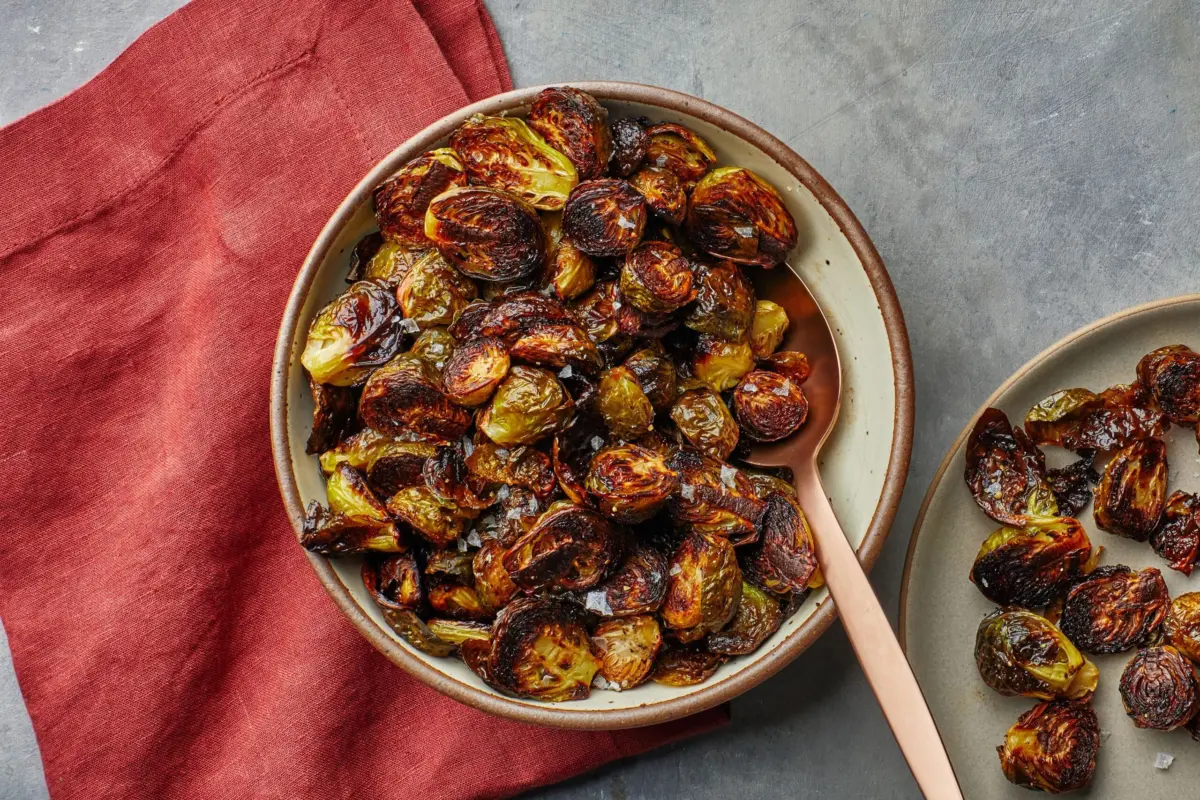
Crispy, caramelized edges and tender centers are the hallmarks of perfectly roasted brussels sprouts—and you don’t need much more than olive oil, salt, and pepper to get there. This simple recipe relies on a hot oven and a rimmed baking sheet to turn the humble vegetable into a side dish worthy of both weeknight dinners and the Thanksgiving table.
For many home cooks, the brussels sprout has long suffered from an undeserved reputation rooted in soggy, overcooked childhood memories. However, the culinary renaissance of this cruciferous vegetable has transformed it into a menu staple across households and restaurants alike. The transformation comes down entirely to technique. When subjected to the right amount of high heat and dry air, the natural sugars within the vegetable caramelize, while the sulfur compounds that create an unpleasant aroma during boiling are minimized, yielding a rich, nutty flavor profile that pairs effortlessly with a wide range of proteins and main courses.
The key to achieving this culinary transformation is deceptively simple: you must halve the brussels sprouts, quartering any especially large ones, and then spread them in a single layer so they roast instead of steam. Tossing them occasionally as they cook allows the outer leaves to turn wonderfully crisp while the flat, cut sides develop a deep, rich golden-brown color. This contrast in textures is what elevates the humble sprout from a routine vegetable side to a craveable component of a meal. Once they emerge from the heat, they can be served straight from the oven in their purest form, or they can be dressed up with a squeeze of fresh lemon juice, a shower of grated Parmesan cheese, or a drizzle of balsamic vinegar to add an extra layer of brightness or acidity that cuts through the savory richness of the roasted leaves.
Roasted Brussels Sprouts FAQ
How do you make roasted brussels sprouts crispy?
The secret to achieving maximum crispiness lies in temperature and spacing. Home cooks must use high heat, specifically an oven set to 450 degrees Fahrenheit, and spread the sprouts in a single layer on a rimmed baking sheet. Overcrowding the pan is the most common pitfall, as it traps moisture released by the vegetables during the cooking process. When moisture is trapped, the brussels sprouts end up steaming rather than roasting, resulting in a soft, uniform texture rather than the desired contrast between tender centers and crispy outer leaves. If you are preparing a large batch, it is essential to use two separate baking sheets rather than piling everything onto one, ensuring that every sprout has ample room to breathe and interact directly with the hot metal surface of the pan.
How long should you roast brussels sprouts?
Timing is another critical factor in achieving the ideal texture. At 450 degrees Fahrenheit, brussels sprouts typically take anywhere from 15 to 25 minutes to cook completely, depending entirely on their size and density. Because vegetable sizes can vary significantly, cooks should start checking on the batch around the 15-minute mark, paying close attention if they are using a convection oven, which circulates hot air and can accelerate the roasting process. The visual cues are the most reliable indicators of doneness: the sprouts are ready when the centers are easily pierced and tender, and the exposed edges are deeply browned and caramelized without being burnt.
Can you make roasted brussels sprouts ahead of time?
While culinary purists generally agree that roasted vegetables are at their absolute best when served hot straight from the oven—when the edges are at their crispiest—busy hosts often need to get a head start on meal preparation. To streamline the process without sacrificing too much quality, home cooks can trim and halve the brussels sprouts up to a day in advance, storing them in the refrigerator in an airtight container until it is time to cook. If you find yourself with leftover roasted sprouts, they can be successfully reheated in a 350-degree Fahrenheit oven until they are warmed through. While reheating will not fully restore the pristine crispness of a fresh batch, it remains a reliable way to enjoy the leftovers without reducing the vegetable to a soggy state.