
For years, "zero sugar" reigned supreme as the magic phrase in the soda and seltzer aisle. Consumers scanning refrigerated cases and pantry shelves were consistently greeted by an endless parade of labels promising absolute deprivation: zero calories, zero carbs, zero guilt, and, inevitably, zero sugar. It was an era defined by the pursuit of the ultimate compromise—achieving maximum refreshment without a single trace of traditional sweeteners.
However, a noticeable shift is currently underway across grocery stores, corner markets, and online retail channels. As beverage curators tasted entries for the inaugural Pantry Awards, a new crop of bubbly beverages emerged, making a compelling case that a modest dash of sweetness might actually be a welcome addition to the modern drinking experience.
Recently, a torrent of sparkling drinks has flooded both physical and digital shelves, all formulated with a touch of real sugar rather than relying exclusively on zero-calorie formulas or artificial alternatives. Some of these innovative libations riff playfully on classic seltzer water, others lean into the nostalgic comfort of traditional soda pops, and many reinvent heritage beverages for contemporary palates—including centuries-old standards like switchel and agua fresca. Crucially, regardless of their specific formulation or cultural lineage, these drinks share a common trait: they taste remarkably and ridiculously refreshing.

So, why are consumers and manufacturers suddenly okay with introducing a splash of sugar back into the equation?
According to Griffin Owens and Marcus Klein, the cofounders behind the beverage brand Yuzuco, modern customers are increasingly searching for real, recognizable ingredients consumed in moderation. The landscape of consumer preference, they note, has undergone a fundamental transformation over the past several cycles.
"Until recently, better-for-you meant no compromise," Klein explains, reflecting on the historical demands of the health-conscious beverage market. "Consumers wanted no sugar, no calories, no carbs, and a fully delicious taste. It was about the ‘zero.’ Now the conversation has flipped to what’s actually in the can."
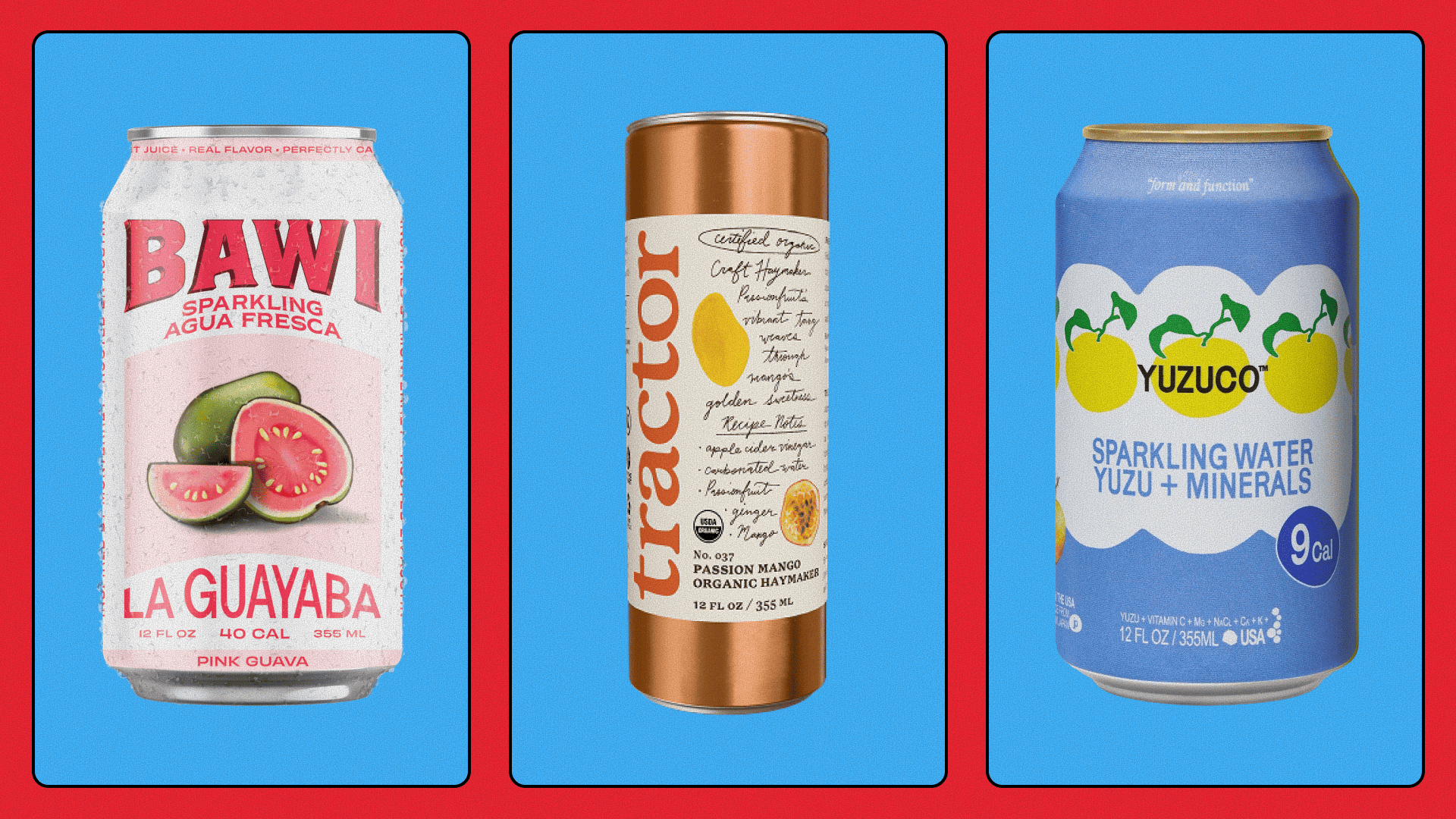
For Yuzuco, that core ingredient is yuzu. The aromatic and deeply tart Japanese citrus serves as the star component in all of the company’s offerings, including its expanding line of canned sparkling yuzu drinks. Crafted with simple fundamentals—purified water, cold-pressed yuzu juice, and a handful of functional minerals—this tangy, nine-calorie beverage bursts with a dynamic balance of sweet and sour notes. Notably, the subtle sweetness present in the drink does not come from heavy syrups or laboratory-crafted additives, but rather from just one gram of natural sugar derived straight from the yuzu juice itself.

Consumer research conducted by the brand indicates that shoppers increasingly favor ingredients they can instantly recognize and pronounce. Furthermore, Owens points out that a distinct sense of fatigue has settled in regarding alternative sweeteners. After years of experimenting with monk fruit, stevia, and other high-intensity natural substitutes, many shoppers are ready to return to simpler, more transparent formulations.
"Better-for-you now includes ‘made of real things’ and, frankly, ‘tastes good,’" Owens says. "People ask us how much real yuzu juice is in there, where the fruit comes from, and what kind of honey is used. We even get questions about the specific islands our yuzu grows on."
Yuzuco is far from alone in betting that real, unpretentious ingredients can do the heavy lifting when it comes to flavor profile and consumer appeal. Across the beverage sector, independent makers are breathing new life into traditional flavor profiles by utilizing authentic agricultural components rather than masking shortcomings with chemical sweeteners.
Bawi’s Agua Frescas, for instance, put an effervescent twist on the traditional Mexican beverage, offering vibrant flavor profiles like passion fruit, pineapple, and guava derived entirely from real fruit juice. Similarly, Walker Brothers has introduced Forest Waters, a line that bottles wild-harvested botanicals such as pine bark, calendula, and juniper leaf, lightly sweetened with a touch of wildflower honey.

The movement has also extended to revived historical tonics. Tractor Beverage Co. launched the Haymaker, a canned version of switchel—a zesty, centuries-old farmer’s tonic traditionally brewed from ginger and apple cider vinegar.
"It’s very important for us to have what we call ‘kitchen ingredients’—ingredients you understand and know," says Duke Stump, chief brand officer and head of product at Tractor Beverage Co.
That philosophy extends directly to how sweetness is approached. According to Stump, modern customers do not want to feel compelled to pull out their smartphones to decode an intimidating, chemistry-heavy nutrition label.
"We’re comfortable with sugar. It’s just what type of sugar," Stump adds, contrasting contemporary manufacturing methods with historical precedents. "If I look back to how colas and sodas were made in the ’40s and ’50s, it was different. For us, it’s less about ‘we’ve got to get to zero.’ It’s more, ‘What’s the best use of the cleanest organic sugar that we can find?’"

Molasses, maple syrup, and concentrated fruit juices are joining honey as preferred methods for forward-thinking beverage brands aiming to achieve sweetness without pushing their products overboard into excessive caloric density or cloying flavor profiles. These natural additions provide depth, mouthfeel, and complexity that artificial substitutes simply cannot replicate.
"Honey does something really specific in our iced teas: It adds a sweet, floral, almost caramel-like note that balances the tartness of our citrus and fruit flavors without pushing the drink into ‘sweet’ territory," notes Sophia Spring, cofounder of the sparkling iced tea brand Ooso.
Spring notes that the consumer reaction to this formulation shift is often immediate and revealing. "One of the first questions I get when sampling Ooso is, ‘Is there any stevia in this?’ And when I say no, just a touch of honey, the relief is palpable. That reaction tells me everything about where the consumer’s head is at right now."
Ultimately, contemporary drinkers want bubbles, but they also want transparency, natural components, and, most importantly, a genuinely satisfying little treat. As the beverage market continues to evolve past the rigid restrictions of the all-zero era, this new wave of thoughtfully sweetened sparkling drinks is successfully carving out space for all three.