
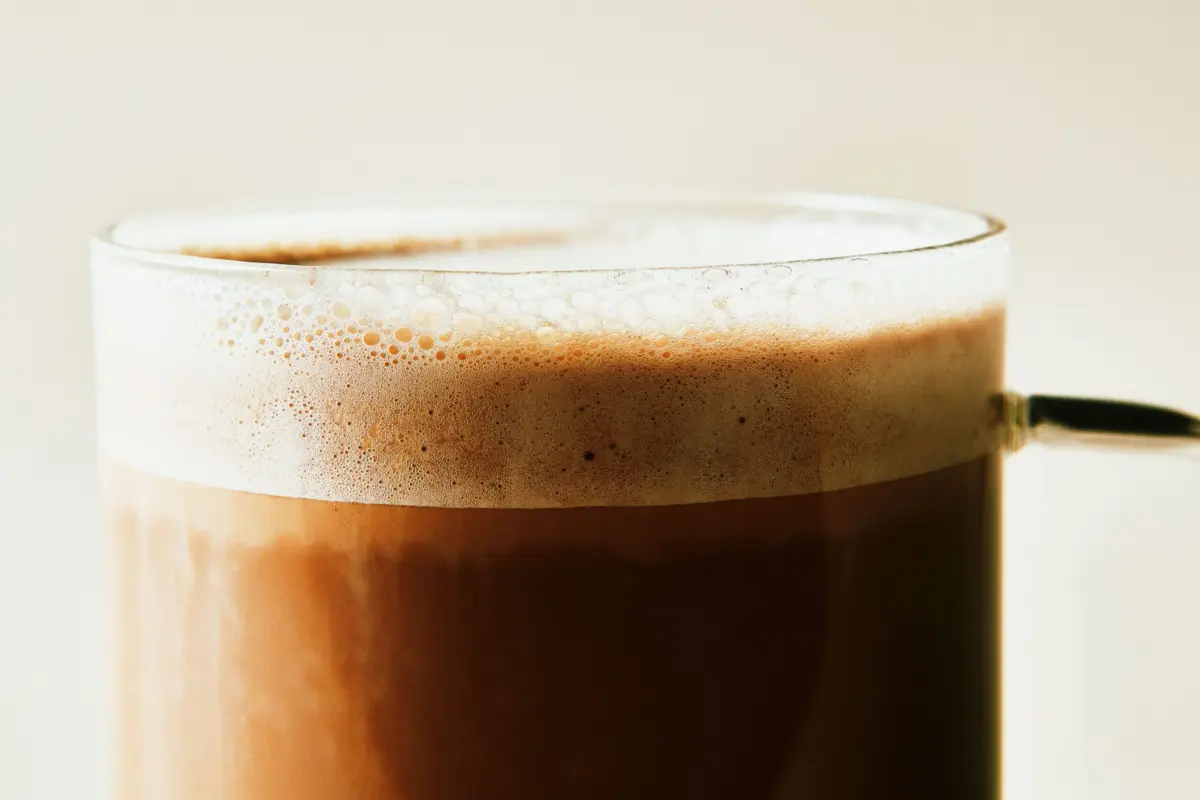
When the temperature drops and winter weather settles in, few culinary comforts rival a steaming mug of hot chocolate. The ideal instant hot chocolate mix promises all the luxury of homemade preparations—deep, resonant chocolate flavor and a rich, creamy consistency—without any of the labor-intensive steps. There is no need for chopping blocks of baking chocolate, carefully monitoring melting points on a stovetop, or whisking continuously to prevent scorching. Instead, convenience reigns supreme: simply add hot water or milk, stir thoroughly, and sip.
Yet, anyone who has browsed the grocery store aisles or specialty food shops knows that instant cocoa mixes vary wildly in quality, flavor profiles, and formulation. Some commercial varieties lean heavily toward sugary milkiness, tasting more like flavored syrup than actual chocolate. Others veer into the realm of dark, intense bitterness, while a select few approach the thick, velvety consistency of high-end European drinking chocolate, far removed from the watery packets served at budget ski lodges decades ago.
To cut through the noise and determine which brands truly deserve a spot in the pantry, culinary experts recently undertook a rigorous evaluation. They sampled 15 distinct supermarket and specialty varieties, examining household names alongside artisanal producers. The lineup featured mainstream heavyweights like Swiss Miss, Starbucks, and Ghirardelli, alongside specialty and bean-to-bar producers such as Guittard, Dandelion Chocolate, Jacques Torres, and Valrhona.
Prepared strictly according to package directions—using hot water or milk where specified—each contender was poured into individual tasting cups and evaluated blind. Tasters assessed the samples without knowing which brands they were consuming, judging every entry on three critical pillars: chocolate flavor intensity, balance of sweetness, and mouthfeel texture.

While the competition was fierce, the favorites ultimately separated themselves by catering to three distinct winter cravings. For a quintessential, memory-evoking cup of classic cocoa, the panel looked to Starbucks. For a richer, more luxurious daily sip, Guittard emerged as the clear winner. And for a complex, splurge-worthy experience resembling a melted bar of dark chocolate, Dandelion Chocolate’s house mix took the crown.
The Best Classic Hot Chocolate: Starbucks
For many consumers, the ideal cup of hot chocolate is less about tasting notes of single-origin beans and more about pure nostalgia. It should evoke memories of icy skating rinks, cold bleachers, or rushing indoors after an afternoon spent sledding in freshly fallen snow.
That emotional bullseye was hit effortlessly by Starbucks Classic Hot Cocoa, which immediately resonated with the collective memory of the tasting panel. Senior cooking editor Kelsey Jane Youngman noted that tasters instantly recognized the profile as the definitive standard of "classic cocoa."
Despite being prepared with water during the initial round of testing—though the team recommends using dairy or a preferred plant-based alternative for an even more decadent body—the Starbucks mix delivered a deeply satisfying milk-chocolate flavor paired with a remarkably silky texture. While it lacked the complex fruit notes of its more artisanal competitors, its perfectly balanced sweetness and familiar, comforting profile made it an accessible and undisputed favorite for casual everyday sipping.

The Upgrade: Guittard
When everyday milk chocolate feels a bit too simple, and a craving arises for something substantially more robust and chocolate-forward, coffee and baking enthusiasts often turn to premium pantry staples. Guittard’s Grand Cacao Drinking Chocolate stepped into this space, proving to be the ideal hot cocoa mix for moments that call for a noticeable step up in quality and richness.
Guittard has long established a stellar reputation in professional and home kitchens alike, producing some of the most widely praised chocolate chips on the market alongside the Bon Appétit Test Kitchen’s go-to cocoa powder. Naturally, expectations were exceptionally high heading into the evaluation, and the brand did not disappoint.
The mix delivered a deep, resonant chocolate flavor accompanied by a flawlessly smooth texture. While several other premium contenders in the tasting lineup leaned too far into astringent bitterness, Guittard managed to strike an ideal bittersweet balance. Food director Chris Morocco praised the formulation for containing "just enough sweetness to get away with it," bridging the gap between accessible sweetness and sophisticated cocoa depth.
The Splurge: Dandelion Chocolate
For those seeking an entirely different echelon of hot chocolate, artisanal producers offer formulations that redefine the category. Dandelion Chocolate’s House Hot Chocolate Mix, crafted from single-origin chocolate, produced a beverage that felt much closer to traditional drinking chocolate than the powdered packets of childhood. It was intensely chocolaty, fruit-forward, slightly bitter, and characterized by a thick, velvety consistency that coated the palate.

From the very first sip, Dandelion stood apart from the competition. While the vast majority of commercial hot chocolate mixes relied heavily on straightforward sweetness and a milky backbone, this specialty blend tasted remarkably, as Kelsey described it, "like a melted bar of dark chocolate."
Tasters with discerning palates easily picked up on subtle, inherent notes of red berries buried within the profound chocolate profile. Senior Test Kitchen editor Jesse Szewczyk pointed out that these nuanced flavors serve as a welcome reminder that cacao is, at its botanical core, a fruit. By keeping added sugar restrained, Dandelion allowed these complex, layered flavors to take center stage, ultimately tempting tasters to return for second, third, and fourth rounds.
At a price point exceeding two dollars per ounce, this particular mix is understandably not the variety parents would pull from the pantry when a dozen children march inside after an hour of sledding. Instead, it occupies a specialized tier: a luxurious treat meant to be savored slowly on a freezing winter evening when the objective is less about casual hydration and more about indulging in a beverage that blurs the line between a warm drink and a sophisticated dessert.
How the Evaluation Was Conducted
To ensure fairness and consistency throughout the evaluation process, every single mix was prepared strictly in accordance with its respective manufacturer’s package instructions. Depending on the brand guidelines, testers used either hot water or heated milk, ensuring that the resulting beverages mirrored what an ordinary consumer would experience at home.

Once prepared, the hot chocolate was portioned into individual tasting vessels and served warm. To eliminate brand bias and preconceptions, all samples were served blind. Tasters rated the entries entirely on their sensory merits, focusing intensely on flavor authenticity and structural mouthfeel.
In defining what made a successful cup, the panel established rigorous baseline criteria. While it might sound elementary to demand that hot chocolate taste genuinely of chocolate, a surprising number of commercial contenders failed this foundational test. The experts sought out robust cocoa flavor accompanied by just enough sweetness to counteract the natural bitterness of the bean, without tipping into an cloying sugar rush that masked the core ingredient.
Texture served as another decisive factor in the rankings. The top-performing mixes yielded a mouthfeel that was consistently creamy and silky. Conversely, formulations that left a chalky residue, gritty particles, or an overly powdery mouth coating were immediately penalized and pushed down the final list.
The recent evaluation builds upon previous taste tests conducted by the publication, incorporating updated product lines alongside timeless supermarket fixtures. As winter weather continues to drive demand for comforting indoor beverages, these findings offer a definitive roadmap for navigating the crowded shelves of hot chocolate mixes, ensuring that every mug poured delivers exactly the experience the drinker is craving.