
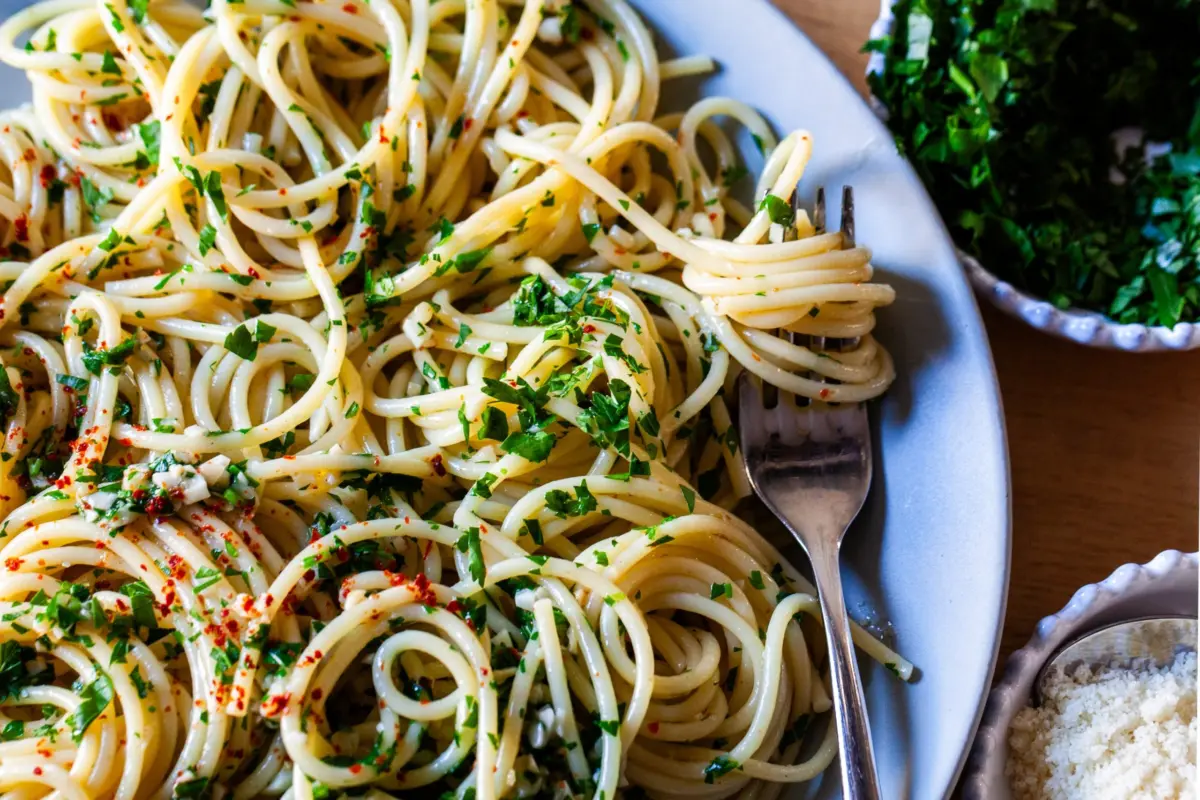
Do you ever look around the kitchen, take inventory of the available ingredients, measure the depleted energy reserves you have left to dedicate to the cooking process, and decide that the only rational path forward is to boil a pot of spaghetti, toss it with garlicky olive oil, and call it dinner? This universal culinary dilemma—a feeling that one exhausted home cook recently described to a family member as having run entirely out of metaphorical "fudge" from an imaginary bucket—is a familiar checkpoint in the rhythm of modern domestic life. Yet, out of this low-effort impulse emerges one of the most celebrated and enduring triumphs of traditional Italian cooking: spaghetti aglio e olio.
There is no time quite like the dog days of summer—particularly when those weeks are spent navigating the quirks of an ill-equipped vacation rental house kitchen—to remind home cooks of a fundamental truth. It matters very little how many complex, multi-step culinary techniques you have mastered over the years; nothing possesses the quiet, magnetic power to rouse family members from post-beach slumbers, make them look up from their glowing screens, and cause them to peer around the kitchen corner with genuinely piqued interest quite like the aromatic wizardry of garlic gently sizzling in high-quality olive oil. The universal reaction is always the same, marked by an instantaneous, hopeful inquiry: "Ooh, what’s that?"

Originating from the historic streets of Naples, Italy, aglio e olio has quietly amassed legions of devoted fans among exhausted cooks far and wide. Its enduring appeal lies in a remarkably short list of staple ingredients—items that most home kitchens already keep stocked—combined with a disproportionately high yield of flavor and comforting satisfaction. For years, seasoned home cooks have relied on the dish as a reliable backpocket recipe, serving it completely on its own alongside a crisp green salad, pairing it with whatever seasonal produce looked appealing at the local farmers’ market that week, or tossing in a scattering of diced roasted vegetables that had been lingering near the end of their shelf life in the crisper drawer. For those seeking an even more substantial meal, it easily accommodates a topping of lemony grilled shrimp or succulent chicken thighs, though its minimalist foundation remains its greatest strength.
Despite its versatility and foolproof nature, many cooks fall into the trap of forgetting that aglio e olio exists for months at a time. Yet whenever it is rediscovered and brought back into the regular meal rotation, households are invariably thrilled by its comforting simplicity. Consider this a timely seasonal nudge. The month of August is traditionally designed for working less hard both inside and outside of the kitchen, and that is precisely the relaxed state of mind this classic Neapolitan preparation aims to honor and support.

Spaghetti Aglio e Olio
The preparation of this timeless dish relies on technique rather than complexity, transforming basic pantry items into a glossy, cohesive pasta dish. The process begins with a pot of well-salted boiling water, where the spaghetti is cooked until it reaches a texture one to two minutes shy of package directions. Crucially, before draining the pasta, the cook sets aside one full cup of the starchy cooking water, reserving the liquid gold that will later tie the sauce together.
Rather than heating the oil and garlic first—a method that risks burning the delicate aromatics—the empty cooking pan receives a cold combination of extra virgin olive oil, minced garlic, and red pepper flakes. Only after the ingredients are combined in the unheated pan does the burner turn on to medium heat. Starting the mixture cold is a foolproof culinary technique designed to prevent the garlic from cooking too fast or turning bitter, allowing it instead to gently infuse the oil as it slowly warms.

Once the garlic begins to take on a warm, golden color, the drained pasta enters the pan alongside approximately half of the reserved pasta cooking water. The mixture is heated together while being stirred vigorously, a mechanical action that forces the starches from the water and the garlic-infused oil to emulsify, creating a rich, glossy coating that clings seamlessly to every strand of spaghetti. Additional reserved pasta water is added as needed throughout the process to keep the sauce loose and fluid, with home cooks frequently utilizing the entire second half-cup of liquid.
Just before serving, a generous handful of fresh parsley is tossed into the mix, along with any final adjustments to seasoning. The dish is plated immediately, finished with an extra drizzle of fresh olive oil across the top. While traditionalists might note that adding Parmesan cheese on top departs from authentic Neapolitan preparation, the guiding philosophy of the home kitchen remains supreme: your house, your rules.