
In an era saturated with wellness influencers, productivity gurus, and endless advice on how to optimize our daily routines, humanity seems locked in an unprecedented quest for personal fulfillment. Whether the current trend focuses on maximizing physical fitness gains, mastering the art of restorative sleep, or timing meditation sessions to the minute, the modern obsession with self-betterment is pervasive. People constantly consume content designed to make them happier, calmer, and more successful. Yet, amid this relentless inward focus, behavioral experts suggest there may be a profound and overlooked shortcut to emotional well-being that requires looking entirely outward.
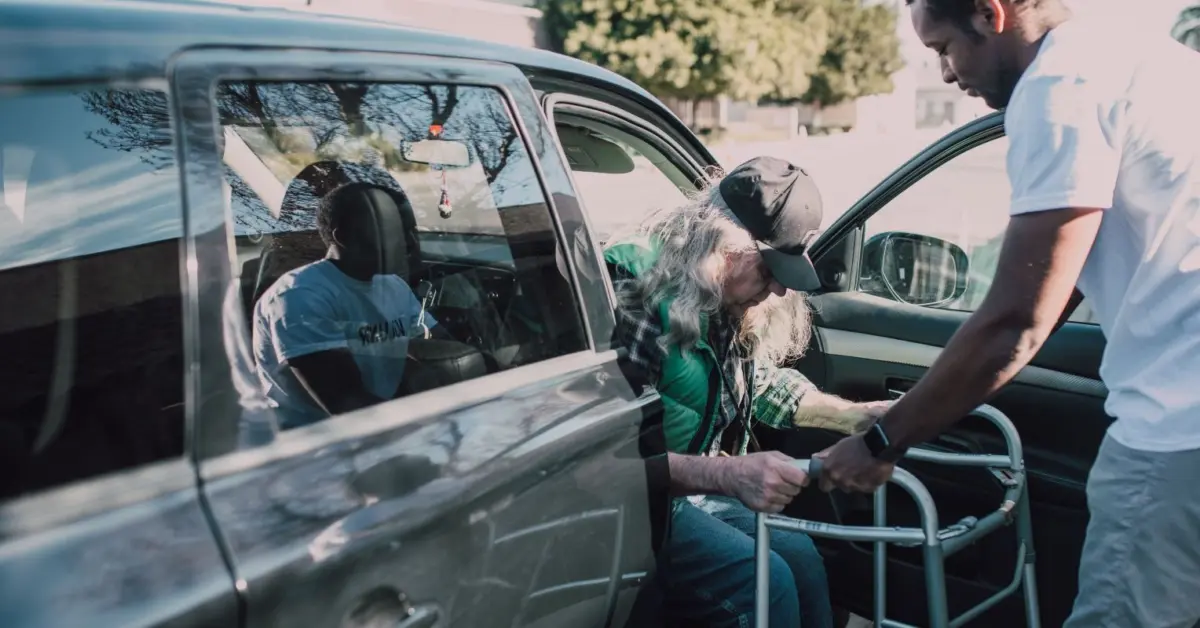
The core revelation is remarkably straightforward: if individuals genuinely want to move the needle on their own happiness, they should focus their energy on helping others. Crucially, this does not require grand gestures, massive financial donations, or sweeping societal interventions. Instead, simply becoming more attuned to the people around us who might benefit from a kind word, a supportive presence, or a small act of service can trigger a powerful positive shift in mood—particularly when that internal urge to assist is translated into immediate action.
We Love Watching Other People Help, But How About Us Stepping Up?
Digital platforms and social media feeds are inundated with heartwarming viral videos capturing strangers performing acts of kindness. Viewers can readily find clips of everyday heroes paying for a stranger’s tank of gasoline, clearing overgrown yards for elderly neighbors, or handing out financial relief to those experiencing hardship. These stories consistently resonate because they evoke a deep sense of shared humanity and emotional warmth.
However, a cultural question arises regarding the passive nature of this consumption: Are people settling for vicarious doses of inspiration while neglecting the power of direct action? Watching popular videos of kindness and feeling a fleeting moment of emotional resonance is vastly different from rolling up one’s sleeves in daily life. Settling for vicarious emotional highs and calling it a day leaves the transformative power of personal altruism largely untapped.
In the book Help Them: And Watch Your Own Life Get Better, the mechanics of this dynamic are explored in greater depth, particularly
the emotional health benefits gained by stepping outside oneself to assist others. Simple opportunities surround us daily. A friend or acquaintance might experience a profound lift from an unexpected phone call. Someone going through a uniquely challenging season of life might desperately need a dose of encouragement. Furthermore, offering the gift of active, patient listening—without immediately rushing in to offer unsolicited advice or problem-solving—remains one of the most difficult yet valuable forms of support a person can provide.
Helping Others Gets Us Out of Our Own Heads
Internal preoccupation is a universal human struggle. Many individuals spend vast amounts of mental energy trapped within their own thoughts, wrestling with recurrent, heavy questions: Am I truly happy? Did I handle that situation correctly? This rumination frequently leads down what psychologists might call "Regret Alley," characterized by self-defeating thoughts centered on past missteps and the illusion of how much better life would be if only the past could be rewritten.
Over time, this intense self-focus can morph into a psychological trap. Psychological research exploring kindness and helping behavior consistently links altruistic acts with enhanced personal well-being. When individuals step outside of their own internal monologue to assist others, they experience a temporary and refreshing respite from self-absorption. Recalling a past moment when an action genuinely made a difference in someone else’s life evokes a distinct, positive emotional resonance. Yet, while the benefits of altruism are well-documented, healthy boundaries remain essential to ensure that helping behavior does not cross the line into detriment.
Helping Can Go Too Far
Like many well-intentioned human endeavors, helping can be taken to an unhealthy extreme. Professionals who coach parents often observe that excessive assistance fails to serve the best interests of either party. This dynamic frequently manifests in relationships between parents and their struggling adult children, where a parent habitually intervenes by paying another bill, making another phone call, fixing yet another crisis, or continuously bailing an adult child out of self-inflicted trouble.
The inherent danger is that well-meaning assistance can easily devolve into rescuing. Tragically, persistent rescuing can impede another person’s capacity to develop essential life skills, resilience, and personal accountability. Consequently, the more prudent question for individuals to ask themselves is not simply "How can I help?" but rather "Will my action actually help this person grow?" In certain scenarios, providing support is far more effective through a listening ear than a financial contribution. In other instances, careful evaluation of the circumstances may dictate that the most responsible and loving response is simply to say no.
Acts of Helping Don’t Have to Be Huge to Make a Big Difference
When people conceptualize altruism, they often fall into the trap of believing that meaningful deeds must be dramatic, time-consuming, or monumental. In reality, impactful kindness is frequently quiet and understated. Sending a text message to someone who has been on your mind can profoundly brighten their day. Taking the extra step to place a phone call allows them to hear a supportive, warm voice, offering an even deeper connection. Expressing genuine appreciation by telling someone specifically why they are valued requires minimal effort yet yields significant emotional returns.
Practical examples of this dynamic unfold in everyday settings. A teen counseling client recently shared the profound sense of fulfillment he experienced after noticing an elderly neighbor who had recently lost her husband of forty years. Without seeking attention or reward, the teenager spent time raking her leaves and politely declined her offer of monetary compensation. Similarly, a parent engaged in counseling reported a renewed sense of personal well-being after consciously choosing to practice greater patience while listening to her children share long, elaborate stories.
Ultimately, shifting focus away from internal anxieties and toward the genuine needs of others serves as a powerful catalyst for personal well-being. Engaging in acts of service, large or small, alters internal psychological states and fosters deeper human connections. As the evidence suggests, embracing the well-being of others may ultimately prove to be one of the most effective paths toward improving one’s own life.