

As the holiday season approaches and kitchens prepare for an onslaught of festive meals, culinary professionals and home cooks alike are turning their attention to a critical culinary prep step that is frequently overlooked. With cutting boards soon to be overflowing with piles of onions, garlic, herbs, carrots, celery, and potatoes, food writer and cookbook author Casey Elsass has issued a timely reminder to home kitchens everywhere: it is time to sharpen your knives.
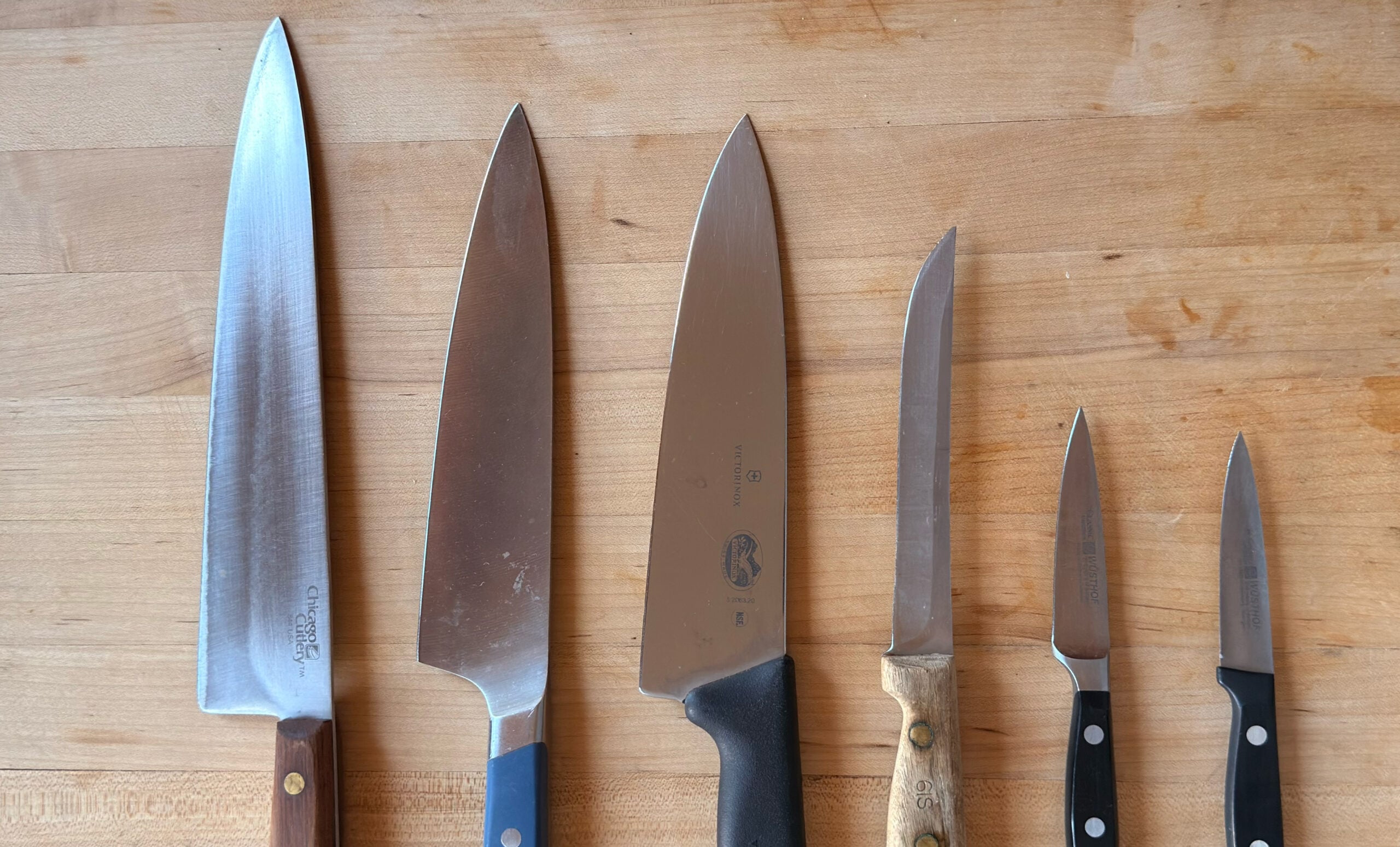
While sending professional blades out to be professionally sharpened remains an option, maintaining them at home offers a financially sustainable and remarkably straightforward alternative. Once home cooks establish a routine for blade maintenance, the practice quickly becomes an indispensable part of their routine, transforming the overall cooking experience and boosting efficiency during high-volume holiday prep.
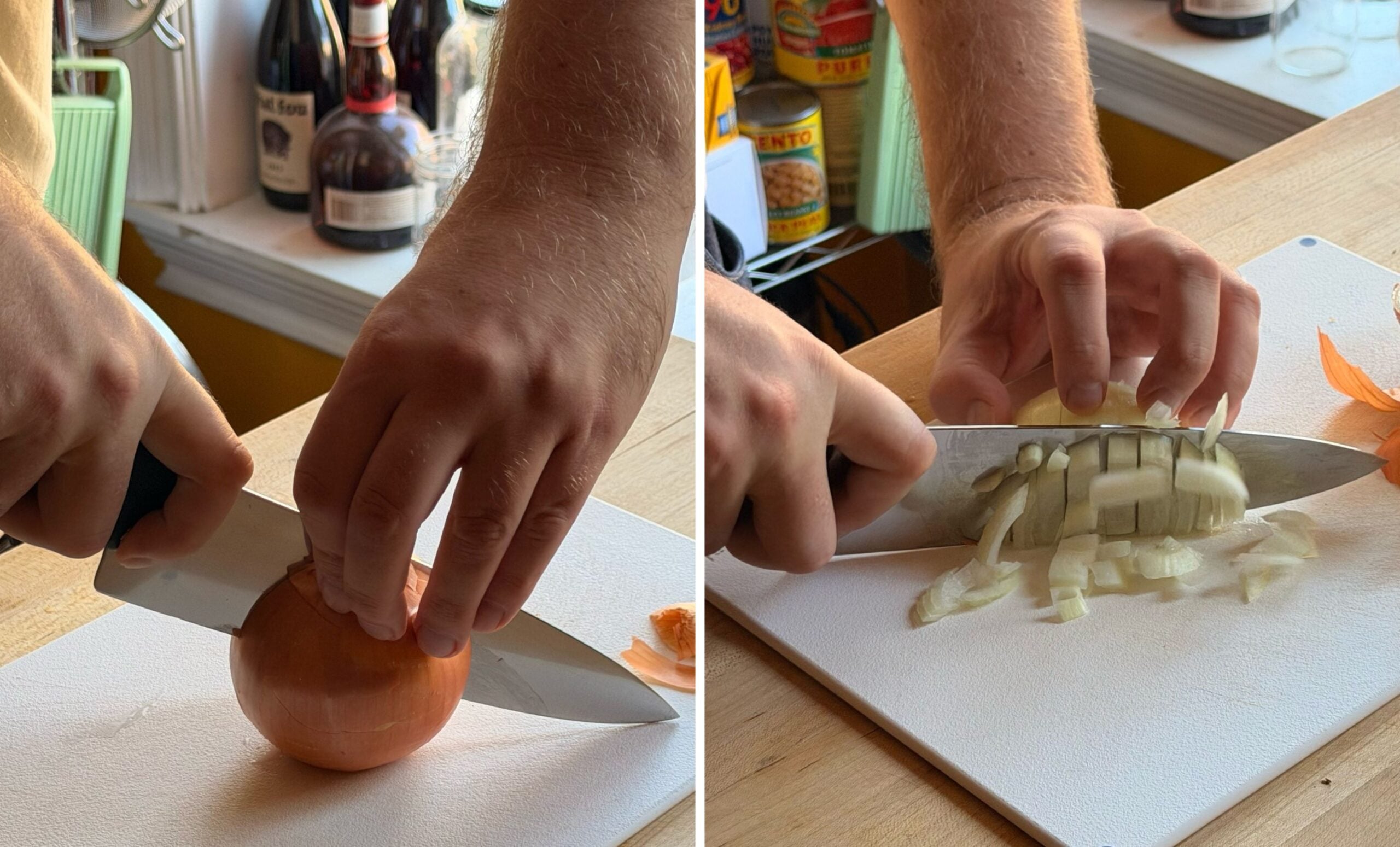
Addressing a common misconception among amateur cooks, experts emphasize that a sharp knife is actually significantly safer than a dull one. When a blade loses its edge, users must apply considerably more physical force for every cut, which dramatically increases the likelihood of an unpredictable and dangerous slip. In contrast, a sharp knife glides effortlessly through ingredients, allowing the cook to maintain precise control over the blade’s path at all times. This ease of operation not only protects fingers from accidental cuts but also speeds up the entire prep process, reducing culinary frustration and making the kitchen experience far more enjoyable for everyone involved.
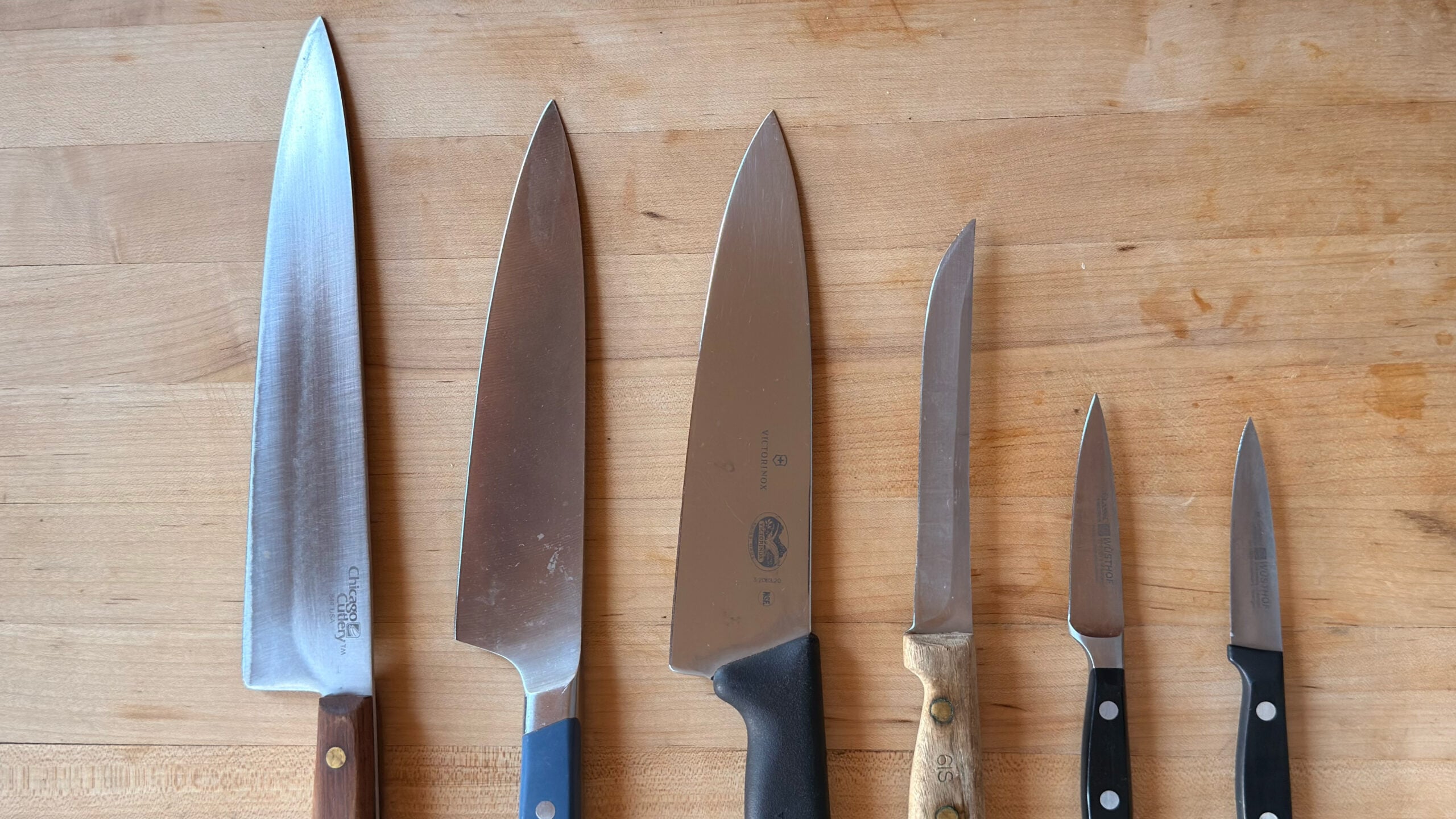
Recognizing when a knife has reached the end of its operational edge is generally straightforward for anyone spending time at the cutting board. If a blade routinely feels as though it wants to slip off the side of root vegetables or stubborn items like Brussels sprouts, or if fresh herbs are being bruised and battered rather than cleanly minced, the blade is long overdue for attention. Even the familiar phenomenon of crying while cutting onions is directly tied to the condition of the knife. Onions release a chemical gas known as syn-propanethial-S-oxide when their cellular walls are ruptured during chopping; a sharp blade damages fewer individual cells, resulting in a cleaner cut and significantly fewer tears.
To properly maintain kitchen cutlery, cooks must understand the distinct difference between honing and sharpening, two separate processes that serve complementary purposes. Sharpening actually shaves off microscopic slivers of metal to establish a brand-new cutting edge on the blade, whereas honing is designed to realign and straighten the delicate edge that is already present. This maintenance can be compared to personal care routines, where sharpening acts as an occasional exfoliation, while honing functions much like daily hair brushing—one is performed periodically, while the other is integrated into a more frequent routine.

The frequency of sharpening depends heavily on individual cooking habits and the types of ingredients being processed. Honing can occur as frequently as once a week or even every time a cook prepares a meal, helping to keep the blade properly aligned and performing at its best. Sharpening, meanwhile, is generally required every couple of months or just a few times a year. Cooks are advised to monitor how their knives perform during everyday tasks; if routine honing fails to restore the blade’s efficiency, it is time to move on to full sharpening.
Different types of knives require vastly distinct maintenance approaches, making it essential for cooks to understand their specific tools. While standard Western-style chef’s knives, smaller utility knives, paring knives, and carving knives respond well to basic home sharpening methods, other blade types demand specialized care. Japanese-style knives, for instance, feature thinner and more delicate edges that typically benefit from a whetstone rather than a standard handheld sharpener, with some traditional variants sharpened exclusively on a single side requiring specialized techniques. Serrated knives, including bread knives and serrated chef’s models, feature intricate teeth that require specialized tools and are generally best entrusted to professional services, though their unique design means they require far less frequent attention. Similarly, modern ceramic knives necessitate dedicated diamond sharpening equipment, underscoring the importance of consulting manufacturer recommendations when uncertainties arise.
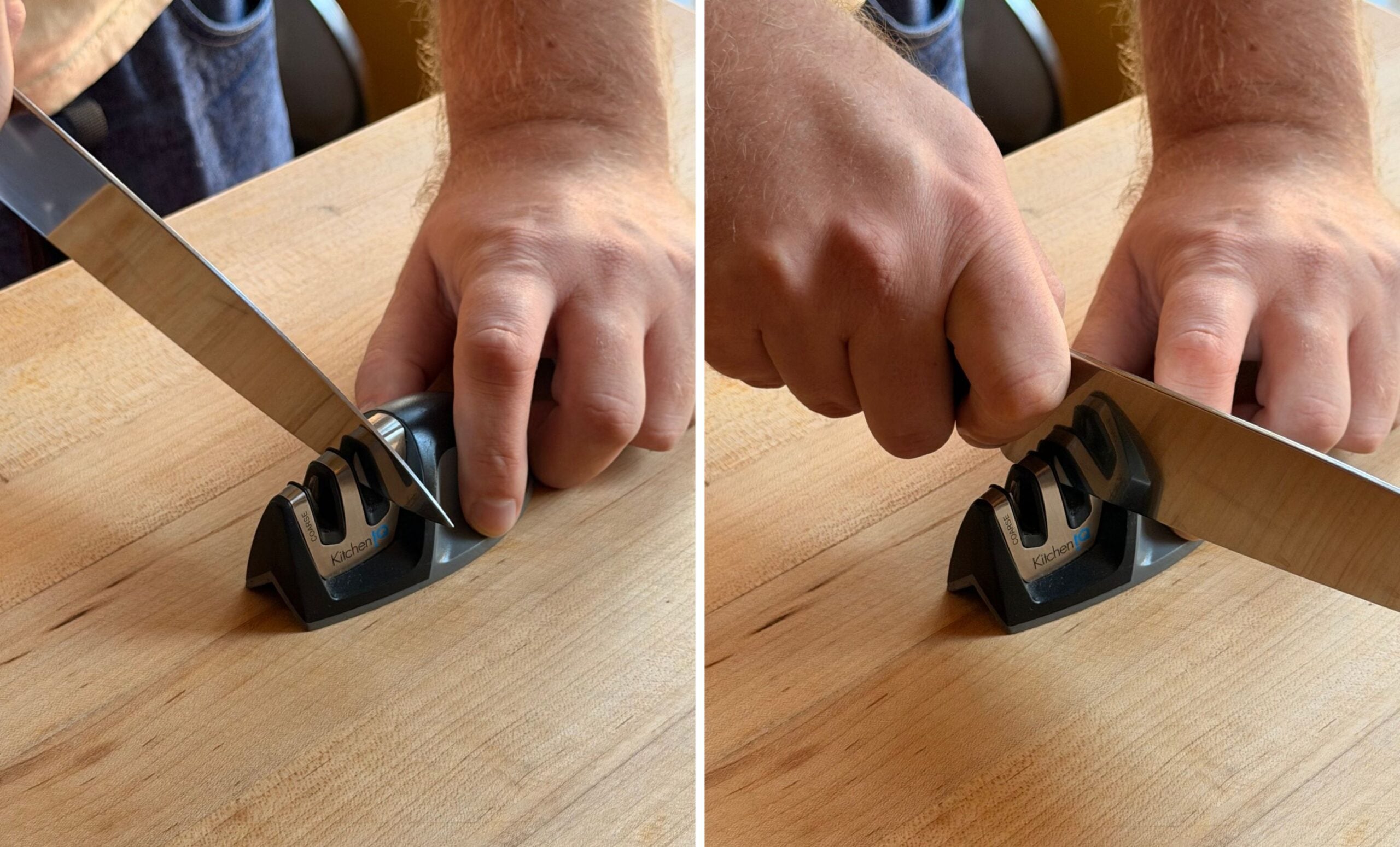
For beginners taking on the task at home, handheld sharpeners offer an approachable starting point. These devices typically feature preset angles that eliminate the need for technical expertise, along with a coarse slot for reshaping dull blades and a fine slot for finishing the edge. By placing the sharpener securely on a flat surface and pulling the knife smoothly through the slot from the heel to the tip without a sawing motion, users can quickly restore an edge using affordable, compact models designed for home use.
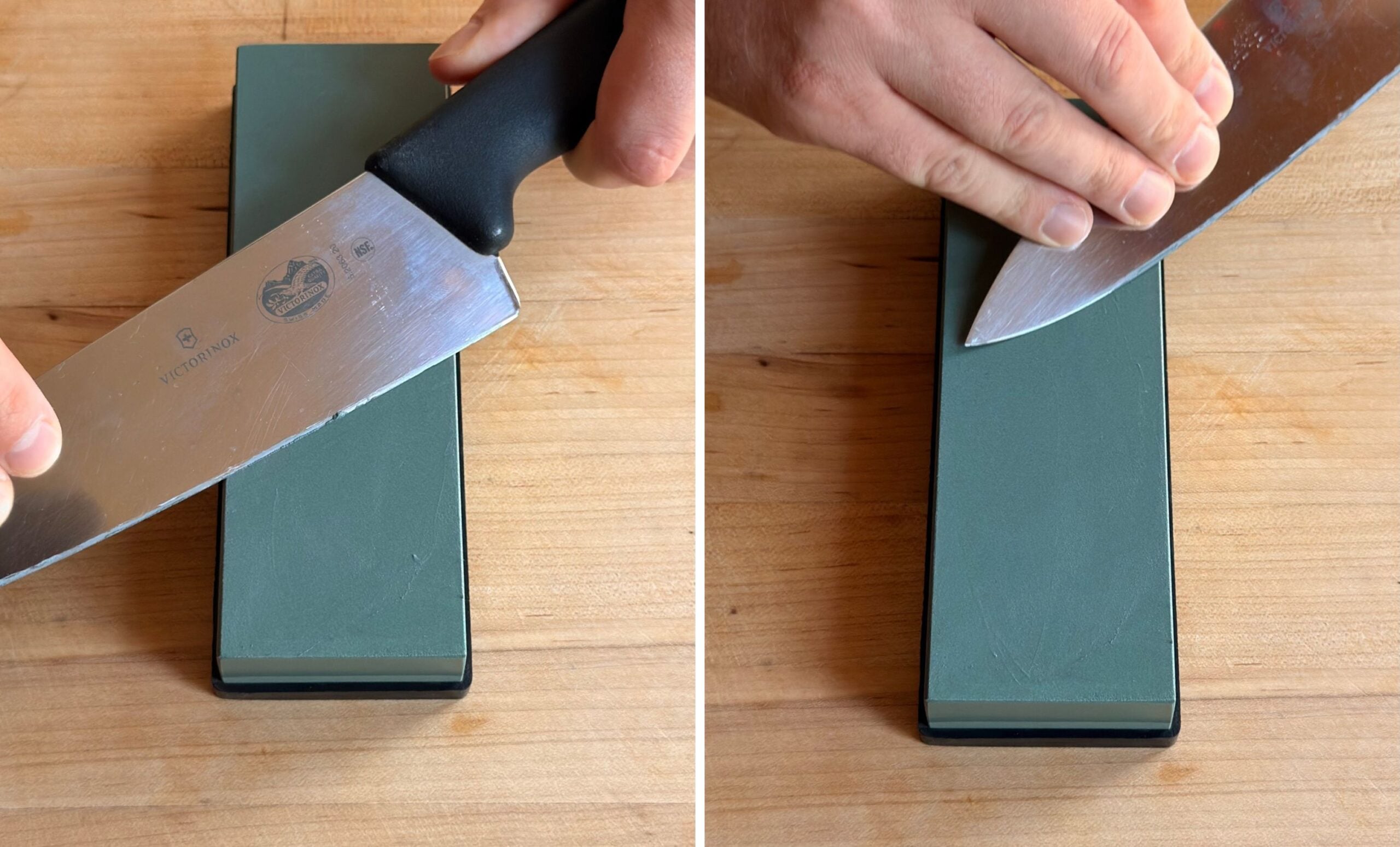
For those seeking a more traditional and precise method, the whetstone remains a favorite among culinary enthusiasts. A whetstone is a block of abrasive material that transforms the kitchen counter into a workspace reminiscent of a traditional blacksmith’s shop. The process typically begins by soaking the stone in water until bubbling ceases, followed by setting it on a nonslip base or a damp kitchen towel to prevent shifting. By holding the knife at a consistent angle—roughly fifteen degrees—and gently guiding the blade across the coarse side of the stone from heel to tip, cooks can methodically work both sides of the blade before repeating the process on the finer side of the stone for a polished finish.
Following the sharpening process, the maintenance routine concludes with the use of a honing steel. While cooking competitions often showcase dramatic flourishes with honing rods, the safest and most practical method for home kitchens involves placing the tip of the steel vertically on a folded kitchen towel on the counter. By holding the handle firmly and drawing the heel of the knife down the rod at a consistent angle, alternating sides for a few repetitions, the blade’s edge is realigned to optimal performance.
The final and most crucial step in any home sharpening routine is thorough cleanup. Because the sharpening and honing processes dislodge tiny microscopic particles of metal and residue from the blade, it is essential to wash the entire knife thoroughly in warm, soapy water and dry it completely before returning to food preparation, alongside wiping down the surrounding work surfaces.
Casey Elsass, based in Brooklyn, is a recognized food writer, recipe developer, and cookbook author. He serves as the author of the bestselling cookbook What Can I Bring?: Recipes to Help You Live Your Guest Life and has contributed to the creation of more than thirty cookbooks. His culinary writing has been featured across numerous prominent publications, including The New York Times, New York Magazine, Bon Appétit, NPR, Food52, and Cup of Jo.