
If you have not yet seen Louis Theroux’s latest documentary feature, Louis Theroux: Inside the Manosphere, media critics and cultural commentators suggest making time for it on Netflix. For parents, particularly those raising young boys, it has been described as essential viewing. Yet it comes with a sobering disclaimer: it functions less like standard entertainment and more like a psychological horror film that lingers long after the credits roll. Contemporary cinematic horror pales in comparison to the unfiltered reality of the digital manosphere.
In the documentary, Theroux, known for his understated and methodical British journalistic style, calmly and somewhat detachedly navigates the inner workings of the manosphere. Engaging directly with some of its most extreme influencers—peddlers of misogyny, anti-Semitism, conspiracy theories, and homophobia—he soon finds himself drawn into the conflict. He becomes part of the content, subjected to selective editing, and expertly trolled, even while holding his own camera. During a particularly unsettling night out, one British influencer looks directly into Theroux’s lens and points out the dynamic playing out in real-time. "He don’t wanna be in the live," the influencer remarks to the camera in front of Theroux. "He don’t wanna be on the content. But he’s got no choice."
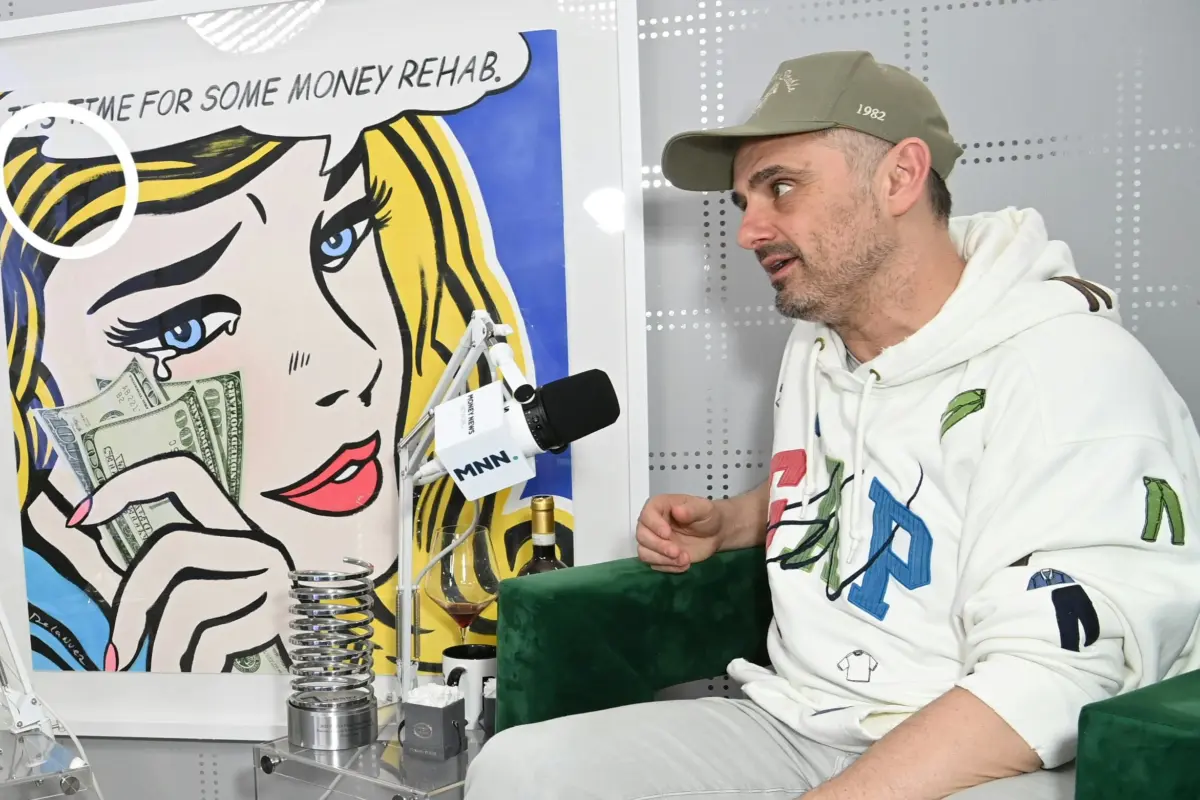
Parents, by contrast, retain a vital choice. They possess the agency to shield their children from digital depravity, push back against cultural drift, and direct their children’s attention toward alternative role models. Figures like Gary Vaynerchuk—the best-selling author, radio host, entrepreneur, and unapologetic personality—increasingly position themselves as an antidote to the vitriol found across the manosphere. As an executive heading VaynerMedia as CEO and serving as Chairman of VaynerX, Vaynerchuk is a hard-nosed, fast-talking business leader who strongly advocates for personal bootstrapping. At the same time, he maintains an explicit commitment to fundamental kindness. "I know I was well parented," Vaynerchuk noted in an interview, "and I have all of my validation, and I mean all of it, wrapped up in being a nice guy."
While parents can choose kindness, Vaynerchuk emphasizes that they must also choose greater accountability. This means halting the dual habit of coddling children while simultaneously trying to micro-manage their lives—such as tracking their movements or stripping away digital access only when a crisis hits. "Supporting your child is everything," Vaynerchuk said. "Enabling your child is a disaster." Navigating that precise boundary, he suggests, is the defining challenge of modern parenting.
Addressing why modern individuals are increasingly checking out from both the workforce and social life, and how to inoculate children—specifically boys—against this cultural retreat, Vaynerchuk points directly to systemic shifts in modern upbringing. He argues that contemporary parenting has lost its way due to critical missteps, though society often blames social media simply to avoid personal accountability.
The first major mistake, according to Vaynerchuk, is an over-indulgence in participation culture, an aversion to conflict resolution, and an excess of coddling, particularly concerning boys. While describing himself as a dedicated mama’s boy, he recalls getting into numerous school fights without his mother intervening with alarm or institutional complaints, treating those conflicts as a normal part of life’s friction. He contends that society has become far too intrusive in children’s day-to-day affairs, contrasting contemporary helicopter parenting with historical norms.
For generations prior to the last two decades, parents rarely marched into schools to berate teachers over grades, he noted. Today, however, parents frequently maintain constant electronic surveillance over young adults well into their twenties, monitoring their locations via family tracking applications. "The fck are we texting our sons who are 27 because we have the family fcking plan and knowing where everyone is?" Vaynerchuk asked. "Let men be men." Using the metaphor of a zoo versus the wild, he questioned whether a lion raised in a protected urban zoo could survive against a jungle-born predator, arguing that society has produced too many "zoo lions" over the last quarter-century and needs to step back.
Sports play an indispensable role in teaching resilience and managing conflict, Vaynerchuk argues. He recalls instances where young athletes cried after losing games, noting that he would encourage them to embrace those emotions rather than suppress them or listen to parents who dismissed the loss. Viewing a child who cries over a sports loss as experiencing a blessing rather than a problem, he advocates for compounding that emotional experience rather than neutralizing it. Teaching children that competition does not matter breeds depression, he suggests. For Vaynerchuk, competition mirrors life itself. He contends that parents frequently overstep by yelling at coaches, arguing that children benefit from dealing with suboptimal leadership.
Allowing a child to handle a difficult coach prepares them for difficult bosses, demanding public officials, and other figures of authority they will inevitably encounter in adulthood, Vaynerchuk explained. He pointed to instances of young men throwing temper tantrums in their late twenties as a direct result of never having learned to navigate frustrating or imperfect authority figures during their formative years.
Humility, Vaynerchuk shared, was forged through sports and remains his personal superpower. Raised by a mother who demanded humility, he admitted to holding an inflated self-image during childhood, believing himself to be exceptionally athletic and handsome due to early successes in his neighborhood. However, repeated losses and adjustments provided a rude awakening. Acquiring humility, he noted, is like developing a taste for complex foods such as caviar, sweetbreads, truffles, or oysters—the initial experience is unusual, but the acquired taste becomes deeply valued. Witnessing humility behind closed doors in professional meetings, he hopes, inspires younger generations to view it as a strength rather than a weakness.
Reiterating his perspective on failure, Vaynerchuk expressed an affinity for adversity and the underdog journey, contrasting it with established champions. This philosophy ties directly into his views on the parent-child dynamic, particularly the notion that a parent should not act as a child’s best friend. Addressing parents of teenagers, he emphasized the necessity of teaching consequences and ramifications. Without parental guidance on accountability, life eventually delivers those lessons, often starting around age 22—making it exceptionally difficult to unlearn decades of enabled behavior.
While supporting a child is paramount, enabling them creates disaster, Vaynerchuk stressed. He acknowledged the cultural shift where parents develop close, friendly relationships with their adolescent children, noting that while this dynamic can be positive, many parents lose sight of boundaries. Some parents seek popularity with their children, effectively acting as providers of non-accountability and shielding them from consequences by blaming external factors.
This philosophy extends directly to financial independence. Vaynerchuk argues that parents should stop providing financial support to young adults typically between the ages of 15 and 18, though he acknowledges his own parents might argue for an even younger age. Providing financial support to a 23-year-old son, he warned, actively undermines his development and prevents him from standing on his own feet. While previous generations occasionally borrowed money for major milestones like housing and repaid it with interest, ongoing financial subsidies have become standard in ways that distort reality.
Drawing on numerous digital messages from young adults expressing internal frustration over financial dependence, Vaynerchuk described a psychological toll hidden beneath surface-level compliance. A 27-year-old receiving ongoing financial backing may say what parents want to hear, but internal resentment builds regarding their lack of genuine independence. Financial support allows young adults to maintain lifestyles involving upscale gym memberships, dining, and leisure, but Vaynerchuk believes these actions inadvertently communicate a lack of respect for the individual’s capability to provide for themselves.
Ultimately, Vaynerchuk clarifies that his definition of success centers not on monetary accumulation, but on peace of mind, reduced anxiety, and freedom from depressive cycles. While financial independence may not guarantee worldly success, he asserts it is essential for personal maturity and self-respect. Highlighting his deep admiration for individuals who work multiple jobs to support their families without complaint, Vaynerchuk places resilient, hard-working, and kind individuals at the very pinnacle of human value.