
This story was published in partnership with The Intercept.
In August of 2023, a catastrophe swept across the island of Maui, leaving an indelible scar on the landscape and its people. A series of fast-moving, destructive wildfires tore through communities, most notably devastating the historic town of Lahaina. The fires killed more than 100 people, flattened thousands of homes, and caused billions of dollars in damage. In the immediate aftermath, as the smoke filled the air and the full scale of the tragedy began to unfold, grassroots mobilization became a vital lifeline. Noelani Ahia, who is Kanaka Maoli and co-founder of the Maui Medic Healers Hui, stepped forward to help mobilize nearly 600 volunteers in Lahaina, bringing together a dedicated network of doctors, nurses, and mental health therapists to tend to the overwhelming needs of displaced and traumatized residents.
Three years later, however, the emergency is far from over. The housing and health crises on the island remain acute, deeply embedded in the daily lives of survivors. While the Maui Medic Healers Hui continues to operate a free clinic to support the community, Ahia notes that the scale of the need vastly outstrips their resources, expressing a wish for ten times as many clinics to adequately address the community’s ongoing medical requirements. "The fire may be out, but the catastrophe is not over by any stretch of the imagination," she said.
The devastation caused by the disaster extended far beyond the immediate loss of life and the physical destruction of buildings. Research published last year by scientists with the University of Hawaiʻi at Mānoa’s Maui Wildfire Exposure Study, or MauiWES, revealed a staggering public health toll: more than 1 in 5 residents surveyed suffered from reduced lung function in the wake of the fires.
Now, new research stemming from the same comprehensive project has uncovered an even more alarming trend. Months after the fires subsided, researchers found elevated levels of toxic metals in the bodies of island residents, with higher concentrations of exposure directly associated with impaired lung function. These findings offer further, sobering evidence that the health consequences of catastrophic wildfires can persist long after the flames are extinguished and the visible smoke finally clears from the horizon.
"What we consider and sometimes look at as a one-time event isn’t really one-time anymore," Alika Maunakea, who is Kanaka Maoli and co-director of MauiWES, told Grist.
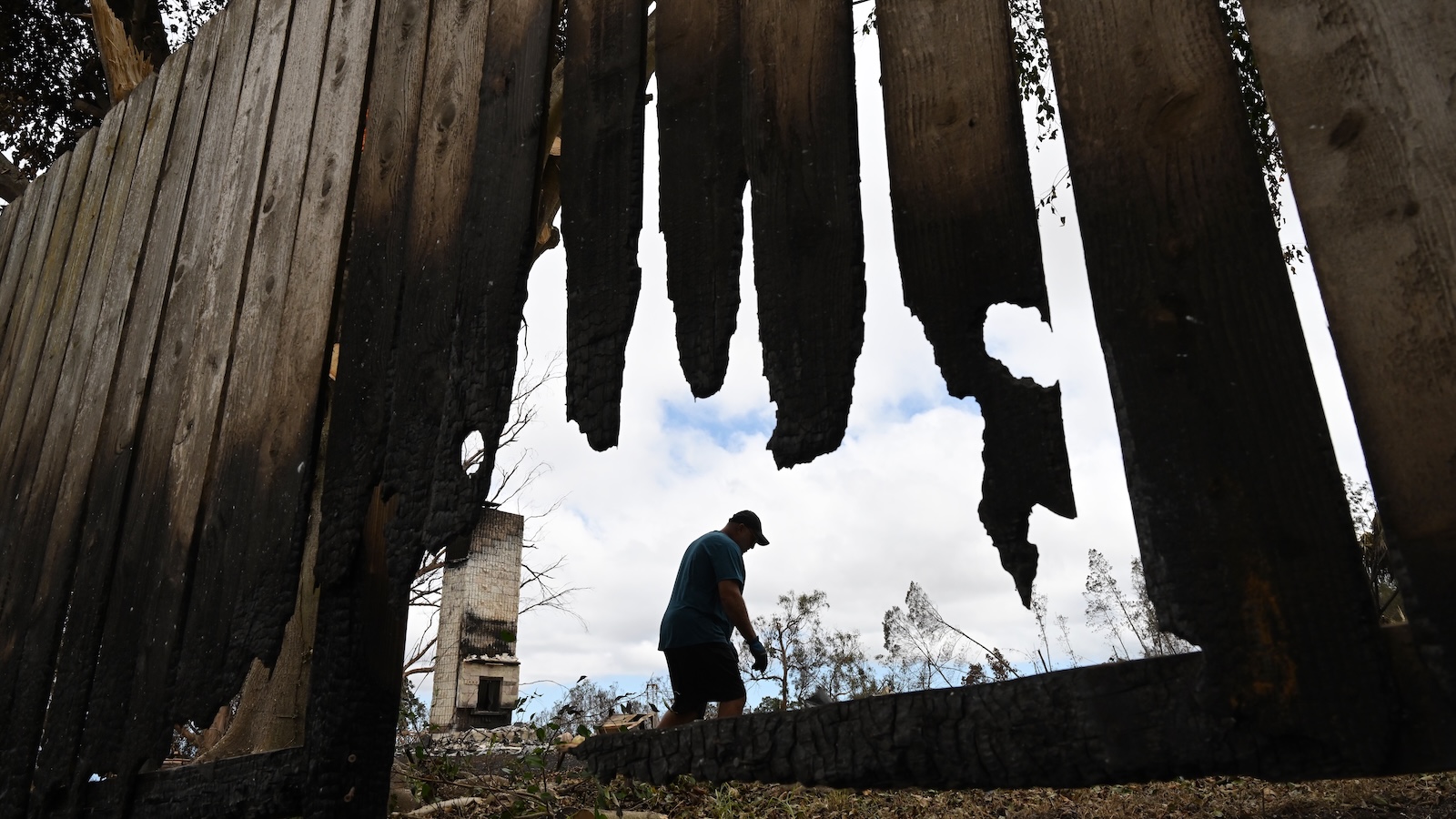
Currently, researchers do not yet know the exact breakdown of how much of the toxic contamination originated directly from the fires themselves versus how much was already present in the surrounding environment due to historical factors. That distinction is critical as wildfires increasingly race through populated areas—not only historic towns like Lahaina, but also sprawling urban centers like Los Angeles. In these modern fires, the burning of residential homes, automobiles, and complex infrastructure leaves behind a dense cocktail of hazardous contaminants that people are forced to encounter for months or even years afterward.
"We have traditionally thought about wildfire exposure primarily through the lens of smoke," Maunakea said in a press release detailing the findings. "But when an entire community burns, we are dealing with a much more complicated exposure environment." He emphasized that researchers must look at a multifaceted puzzle: understanding what contaminants were already present in the soil and water, what toxic materials the fire may have released into the air and debris, and what specific substances ultimately entered the bodies of the residents.
The research project studied 1,400 adults across Maui between six and 18 months after the fires, measuring 24 different metals in their urine samples. The results were striking. Participants exhibited significantly higher concentrations of several heavy metals when compared to baseline data from a nationwide health survey conducted before the fires took place. The data showed participants had 2.2 times as much arsenic, 2.3 times as much barium, and 3.8 times as much manganese as the national baseline averages. Even more concerning, antimony—a toxic substance commonly used in flame-retardant materials that has previously been linked to lung irritation, stomach pain, and a variety of other adverse health symptoms—was found at levels nearly 40 times higher than the comparative baseline.
Because the research team lacks comparable biomonitoring data from the island prior to the disaster, they cannot yet definitively state the precise percentage of metal exposure that resulted directly from the wildfire disaster itself. Maunakea told Grist that answering that complex question is the crucial next step for the project, which has recently received a substantial $3.6 million grant from the National Institute of Environmental Health Sciences. That ongoing work will include deep investigative efforts into whether, and to what specific degree, past agricultural and industrial activities on the island contributed to the accumulation of environmental contamination.
"It’s important to realize that these are all part of settler colonialism," Ahia said, framing the current health crisis within a broader historical context. "So what we’re looking at is confounding factors that are to the detriment of the health of our local people."
Decades of intensive plantation agriculture on the islands fundamentally altered natural water systems, introduced heavy loads of herbicides and pesticides, and displaced native plant species, leaving an ecological and chemical legacy that is still felt deeply today. Disasters such as extreme wildfires and severe storms can profoundly compound these ongoing environmental problems, creating a cumulative burden for the local population.
"If we begin the story when the fire starts, we miss the decisions that shaped the landscape and the community’s ability to respond," said Katie Kamelamela, who is Kanaka Maoli and an assistant professor at Arizona State University based in Hawaiʻi. "Micro climate change acts on places already shaped by histories of land ownership, water diversion, development, and unequal access to resources."
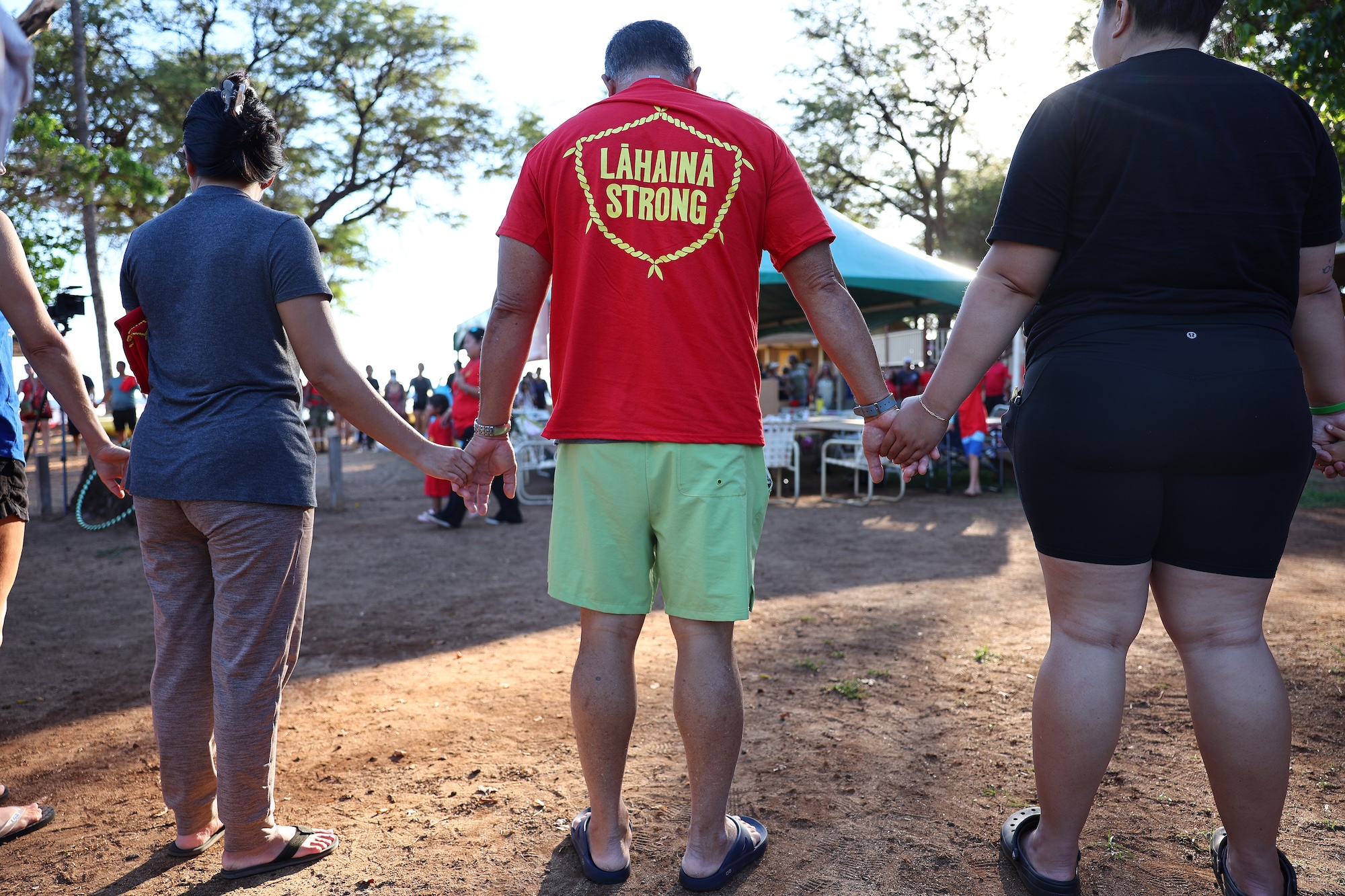
Kamelamela argued that true recovery must be measured by criteria that look far beyond simply rebuilding structures after a fire. "I want recovery to be measured by whether people can remain in their communities, care for ʻāina, and pass on their knowledge and practices in place," she said, using the Hawaiian word for land, which carries a much deeper cultural meaning and relationship than the Western notions of property or a mere geographic place. "Rebuilding should not recreate the same conditions that left people at risk. Caring for ʻāina and caring for people need to be funded and planned together."
Maunakea noted that this multitude of intersecting pressures is precisely why he and his colleagues wanted to pursue this line of research. As global climate change continues to accelerate, longstanding systemic issues facing Native Hawaiians—such as severe housing shortages, the economic and social harms of overtourism, and the lingering ecological damage of historical plantations—can drastically amplify modern crises.
"We worry that disasters like this that we experience on Maui, as well as the floods and other storms that we’re experiencing now, is just going to continue widening the gaps in health disparities that already exist in those populations," he said.
Moving forward, the research project is designed not only to identify hidden health risks, but also to actively help residents understand and respond to them. Study participants receive their personal results, have opportunities to discuss the findings, and can meet directly with healthcare professionals to address concerns.
"People now know that there’s these types of potential hazards, and what to do about them is a big concern," Maunakea said. "We still don’t have all the answers for sure, but we are taking the next steps to get a better picture and inform our community around it."