

After nearly two decades away, a veteran travel writer has returned to the Thai island of Ko Lipe only to issue a stark warning to fellow globetrotters: skip the destination entirely.
In 2006, Ko Lipe was a quintessential off-the-beaten-path paradise. Back then, spending nearly a month on the island meant navigating limited infrastructure where electricity ran for only a few hours a day, basic beachfront bungalows cost roughly two US dollars, and catching the literal last boat of the season was a genuine logistical hurdle. The daily rhythm was defined by simplicity—hanging out on the sand, reading books, snorkeling, drinking beers at the island’s single beach bar, and rotating meals among a handful of local restaurants before turning in early. It was an idyllic sanctuary where days effortlessly stretched into weeks, and for many, it became the crown jewel of their global travels.
However, after avoiding a return for 19 years out of fear of shattering those fond memories—and dreading the inevitable reality of heavy development—a recent transit through Southeast Asia brought the writer back to the island’s shores. En route down the Indian Ocean side of Thailand toward Malaysia, and searching for a lively spot to spend New Year’s Eve with convenient boat connections to Langkawi, the decision was made to revisit the former haven.
The reality of the return was disheartening. Ko Lipe has fully embraced the Ko Phi Phi model of mass tourism, resulting in a destination that is now unsustainably overdeveloped.
The landscape has transformed dramatically. Most of the island is now paved over, with old dirt footpaths converted into concrete roads meant to accommodate cars and construction trucks. Lush swaths of palm trees have been cleared to make way for high-end resorts complete with swimming pools—a troubling addition on an island lacking any natural water supply. Meanwhile, construction projects continue at a relentless pace.
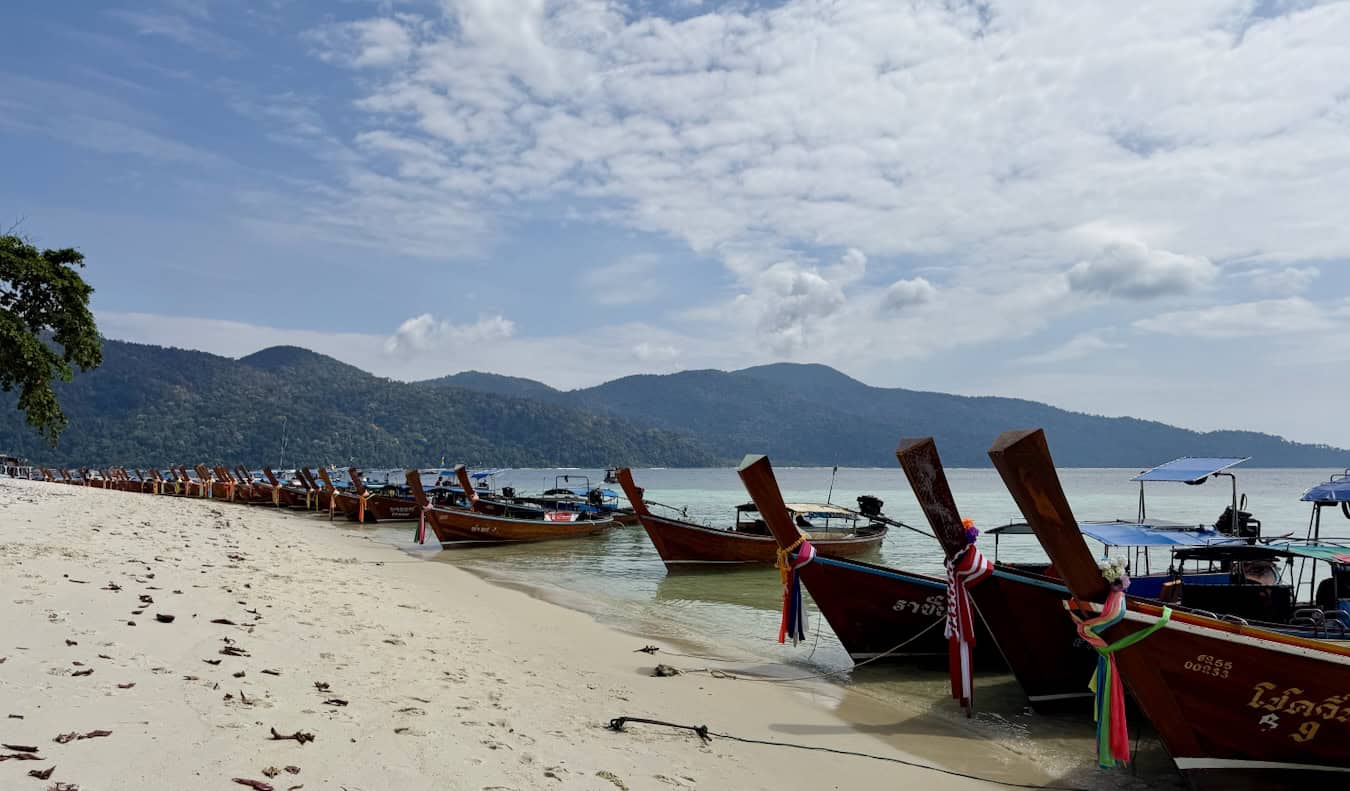
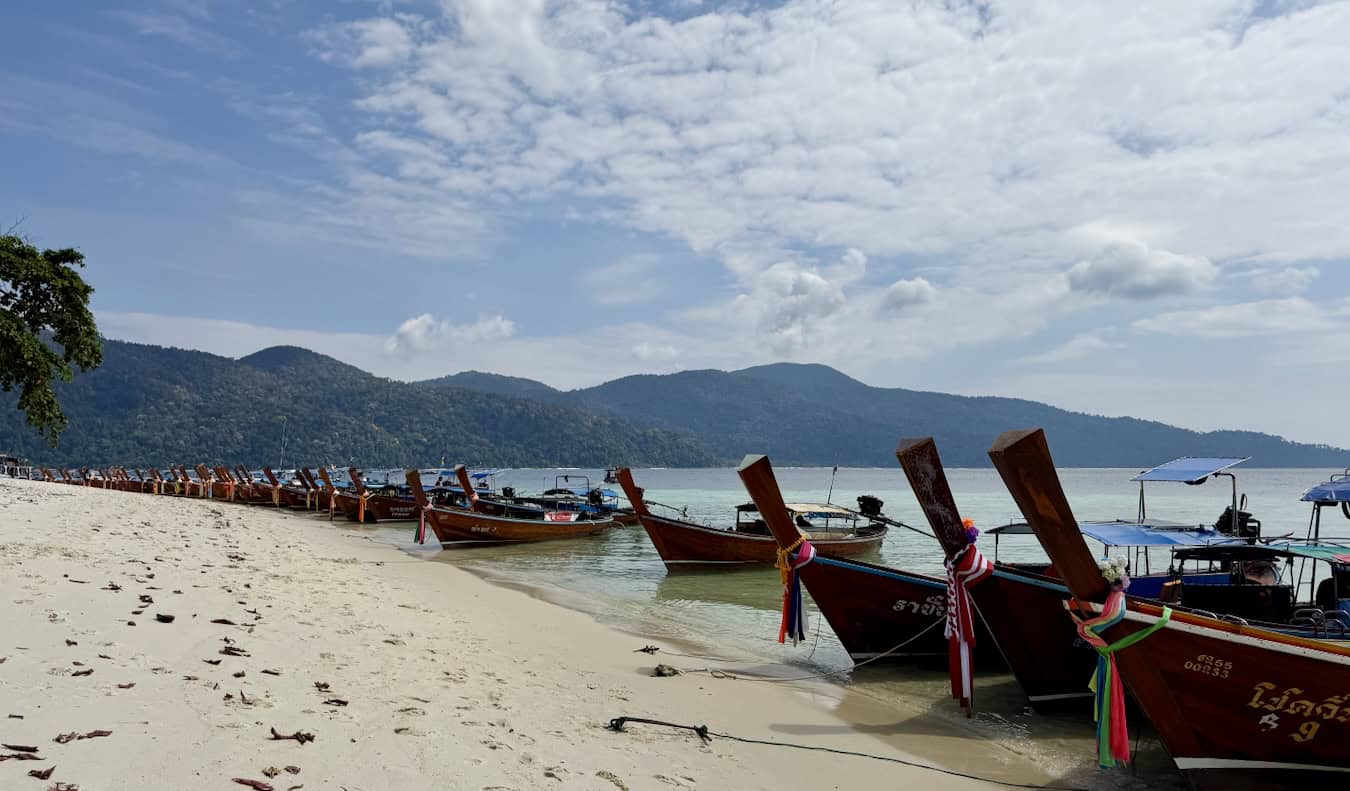
Environmental degradation is visible across the ecosystem. The surrounding coral reefs are dying off, battered by heavy boat traffic, dropping anchors, pollution, and overfishing. The beaches are perpetually lined with longtail boats, their engines spilling exhaust into the ocean and leaving a shimmering film of oil that swimmers must navigate. Furthermore, the island’s culinary landscape has shifted away from authentic Thai cuisine to cater heavily to tourists demanding Western food options.
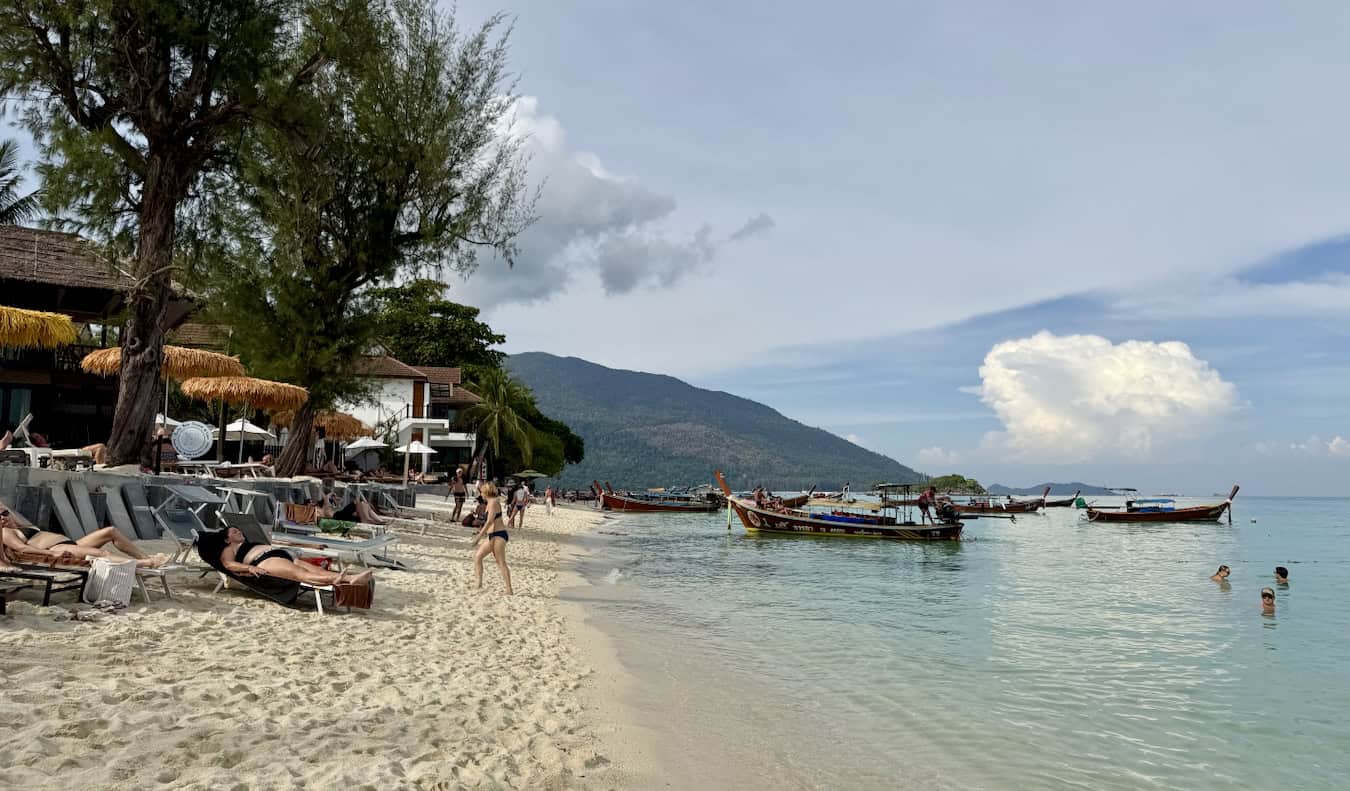
The tourism boom has also taken a heavy socioeconomic toll on the local population. Many residents have been displaced, forced to sell their land to mainland developers. Consequently, a significant portion of the island’s workforce now hails from the mainland, reaping very few benefits from the lucrative tourism economy. Ko Lipe now stands as yet another casualty of Thailand’s persistent issue with overdevelopment and the exploitation of fragile, limited natural resources.
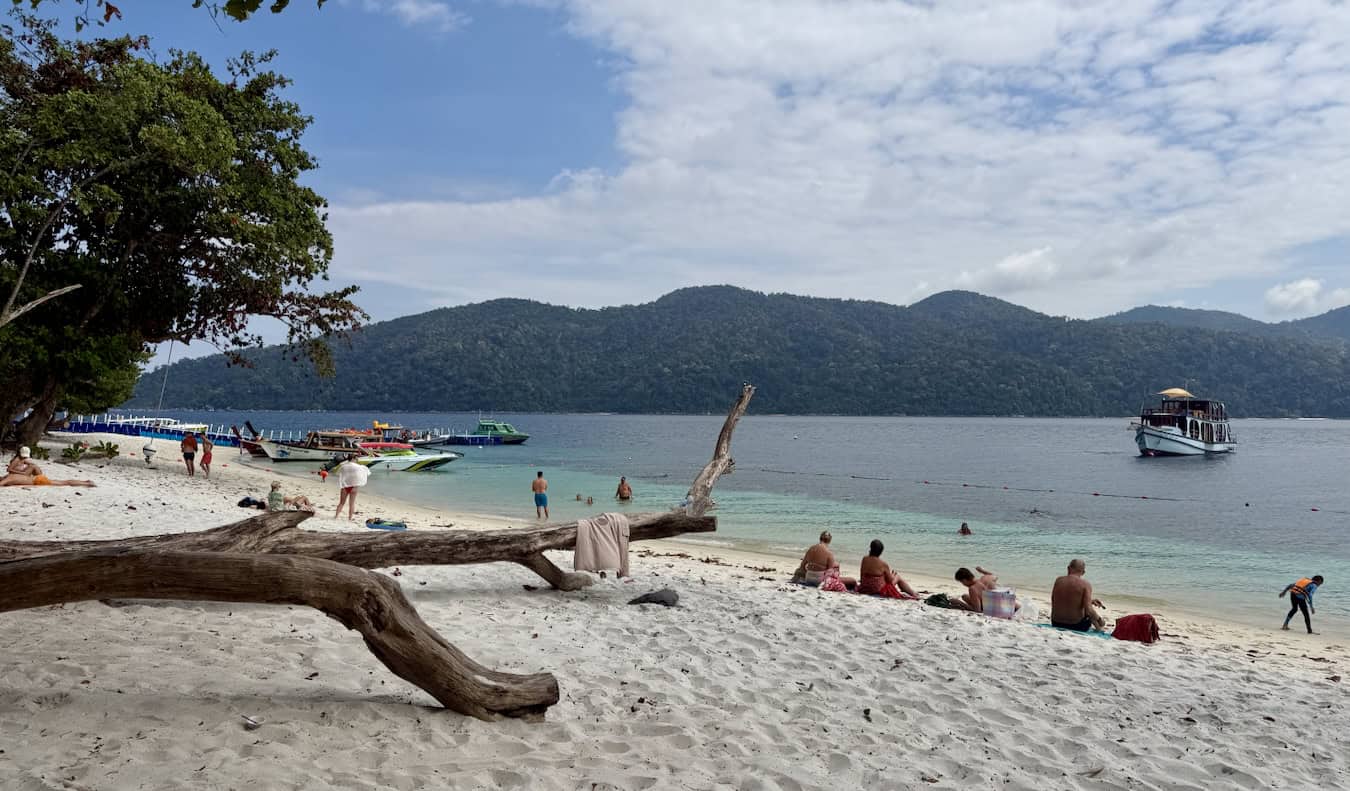
Despite these severe concerns, the island still exerts a strong pull on first-time visitors. The surrounding area retains its postcard-perfect aesthetics, featuring brilliant azure waters and pristine white sand. Because the island sits nestled within a national park, numerous boat tours regularly ferry visitors out to secluded neighboring islands. For travelers stepping onto its shores for the very first time—especially those familiar with even more intensely developed hubs like Ko Phi Phi, Krabi, or Phuket—the initial impression remains striking enough to prompt a reaction of awe.
Yet, reflecting on the profound transformation, the conclusion remains firm: travelers should actively choose not to visit Ko Lipe.
While growth in itself is not inherently negative, the mismanaged, rapid expansion seen on Ko Lipe places an unsustainable burden on the island’s finite resources. Reversing the damage is impossible, and local residents cannot reasonably be expected to remain economically disadvantaged simply to preserve an outsider’s idealized vision of paradise. Nevertheless, the current trajectory is unsustainable.
For travelers seeking alternative destinations, several nearby islands offer better management and preservation, including Ko Lanta, Ko Jum, and Ko Mook. Opting to skip Ko Lipe is framed as a necessary step to avoid exacerbating an already critical situation.
Making conscious travel choices matters. Historically, shifts in consumer awareness successfully phased out elephant riding in Thailand, fueled the rise of eco-lodges, and brought global attention to the broader crisis of overtourism. While individual abstention may not single-handedly reverse Ko Lipe’s developmental fate, refusing to visit ensures that conscientious travelers stop actively contributing to the problem.