

After an absence of nearly two decades, veteran traveler and author Matthew Kepnes returned to Ko Lipe, a remote island in southern Thailand where he had once spent nearly a month living the idyllic backpacker life. Back in 2006, the destination was remarkably off the beaten path, accessible only by a difficult journey where travelers wondered if they had caught the last boat of the season. Electricity was restricted to just a few hours a day, basic beachfront bungalows cost around two dollars a night, and daily life revolved around simplicity: reading on the sand, snorkeling in clear waters, enjoying a beer at the island’s sole beach bar, and rotating meals among a handful of local restaurants.
For years, Kepnes had deliberately avoided returning to Ko Lipe, guarding the pristine memories of a place that had shaped his early travel philosophy. He feared that revisiting the island would mean chasing ghosts of the past, attempting to recreate a magical era defined by people and circumstances that could no longer be replicated. Furthermore, he dreaded witnessing the inevitable reality of rapid development that plagues so much of Thailand’s tourism sector, where unsustainable construction practices frequently overshadow ecological preservation.
However, while planning a recent itinerary through Southeast Asia that involved traveling down the Indian Ocean coast of Thailand toward Malaysia, circumstances aligned for a stopover. Needing a vibrant location to celebrate New Year’s Eve and a convenient transit point to catch a boat to Langkawi, Kepnes decided to confront his apprehensions and return to the island.
The reality of his homecoming proved disheartening. Ko Lipe has firmly adopted the overdevelopment model seen in destinations like Ko Phi Phi, transforming into an unsustainably modernized hub. Much of the island’s interior has been paved over, converting old dirt footpaths into concrete roads designed to accommodate a growing fleet of cars and construction trucks. Expansive groves of palm trees have been cleared to make way for high-end resorts complete with swimming pools—a troubling addition for an island entirely devoid of a natural freshwater supply, placing immense strain on local ecosystems.
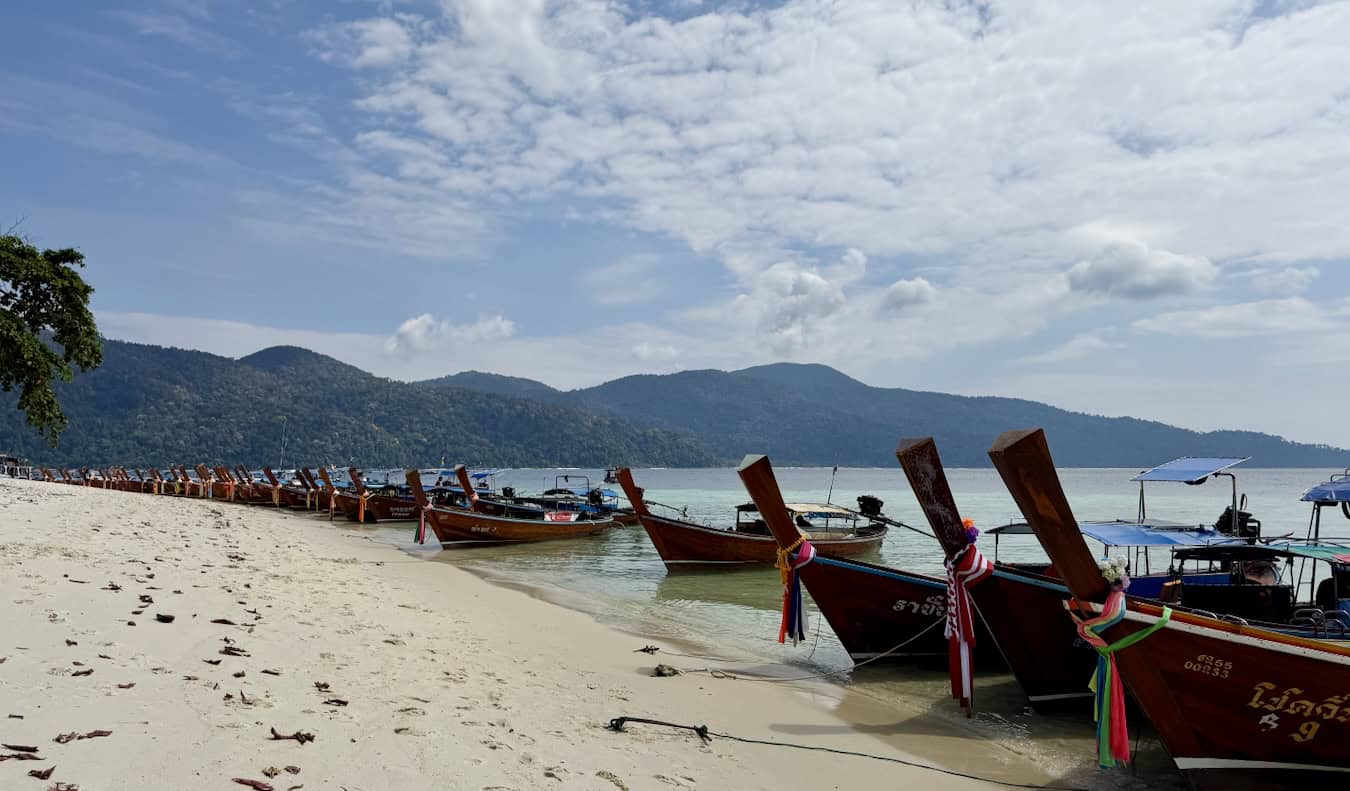
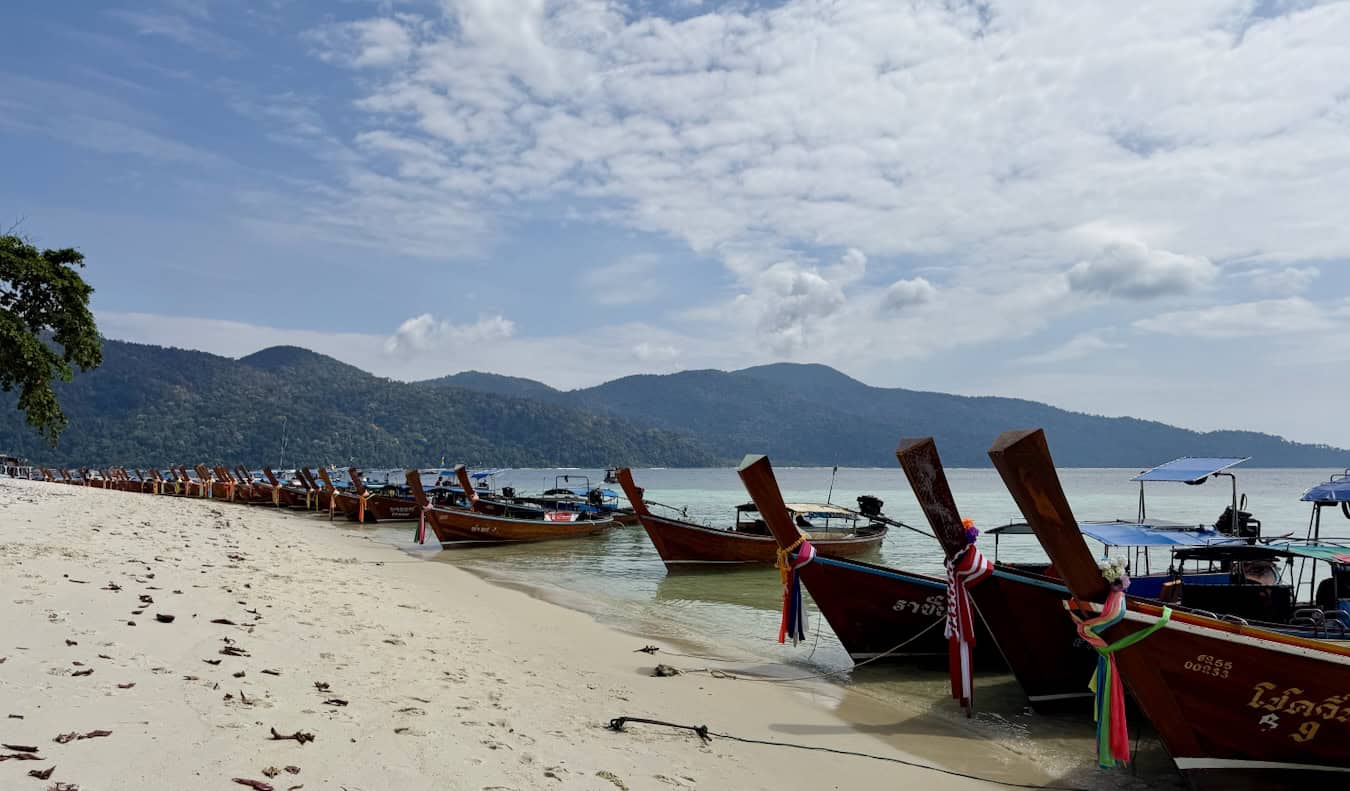
Environmental degradation is clearly visible across the island. The surrounding coral reefs are deteriorating rapidly under the combined pressures of heavy boat traffic, constant anchoring, marine pollution, and overfishing. The shoreline is crowded with longtail boats, their engines spilling exhaust into the azure waters and leaving a noticeable shimmering film across the swimming areas. Meanwhile, the island’s culinary landscape has largely shifted away from authentic Thai cuisine to cater to tourists seeking Western comfort food.
The rapid economic boom has also displaced many longtime local residents, who were pressured into selling their land to developers based on the mainland. Consequently, much of the island’s current workforce consists of outsiders who see very little financial benefit from the lucrative tourism influx.
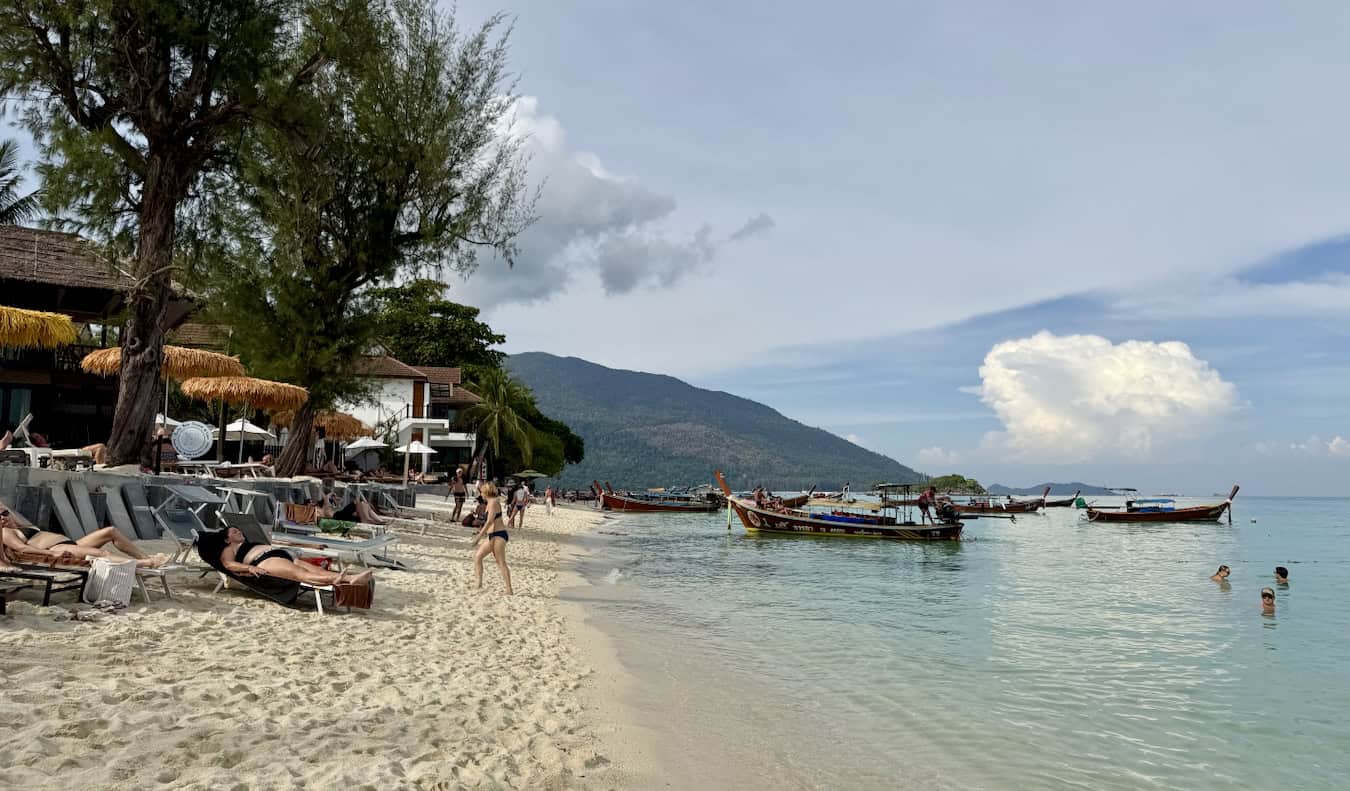
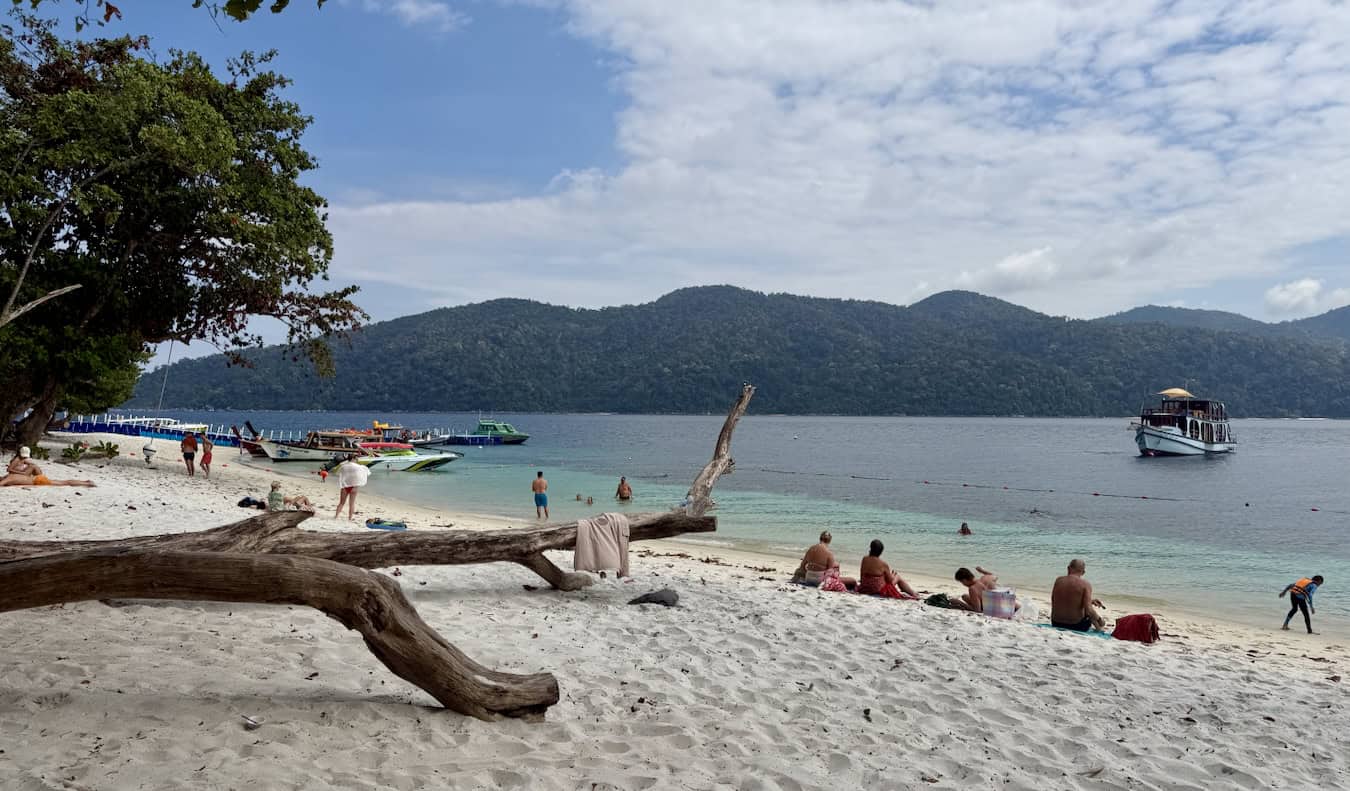
Despite these profound changes, the island continues to draw enthusiastic visitors. For first-time travelers arriving on its shores, the immediate visual impression remains striking. The surrounding region is postcard-perfect, featuring vibrant azure waters and fine white sand. Positioned near a national park, the island serves as a convenient launchpad for boat tours to nearby secluded coves and untouched islets. Compared to intensely commercialized hubs like Phuket, Krabi, or Ko Phi Phi, Ko Lipe can still feel remarkably scenic to newcomers experiencing it for the first time.
Yet, reflecting on the broader trajectory of the destination, Kepnes argues that travelers should reconsider visiting places subjected to this level of unchecked exploitation. While economic growth and development are natural aspects of a changing region, the current model on Ko Lipe is unsustainable and places an undue burden on finite local resources. Because the island cannot easily reverse its trajectory and local residents rely on tourism revenue, the responsibility falls heavily on consumer awareness and travel choices.
Pointing to successful shifts in tourism trends—such as the widespread public rejection of elephant riding and the growing demand for eco-friendly lodges—travel advocates emphasize that individual choices collectively dictate industry standards. With numerous nearby islands remaining well-managed and structurally sound, such as Ko Lanta, Ko Jum, and Ko Mook, travelers have viable alternatives that do not contribute to ongoing ecological strain.
Ultimately, stepping away from overburdened destinations represents a necessary exercise in responsible tourism stewardship. While skipping a beloved location is a difficult decision for those with deep personal connections to its past, recognizing when a destination has reached its ecological limit remains essential for preserving the integrity of global travel.