
On a vibrant summer afternoon, the campus of Brock University in St. Catharines, Ontario, came alive with the bustling energy of hundreds of young people arriving by the busload, in minivans, and in private cars. They had traveled from various communities to participate in the second annual Collective, a four-day convention held from August 12 to 15 designed to offer a dynamic blend of worship, recreation, and keynote addresses aimed at fostering deep spiritual growth among the next generation.
The ambitious gathering was born out of a shared vision by the United Church of Canada and the Presbyterian Church in Canada. Both denominations recognized a vital post-pandemic need to build a resilient, connected community among their youth, many of whom experienced prolonged isolation during the public health crisis. In its inaugural year in 2024, the two denominations successfully collaborated but hosted separate, parallel events. This August marked a significant milestone as the first fully unified Collective convention, drawing a record-breaking 505 youth, young adults, and youth leaders to the Niagara region campus.
From the moment participants arrived, the atmosphere was charged with anticipation for a packed itinerary that balanced spiritual reflection with engaging community-building activities. Organizers had curated an extensive schedule that included more than 60 different workshops spread across the four days, catering to a remarkably diverse range of interests and spiritual paths. Seminars and interactive sessions ranged deeply in theme, spanning from traditional theological studies to unexpected pursuits like ukulele lessons.
Among these offerings was a popular seminar titled "Calm in the Chaos," led by Rev. Heather Paton of St. Andrew’s Presbyterian Church in Ottawa. The workshop focused on the practice of spiritual journaling, offering attendees practical methods to ground themselves amidst the stresses of modern life.
Allison Andrew, a youth leader from Ontario who participated in Paton’s workshop, found that the session provided a valuable bridge connecting her everyday habits with her spiritual journey. She noted that she typically relied on unvarnished scribbles of her thoughts or even comic journaling, doodling her ideas to process the world around her. Learning how to intentionally blend her daily reflections with her spiritual growth helped her recognize divine teachings and moments of grace in her everyday life, she explained.
While the workshops provided intimate spaces for learning and personal reflection, the convention’s large-group gatherings drew immense excitement, particularly the marquee keynote addresses. Among the most highly anticipated events of the week were the shared appearances by former Canadian Football League defensive back JR LaRose and his 20-year-old son, actor Alozie LaRose.
The father-son duo addressed the convention attendees together and later co-hosted an energetic football workshop on the Friday of the event. The elder LaRose, who is a celebrated motivational speaker, a 2011 Grey Cup champion, and a proud member of the One Arrow First Nation, delivered a powerful talk centered on his personal history. He spoke candidly about the severe challenges he faced growing up amidst abuse and his arduous journey to overcoming addiction. Throughout his address, he emphasized the transformative power of faith in breaking intergenerational cycles of trauma and finding redemption.
The following day, Alozie LaRose took the stage to deliver his own deeply personal speech, exploring the unique complexities and pressures of growing up in the shadow of a successful father. Alozie spoke openly about the immense pressure he placed upon himself to follow in his father’s footsteps as a professional athlete, and the subsequent depression he experienced when he came to terms with the reality that he had no viable prospects for a career in professional football. Navigating that profound disappointment required him to pivot, and he has since found his own path to success and fulfillment as an actor working in television and film productions.
Despite not being a professional speaker, the younger LaRose admitted that in the hours leading up to his address, he experienced many of the same anxieties about living up to his father’s example that he had grappled with as a child. Reflecting on the daunting nature of the speaking slot, he remarked that it was not a matter of lacking self-belief, but rather the overwhelming feeling that he could not possibly match the impact of what his dad had achieved just a day prior.
JR LaRose expressed immense pride and gratitude for the platform provided by the convention. He noted his appreciation that the organizers were willing to give his son an opportunity to share his story, even though they did not previously know him or the intricacies of his personal journey.
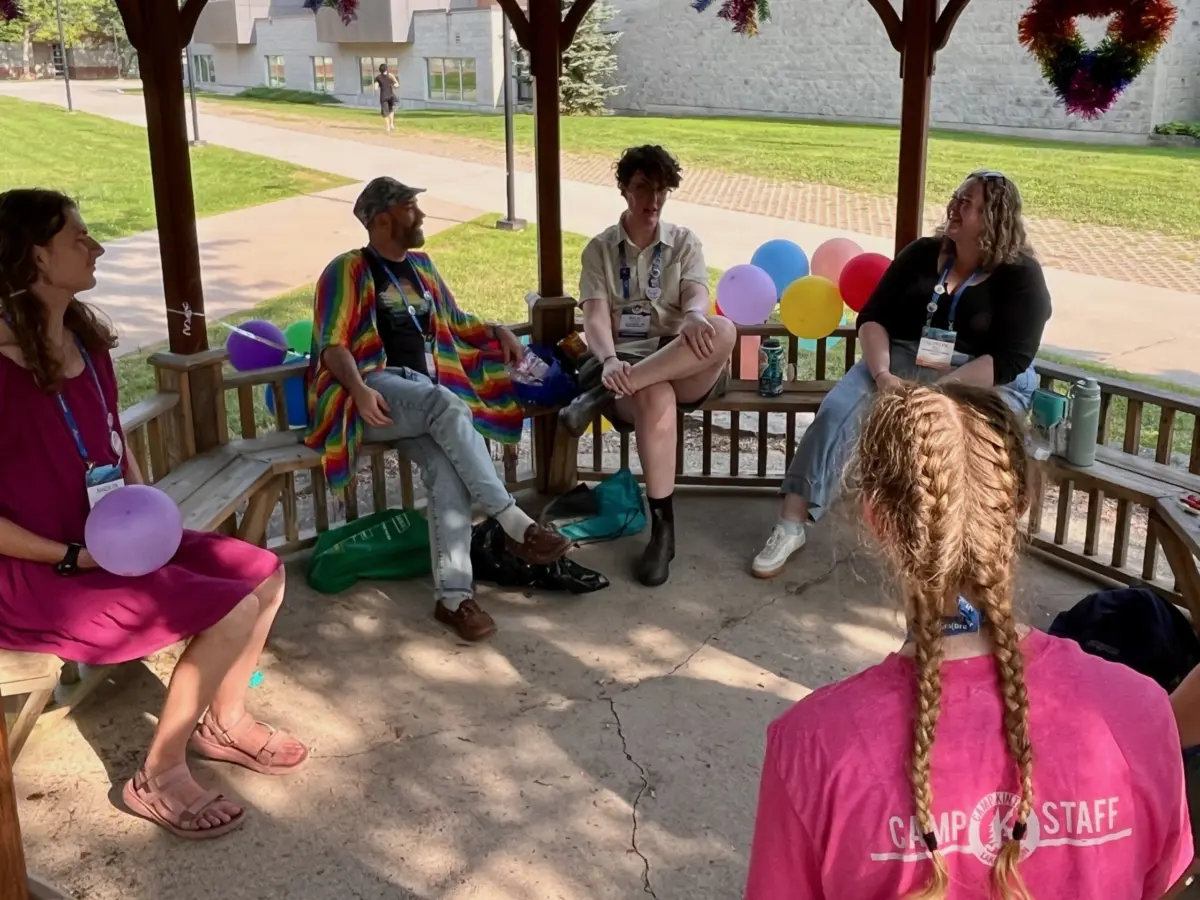
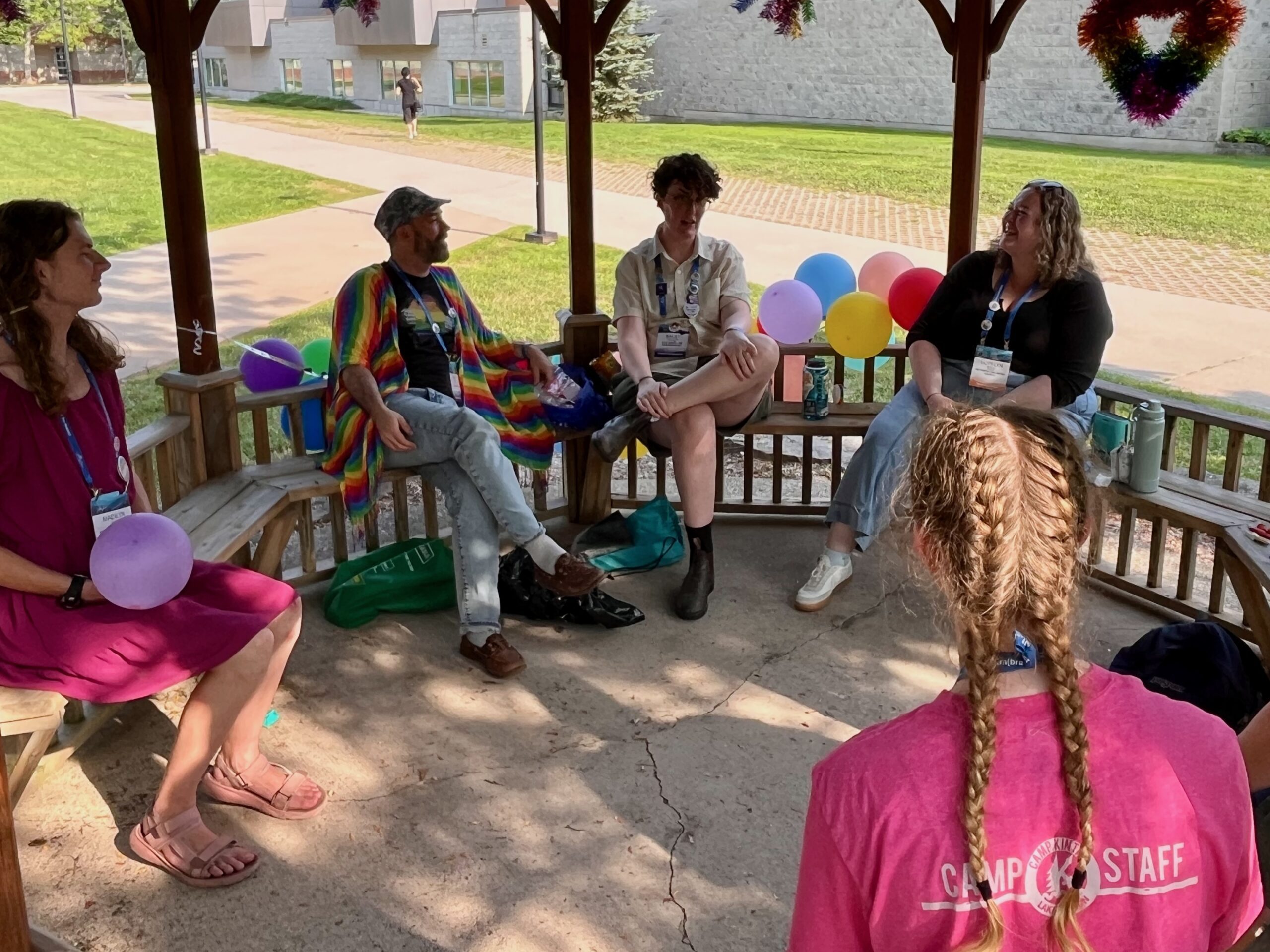
Beyond the main auditorium and the workshop rooms, the convention deliberately prioritized creating safe and inclusive spaces for youth to connect on a deeply personal level. During their free time, attendees frequently gathered in specially curated hangout spaces designed to foster community among specific demographics. Young people bonded over shared identities as neurodivergent, francophone, or 2SLGBTQ+ individuals, finding affirmation and peer support in environments tailored to their experiences.
A notable example of this intentional community-building took place at a space affectionately dubbed the Gay-zebo. In this welcoming area, participants took turns popping colourful balloons that contained specific prompts tucked inside. They then shared their candid responses to thoughtful questions designed to spark meaningful conversation, such as asking who brings them joy in their lives or what they were most looking forward to in the future.
These moments of connection, learning, and vulnerability culminated in the final worship service of the convention. During the service, Collective videographers presented a professionally produced short film that showcased the authentic friendships formed over the four days spent together on campus. The visual presentation served as a powerful testament to the vibrant community that can be successfully built when people from diverse backgrounds, regions, and denominations choose to come together in faith, armed with an eagerness to listen, to share, and to learn from one another.