

This was not a real-time account of flight from persecution, but rather the fictionalized journey experienced by participants in "Explore the Refugee Highway," an interactive, choose-your-own-adventure-style game set up at Kildonan Park on a late August afternoon. Designed to give Winnipeggers a visceral taste of the terror, high-stakes risks, administrative hurdles, and occasional breakthroughs faced by refugees worldwide, the exercise transformed abstract global statistics into a deeply personal, empathetic simulation.
For the participants who navigated the course, the exercise offered a sobering glimpse into an exclusive and precarious reality. Historically, only a tiny fraction of displaced individuals ever achieve safety in a third country.
"Historically, only one per cent of all refugees ever make it to a safe third country like Canada," explained Tim Nielson, a local pastor who helped organize the public event.
The initiative was spearheaded by City Church, a vibrant congregation on Maryland Avenue housed in a distinctive red brick, Gothic-style building. The church community is uniquely positioned to understand these realities, as its membership is largely composed of former refugees. Services at City Church are held in multiple languages, including English, Chin, Karen, Punjabi, and Farsi, reflecting the diverse backgrounds of the congregants who have found a spiritual home there.
City Church was established in 2008 by two founding couples: Tim and Sue Nielson, alongside Indiana Cungcin and Lal Cerlian Cungcin. Indiana Cungcin’s own story mirrors the global struggles the church seeks to alleviate. He arrived in Winnipeg from Myanmar in 1997, forced to flee his homeland because of his active role in a student movement advocating for democracy that was ultimately crushed by the military government. Cungcin recalled that he was deeply moved to help start City Church after three busloads of refugees from Myanmar arrived in Winnipeg in dire need of a safe place to worship and build community.
The interactive game itself was meticulously crafted by Candace Loewen, who works for Naomi House, a dedicated ministry of City Church that assists refugees as they work to rebuild their lives in Winnipeg. To design "Explore the Refugee Highway" and write its intricate script, Loewen drew directly from the deeply personal stories she has listened to from hundreds of refugees over the years.
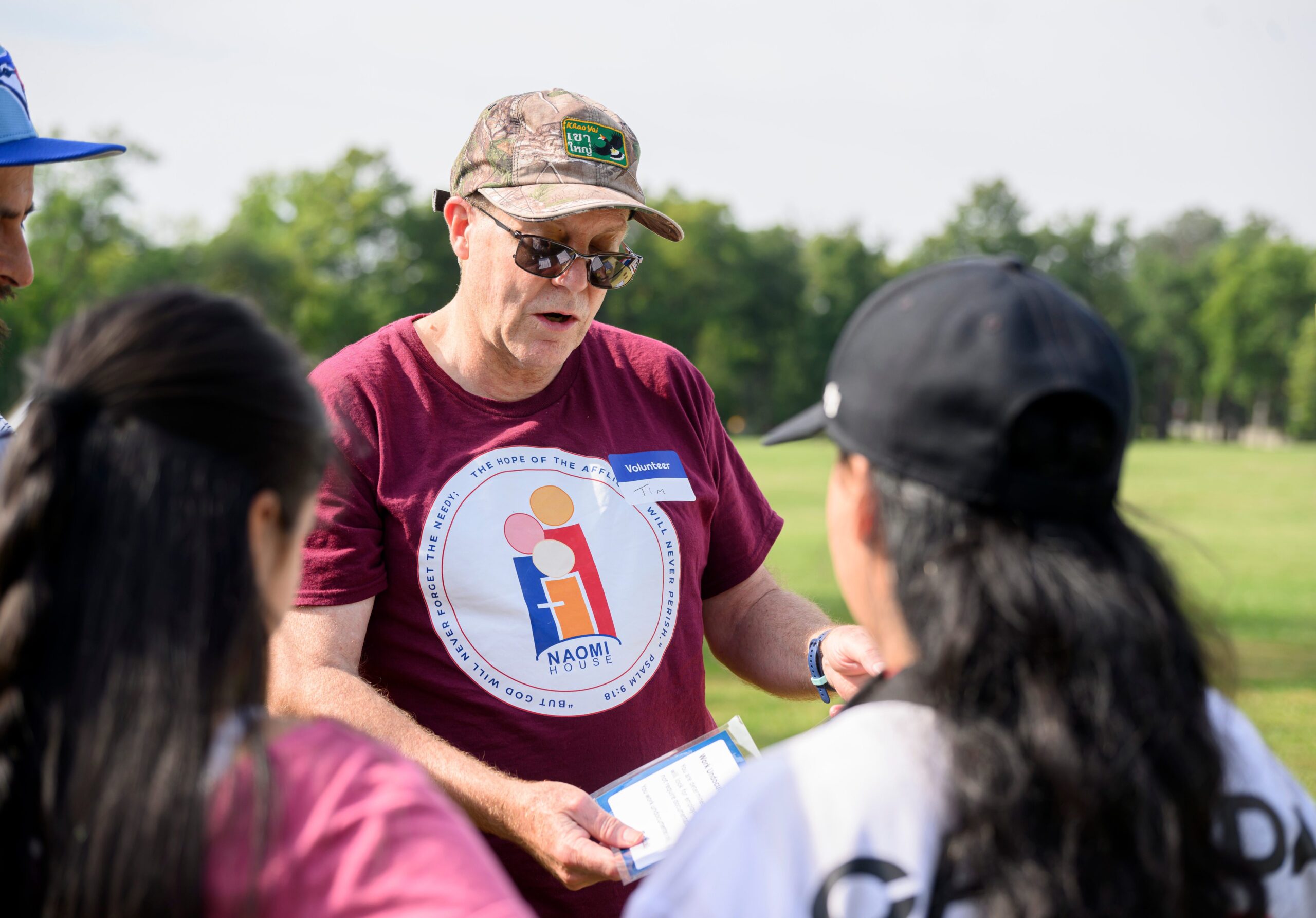
Throughout the simulation, players progressed from station to station, forced to grapple with the kinds of agonizing, impossible choices that refugees must navigate on a daily basis. Participants had to decide whether to leave their families behind for safety or put them at immediate risk by staying, and whether to attempt a clandestine, dangerous border crossing or place their fragile lives in the hands of the very officials guarding the perimeter.
"We wanted people to walk away a little more educated, feeling a little more compassionate," Loewen said of the public engagement effort. "So the next time they see a news article that says refugee claimants have increased, or border security needs to be tightened, they remember that those are all people who have been through circumstances we can only imagine."
While the game incorporated elements of play—such as spinning a wheel, selecting a rubber ducky from a bin, or shaking a colourful chip from a jar to determine fate—the lighthearted mechanics stood in stark contrast to the grim reality. In actual circumstances, refugees frequently feel entirely helpless, trapped at the mercy of tightening international borders and lottery-like admissions policies that dictate whether they live in safety or remain in peril.
"The world is quite negative toward refugees right now, but if it was your family and you were forced to flee and you were responsible for trying to get your kids a future, what would you do?" Loewen asked, highlighting the universal human drive for safety and protection.
The public simulation took place against a backdrop of shifting national policies and increasingly polarized public discourse surrounding immigration and refugee resettlement in Canada. City Church operates as an official sponsorship agreement holder, a designation that permits the faith community to directly assist in settling refugees within the country. Under this program, the Canadian government allocates a specific number of annual spots for sponsorship agreement holders. However, the scale of this humanitarian work has seen a sharp decline. In 2024, City Church welcomed 119 refugees into the community. This year, that number plummeted to just 37.
This local reduction reflects a broader national trend under Prime Minister Mark Carney’s government, which has drastically reduced the number of refugees accepted by Canada. These cuts come at a time when global displacement driven by conflict and persecution has reached historic highs, leaving more people fleeing their homes than in previous generations.
Simultaneously, public opinion across Canada has experienced a noticeable shift regarding immigration and newcomers. Polling data indicates that in 2022, roughly 27 per cent of Canadians believed there was too much immigration. By 2024, that sentiment had surged to 58 per cent. Political figures, including Conservative Leader Pierre Poilievre, have frequently pointed to newcomers as a primary contributing factor to Canada’s ongoing housing shortage and broader economic challenges, despite economists noting that these complex crises stem from domestic structural issues rather than immigration levels.

Countering the political rhetoric, economic analyses suggest that restricting newcomers could severely damage the nation’s economic stability. A comprehensive report published earlier this year by the Royal Bank of Canada and the Eurasia Group warned that rising anti-immigration sentiment runs directly counter to Canada’s demographic and economic needs. According to the study, a severe clampdown on immigration risks harming businesses, reducing productivity, and ultimately lowering the overall standard of living for all Canadians.
Furthermore, official demographic data underscores the urgency of population replenishment. Last year, Canada’s population shrank for the first time in modern history as the baby boomer generation reaches retirement age and birth rates continue to decline. Without a steady influx of newcomers to fill essential labor market gaps, the study warned that the Canadian economy will suffer long-term consequences.
For their part, refugees who successfully navigate the complex immigration system demonstrate remarkable integration and success rates. Loewen noted that the vast majority of sponsored refugees are settled, gainfully employed, and contributing through taxes within their first year in the country.
Nielson echoed these sentiments, emphasizing the intangible cultural and social contributions that newcomers bring to Canadian society. "We’re a richer country for having more perspectives," Nielson said, pointing to the strong work ethic and extraordinary creativity that refugees consistently display after finding safety.
While the economic and social arguments for welcoming newcomers are robust, Loewen emphasized that they are not the primary motivation driving the ministry’s advocacy. Strategically placed signs on the grass surrounding the Kildonan Park event reminded participants of a foundational historical and religious parallel: Jesus Christ and his family were themselves refugees who fled across international borders into Egypt to escape state-sponsored violence.
"We think that welcoming refugees reflects the heart of Christ," Loewen said. "It would be very hard for someone to open their Bible and get an anti-immigrant view, because everywhere it’s saying welcome the stranger, treat them like your own."