
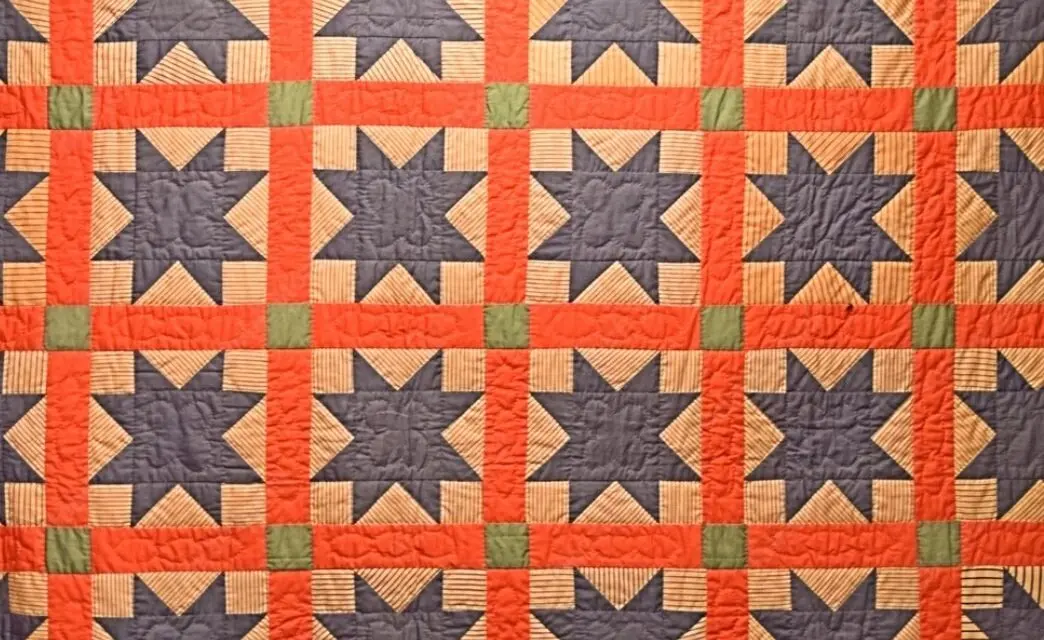
As Carol DeGeer sat in her home in Scarborough, Ontario, watching the harrowing news coverage of the disastrous wildfires sweeping across northern Ontario earlier this summer, she felt an immediate and profound compulsion to take action. By mid-July, more than 100 intense wildfires had torn through the northwestern region of the province, creating a crisis of unprecedented proportions. The fires forced thousands of residents from their homes, including the entire First Nations communities of Armstrong, Whitesand, and Collins, who had to be evacuated on short notice to escape the advancing flames and choking smoke.
The logistical challenge of housing thousands of displaced individuals was immense. Many of the evacuees were initially flown or driven to Thunder Bay, where emergency response teams scrambled to find shelter. However, as local accommodations quickly reached maximum capacity, some evacuees had to be moved even further south to Toronto, far from their traditional homelands and the familiar landscapes of northern Ontario.
For DeGeer, an experienced quilter who had previously lent her time and craft to make quilts for evacuees displaced by devastating wildfires in British Columbia several years ago, the path forward was clear. She asked herself a simple question: Why not do it again? Drawing on her past experience and deep-seated community spirit, she brought the idea forward to her church’s outreach committee. The committee readily agreed to support the initiative, offering crucial financial backing to help cover the material and operational costs associated with creating and gathering the handmade items.
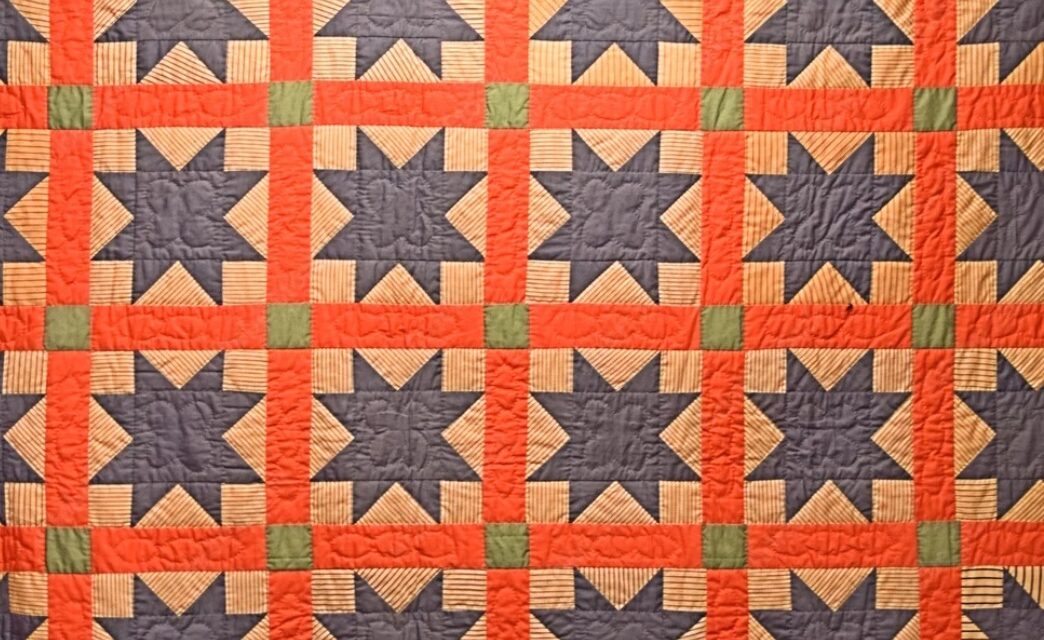
The response from the community was immediate, and quilts have already begun to arrive at Heritage United Church in Markham, Ontario. As contributions steadily flow in, a broader call has been issued for more donations to meet the anticipated need. The overarching plan is to transport and deliver the collected quilts directly to Thunder Bay by mid-October, providing essential warmth and tangible comfort as the region transitions into the colder autumn and winter days ahead.
Finding a reliable local partner to receive and distribute the quilts took some persistent digital groundwork. DeGeer spent considerable time searching online for organizations actively managing relief efforts on the ground in northwestern Ontario. Her search eventually led her to KKETS, known formally as Kiikenomaga Kikenjigewen Employment & Training Services, an Indigenous-led organization that was operating a major warehouse for emergency supplies designated for evacuees in the city.
DeGeer reached out to KKETS to inquire whether they would be willing and able to accept a large shipment of handmade quilts. To her delight, she received a positive response within a matter of hours. The organization confirmed that they would happily take the quilts, noting that they would be specifically earmarked for individuals and families who had suffered the most significant losses in the fires.
"That was really exciting for me," DeGeer says, reflecting on the quick and encouraging confirmation from the frontline relief organization.
Despite the successful partnership with KKETS, the logistical puzzle of how to physically transport the quilts north by October remains an open question that DeGeer and her church committee are actively working to resolve. For the time being, DeGeer notes that the church’s outreach fund has committed to covering the shipping expenses if no other complimentary transport or shipping option arises before the deadline. Once the shipments arrive in the north, KKETS will assume full responsibility for managing the distribution of the quilts to those who need them most.
To significantly boost her quilt collection before the autumn deadline, DeGeer has distributed informative flyers to local churches, independent quilt shops, and regional quilting guilds across the Greater Toronto Area. Her proactive outreach has already yielded positive results, with commitments pouring in from several dedicated crafting groups and community organizations. Among the recent contributions was a single, highly generous donation from an individual donor who handed over 20 finished quilts outright.
Community members interested in supporting the initiative can drop off their contributions directly at Heritage United Church. DeGeer is specifically asking for quilts and blankets of any dimensions—ranging from small lap quilts to larger bed-sized blankets—accepting both new and gently used items. However, she emphasizes certain standards for the donations, noting that they must be clean, structurally sound, and free of holes or heavy wear.
"Why should folks in these circumstances have to use things that aren’t nice?" she asks, emphasizing the dignity of those who have lost their homes and personal belongings to the natural disaster.
"It’s not their fault, so let’s help send some happiness into their lives."