
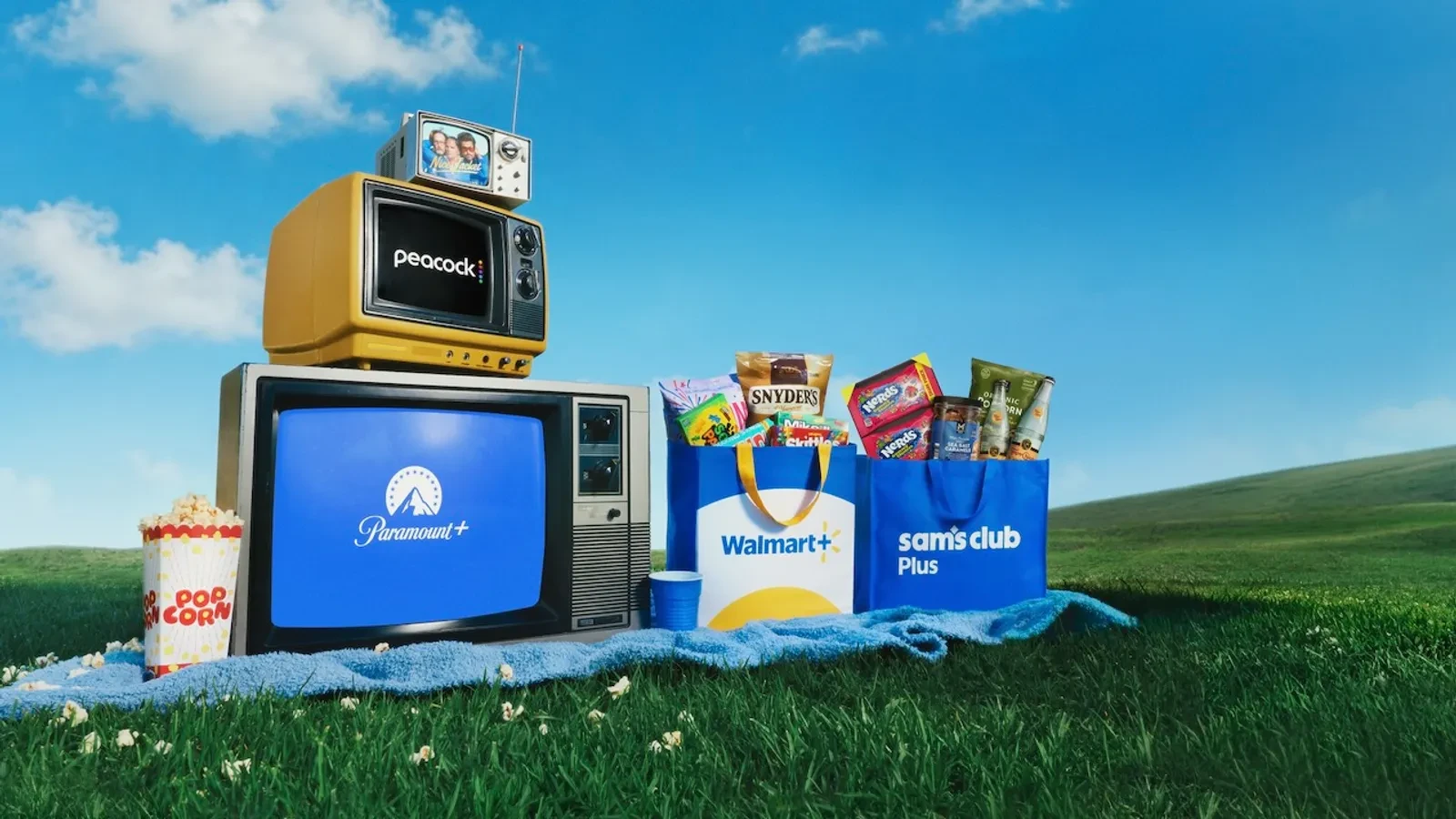
Retail giant Walmart has introduced a powerful new weapon in the ongoing battle for consumer loyalty, officially bundling its Walmart+ and Sam’s Club Plus memberships to offer shoppers a combined savings of nearly $100. This strategic move arrives at a critical economic juncture, aiming to directly appeal to budget-conscious and stressed-out consumers who are navigating a challenging financial landscape defined by lingering inflation and economic uncertainty.
The newly minted membership bundle brings together two of the most popular retail ecosystems under the Walmart corporate umbrella. By combining the digital-first convenience and everyday perks of Walmart+ with the bulk-buying power and specialized services of Sam’s Club Plus, the retail titan is creating a comprehensive value proposition that industry experts say is designed to turn heads and reshape consumer spending habits.
The announcement, published in late October 2026, highlights how traditional retail heavyweights are continuously evolving their loyalty programs to capture recurring revenue and lock in customer commitment before major shopping seasons commence. With consumer confidence facing persistent headwinds due to rising prices and job market anxieties, this latest offering serves as both a relief valve for household budgets and a direct, calculated challenge to Amazon Prime.
Industry analysts have been quick to weigh in on the competitive implications of the bundle. Brett Rose, founder and CEO at wholesale distributor United National Consumer Suppliers, noted the aggressive positioning of the new offering in an email discussion regarding the retail landscape.
"This is a direct shot at Prime," Rose stated, breaking down the financial comparison between the rival ecosystems. "$120 vs. Amazon Prime’s $139, and you get a warehouse club, delivery, streaming, and gas thrown in. On paper, Walmart wins the value math easily."
The timing of the bundle is hardly accidental. The initiative launches as consumers across the United States grapple with battered consumer confidence, sitting near 12-year lows as persistent inflation and job anxiety weigh heavily on household balance sheets. In this environment, every dollar saved on essential goods, fuel, and entertainment carries heightened importance.
The competitive chess match between Walmart and Amazon has intensified significantly over recent years. While Amazon has aggressively pushed into Walmart’s traditional suburban and rural territory by expanding faster delivery networks to thousands of rural communities and building out localized fulfillment capacities, Walmart is executing a multi-pronged counteroffensive.
Walmart already maintains a monumental advantage in its sheer physical presence across the United States. The company operates a sprawling network of 4,615 retail stores alongside more than 600 Sam’s Club warehouse locations. This vast brick-and-mortar footprint allows Walmart to offer rapid fulfillment, localized pickup options, and immediate access to goods in a way that online-first competitors have historically struggled to match. By weaving its digital subscription services tightly together with this physical infrastructure, Walmart is compounding its inherent logistical advantages.
Furthermore, the inclusion of a streaming service option within the combined Walmart+ and Sam’s Club Plus membership package directly attacks one of Amazon Prime’s most formidable retention hooks. For years, Prime video streaming has acted as a primary anchor keeping subscribers tethered to Amazon’s ecosystem, even as shipping fees and membership costs have risen. By offering a comparable streaming perk alongside warehouse club access, home delivery, and fuel discounts, Walmart is working to blunt the unique appeal of Amazon’s entertainment offering.

The dual membership model could also prove particularly effective in retaining a demographic that Walmart has increasingly captured over recent quarters: higher-income shoppers. Driven by a relentless focus on value, convenience, and retail innovation, Walmart has successfully drawn in affluent consumers looking to stretch their purchasing power amid economic pressures.
Earlier in the year, Moody’s Ratings designated Walmart as the single biggest retail winner in the United States within an unfavorable macroeconomic environment. Analysts pointed specifically to the company’s ongoing innovation in supporting its value offerings and maintaining best-in-class convenience as the driving forces behind this success. The new combined membership package provides an additional mechanism to lock in these higher-income cohorts, cementing their long-term loyalty through comprehensive, cross-format utility.
Despite the compelling math behind the new bundle, market observers caution that consumer loyalty is deeply ingrained and unlikely to shift overnight. Shopping behaviors vary significantly depending on the specific needs of the household and the psychological habits associated with each retail brand.
According to Rose, consumers tend to utilize Walmart and Amazon through entirely different lenses. Shoppers frequently turn to Walmart for everyday low prices and the ability to acquire goods immediately through physical stores or rapid local delivery, whereas Amazon captures market share through sheer digital convenience, habit, and streamlined online ordering workflows.
"A cheaper bundle doesn’t break that overnight and doesn’t create an imminent threat for Q4 holiday shopping," Rose noted, emphasizing the deeply entrenched nature of consumer habits. "Amazon has mastered lower prices and literally patented one-click buying. It’s a different shopping experience altogether."

Beyond digital convenience and traditional retail goods, the new bundle leverages another critical pressure point for American households: transportation costs. At a time when gasoline prices across much of the United States remain stubbornly elevated well above $4 per gallon—with diesel tracking even higher—fuel discounts serve as a powerful and immediate incentive.
The fuel discount perk embedded within Walmart+ has long been recognized as a strategic challenge directed at warehouse rival Costco. While Amazon has experimented with temporary fuel discount initiatives—such as a specialized program offered to Prime members around the Fourth of July holiday—it lacks a permanent, widespread fuel infrastructure capable of rivaling the sprawling network of gas stations attached to Walmart and Sam’s Club locations.
Ultimately, industry experts view the rollout of the combined membership tier as a masterclass in timing and retail strategy. As consumers face mounting financial stress heading into the peak holiday shopping season, retail organizations are racing to secure recurring revenue streams and establish deep-seated loyalty before discretionary spending decisions are finalized.
While loyalty programs and bundled perks provide powerful mechanisms for keeping customers engaged, market veterans emphasize that the fundamental driver of consumer choice remains unchanged. As economic pressures persist, retail survival and dominance will continue to rest on who can deliver the most compelling combination of convenience, ecosystem value, and, above all else, lower prices.