

This seemingly simple question touches upon deeply personal nightly rituals, sensory preferences, and fashion choices that vary wildly from person to person. For some, the nighttime routine is an act of total liberation from the constraints of the daytime wardrobe. Others, however, view sleepwear not merely as a practical necessity for bed, but as an essential component of domestic comfort, offering a cozy transition from the busy world outside into the sanctuary of the home.
The divide between the advocates of sleeping completely bare and the devoted enthusiasts of classic sleepwear remains stark. On one side are the minimalists who find that shedding all garments provides an unmatched sense of physical freedom. For many adherents of this nightly practice, sleeping naked serves as a psychological and physical boundary, marking a clean break from the obligations and necessities of daily life. As one regular sleep enthusiast noted of her nightly routine, opting out of clothing entirely feels like a full removal from the responsibilities of the waking world.
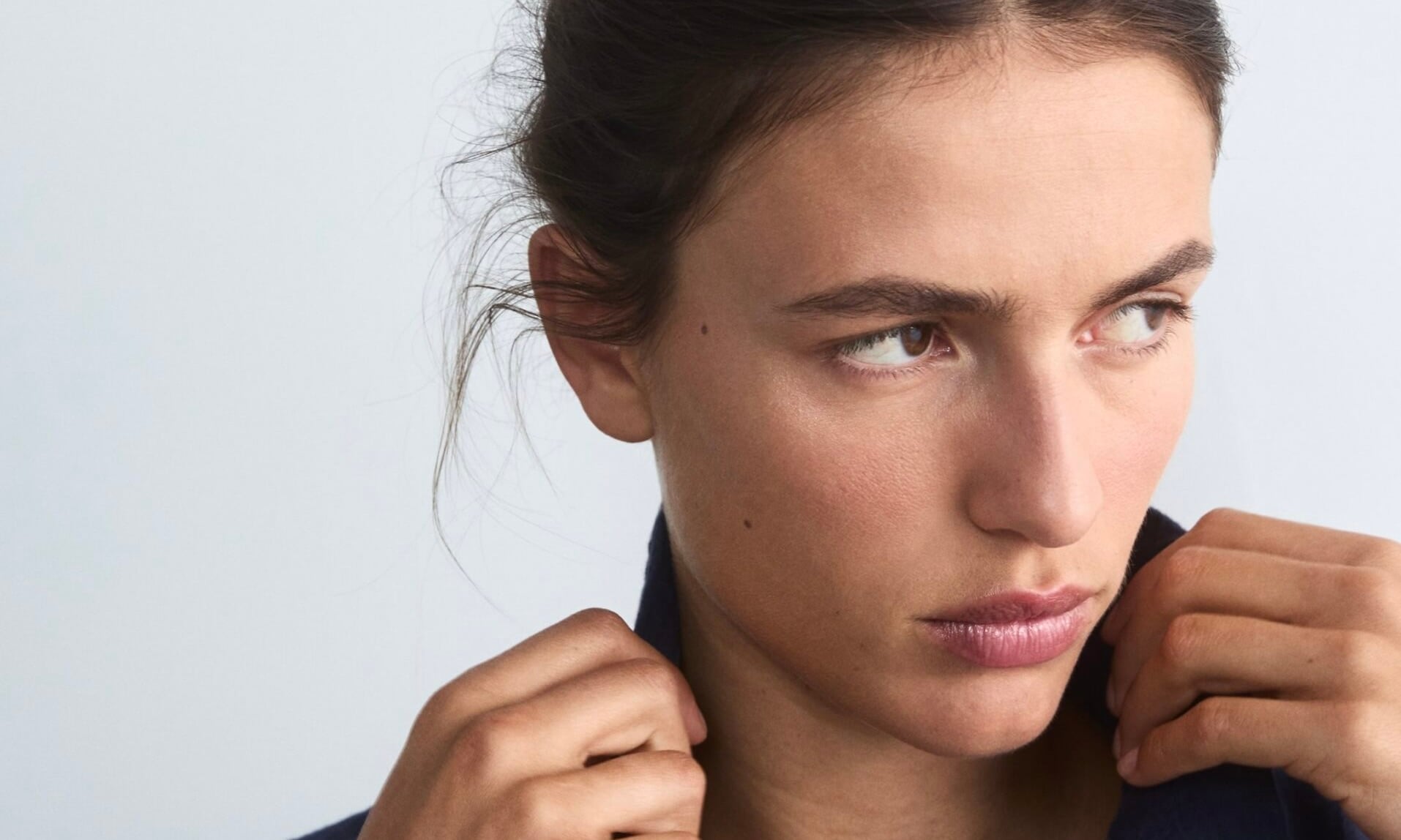
Conversely, the devoted legion of pajama lovers champions the joy of soft fabrics, relaxed silhouettes, and the comforting feeling of being gently swaddled after a long day. For these individuals, proper sleepwear is a versatile uniform of relaxation. Good pajamas offer an undeniable advantage around the house during lazy weekend mornings or late-night reading sessions. They provide just enough coverage to pad around the kitchen, put on the coffee, and make morning eggs without feeling completely disheveled or unprepared to face the early hours of the day.
Yet, navigating the modern market for sleepwear comes with its own set of distinct challenges, chief among them being the pervasive presence of synthetic materials. A common frustration shared by many comfort-seeking consumers is the sheer volume of polyester found in mainstream department stores and clothing lines. While synthetic fabrics may look appealing on a hanger or come with a lower price tag, they frequently fail the fundamental test of nighttime comfort. For those who run warm or struggle with temperature regulation during the night, polyester can easily trap heat and moisture, leading to a sweaty, restless sleep experience.
This growing awareness of fabric composition has sparked a renewed appreciation for sleepwear crafted exclusively from natural fibers. Shoppers are increasingly seeking out garments made from one hundred percent cotton, linen, muslin, and flannel, prioritizing breathability and tactile softness above all else. Market offerings catering to this demand have expanded to include a wide array of styles, ranging from classic button-down trouser sets and delicate pointelle knits to airy muslin ensembles, cozy flannel sleepshirts, striped short sets, breathable linen options, and designer nightgown collaborations. Specialty retailers such as Petite Plume and Papinelle have likewise carved out a dedicated following by focusing on traditional textiles and timeless silhouettes that emphasize long-term comfort.
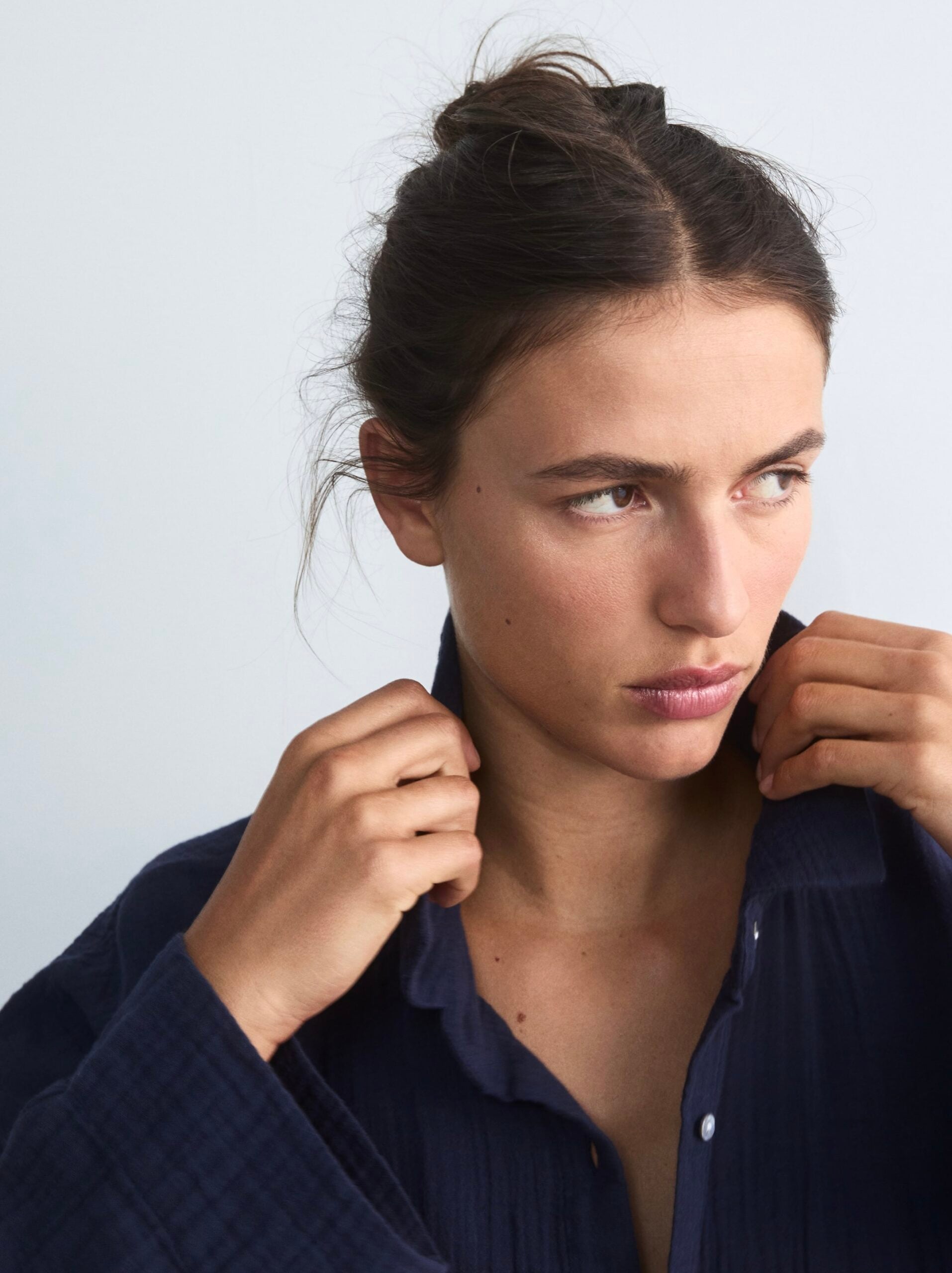
The conversation surrounding nighttime attire also extends far beyond the basic choice between pajamas and sleeping naked, touching on broader habits and rituals designed to ease the transition into slumber. Discussions on sleep hygiene frequently feature unusual personal tricks for falling asleep, ranging from specialized breathing techniques to ambient noise preferences. Parents similarly debate the intricate, highly choreographed bedtime routines required to guide children into dreamland, a process that often contrasts sharply with the simpler wind-down rituals adults desire for themselves.
Meanwhile, the cultural pendulum of sleep fashion continues to swing. Questions regarding whether everyone has quietly returned to wearing classic nightgowns or if matching pajama sets remain the undisputed king of lounge attire frequently capture public curiosity. Seasonal sales and promotional discounts from major brands further fuel this ongoing interest, reminding consumers that upgrading their nighttime wardrobe is always an option when comfort calls.
Ultimately, whether someone prefers the liberating simplicity of sleeping in the nude, the tailored structure of a cotton button-down set, the breezy feel of a linen nightgown, or the ultra-cozy embrace of a flannel sleepshirt, the ultimate goal remains universal: achieving a deep, undisturbed night of rest. As the debate continues, the question remains open for anyone settling in with their evening book: what are you wearing to bed?