
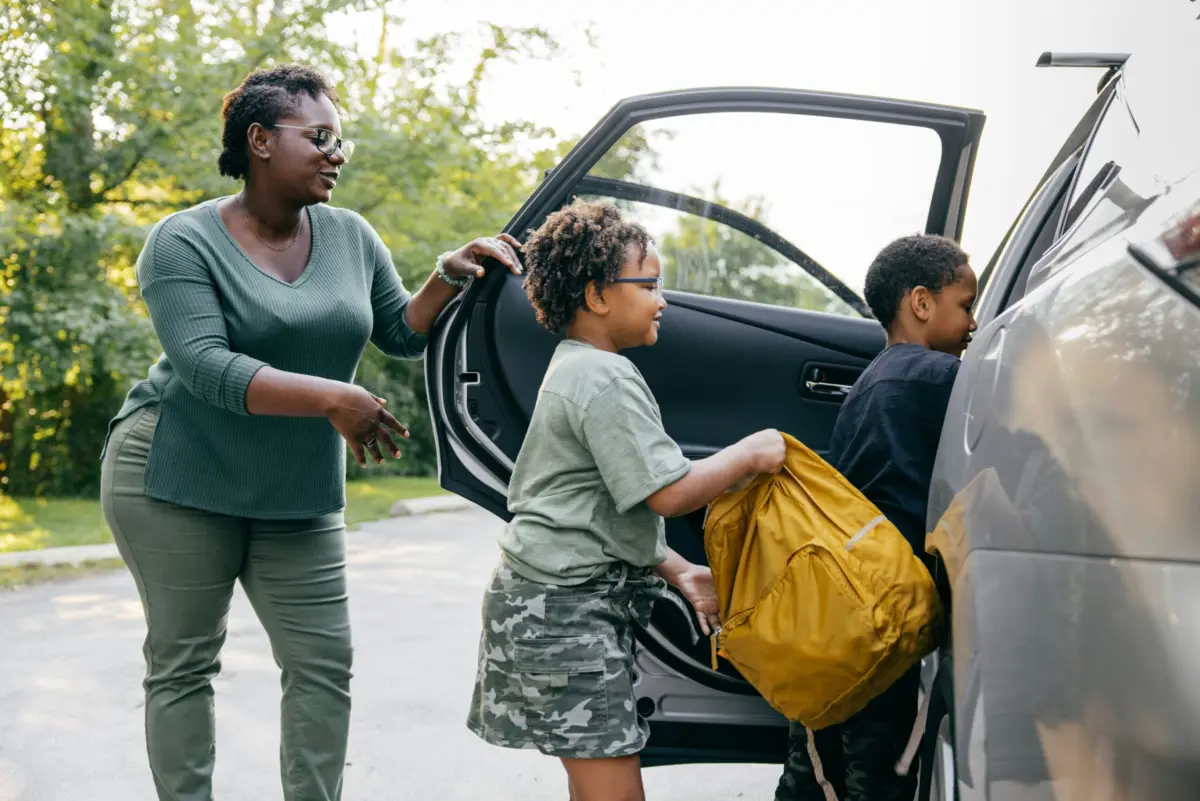
For many parents, the afternoon school pickup routine comes with a familiar script. A child climbs into the backseat, the vehicle door shuts, and a flood of grievances pours out. Within minutes, parents are hearing detailed accounts of how another student crossed a line, made an unkind remark, or ruined a lunchtime routine. Yet, as parents often discover after listening to these distressing recunts, the child never actually said a word to the teacher when the incident occurred.
While parents are naturally hesitant to raise their children to be perpetual tattletales—knowing full well that educators already face immense workloads and that standard social friction is a normal part of growing up—the recurring hesitation children feel when it comes to reporting real issues at school points to deeper psychological and social dynamics. Understanding why children struggle to speak up in the classroom, and learning how to respond when they finally unload at home, has become a growing focus for child development experts, counselors, and educators seeking to bridge the gap between school environments and home life.
According to Dr. Missy Kleinz, a licensed professional counselor, owner of Stardust Therapy, and creator of Big Feelings World, the reluctance to ask for help is not unique to children. Adults frequently struggle to seek assistance due to internal pressures and fears about how they will be perceived by others. For young children and elementary school students, coming home to express frustration over minor conflicts—such as a classmate taking their fruit snacks—while remaining entirely silent at school is a remarkably common pattern.
The underlying reasons for this silence are often rooted in social calculation and emotional overwhelm. At school, a child may not know whether the teacher will take their concern seriously, or they may fear the unpredictable consequences of speaking up. There are tangible social risks involved in a classroom setting: Will the other child become angry? Will friends view the act as petty tattletales? Will drawing attention to the conflict ultimately make the situation worse? In contrast, the home environment typically offers a much higher degree of predictability and emotional safety.
When another student makes a mean comment or physically pushes past a child in the hallway, the experience can feel profoundly overwhelming. Dr. Kleinz explains that children in these moments are frequently hit with a simultaneous wave of conflicting emotions, including a sense of unfairness, embarrassment, and sadness.
Often, children are simply too emotionally flooded in the immediate aftermath for the emotion to take over their capacity to process. They may lack the precise vocabulary needed to express what they require in that exact second, or they remain uncertain about how the teacher will react. Young children often require additional time and language development to fully comprehend what happened and why it felt unjust. By the time the school day ends and they return home to a parent, they have had time to calm down, find the right words, and reconnect with an environment where they feel completely safe. The child intimately knows their parent and possesses a much clearer understanding of how the adult will respond to their disclosures.
This perspective is echoed by Dr. Roseann Capanna-Hodge, a therapist, former school psychologist, and author of The Dysregulated Kid. Children expend a tremendous amount of emotional and mental energy navigating the complex social landscape of a school day. When they finally arrive home and recount a negative experience or express that they had a difficult time without ever alerting an educator, the root cause is frequently nervous system activation resulting from the daily grind of school life.
Furthermore, the reluctance to involve a teacher can stem from the deeply personal nature of the grievance. To illustrate this dynamic, Dr. Kleinz pointed to an interaction with her own nine-year-old daughter, who explained that she might readily confide in her mother about a sensitive issue but would keep it hidden from her teacher. For instance, if a classmate discovered and started teasing her about a personal crush, the idea of the teacher knowing about her romantic interest would feel entirely mortifying. It is a social jab that a child would much rather metabolize and process privately with a parent rather than risk exposure in a formal academic setting.
Given these complex barriers, parents are often left wondering how they can encourage their children to speak up in the moment and reassure them that teachers are present to maintain safety and order. Experts suggest that the phrasing parents use when their children first bring up these grievances plays a critical role in shaping how children view self-advocacy.
When a child comes home describing an intrusive behavior—such as a classmate repeatedly touching them throughout the day—experts advise against starting the conversation with a critical question like "Why didn’t you tell your teacher?" Instead, framing the inquiry around the child’s internal experience yields far more productive results. Asking what made it difficult to say something when the incident occurred opens the door to genuine understanding.
This approach helps uncover whether the child froze in the moment, lacked the right words to use, worried that an adult wouldn’t believe them, or simply remained unsure whether the situation crossed the threshold of being important enough to report. Following this with a supportive offer—such as asking if the child simply wants someone to listen, needs help thinking the situation through, or wants guidance on what steps to take next—empowers the child without assigning blame.
Validating the child’s emotional response before digging into the details is another crucial step. A parent might acknowledge the frustration by noting how annoying or invasive the behavior felt before asking follow-up questions about the context. Inquiring about why the other child might have acted that way or what happened immediately preceding the incident helps children develop an understanding of cause and effect. It encourages them to analyze broader social dynamics while simultaneously providing parents with the necessary context to assess the situation accurately.
When children report seemingly minor teasing, such as a classmate commenting on their physical appearance or personal traits, there is frequently an unspoken admission of uncertainty regarding how to respond. Dr. Capanna-Hodge notes that these moments present ideal opportunities for parents to offer subtle, indirect guidance through a technique known as third-party discussion.
By removing the immediate personalization of the conflict, children become significantly more receptive to absorbing advice. For instance, if a child complains that a peer called their feet smelly, a parent might share a parallel experience from their own past, explaining how they once faced similar teasing, felt unsure of how to reply, and ultimately used humor to neutralize the comment. This narrative style distances the child from the immediate embarrassment of the critique while equipping them with a conversational tool.
While many everyday conflicts can be processed and resolved at home, experts agree that it is entirely appropriate for parents to reach out to teachers when the reported behavior raises genuine red flags. This level of communication is particularly vital if a parent suspects ongoing bullying, if the child develops school avoidance or expresses fear about attending class due to another student’s actions, or if there is a persistent sense that the child is struggling to navigate basic social interactions.
Dr. Capanna-Hodge emphasizes that educators are generally very receptive to these conversations because their primary objective is to see students succeed across all areas of development. Rather than waiting for a situation to escalate into a full-blown crisis—a mistake many well-meaning parents make—proactive communication can prevent minor friction from becoming unmanageable. Asking teachers specific questions about where a child fits within the classroom social hierarchy, whether their skills appear typical, and how best to support them during difficult moments can foster a powerful partnership between home and school.
When necessary, parents and educators can collaborate to establish discreet systems that make it easier for a shy or overwhelmed child to ask for help without drawing unwanted attention from peers. Dr. Kleinz suggests implementing simple signals between the student and the teacher, such as placing a blank sticky note on the teacher’s keyboard to quietly communicate that the child needs assistance. This arrangement allows the educator to initiate a check-in, ensuring the child receives necessary support while eliminating the fear of social retaliation or being labeled a tattletale.
Ultimately, the overarching objective of guiding children through these conflicts is not to force them to handle every social hurdle entirely on their own. Instead, the goal is to help them gradually recognize and understand their emotions, identify their specific needs, and learn how to advocate for themselves with the steady backing of supportive adults.