
As Labor Day arrives and parents across the country mark the official closing of the chaotic, high-maintenance marathon that is summer vacation, a familiar wave of reflection tends to set in. For many mothers and fathers, the transition back to the structured routine of the school year brings a dual sensation of relief and wistfulness. It prompts a quiet, introspective question that has launched countless diary entries and personal essays: Did we actually make the most of the summer months? More importantly, have we managed to forge lasting, indelible memories for our children before the autumn bell rings?
For one parent reflecting on the changing season, the answer leans firmly toward the affirmative, though perhaps not for the reasons most marketing campaigns or family-oriented brochures would suggest. Those cherished, long-term memories are rarely found buried in the volumes of ice cream consumed on humid afternoons, the dizzying mechanical rides at the county fair, the countless hours of pool time and lakeside picnics, or even the surprisingly expensive arts, crafts, and bonding experiences offered by summer camps. While those simple joys are undeniably valuable and contribute to what makes up a happy, balanced childhood, they are rarely the experiences that grownups look back on decades later with a nostalgic grin, saying, "Remember when…?"
Instead, those defining "remember when" moments belong to a completely different category of leisure—an adrenaline-laced phenomenon known among outdoor enthusiasts and adventurous families as "Type 2 fun."
The concept of the fun scale first circulated within climbing books and mountaineering media during the 1980s, serving as a framework to divide outdoor recreation and physical challenges into three distinct categories. At the very bottom of the scale sits Type 1 fun: activities where you expect to enjoy yourself right from the start, and you actually do, such as a lazy day lounging at the beach or eating cotton candy at a festival. At the absolute opposite end of the spectrum is Type 3 fun, which represents experiences that are not even remotely fun in the moment, are often catastrophically bad, and are categorized as something never, under any circumstances, to be repeated—such as getting shipwrecked on an isolated island.
Falling somewhere comfortably between those two extremes is Type 2 fun, widely considered by adventurers to be the ultimate sweet spot. It is the kind of experience that pushes participants past their comfort zones, tests their physical and mental endurance, and hopefully delivers them back to safety in better condition than when they started—stronger, happier, and filled with a fresh, deeply felt gratitude for basic comforts and good company.
Type 2 fun is the very bedrock of genuine storytelling. When families gather around a table years later to recount a great travel anecdote or an outdoor adventure—one that is actually worth retelling throughout a lifetime—there is almost always a sharp edge to it. There are barriers that had to be overcome through sheer willpower, sketchy or genuinely frightening moments that raised heart rates, and hard-earned life lessons that could never be learned inside a traditional classroom.
For lifelong distance runners, avid cyclists, and outdoor traditionalists who can recall their first brush with mild hypothermia with a fond smile, embracing this specific brand of discomfort becomes second nature. Naturally, these parents often try to introduce their children to the very same trials. As the summer months roll around, bringing with them extended daylight, freedom from academic schedules, and generally cooperative weather, the opportunity to seek out these formative challenges is too good to pass up.
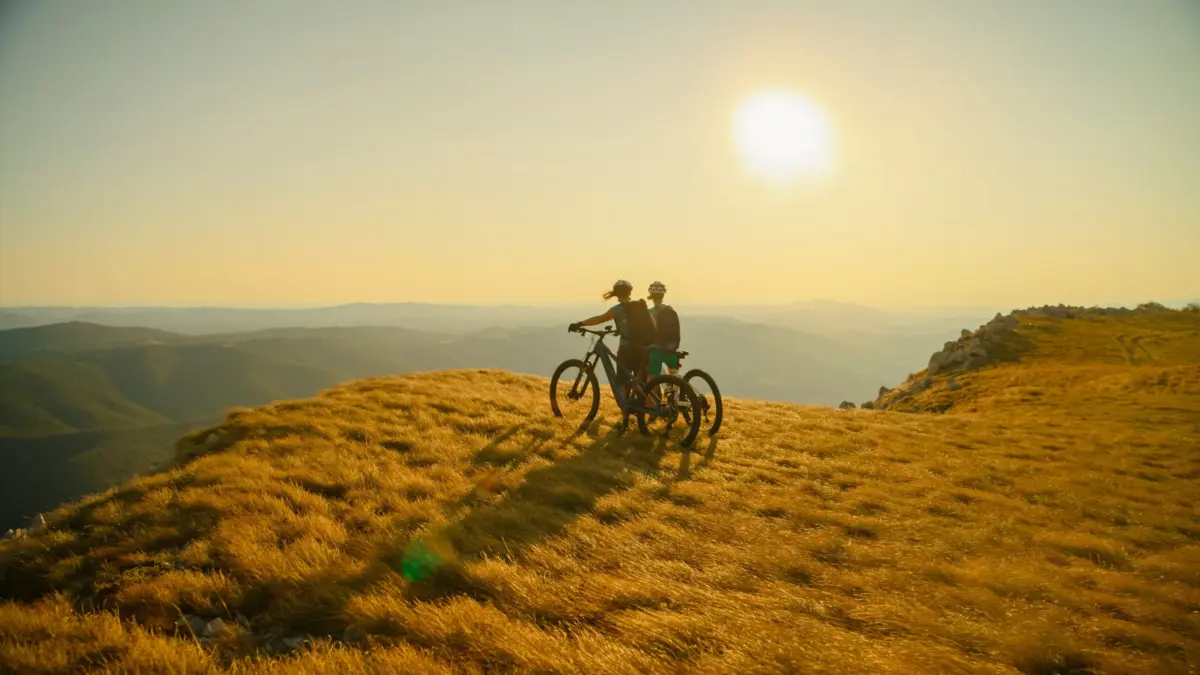
Reflecting on the summer that just passed, parents are left to evaluate their success in this arena. For younger children, the evidence of Type 2 fun is often written directly on their bodies. Taking a look at an eight-year-old’s scraped knees and bruised shins offers immediate confirmation that memories were indeed forged. Throughout the warmer months, daily excursions to local bike trails, rugged neighborhood roads, and dirt pump tracks became the norm. These outings inevitably brought about unexpected falls, frustrated tears, and, most importantly, the admirable resilience required to dust oneself off, straighten the handlebars, and get right back on the saddle with chin held high.
One of the favorite stories recounted by a young mountain biker actually originated during the previous summer, highlighting how these memories mature over time. Father and son had been tackling a challenging, rocky trail while connected tandem-style on a specialized bike. The day was sweltering, the mosquitoes were relentless, and the pair had already suffered a minor crash or two along the unforgiving terrain. At a particularly treacherous juncture, the trail narrowed into a rocky ledge that required riders to dismount and navigate a small cliff on foot, moving strictly single file.
The father asked his son to cross to the other side and wait, providing a safe vantage point to watch as the adult awkwardly pushed the long, unwieldy tandem bicycle across the razor-thin shelf. Disaster struck when the father lost his footing; rather than tumble twenty feet down the steep forest floor, he made a split-second decision to hurl the heavy bike away and lean desperately into the rock face. He steadied himself as the bicycle crashed noisily into the ravine below. Thirty minutes of scrambling later, they were reunited at the top, back on the trail, and equipped with a legendary family story that would be told for years.
When it comes to older children and teenagers, however, the pursuit of Type 2 fun can sometimes cross the line from a character-building challenge into an outright endurance test. Planning a grand outdoor adventure for a teenager and their best friend—such as picking them up straight from overnight camp to embark on their first legitimate backpacking trip—requires meticulous preparation. Maps must be studied and marked, trail mix and dehydrated meals carefully rationed, and heavy gear packed down to the last tent stake, camp stove, water purifier, headlamp, and sleeping bag.
For one Vermont excursion, a three-night, four-day trek was mapped out along portions of the famous Long Trail, managed by the Green Mountain Club. The itinerary was designed so that the most serious, lung-busting ascent would occur strictly on the first day, leaving the remainder of the trip for rolling, manageable hikes out and back, intended to give the youths a pleasant and inspiring taste of wilderness backpacking.
Unfortunately, the theoretical gods of Type 2 fun frequently have alternative agendas. The logistical complications began before the boots even hit the dirt, starting when the designated parking lot indicated on the map simply refused to materialize where expected. This necessitated a frustrating series of detours along winding country roads until the group finally located an alternative lot, situated miles away and significantly downhill from the originally planned trailhead. Upon arrival, a prominently posted warning sign informed them that a nearby trail shelter had recently been relocated an additional few miles further into the backcountry.
The cumulative result transformed a moderately challenging hike into a formidable, exhausting trek. After enduring three days of heavy packs, 18.34 grueling miles, and a punishing cumulative elevation gain of 4,698 vertical feet heading strictly upward, the teenage participants officially hit their breaking point. Refusing to spend a third night shivering in the damp woods, they firmly demanded an immediate end to the wilderness experiment, insisting on hiking straight to the car and booking a proper hotel room with indoor plumbing.
The demands were met, and the weary expedition concluded with a pit stop for roadside milkshakes. Yet, despite the sweet treats, years from now those teenagers are unlikely to reminisce fondly about the generic truck stop shakes; instead, their minds will undoubtedly drift back to the muddy boots, the steep Vermont climbs, and the sheer willpower it took to conquer The Long Trail.
As the holiday weekend unfolds and families look ahead to the final official hurrah of the season, the focus shifts back to simpler pleasures. A planned family trip to Coney Island offers a stark contrast to the grueling mountain trails and remote wilderness shelters. There, the children will undoubtedly gorge themselves on classic hot dogs, take a slow-paced spin on the historic Wonder Wheel, and stroll down the boardwalk to share the salty ocean breeze. After all, a healthy balance is required; the family has undoubtedly manufactured more than enough character-building memories to last through the winter, and every kid deserves a little bit of straightforward, entirely forgettable fun before the school bells ring again.