
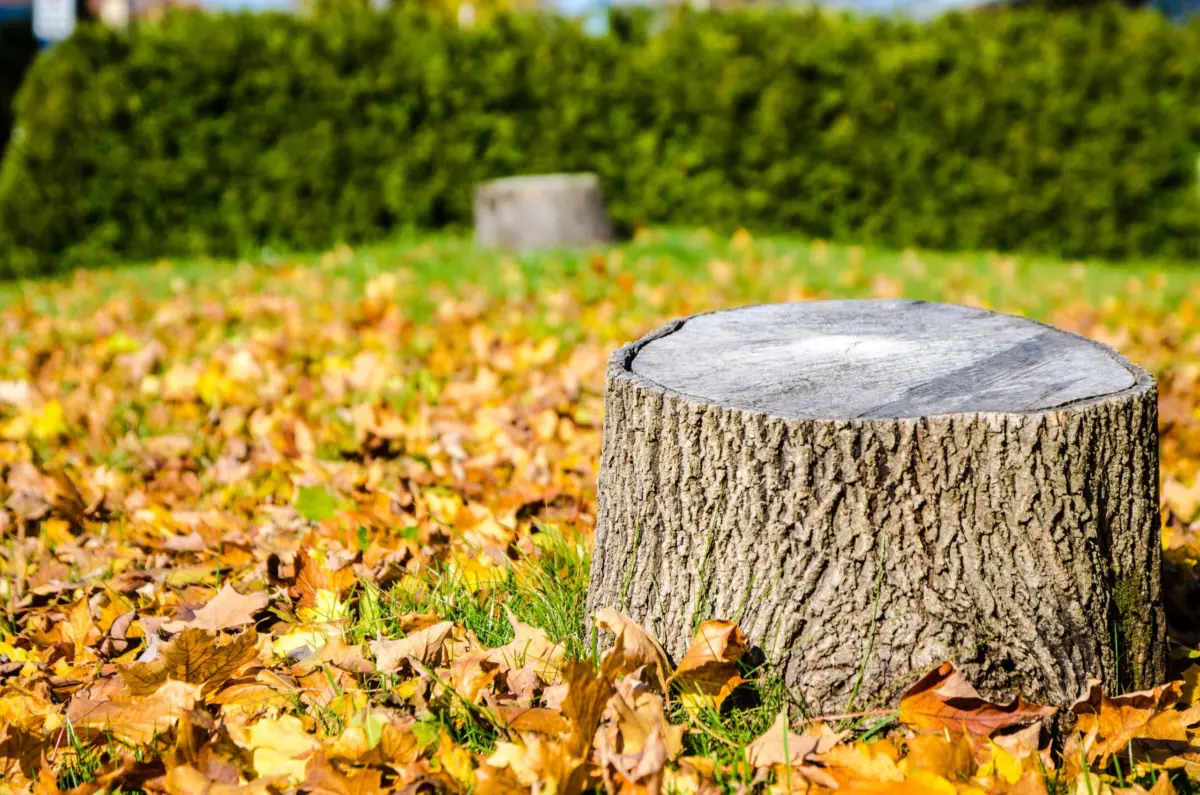
Removing a tree from a residential property is rarely as simple as shouting "Timber!" and moving on to the next backyard project. While the towering presence of an ailing or overgrown tree might pose immediate risks to roofs, patios, or parked cars during severe weather, property owners often overlook the lingering threat left behind at ground level. Left untended, a remaining tree stump can cause severe underground damage to plumbing, foundations, and subterranean infrastructure as its hidden root system continues to expand.
According to landscape professionals and arborists, an upcoming arboreal project may begin with tree removal, but safeguarding the long-term health of a lawn and home requires addressing the stump in the aftermath. Even if homeowners have no immediate plans to utilize the exact plot of land where the tree once stood, leaving a stump behind invites a host of new, persistent problems. Across the industry, the professional consensus remains universal: to consider tree removal truly complete, the stump must be neutralized or removed entirely.
Old stumps act as magnets for invasive pests, harbor destructive fungi, and present constant tripping hazards in residential yards. Some resilient species will even attempt to regrow, sending up vigorous shoots that undermine landscaping efforts. Addressing these remnants protects surrounding soil, prevents localized insect infestations, and ensures that yard designs remain intentional rather than accidental habitats for decay.
The pest problems caused by an unattended, rotting tree stump rarely remain localized. Wood-boring insects such as ants and termites find decaying stumps deeply appealing, allowing their colonies to multiply rapidly across an entire property. Once established, these populations can migrate to healthy plant life, directly damaging vegetation or spreading pathogenic fungi to nearby trees and shrubs. In essence, a supposedly dead tree stump frequently serves as a subterranean launchpad for living invaders that pose a severe threat to a verdant landscape.

Before property owners determine how to address an unwanted stump, experts advise assessing the scope of the job by measuring its physical dimensions. Stumps vary wildly in size, requiring drastically different approaches for removal, chemical treatment, or decay management. Evaluating the diameter of the flat, cut surface at its widest point—while carefully accounting for irregular bulges, ground-level root flares, surface roots, and the height of the wood above the soil—provides a realistic picture of the undertaking. Stumps measuring under 12 inches in diameter are generally categorized as small, whereas specimens exceeding 30 inches fall into the large category, influencing whether DIY methods or heavy machinery will be required.
For property owners leaning toward chemical intervention, arborists recommend targeted herbicides such as glyphosate or triclopyr. When applied directly to fresh cuts or poured into holes drilled deep into the wood, these solutions can systematically dismantle the root system. However, experts urge extreme caution, noting that powerful herbicides demand proper personal protective equipment and strict safety measures to keep children and domestic pets safely away from the treated areas.

To execute a chemical treatment, professionals typically cut the stump as low to the ground as safely possible before sinking multiple eight-to-ten-inch vertical holes into the wood. The herbicide is then poured generously into the cavities, followed by a cup of water to activate the chemicals. Sealing the stump tightly underneath a weighted tarp helps trap internal moisture and block rainfall, which accelerates the decomposition process. Over the course of a few months, the treated wood softens significantly, eventually allowing homeowners to break it apart with an axe or shovel.
When time is not a factor—such as when a homeowner is not rushing to construct a new patio or solarium—adopting a slower, natural approach utilizing rock salt or Epsom salt offers an alternative to harsh chemicals or machinery. By substituting commercial herbicides with large quantities of salt poured into drilled holes and saturated with water, the process mimics the chemical method without introducing synthetic toxins into the soil. Though this method requires remarkable patience, often taking anywhere from six to twelve months to thoroughly break down the wood, it remains entirely non-toxic and requires minimal manual labor.

For those seeking rapid results, mechanical stump grinding stands out as the fastest and most comprehensive, albeit expensive, method of elimination. Compact stump grinders can be rented from home improvement stores or operated by professional tree services to shave the wood down below grade with minimal disruption to the surrounding site. While renting a machine typically costs several hundred dollars, grinding bypasses the months of waiting associated with chemical or natural decomposition, obliterating the stump and large surface roots in a matter of hours.
Alternatively, some property owners attempt to remove stumps using fire, a method that avoids heavy machinery or manual uprooting in hard-to-reach locations. This technique involves drilling interconnected vertical and horizontal holes to create an internal draft, saturating a piece of fabric in an accelerant, and igniting the core of the stump. While effective when managed with extreme caution, nearby fire hazards, overhanging branches, and flying embers demand constant supervision and a readily available fire extinguisher.

Beyond the physical nuisance of a rotting wooden block in the middle of a pristine lawn, the most severe risks of an unmanaged stump lie completely hidden beneath the surface. Plumbing and drainage professionals emphasize that while the visible wood above ground may seem harmless, underground root networks continue searching aggressively for water and nutrients for months or even years after the tree has been felled.
Because tree roots can easily spread two to three times the width of the original canopy, buried clay and PVC drainage pipes present an irresistible target. Live roots regularly travel several meters from the original stump, infiltrating tiny pipe joints or structural cracks. As the roots expand from within, pipes gradually collapse, leading to slow drains, localized flooding, and expensive subterranean plumbing repairs that often go unnoticed until significant structural failure occurs.

Furthermore, the natural resilience of certain tree species means that removal efforts can easily fail if the root system remains viable. Trees such as oak, maple, willow, poplar, birch, and eucalyptus engage in a natural regenerative process known as coppicing, aggressively sending up fresh shoots from surviving root tissue. Conifers, by contrast, generally lack the capacity to regenerate from old wood, meaning their stumps typically die off without secondary intervention.
Despite the litany of risks associated with unattended stumps, experts note that immediate removal is not always mandatory. When a stump sits safely away from buried utility lines, poses no fungal or pest threat to neighboring plants, and does not obstruct routine lawn maintenance, property owners can choose to incorporate it into their landscape design. By building up modular garden beds, layering moss and flowering perennials between surface roots, or utilizing the flat surface as a rustic bench or artistic focal point, a leftover stump can be transformed into an intentional, visually compelling feature of a residential garden.